Hurricane María abated, the news crews packed up and left Puerto Rico, and the interest of the international community turned elsewhere. What happened next?
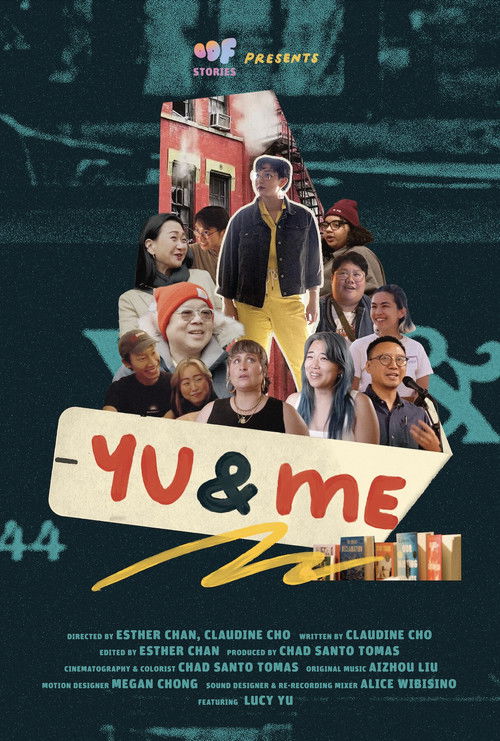
When a fire destroys a beloved Chinatown bookstore, its hyper-independent owner learns that community is necessary for survival.
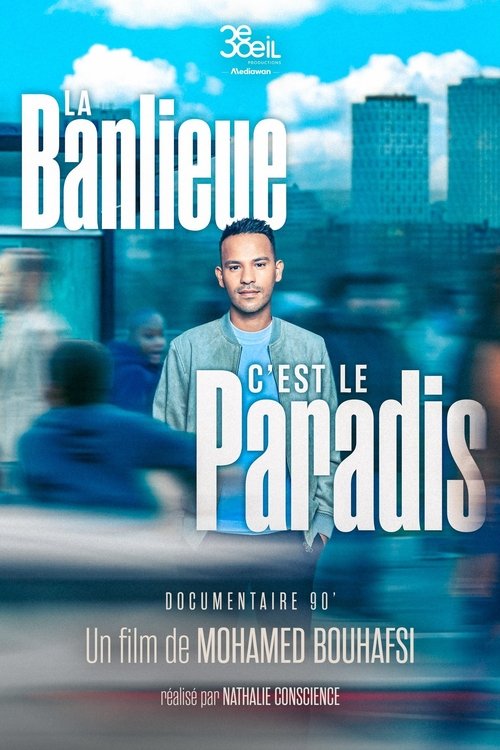
In the 1960s, the suburbs were meant to be modern havens for newcomers from rural France, Portugal, Spain, North Africa, and Africa, helping rebuild post-war France. Large housing complexes symbolized this ideal, offering comfort, heating, and electricity. But by the 1980s, disillusionment set in as economic crisis, unemployment, poverty, crime, racism, and police violence took hold. Mohamed Bouhafsi tells the story of a dream that didn’t last.
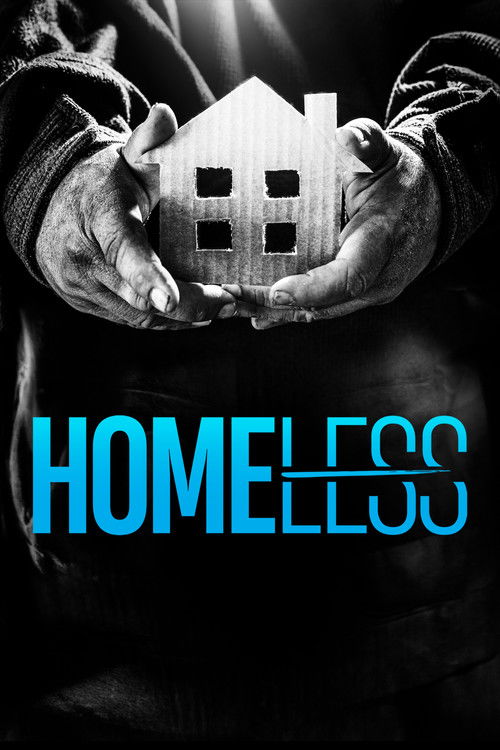
HOMELESS is a documentary that humanizes unhoused people and explores their backgrounds, dreams and struggles to find the way home. The film aims to raise awareness and funds to end homelessness, which is an ever more urgent global challenge: The United Nations Human Settlements Program estimates that 1.6 billion people live in inadequate housing, and the best available data suggests that more than 100 million people have no housing at all.
Follows Bradley - only the third American coach to manage a foreign team - his wife, Lindsay, his staff and his players. In gaining access to the training camps and providing in-depth coverage of the Pharaohs' games in Africa, the filmmakers document the team's personal and professional struggles to keep their eyes on the prize of getting to the World Cup while living in and representing a country in turmoil.
Documentary looking at the culture of three motels and their owners who remain untouched by homogenization and corporatism, located in Santa Fe, New Mexico; Florence, Arizona; and the semi-ghost town of Death Valley Junction, California. Everyone has an unusual story to tell.
As climate change erases the Louisiana coast, the last two teenagers on Isle de Jean Charles fight to stay on an island that's been in their family home for generations. Feature film continuation of a short of the same name.
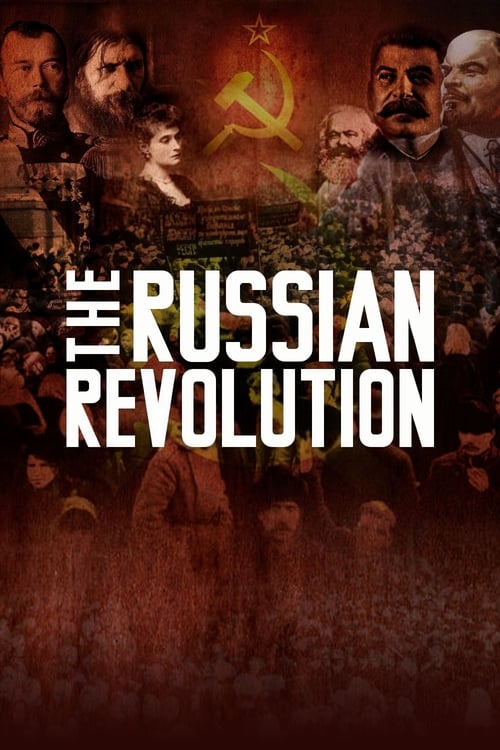
Starting in 1881 this film shows the personal battle between Lenin's Ulyanov family and the royal Romanovs that eventually led to the Russian revolution.
Nefertiti's Daughters is a story of women, art and revolution. Told by prominent Egyptian artists, this documentary witnesses the critical role revolutionary street art played during the Egyptian uprisings. Focused on the role of women artists in the struggle for social and political change, it spotlights how the iconic graffiti of Queen Nefertiti placed her on the front lines in the ongoing fight for women's rights and freedom in Egypt today.
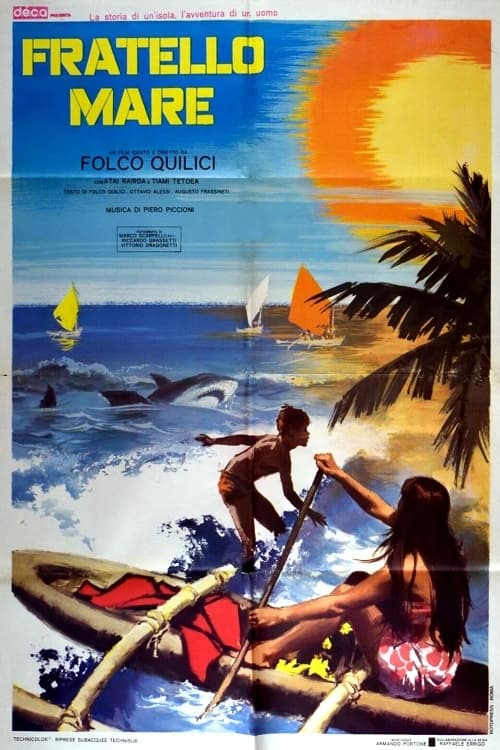
The Work completes the "quadrilogy" of South Seas seen over a twenty-year period. This film, tells the choral story of an island that in the short time of a generation loses its identity.
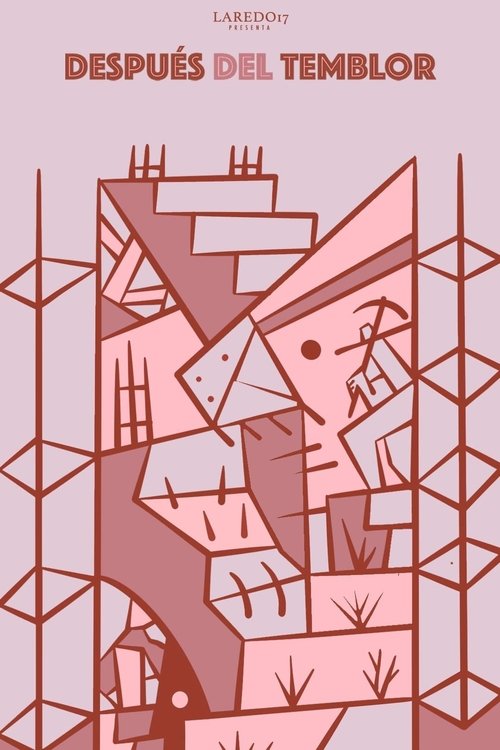
Documentary about the aftermath of the earthquake that shook Juchitán, on the Mexican Pacific coast. It tells the story of Dxani -muxe seamstress- and Jacinto -mason- and how their lives were radically changed by the strongest earthquake that hit this community; and the poor response of the corrupt authorities.
On the island of Amorgos, during summer. Small monuments were erected at the scene of a fatal accident: a photograph, a few words, flowers, religious or pagan objects. The deceased "stayed there": dead in transit, on a road, frozen forever.
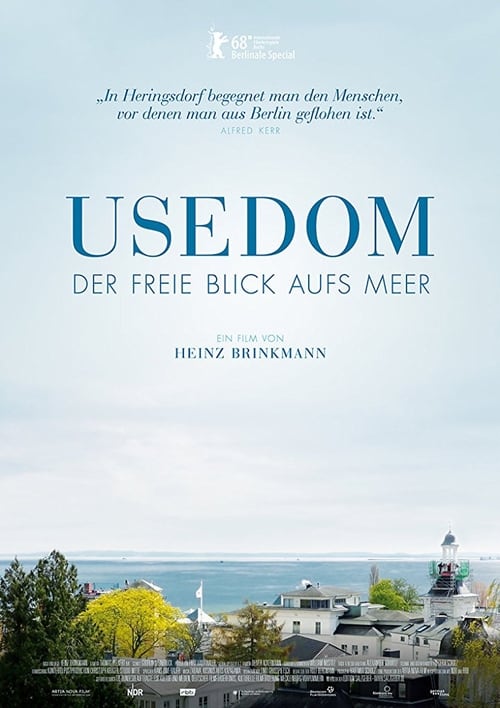
For Berliners, the Baltic island of Usedom was once the most luxurious destination for excursions within striking distance of the city. This is where imperial Germany’s grand health resorts of Bansin, Heringsdorf and Ahlbeck were built. Heinz Brinkmann, who was born in Heringsdorf, traces the eventful history of his island.
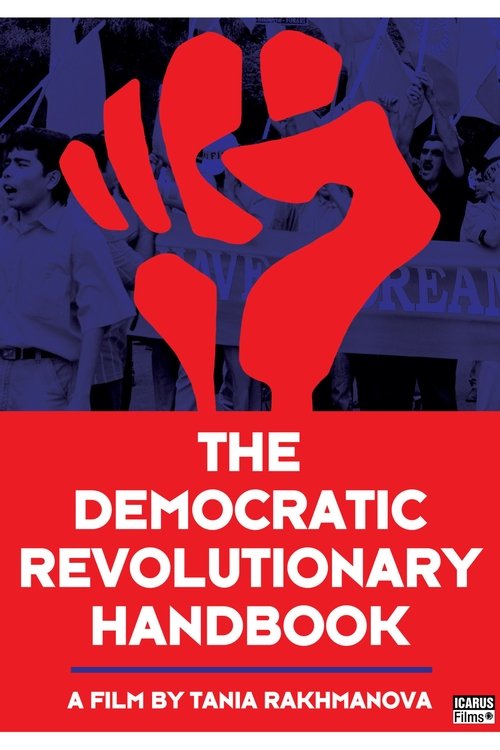
The recent democratic revolutions throughout Eastern Europe—Serbia in 2000, Georgia in 2003, and the Ukraine in 2004—all seemed to follow a quick and easy pattern: the exposure of rigged elections, followed by massive street protests, and a regime that collapsed without a fight. But THE DEMOCRATIC REVOLUTIONARY HANDBOOK reveals the lengthy and meticulous preparations behind these seemingly spontaneous demonstrations, showing how modern marketing techniques have combined with revolutionary politics to transform the region's governments.
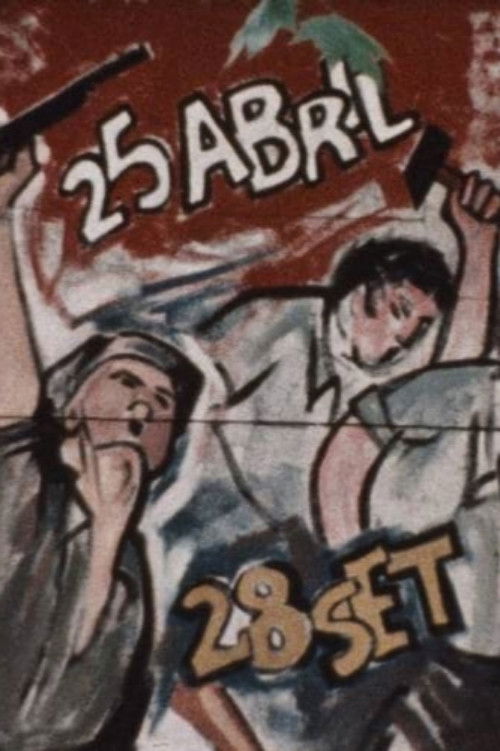
Following the Revolution of April 25, 1974, the walls of the city of Lisbon became a means of celebrating and transmitting revolutionary ideals and slogans. The text by painter António Domingues praises this plastic work initiated by the Plastic Artists Cell of the Portuguese Communist Party.
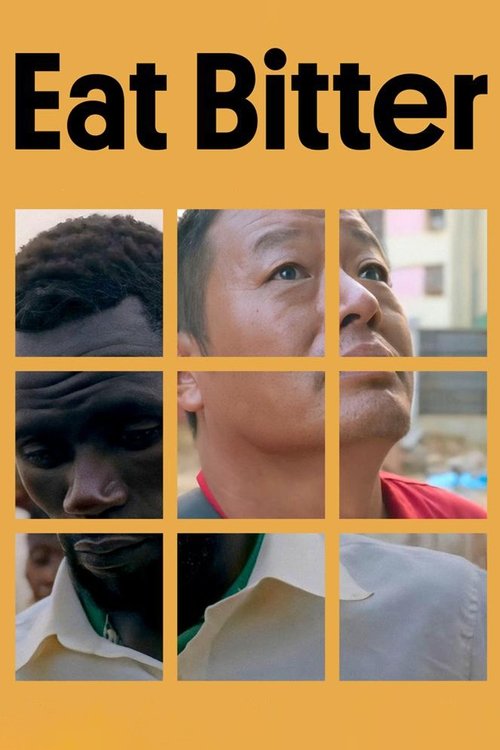
A local construction worker and a Chinese engineer are assigned to build a bank in Bangui, the capital of the Central African Republic, one of the poorest countries in the world. But time is short and resources are scarce, and there are rumours in the countryside that a new civil war is brewing. And as if all this wasn’t bad enough, their relationships to their wives are falling apart. ‘Eat Bitter’ mirrors the existential and mundane problems of the two men, while an unlikely friendship and mutual trust blossoms between them. However, the chaotic microcosm of the construction site also mirrors China’s contradictory role in 21st century Africa, with the bank itself as the ultimate symbol of money, power and illusion. Director duo Pascale Appora-Gnekindy and Ningyi Sun themselves represent each of the two cultures, and their film has a unique eye for the human fallibility and irony of it all, but also for how we can reach each other despite all our many differences.