«this short film visits memories of the past, truths of the present + hopes for the future. healing for sisters who are in process, in ritual.» (Rikkí Wright)
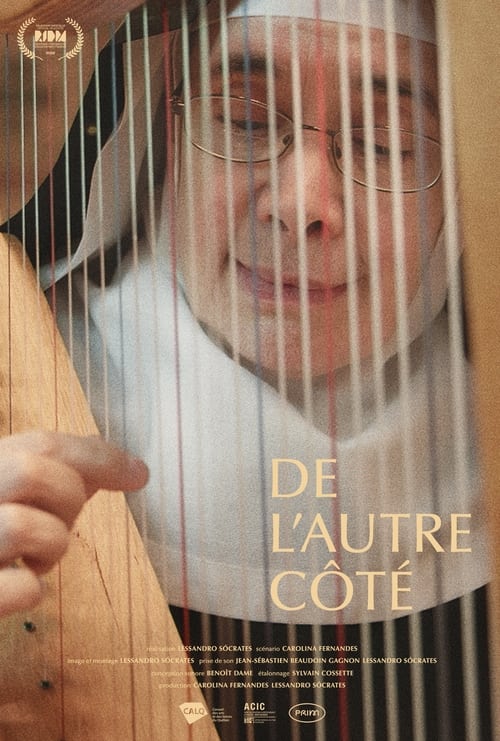
The oldest Quebecois Benedictine convent open its gates to a documentary filmmaker for the first time. Observed up close, life behind its walls is busier than one would expect. About twenty cloistered nuns, most of them over 70, share their daily life with diligence and humor. A contemplative portrait of a community of sisterhood and solidarity emerges, punctuated by prayer, work and games evenings.
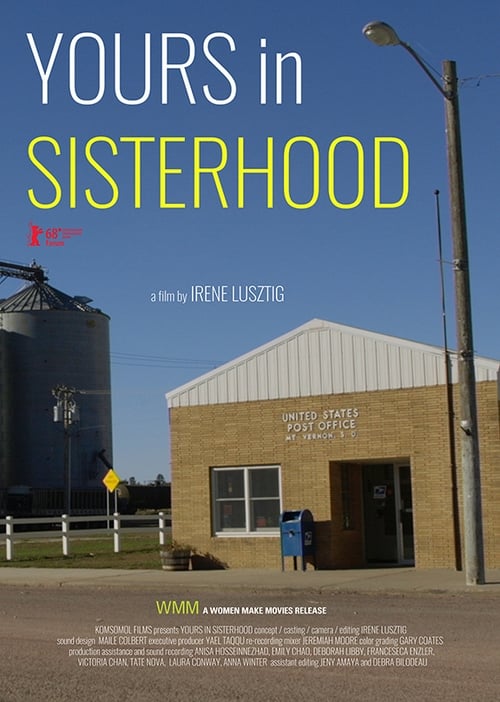
What might be revealed in the process of inviting strangers to act out and respond to 1970s feminism forty years later? Between 2015 and 2017, hundreds of strangers in communities all over the US were invited to read aloud and respond to letters from the 70s sent to the editor of Ms. Magazine–the first mainstream feminist magazine in the US. The intimate, provocative, and sometimes heartbreaking conversations that emerge from these spontaneous performances make us think critically about the past, present, and future of feminism.
In a drought-struck region in India, suffering from climate change and a high suicide rate amongst farmers, a group of resilient women farmers, who recently lost their husbands, is coming together with a local psychologist to learn counselling and help others in grief.
Isa and Zoe are eleven years old, they are best friends. Through their video diaries, they tell their perspectives on the transition from childhood to adolescence, the changes they are undergoing and their concerns when they stop being girls to become women.
Adopted from South Korea, raised on different continents & connected through social media, Samantha & Anaïs believe that they are twin sisters separated at birth.
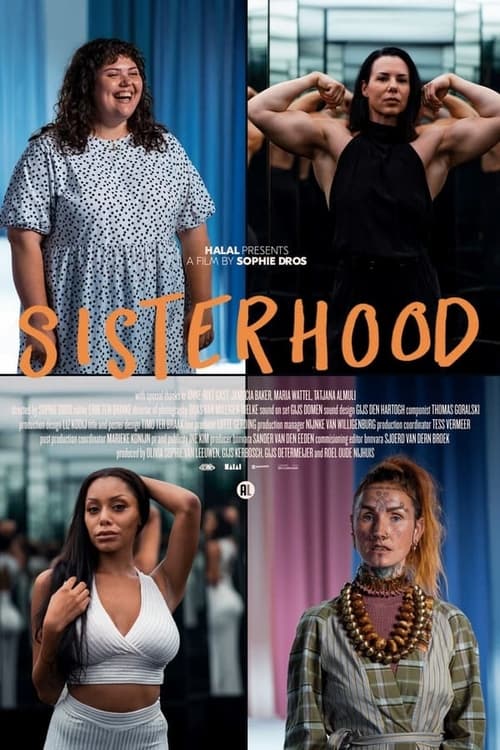
Filmmaker Sophie Dros enters into a dialogue with strong women in a powerfull document about being a woman in the Netherlands today. Inspired by Simone de Beauvoir's essay The second sex, filmmaker Sophie Dros (winner of the NFF Debut Competition 2017) talks to four women and a group of young girls. Together they go in search of universal stories; about dealing with expectations, empathy and connection, desires, fear, need for confirmation and losing control.
Marie-Philip is a PhD student and part-time professor who loves cats and Harry Potter. But one week before her 29th birthday, she is diagnosed with breast cancer. For a year, without false modesty, we follow her through each step as she confides in us with shocking honesty. An ode to life, to courage and to the resilience of all those who fight every day against disease.
Dona welcomes us inside the parisian erotic cabaret she works at. The hollow corridors act as a second stage where she and her colleagues get ready and share their thoughts.
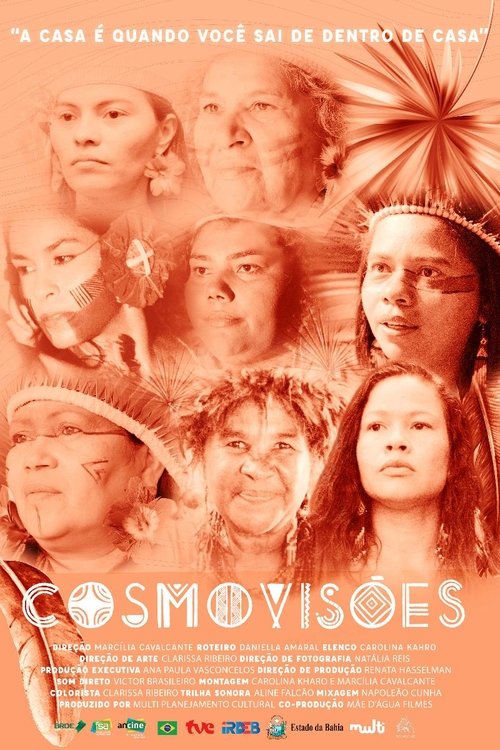
In Southern Bahia, seven indigenous women invite to reflection, sharing their mythology, ancestry and paths to living well.
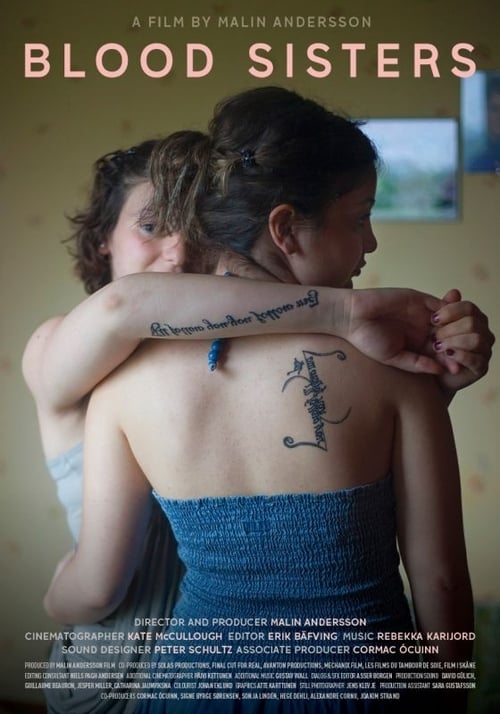
Julia and Johanna, from the high-rise flats of Rosengård in Malmö, inseparable for as long as they remember. Curled up beside each other at night, carrying equal memories of abduction and abuse in their home country Azerbaijan. In Blood Sisters we follow their journey from twin sisters in symbiosis to young women trying to stand on their own feet.
A joyous glimpse into skateboarding through the eyes of a global, muslim girls' skate crew- as they find their feet through faith and sisterhood, tenderly redefining what it means to be a 'skater.'
Two sisters in their early thirties find themselves isolated in the Aegean summer cottage of their childhood, as they must deal with their uneasy sibling relationship and confront their devastating recent past past.
Following the arrival of an unwanted guest, the tightly-knit bond between two sisters is put to the test when their idyllic playdate takes a dark turn. Supported by The Future of Film is Female, ALBION ROSE is a late bloomer's coming-of-age drama with hints of magical realism and dark fairytale elements that paint a delicate, yet emotionally charged portrait of sisterhood, loss, and the healing powers of fantasy.
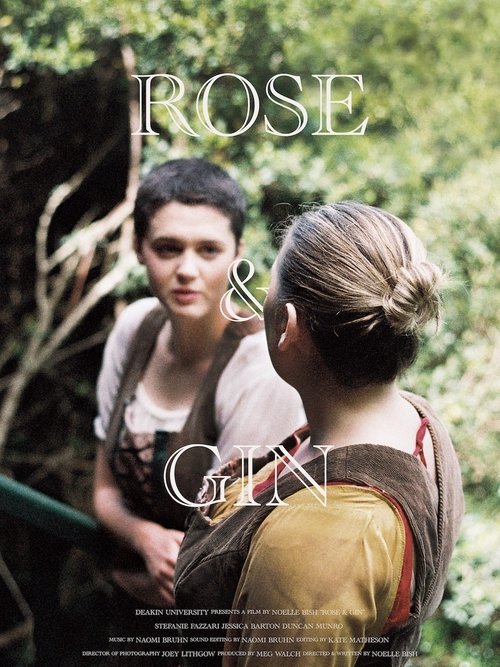
Set in 1850s Naples, Italy, two sisters are getting ready for a wedding, but neither of them wants to acknowledge their inevitable parting of ways.
In 1971, a young woman moves from the French countryside to Paris and begins a passionate love affair with a feminist leader.