An experimental documentary portrait of director Malcolm Quinn Silver-Van Meter's grandfather
Malcolm Quinn Silver-Van Meter
as Himself

Donald Silver
Barbara Silver
as Herself
A video reconstruction of the 1977 Wooster Group production Rumstick Road, an experimental theater performance created by Spalding Gray and Elizabeth LeCompte after the suicide of Gray's mother. Archival recordings are combined with photographs, slides, and other materials to recreate the original production.
Follows the story of "Grizzly Man" Timothy Treadwell and what the thirteen summers in a National Park in Alaska were like in his attempt to protect the grizzly bears. The film is full of unique images and a look into the spirit of a man who sacrificed himself for nature.
The world appears black on black until it separates from itself, looks at itself, includes itself, and sees colour.
For the first time, Betsy Palmer does a one-on-one sit down interview - just her and the camera. During this hour long conversation, she talks about her roles on Broadway and on television, starring in motion pictures like Mr. Roberts with Henry Fonda and Jack Lemmon, Queen Bee with Joan Crawford, Friday the 13th and her latest motion picture Bell Witch: The Movie. She also candidly discusses life and her past during this once in a lifetime interview. -Written by Amanda Maples
Biography of a star and figure study : This fascinating portrait is for anyone who wants to know more about the man behind the mask. By the end of the film, you will view this famous French icon in a totally different light. Delon speaks in a series of surprising interviews, spanning nearly 50 years.
The documentary about the life of Fernando Pessoa, defended by journalist Clara Ferreira Alves, underlines how, in just 30 years, Fernando Pessoa built an immense body of work, of astonishing quality and all of this while being nothing more than an anonymous office worker all his life.
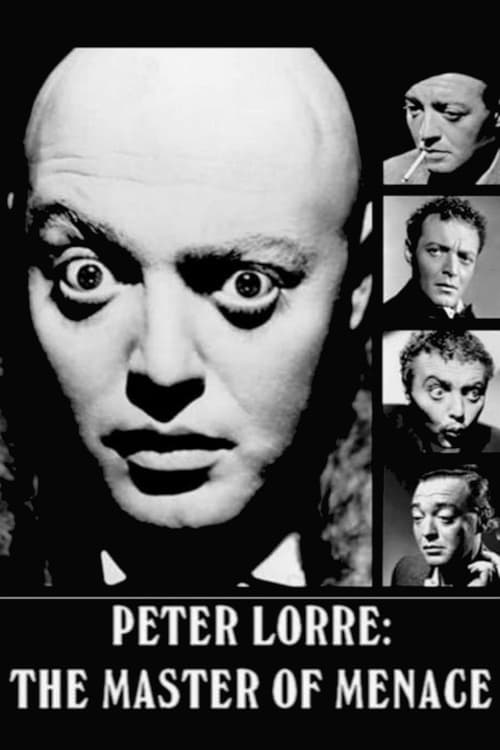
Documentary overview of Peter Lorre's ascension to fame as a master purveyor of silky but disquieting peril.
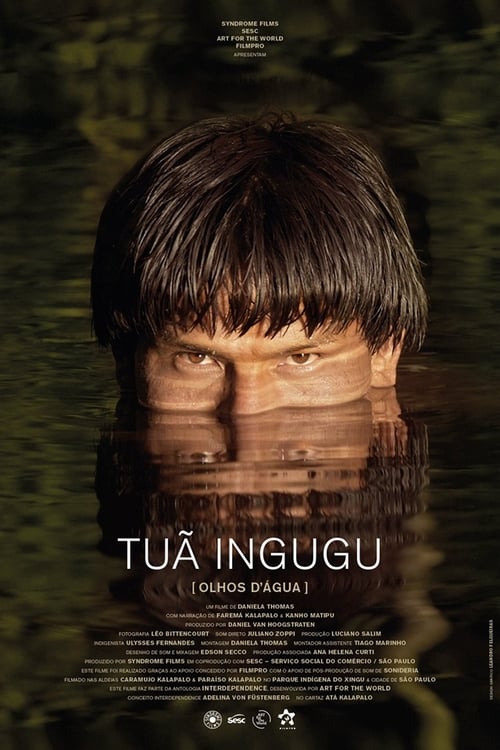
In the Kalapalo cosmogony (an ethnic group that lives in the Xingú Indigenous Park), water is as old as humans and is the source of life. That is where all their sustenance comes from, their food, their drink, their joy. The idea of using water as a dumpster, of poisoning water is a dystopia. In this documentary Chief Faremá —from Caramujo village on the banks of the Kuluene River— tells us about the birth of water and warns us about the consequences of disrespecting it.
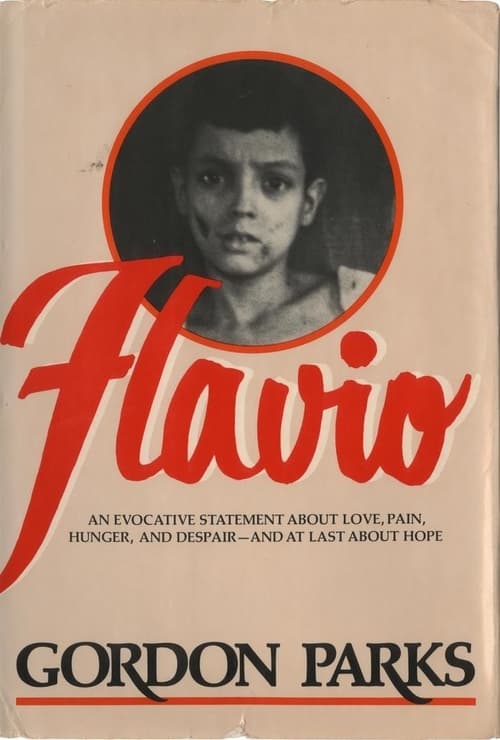
Documentary about a boy living with his family in extreme poverty in Rio de Janeiro.
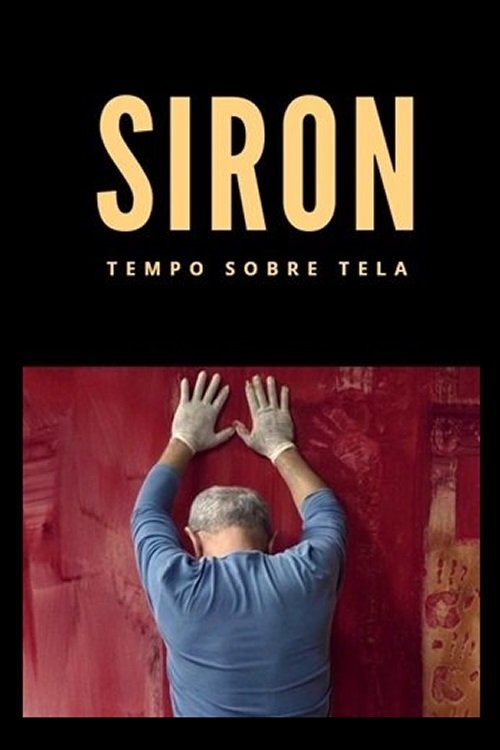
A documentary on Brazilian artist Siron Franco.
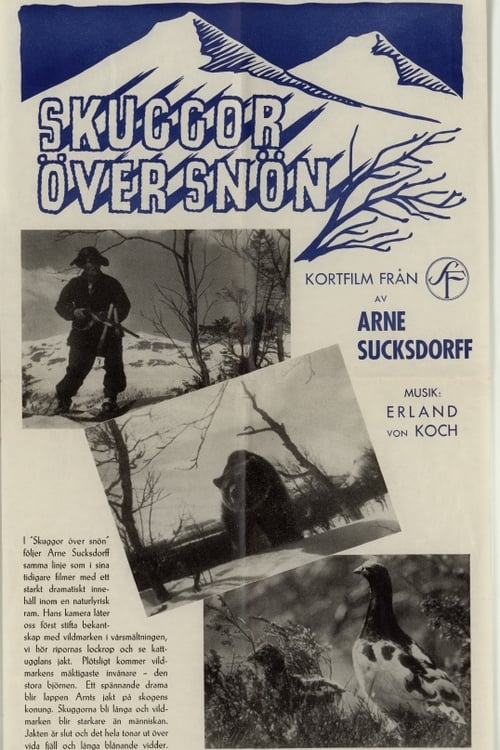
A nature documentary about the predators in the Swedish winter mountains: the owl, the bear and man.
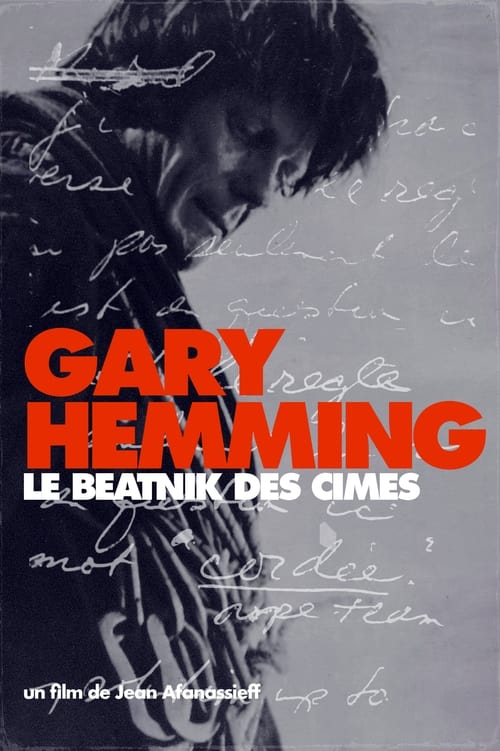
The American mountaineer Gary Hemming marked the era of the 1960s. The story of this "exceptional" character is intimately linked to that of the rescue of the two German mountaineers on the west face of the Drus, in 1966, a rescue which he had took the initiative. While the official emergency services of the EHM try to reach them from above, a pirate rope made up of Gary Hemming, René Desmaison, Lothar Mauch, Gil Bodin, Mike Brurke, François Guillot, the filmmaker Gérard Bauer organizes to join them from below and succeeded after a fierce struggle the rescue. The press seizes the event and elevates Gary Hemming to the rank of national hero. All the newspapers feature this big guy with a cool attitude, mismatched clothes, jovial smile and long blond hair on the front page. From then on, he was nicknamed: "the beatnik of the peaks".
A documentary written by Kane McKay, a returned military serviceman, about Bob Quinn, a recipient of the Military Medal for his heroic actions in World War II in Tobruk, 1941, and also champion player for a number of years at the Port Adelaide Football Club.
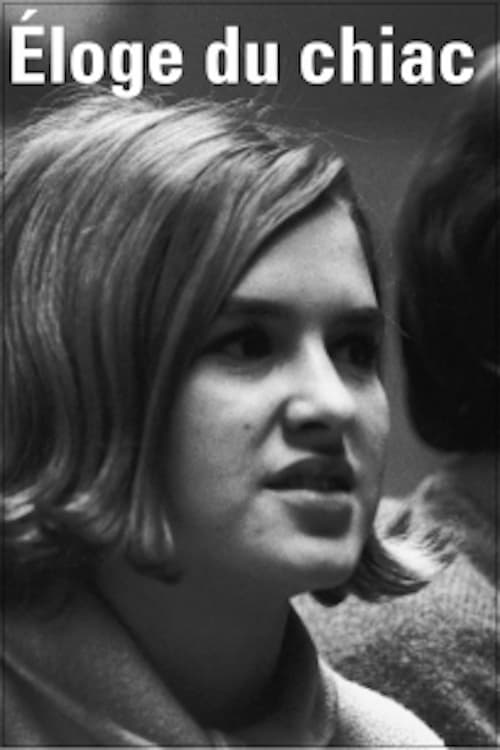
Set in New Brunswick, "Éloge du chiac" takes the form of an open discussion between a young French-language teacher and her students in Moncton. Through their exchanges, Michel Brault examines the challenges of preserving French in a bilingual region where English predominates, and explores the contested status of Chiac, a local French dialect shaped by centuries of linguistic contact.