A film on feminine legacy of rebellion, language and transgressions. Using the composition of Mahadevi Akka, a 13th century saint-poet, the film explores the multiplicity of contemporary women and their own points of transgressions.
Seema Biswas
as
Sabitri Heisnam
Harish Khanna
At a 2012 pre-season high-school football party in Steubenville, Ohio, a young woman was raped by members of the beloved high school football team. The aftermath exposed an entire culture of complicity—and Roll Red Roll maps out the roles that peer pressure, denial, sports machismo, and social media each played in the tragedy.
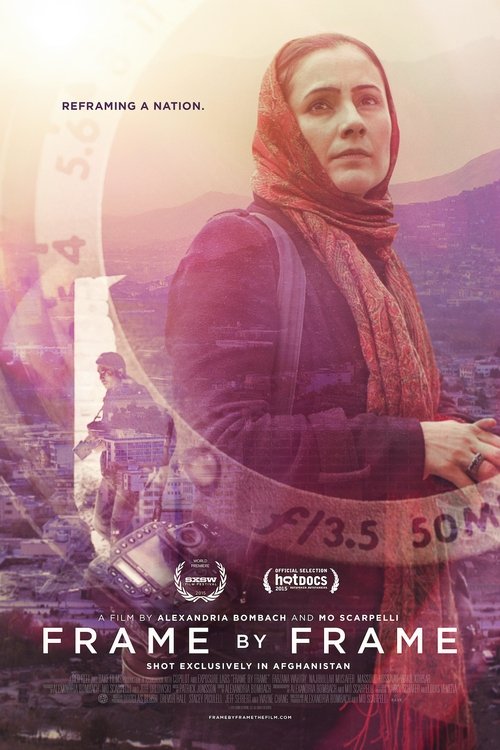
When the Taliban ruled Afghanistan, taking a photo was a crime. After the regime fell from power in 2001, a fledgling free press emerged and a photography revolution was born. Now, as foreign troops and media withdraw, Afghanistan is left to stand on its own and so are its journalists. Set in a modern Afghanistan bursting with color and character, FRAME BY FRAME follows four Afghan photojournalists navigating a dangerous media landscape as they reframe Afghanistan for the world, and for themselves. Through cinema vérité, powerful photojournalism, and never-before-seen footage shot in secret during the Taliban regime, the film connects an audience with four humans in the pursuit of the truth.
Sparked by a public display of sexual harassment in 2012, GTFO pries open the video game world to explore a 20 billion dollar industry riddled with discrimination and misogyny. Every year, the gaming community grows increasingly diverse. This has led to a clash of values and women are receiving the brunt of the consequences every day, with acts of harassment ranging from name calling to death threats. Through interviews with video game creators, journalists, and academics, GTFO paints a complex picture of the video game industry, while revealing the systemic and human motivations behind acts of harassment. GTFO begins the conversation that will shape the future of the video game world.
A WOMAN LIKE ME is a hybrid documentary that interweaves the real story of director Alex Sichel, diagnosed with metastatic breast cancer in 2011, with the fictional story of Anna Seashell, who struggles to find the glass half full when faced with the same diagnosis. The film follows Alex as she uses her craft to explore what is foremost on her mind while confronting a terminal disease: parenting, marriage, faith, life, and death. When we are stuck between a rock and hard place, can our imagination get us out?
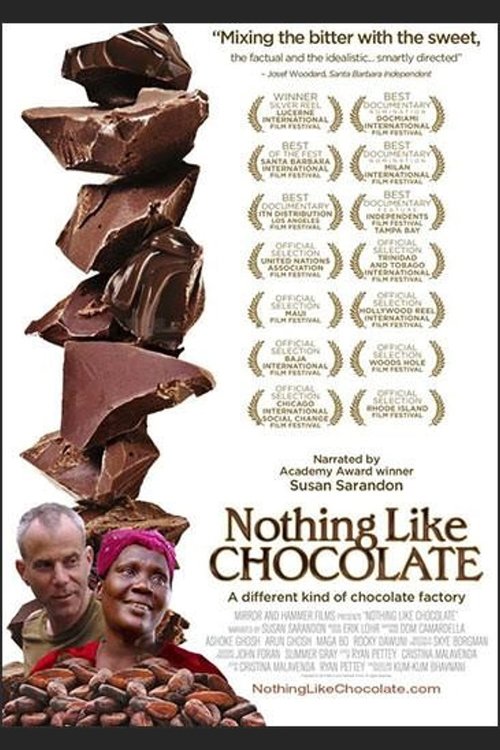
Deep in the rain forests of Grenada, anarchist chocolatier Mott Green seeks solutions to the problems of a ravaged global chocolate industry. Solar power, employee shareholding and small-scale antique equipment turn out delicious chocolate in the hamlet of Hermitage, Grenada. Finding hope in an an industry entrenched in enslaved child labor, irresponsible corporate greed, and tasteless, synthetic products, Nothing like Chocolate reveals the compelling story of the relentless Mott Green, founder of the Grenada Chocolate Company.
"Soul In The Hole" is a documentary depicting the lives and struggles of a team of street-basket players aspiring to win the prestigous tournament which the movie's named after while at the same time balancing their personal issues and problems.
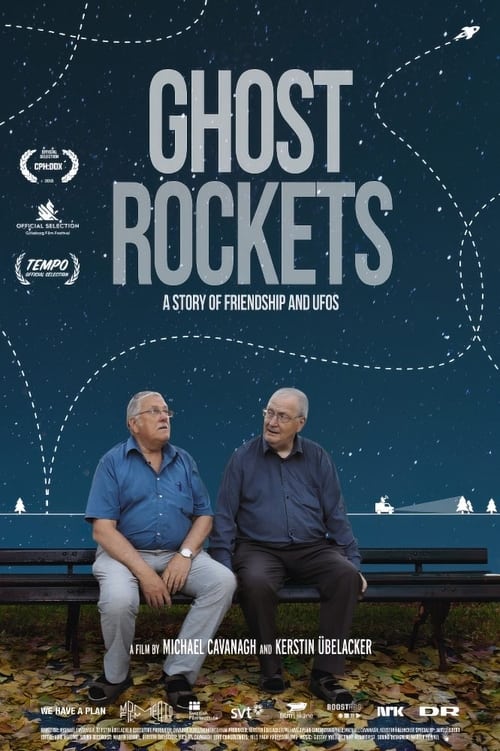
Ghost Rockets centers on human desire to explore and explain the unknown. The film weaves together an ambitious UFO investigation with a personal story that gives a rare insight into the hearts and minds of a UFO-investigator. Every year, the organization UFO‐Sweden receives numerous reports about inexplicable occurrences ‐ usually dismissed as having to do with the moon, airplanes, satellites or mental instability on the part of the witness. Sometimes, though, they get a report that they are unable to explain, one of them being the story of the ghost rocket.
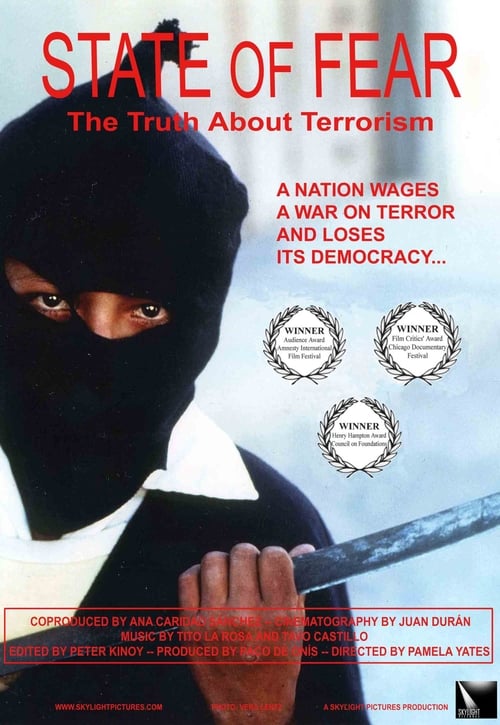
STATE OF FEAR takes place in Peru, yet serves as a cautionary tale for a world engaged in a "global war on terror." It dramatizes the human and societal costs a democracy faces when it embarks on a "war" against terror, a "war" potentially without end, all too easily exploited by unscrupulous leaders seeking personal political gain.
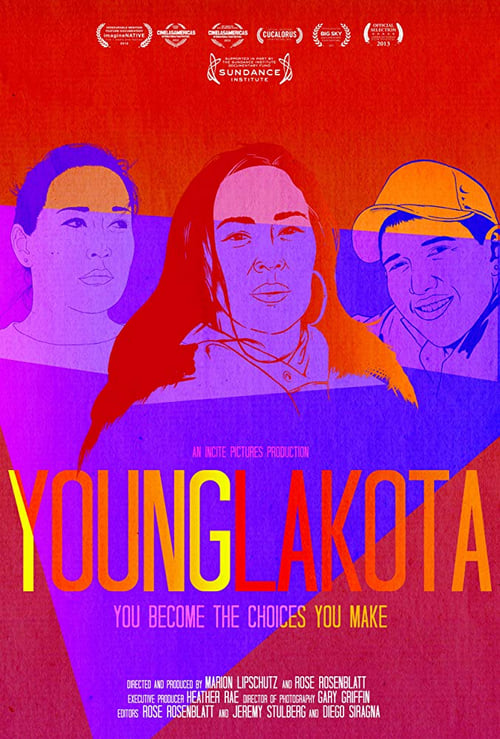
Three young people living in South Dakota's Pine Ridge Reservation are faced with difficult challenges.
Maya Deren's Sink, a 30 minute experimental film, is an evocative tribute to the mother of avantgarde American film. The film calls forth the spirit of one who was larger than life as recounted by those who knew her. Teiji Ito's family, Carolee Schneemann and Judith Malvina, float through the homes recalling in tiny bits and pieces words of Deren's architectural and personal interior space. Clips from Maya Deren's films are projected back into the spaces where they were originally filmed appearing on the floorboard, furniture, and in the bowl of her former sink. Fluid light projections of intimate space provide an elusive agency for a filmmaker most of us will never know as film with its imaginary nature evokes a former time and space.
In okay bye-bye, so named for what Cambodian children shouted to the U.S. ambassador in 1975 as he took the last helicopter out of Phnom Phenh in advance of the Khmer Rouge, Rebecca Baron explores the relationship of history to memory. She questions whether, "image and memory can occupy the same space." Building on excerpts from letters, found super-8 footage of an unidentified Cambodian man, iconographic photographs from the Vietnam War and other partial images, Baron combines epistolary narrative, memoir, journalism, and official histories to question whether something as monumental as the genocidal slaughter of Cambodians during the Pol Pot regime can be examined effectively with traditional methodologies.
Penthesilea, the first of six films made by Laura Mulvey and Peter Wollen, traverses thousands of years to look at the image of the Amazonian woman in myth. It asks, among other questions, is the Amazonian woman a rare strong female image or is she a figure derived from male phantasy? The film explores the complexities of such questions, but does not seek any concrete answers.
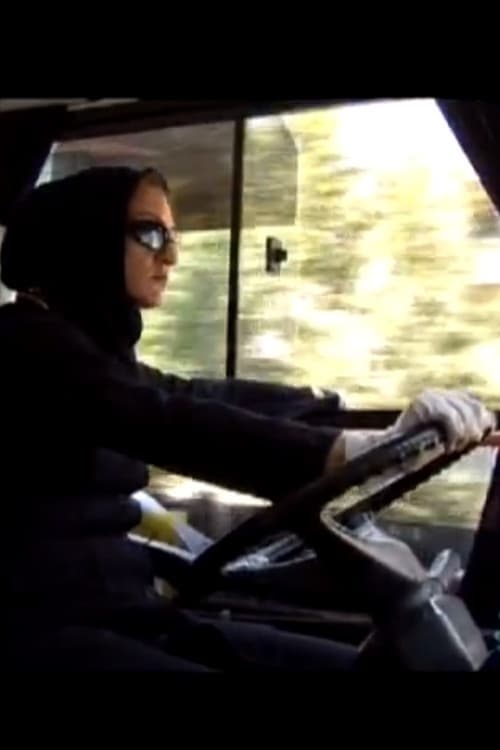
In the male dominated society of Iran, Farahnaz Shiri, the first female bus driver in Tehran, has made her own little society in her bus. In Iran there are different sections for men and women on public buses. Women should enter buses from the back door, which is separated from men’s entrance, and should sit or stay in a limited zone at the end of the buses which is separated from men’s zone. But in Mrs. Shiri’s bus everything is vice-versa. She is the governor and the only law maker of her own little society. In her bus, men must enter from the backdoor entrance and must sit or stay in the limited zone at the end of the bus. Mrs. Shiri is struggling to prove herself in this society and resisting a series of injustices that she faces as a woman in the Iranian society.
A glimpse into the world of the women who create and consume romance novels.