At Western Australia’s first Indigenous-run police station, two officers learn language and culture to help them police one of the most remote beats in the world.
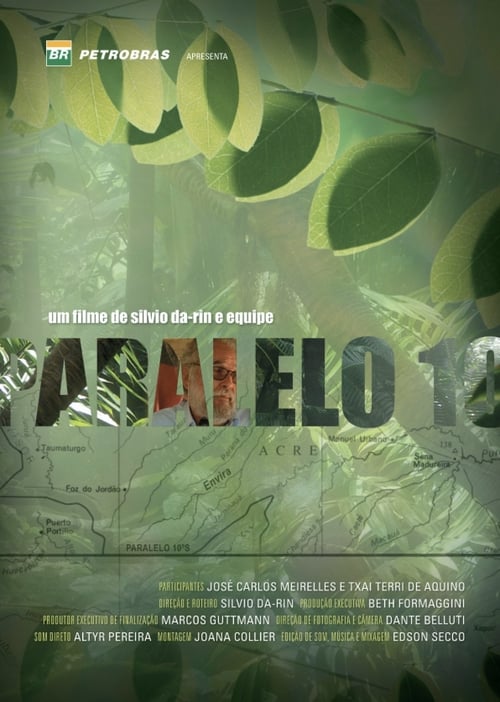
It portrays a pioneering and risky work carried out in a small Xinane base, by FUNAI, near Parallel 10º South, west of Acre, on the border with Peru. In simple installations, in the middle of the jungle, the sertanista José Carlos Meirelles carries out the difficult mission of protecting the isolated Indians of the region, with the help of anthropologist Terri Aquino. With few resources, specialists perform their tasks tirelessly. In addition to carrying out a permanent negotiation with the riverside populations in the area, they also deal with the confrontation with traffickers and squatters who try to invade it.
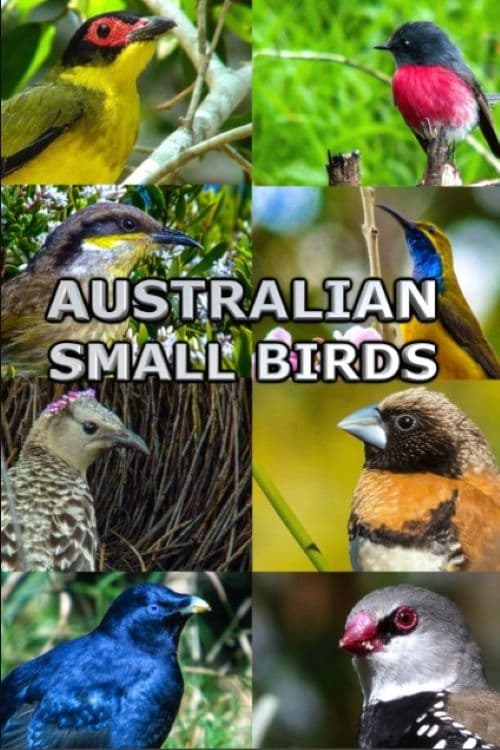
Over 100 passerines filmed all over the Continent in their natural habitats, with their song or call and/or the ambient sound. A narration about their features or behavior, years of filming compilation and a life time experience as photographer/birder.
An amateur documentary crew dive into a growing opioid epidemic within Australia's Capital only to discover horrifying truths.
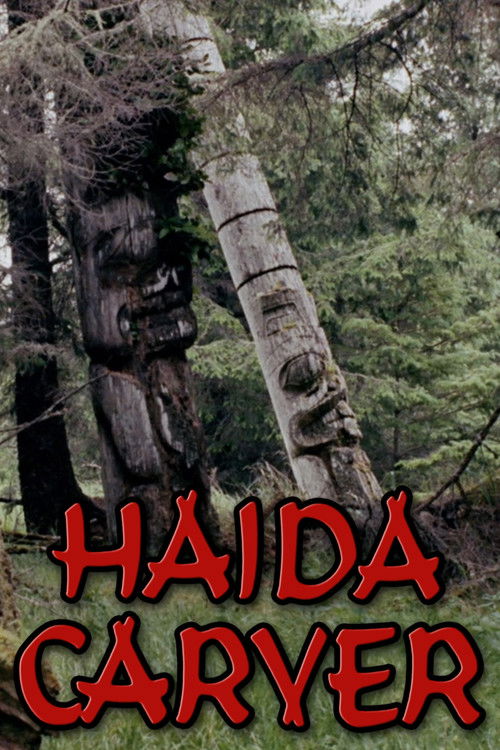
On Canada's Pacific coast this film finds a young Haida artist, Robert Davidson, shaping miniature totems from argillite, a jet-like stone. The film follows the artist to the island where he finds the stone, and then shows how he carves it in the manner of his grandfather, who taught him the craft.
Roman Kemp: Our Silent Emergency is a deeply personal and candid film following Roman as he explores the mental health and suicide crisis affecting young men in the UK.
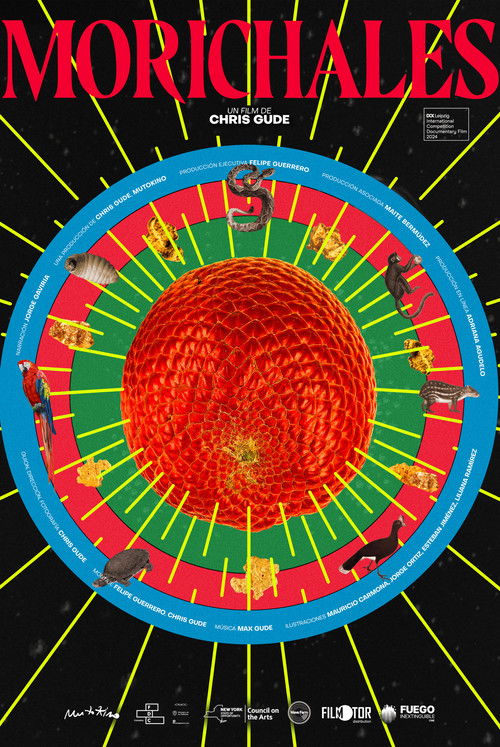
In Venezuelan Guayana, large gold reserves lie beneath “moriche” palms, attracting multitudes of miners to the territory. A fictional explorer narrates a journey from far-flung mines in the jungle to the banks of the Orinoco River, trying to understand the uncertain fortune of humanity immersed in the anxious quest for treasure. His reflections combine illustrations and photochemical paintings to draw a map of the extraction and commercialization of gold, object and symbol through which he questions where value resides.
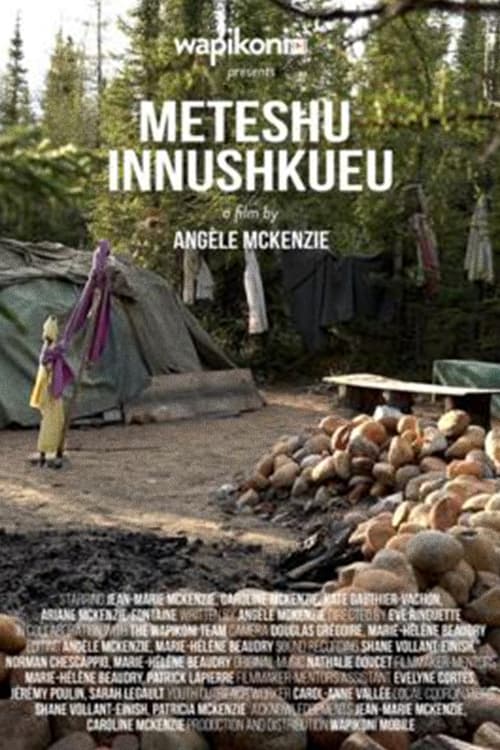
A young woman talks about her journey, which took her from her original community to an urban environment. After experiencing a culture shock in the city, this is where she wants to live from now on. Iskwew-ishkueu: a gentle film born from a strength of resilience.
When most people think about Australia, they picture massive sandy beaches, singlet-clad locals drinking beer, and kangaroos bounding through the dusty red outback. Saris, musical numbers, and masala are the furthest from anyone's mind - unless of course, you're one of the millions of Bollywood fans from around the world.
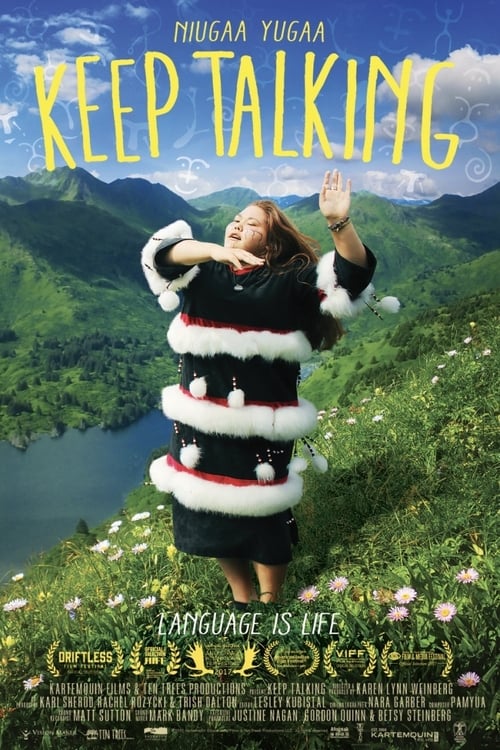
Three Alaska Native women work to save their endangered language, Kodiak Alutiiq, and ensure the future of their culture while confronting their personal demons. With just 41 fluent Native speakers remaining, mostly Elders, some estimate their language could die out within ten years. The small community travels to a remote Island, where a language immersion experiment unfolds with the remaining fluent Elders. Young camper Sadie, an at-risk 13 year old learner and budding Alutiiq dancer, is inspired and gains strength through her work with the teachers. Yet PTSD and politics loom large as the elders, teachers, and students try to continue the difficult task of language revitalization over the next five years.
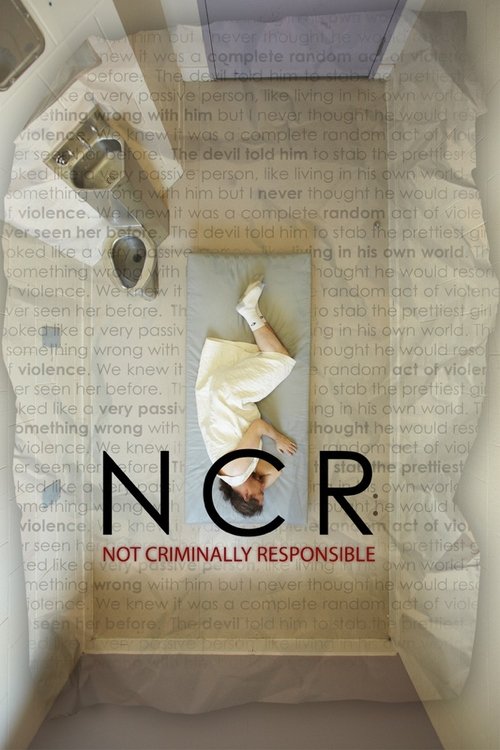
NCR: Not Criminally Responsible tells the story of a troubled young man who stabbed a complete stranger 6 times in a crowded shopping mall while gripped by psychosis. Twelve years later, his victim, who miraculously survived, is terrified to learn that he's out, living in the community under supervision. He's applying for an absolute discharge, and if he succeeds, he'll no longer be required to take the anti-psychotic drugs that control his mental illness. With unprecedented access to the patient, the victim, and the mental institution, the film looks at both sides of the debate and puts a human face on the complex ethical issues raised.
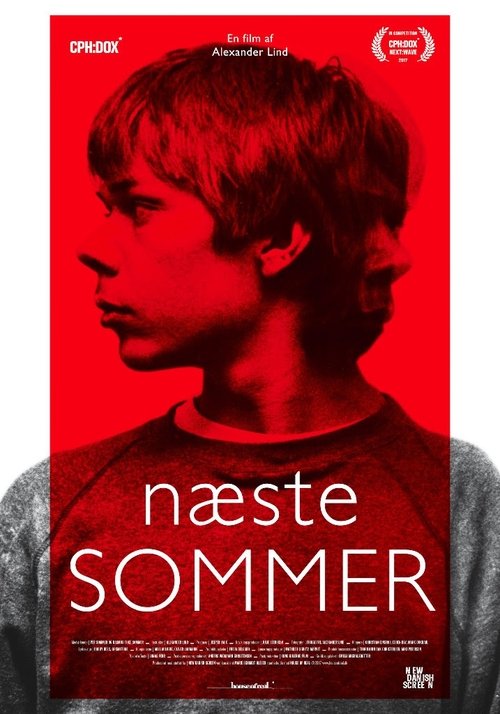
When Rasmus was 15, his mother and siblings moved from the island Bornholm and left Rasmus with his mentally ill father. Influenced by his father's insecurity, anger and failure, Rasmus chooses to move from Bornholm at the age of 18. Two years later, Rasmus is trying to see if a reunion is possible, but in order to forgive and create a new relationship, father and son must go on a common journey that requires extreme courage and determination to succeed.
Alanis Obomsawin, a North American Indian who earns her living by singing and making films, is the mother of an adopted child. She talks about her life, her people, and her responsibilities as a single parent. Her observations shake some of our cultural assumptions.
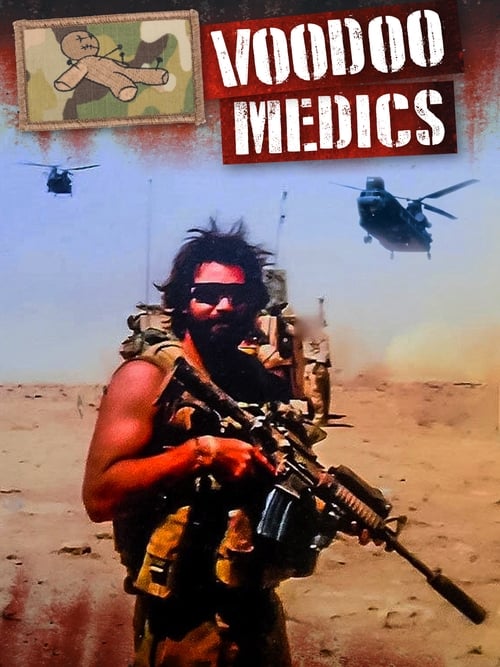
About trauma, resilience and post-traumatic growth in the medics who served with Australia's special forces in Afghanistan. From losing mates in the battlefield to treating horrifically injured Afghan kids in remote surgical theatres.