NASA's Aeronautics and Space Reports for 1968 features 12 monthly reports (#38 through #49) that cover a wide variety of topics. Each of the reports is around 4 1/2 minutes long, with a longer recap in the December report.
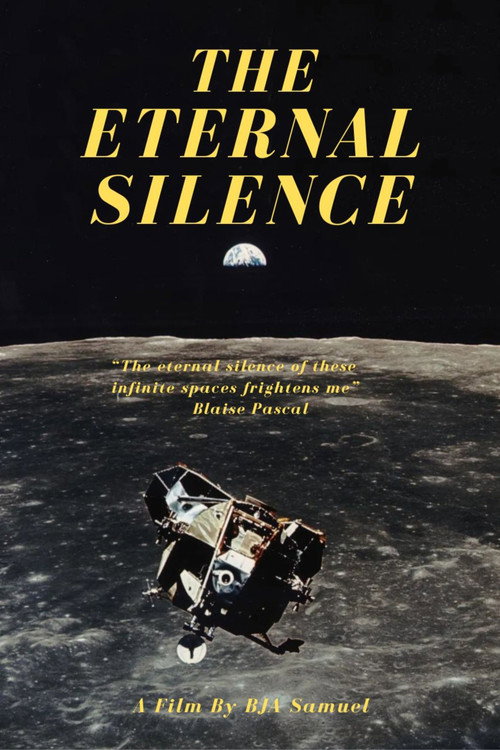
An philosophical film assembled from archival NASA footage exploring humanity’s search for meaning in the silence of space.
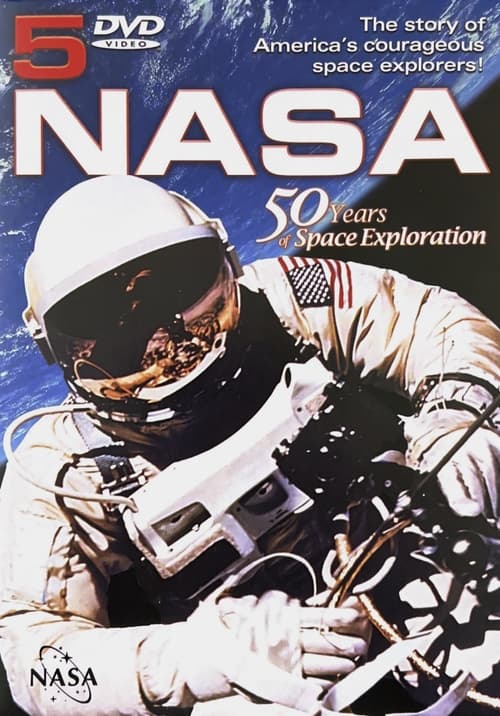
Volume 1 of this extraordinary series explores the beginnings of the American space program from the early Mercury flights to the breathtaking Moon landing on July 20, 1969. includes: Freedom 7, The Voyage of Friendship 7, The Four Days of Gemini 4, This is Houston Flight, Gemini VIII, Apollo 11: The Eagle Has Landed
Volume 2 traces the epic Apollo missions that transformed the space program, especially the courageous story of Apollo 13. Plus, it’s détente in space with the docking of Apollo and Soyuz! Includes: Apollo 13:"Houston We've Got a Problem", Apollo 15: In the Mountains of the Moon, Apollo 16: Nothing So Hidden, Apollo 17: On the Shoulders of Giants, The Mission of Apollo-Soyuz
Volume 3 continues the adventure of a lifetime! This very special edition details the remarkable story of Skylab, while exploring the dramatic story of Bold Technological advances. Includes: Skylab: The First 40 Days, Four Rooms: Earth View, Opening New Frontiers, We Deliver, Launch and Retrieval of Satellites
Volume 4 explores in stunning detail the tragic Challenger disaster and its aftermath – while affirming the triumph of the human spirit with a unique perspective on NASA’s 25 year history. Includes: Satellite Repairs, Challenger: Disaster and Investigation, NASA: The 25th Year
Volume 5 is the grand finale of this epic series, featuring fascinating behind-the-scenes stories that you’ll enjoy for many years to come, from space stations to Columbia to Mars – and beyond! Includes: Living in Space: This is the International Space Station, Eyes in the Sky: Spy Satellite, One American Legend: John Glenn Returns to Space, Looking for Creation: This is the Hubble Telescope, Where No Man Has Gone: Mars and Beyond, The Story of Columbia, Epilogue: A Look Into the Future
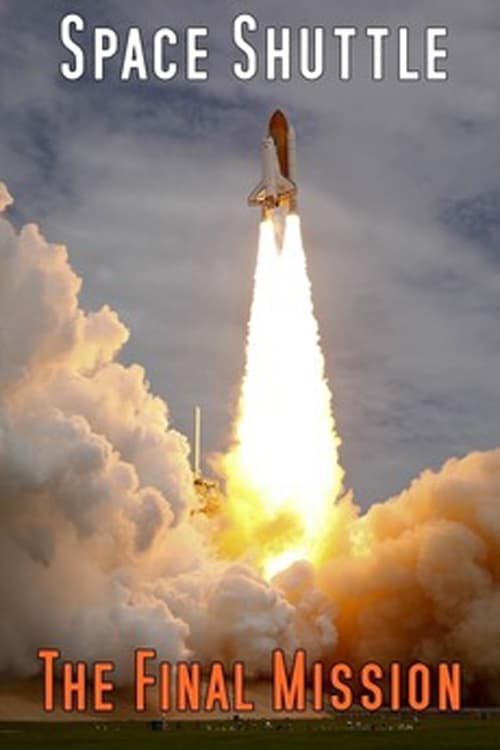
In the last month of the space shuttle programme, Kevin Fong is granted extraordinary access to the astronauts and ground crew as they prepare for their final mission. He is in mission control as the astronauts go through their final launch simulation, and he flies with the last shuttle commander as he undertakes his last practice landing flight. Kevin also gains privileged access to the shuttle itself, visiting the launchpad in the company of the astronaut who will guide the final flight from mission control.
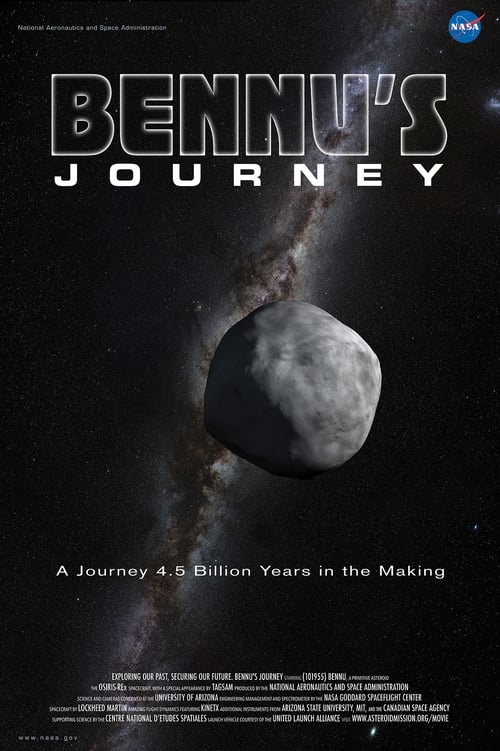
A 6-minute animated movie about NASA's OSIRIS-REx mission, asteroid Bennu, and the formation of our solar system.
Using extraordinarily high resolution data sets from some of the most innovative and powerful scientific instruments ever built, the media team at NASA Goddard presents PURSUIT OF LIGHT. The presentation showcases top level goals of NASA's Science Mission Directorate, with an eye toward capturing the imagination of mainstream audiences. Data visualizations at resolutions far greater than HDTV present NASA's science goals like never before. Interspersed with inventive live action footage also designed to make use of that vast canvas, this six and a half minute presentation captivates and moves viewers.
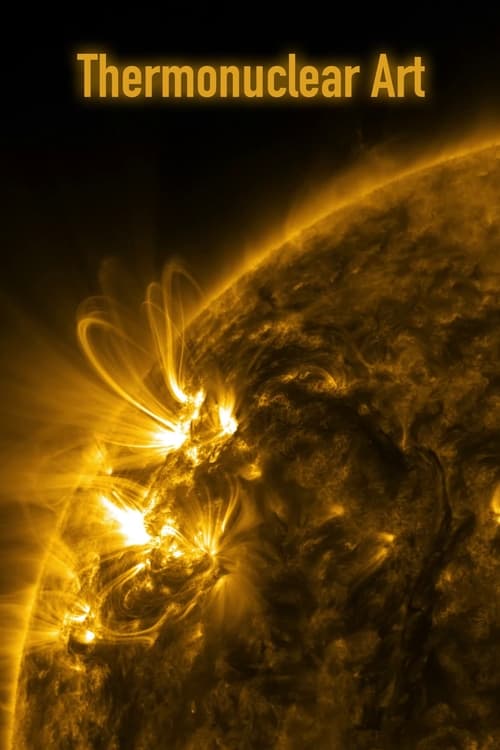
The sun is always changing and NASA's Solar Dynamics Observatory is always watching. Launched on February 11, 2010, SDO keeps a 24-hour eye on the entire disk of the sun, with a prime view of the graceful dance of solar material coursing through the sun's atmosphere, the corona.
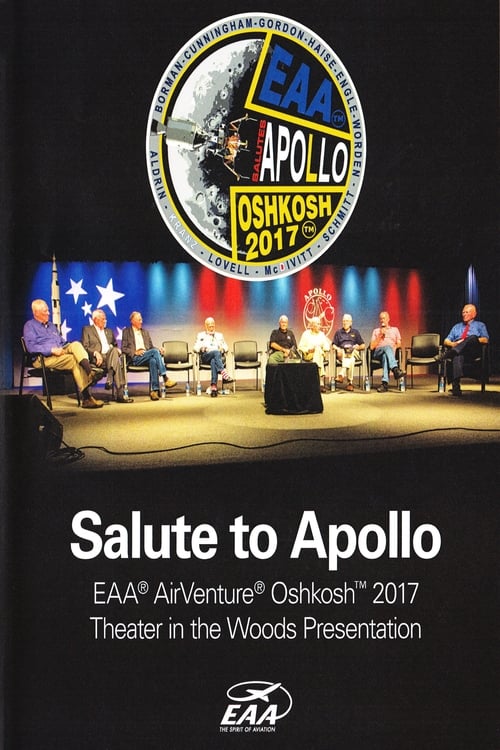
In this video, you can hear their stories in their own words. David Hartman hosts a Salute to the Apollo Program featuring astronauts Walt Cunningham, Frank Borman, Jim Lovell, Buzz Aldrin, Dick Gordon, Fred Haise, Al Worden, Jack Schmitt, Joe Engle, and flight director Gene Kranz.
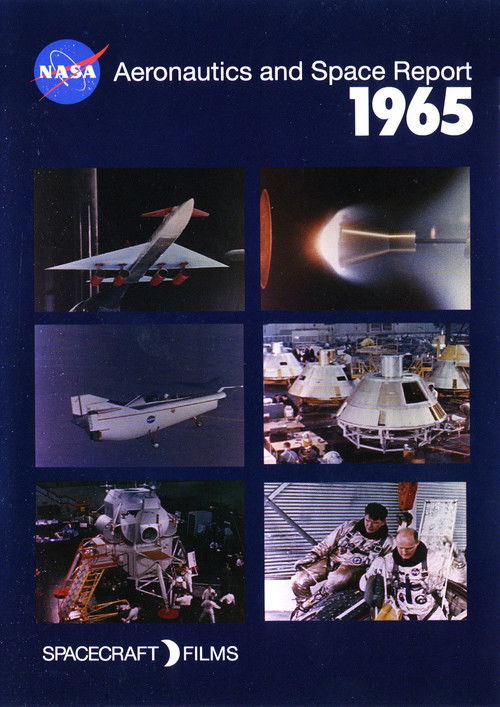
NASA's Aeronautics and Space Reports for 1965 features 12 monthly reports (#1 through #12) that cover a wide variety of topics. Each of the reports is around 4 1/2 minutes long, with a longer recap in the December report.
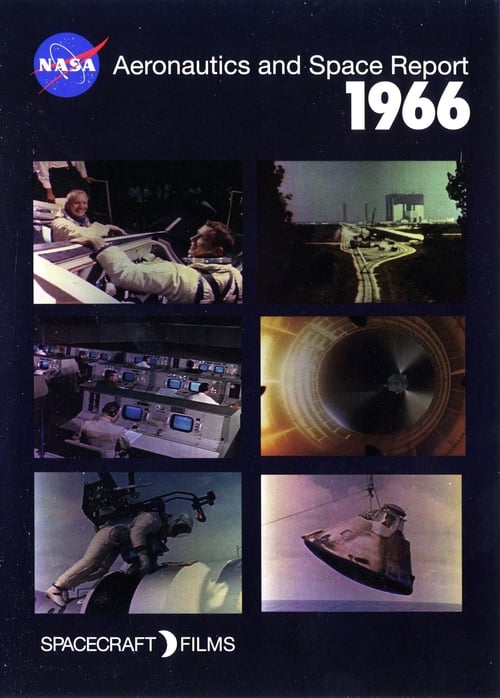
NASA's Aeronautics and Space Reports for 1966 features 12 monthly reports (#13 through #24) that cover a wide variety of topics. Each of the reports is around 4 1/2 minutes long, with a longer recap in the December report.
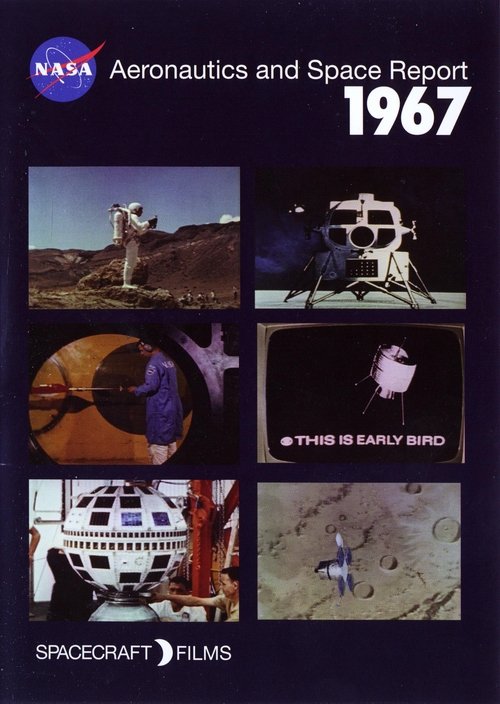
NASA's Aeronautics and Space Reports for 1967 features 13 monthly reports (#25 through #37) that cover a wide variety of topics. Each of the reports is around 4 1/2 minutes long, with a longer recap in the December report. In 1967 a longer report was produced in October for Langley's 50th Anniversary and a special report was produced on the first flight of the Saturn V, Apollo 4.
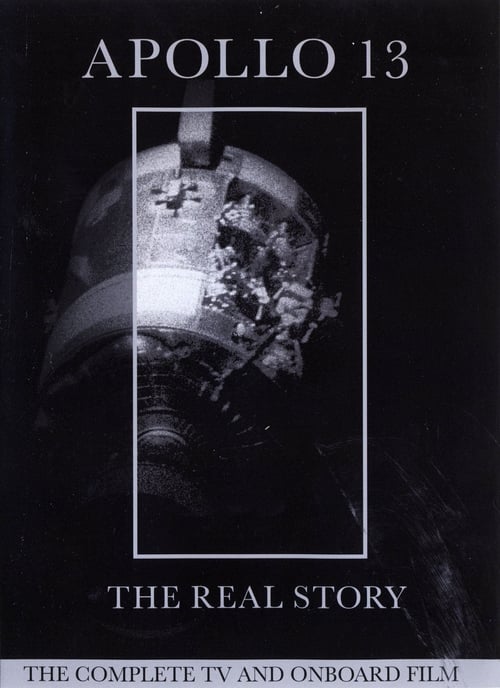
The mission of Apollo 13 was slated to be the third manned lunar landing mission, to the Fra Mauro region of the moon. Just two days out an oxygen explosion not only cancelled any hope of landing on the moon, but left the crew in mortal peril.
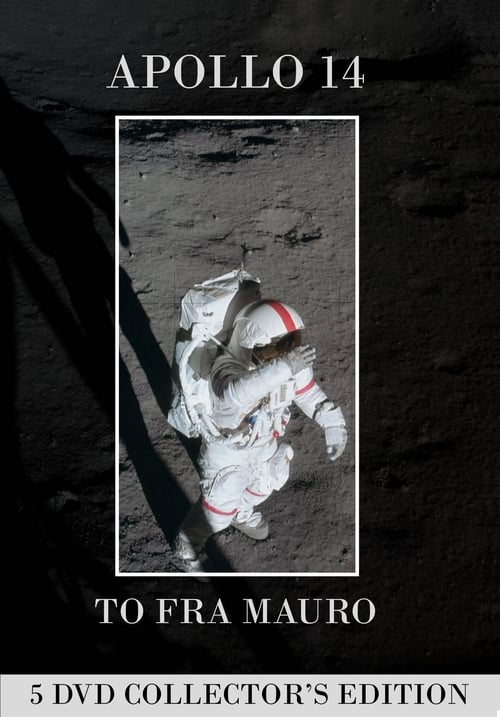
In January of 1971 the fourth manned mission to the moon was launched from Kennedy Space Center. Targeted at Fra Mauro highlands, astronauts Shephard and Mitchell would explore the surface, while Stu Roosa orbited above in the command module.
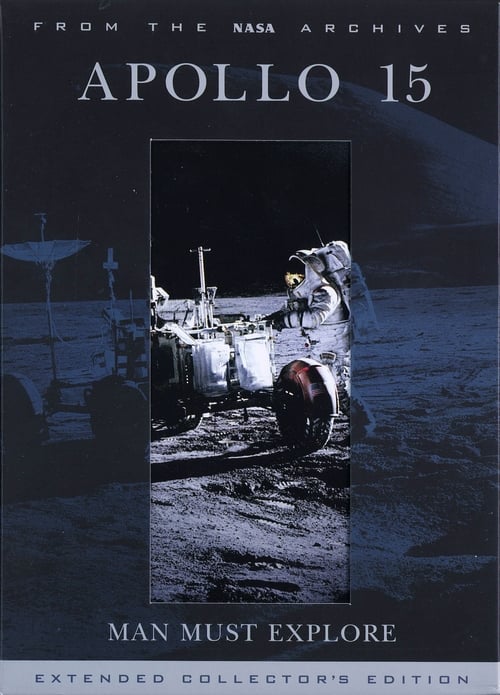
In July and early August of 1971, NASA embarked on an ambitious and challenging lunar mission - the journey of Apollo 15 to the Hadley-Apennine region.The first of the "J" lunar missions, Apollo 15 took the first Lunar Rover to the surface, allowing the crew to explore the beautiful region of Mt. Hadley and Hadley Rille over 3 days. New science was conducted in orbit as well, with the addition of an array of photographic and scientific instruments in the Apollo CSM.
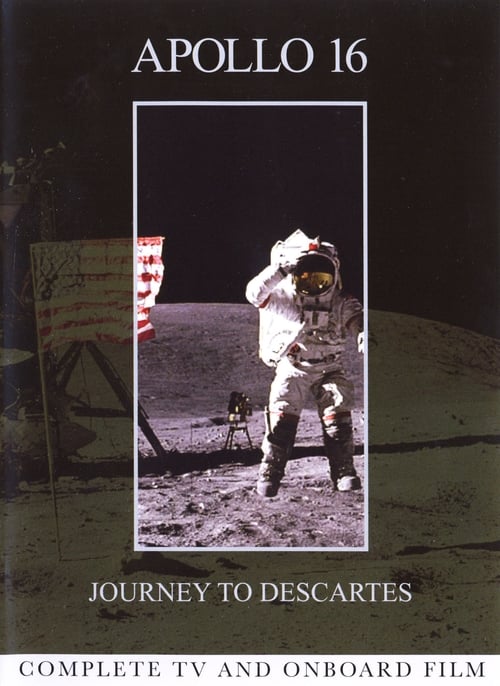
The fifth successful lunar landing mission, Apollo 16 was the second of NASA’s “J” lunar missions. With extended lunar stay times and the greater mobility afforded by the lunar rover, the final three Apollo lunar landing missions greatly expanded man’s first program of lunar exploration. John Young, Charlie Duke, and Ken Mattingly executed a spectacular mission to the Descartes highlands. The landing site lies in the central lunar highlands in hilly, grooved and furrowed lurain. The mission was the first to a lunar highlands area – quite different from any location previously visited. Young and Duke explored the site during 3 EVAs, while Mattingly conducted an extensive program of scientific observation from lunar orbit.
Material surrounding the development of the Apollo Manned Lunar Landing Project. These rare programs provide a unique glimpse into the development of the program at Johnson Space Center in the mid 1960's. The programs tend to be project, operational and spacecraft specific.