"Three Colours Cézanne" analyses the radical nature of Cézanne's painting, tracing its origins in the art of the nineteenth century and the work of the Old Masters while examining many of Cézanne's works in detail.
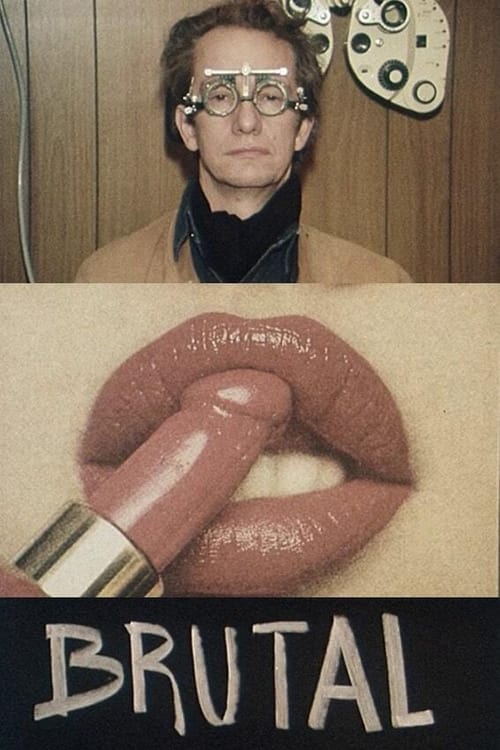
The concrete costs for culture and creativity is here illustrated in punchy images.
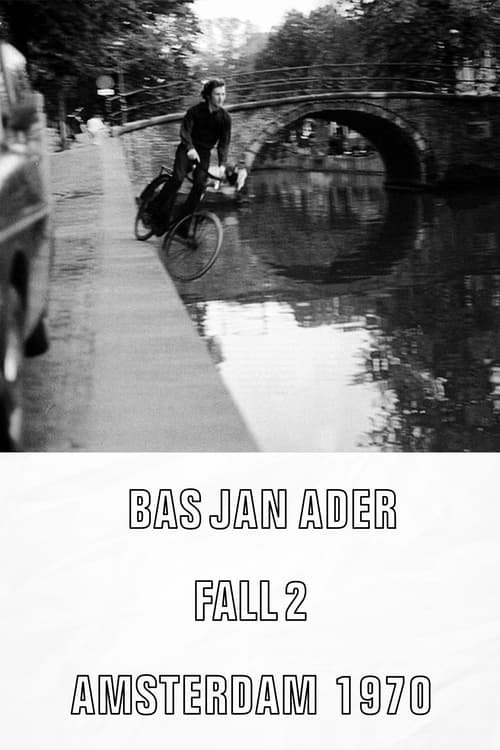
Bas Jan Ader rides his bike into a canal in Amsterdam.
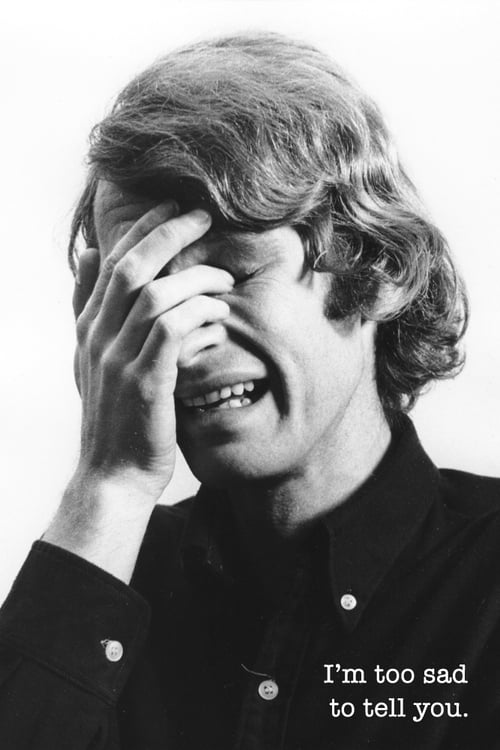
This short film is part of a mixed media artwork of the same name, which also included postcards of Ader crying, sent to friends of his, with the title of the work as a caption. The film was initially ten minutes long, and included Ader rubbing his eyes to produce the tears, but was cut down to three and a half minutes. This shorter version captures Ader at his most anguished. His face is framed closely. There is no introduction or conclusion, no reason given and no relief from the anguish that is presented.
Pop Goes the Easel was Ken Russell’s first full-length documentary for the BBC’s arts series Monitor. It focused on 4 British Pop Artists - Peter Blake, Peter Philips, Pauline Boty and Derek Boshier.
Experimental research and dissemination documentary about current contemporary art that compiles the opinions, experiences and anecdotes of artists, gallery owners, curators, museum directors and experts.
A journey into the hearts, minds and eyes of Georgia O’Keeffe, Emily Carr and Frida Kahlo - three of the 20th century’s most remarkable artists.
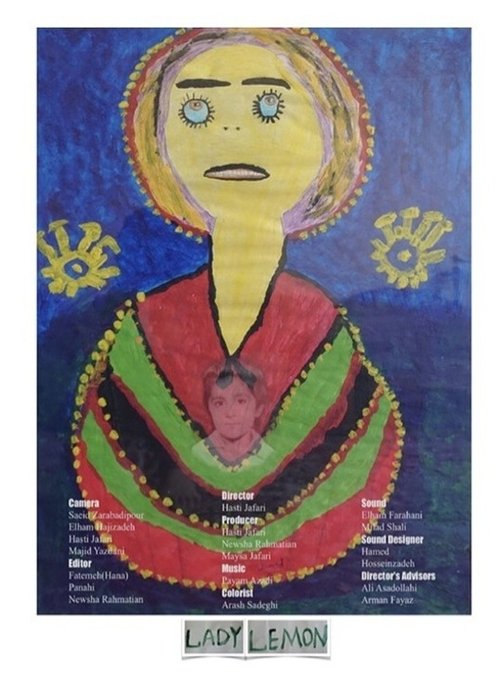
A woman named Limoo, a self-taught painter who starts painting after her son's death - continuously and non-stop - wants to continue his son's legacy. It looks like the son has been reincarnated in the mother's body. Limoo wishes to hang all her paintings on the walls of her home but the landlord doesn't give her permission!
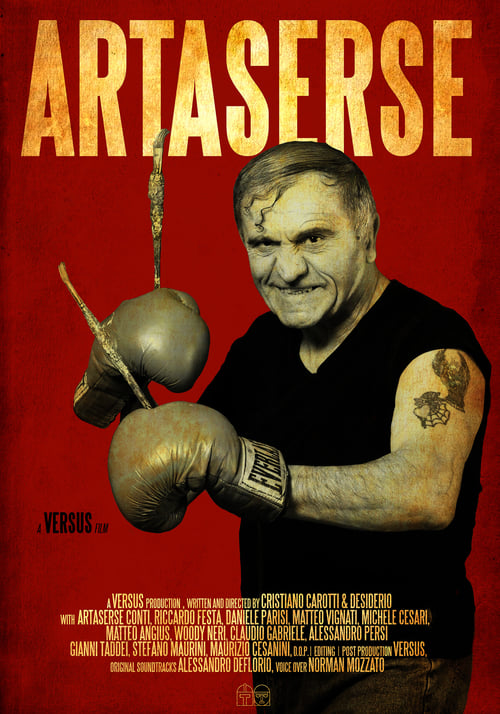
A one-of-a-kind cinematographic experiment. A grotesque fairy tale, staged in the real lives of the characters. A completely self-produced movie, designed and directed by two visual artists, with the purpose of telling the tale of Artaserse, a retired worker, boxer, trainer and life-long painter. Everything is staged in an industrial, now decadent Terni; like a steel bay without the sea, here it's difficult to dream about becoming an artist. This movie is like a suburban western movie; the boxer and the painting dancing the communal square dance together, in life and death, the meeting-match between Artaserse and an allegorical and remorseless art world, and more generically, the battle of all the colorful characters, appearing throughout.
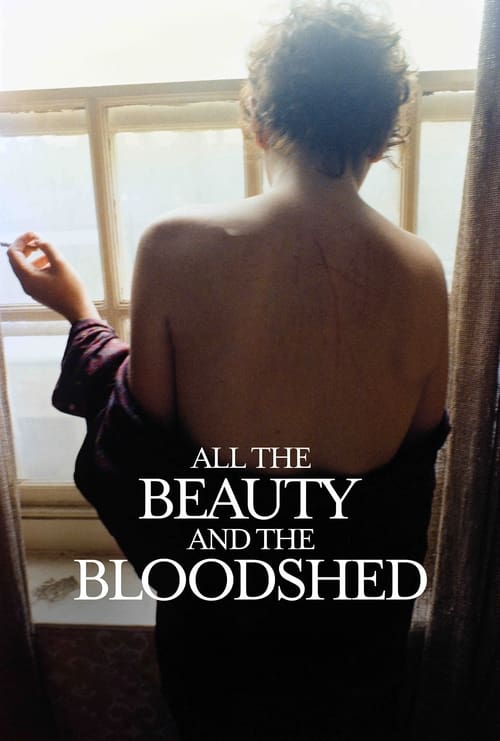
The life of internationally renowned artist and activist Nan Goldin is told through her slideshows, intimate interviews, ground-breaking photography, and rare footage of her personal fight to hold the Sackler family accountable for the overdose crisis.
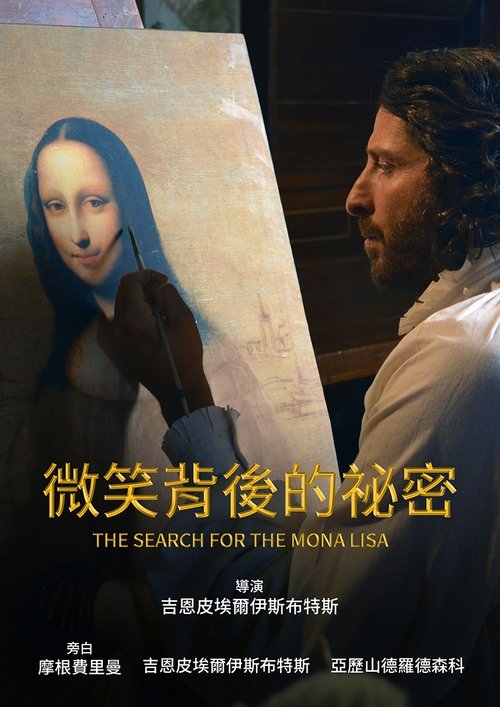
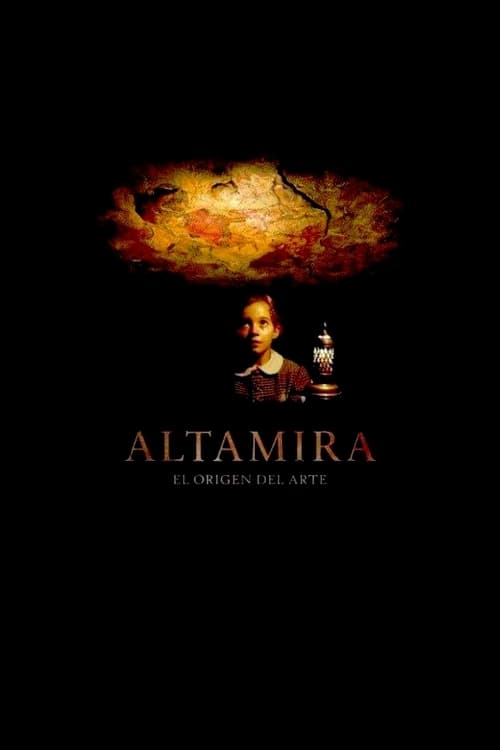
A documentary to 'rediscover' the so called Sistine Chapel of Rock Art and to tell the story of the discovery of a cave and some paintings that astonished the world 138 years ago. Filming this documentary lead its director, José Luis López Linares, through many rock caves around the world, grasping information about the life of the Magdalenian man -who lived twenty thousand years ago- and about an art form, the paintings, that make Altamira "the Prado museum of prehistory".
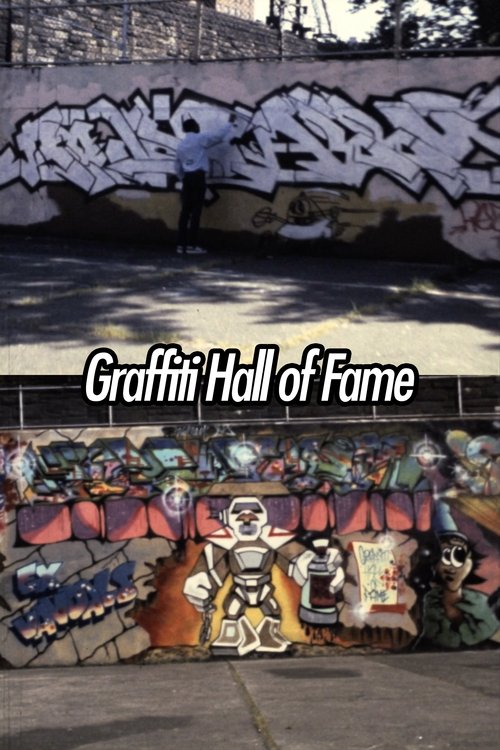
Documenting Graffiti culture in a basketball court in the Bronx. The filmmaker was accompanied by Martin Wong who said, "bring your camera". The Graffiti Hall of Fame is the result.
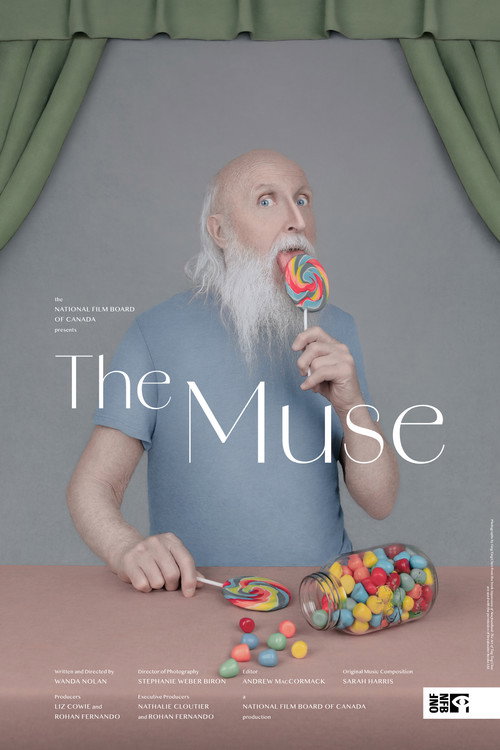
When 74-year-old Robert Tilley agreed to take photographer Ting Ting Chen on a road trip across Newfoundland, neither could have predicted the deep, cross-generational friendship that would blossom between them, nor how Robert's role in Ting Ting's art would challenge traditional ideas of the artist-muse relationship. This touching short film explores the concepts of aging, memory and identity while demonstrating the power of creative connection.
‘Death Sounds a Quiet Gong’ was originally screened at Village Works (12 St. Marks Place, New York City, NY) on October 24, 2025. The poem was first published in the inaugural release of biannual literary journal the Tough Poets Review.
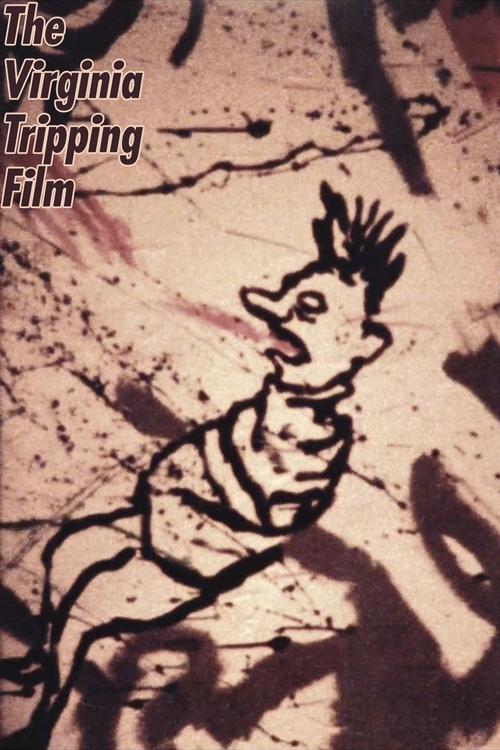
Carlo McCormick was invited to curate an East Village Art show at a gallery in Richmond, Virginia. Filmmaker Tessa Hughes-Freeland took filmic evidence of the infamous exhibition that featured downtown artists such as David Wojnarowicz, Marilyn Minter, Luis Frangella and more painting naughty murals while on acid.
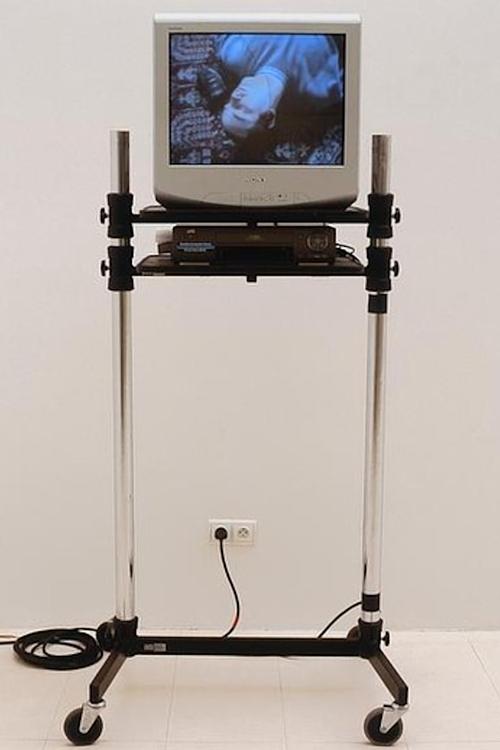
In the present work, the artists appears lying on his back, his eyes mostly closed, dreamingly listening to a walkman that plays, a recording of 'The Best of Lou Reed and the Velvet Underground'. The artist can hear the music through his earphones, but as viewers we are only privy to the sound of his voice that whispers the melody. As we listen to the hypnotic interpretion of the familiar songs - as emblematic for pop music history as 'Psycho' is for film - we are forced to mentally 'reconstruct' the remaining orchestration, instrumentation and vocals. We must attempt to reassemble something we already know to be a fact by negotiating the sticky mess of interpretation, meaning, and memory.