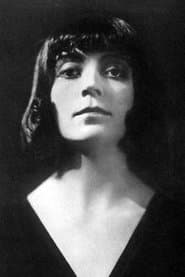
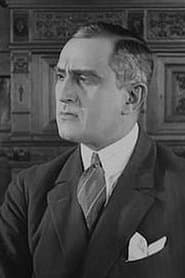
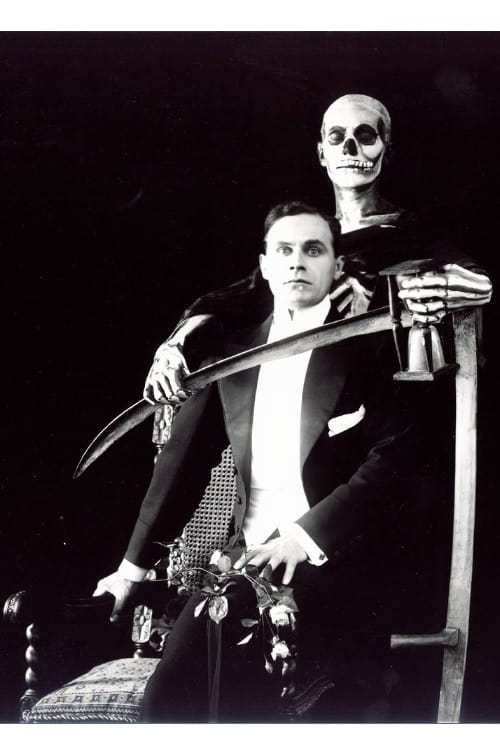
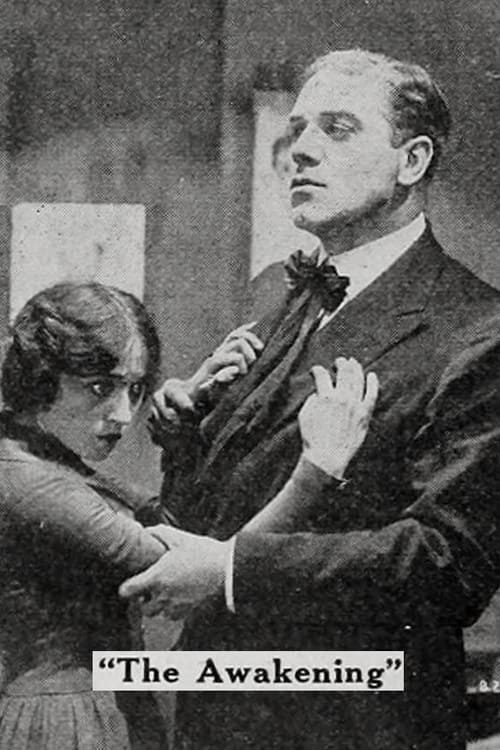
Bella is married to engineer Burk who meets with an accident. To provide an income she starts as a performer, but happen to meet an infatuated, intriguing composer. On the brink of marital ruin, she kills the composer.
Asta Nielsen
as Bella Burk
Oskar Fuchs
as Ingenieur Burk
Fritz Weidemann
as Komponist Czernick
Fred Immler
as
Emil Albes
In a futuristic city sharply divided between the rich and the poor, the son of the city's mastermind meets a prophet who predicts the coming of a savior to mediate their differences.
Two friends, Fritz and Theodor, make the acquaintance of Christine and Mizzi, who are also friends. Fritz is immediately captivated by Christine, who is bashful and modest as opposed to the eager, effervescent Mizzi. But even though the love between the two grows, Christine is not the only woman in Fritz’s life. His affair with a married woman will prove to have fatal consequences.
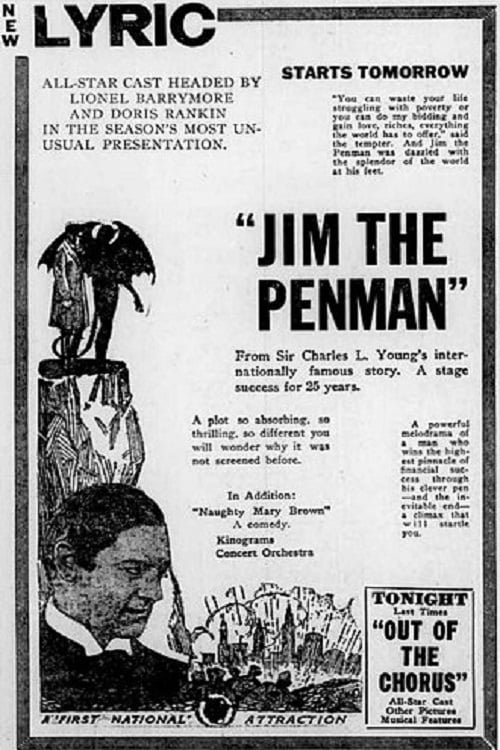
A bank clerk forges a check to help his girlfriend's father. He's found out, but instead of being arrested he becomes a member of a gang of forgers.
Ilda Barosky, a Jewess whose father was killed by Russian soldiers, is a violin student in love with Alexis Nazimoff, son of the Russian aristocracy. Alexis' father arranges a marriage of convenience between Alexis and Olga Karischeff, the daughter of the ambitious minister of police and attempts to shame Ilda at the betrothal celebration. Defiant, Ilda is whipped before the entire assembly. Alexis rushes in to rescue her and terminates his engagement to Olga. In retaliation, Karischeff sentences both Ilda and Alexis to ten years in Siberia as his last official act. The couple attempt to escape their Siberian captivity, are caught and face a firing squad until Count Nazimoff, who has assumed Karischeff's position as minister of police, arrives with a pardon. The couple return home, and the penitent count finally grants them his blessings.
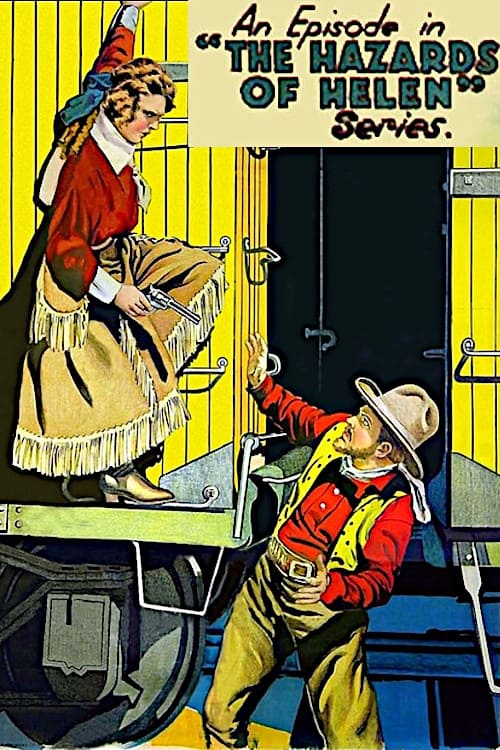
A piece of lumber projecting from the side of a freight car picks up the mail sack hanging from the crane at Bell Station. Two hobos find the sack and rifle the contents. Morrison, postmaster at Bell, has been systematically robbing the mails and benefits by the mail sack's disappearance. Mary Gates, daughter of an engineer, supplies the Post Office inspectors with the first clue. The detectives blunder, however, and arrest Billy, Mary's sweetheart. Chance leads them on the trail of the tramps. The hobos are arrested after a desperate battle. Later, as the result of Mary's clever work, Morrison is brought to bay, while Billy wins his freedom.
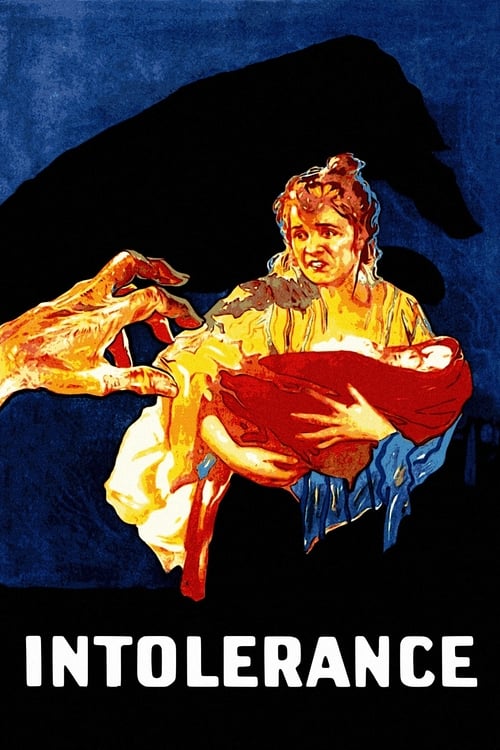
The story of a poor young woman, separated by prejudice from her husband and baby, is interwoven with tales of intolerance from throughout history.
A movie star helps a young singer-actress find fame, even as age and alcoholism send his own career into a downward spiral.
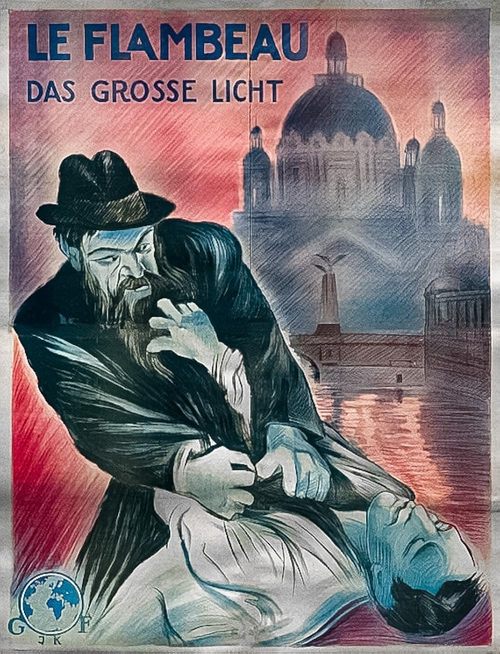
Lorenz Ferleitner has worked his way up from a poor but gifted farm boy to a recognized master builder. When a new cathedral is to be built, he is given the honor of carrying out the task. He would like to commission the unknown young painter Fritz Rasmussen to decorate the dome. The director of the art academy, Professor Marquardt, however, wants to employ his untalented nephew for the painting work. A bitter conflict unfolds.
Constance, the beautiful wife of Mark Barr, is in fear of her husband's jealousy. Among the guests at their reception are Myrtle Gale and her fiancé, Billy Craig, to whom Constance was at one time engaged. Mark misinterprets a friendly chat between the two and forbids Billy to visit his house. Myrtle goes to the city, and is to return on an early evening train, on which Constance also expects her husband.
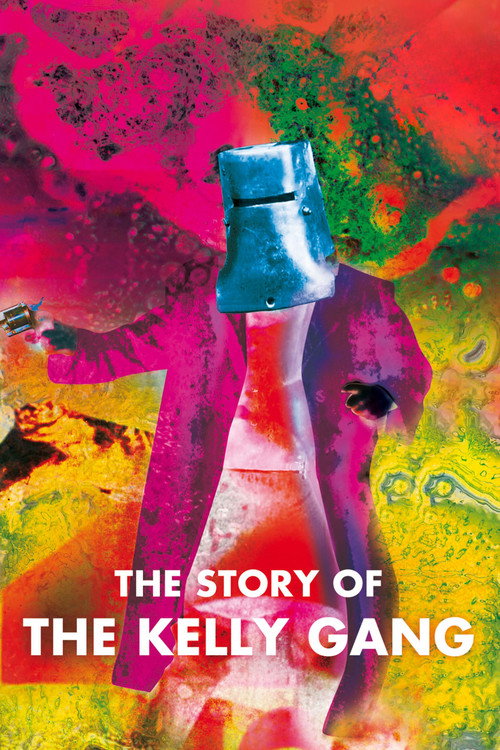
Just as Galeen and Wegener's Der Golem (1915) can be seen as a testament to early German film artistry, The Story of the Kelly Gang (1906) symbolizes both the birth of the Australian film industry and the emergence of an Australian cinema identity. Even more significantly, it heralds the emergence of the feature film format. However, only fragments of the original production of more than one hour are known to exist, preserved at the National Film and Sound Archive, Canberra; Efforts at reconstruction have made the film available to modern audiences.
Partially lost.
Abandoned as an infant on a stranger’s doorstep by her faithless mother, Marcella, Dorothea is taken in by Tom & Sarah Wentworth who in time inherit a vast coal mine in Pennsylvania. Now a young woman “Dot” falls in love with veterinarian Dr. Grant Hunter but her social climbing mother frowns on the match. Sara has set her sights on the Marquis del Carnavacchi for her daughter unaware that he is both a mobster and the lover of her errant natural mother. By chance Dot’s real father, Jim Gregory, also resides in the town and as tensions rise, he and Marcella join to save Dot from both harm and marriage to the wrong man.
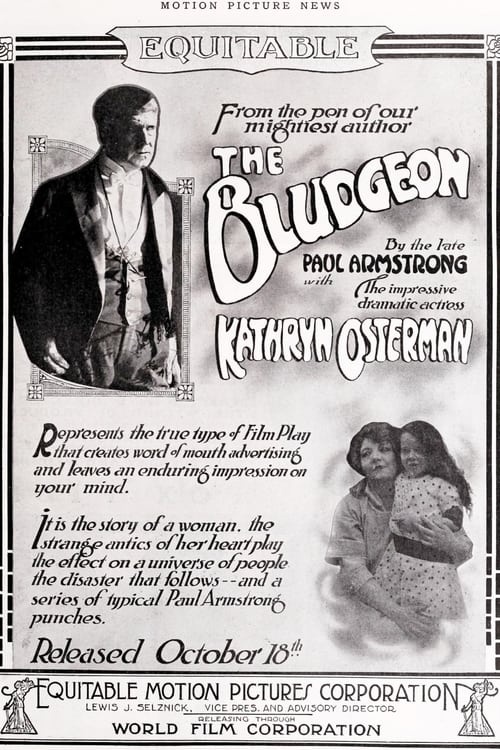
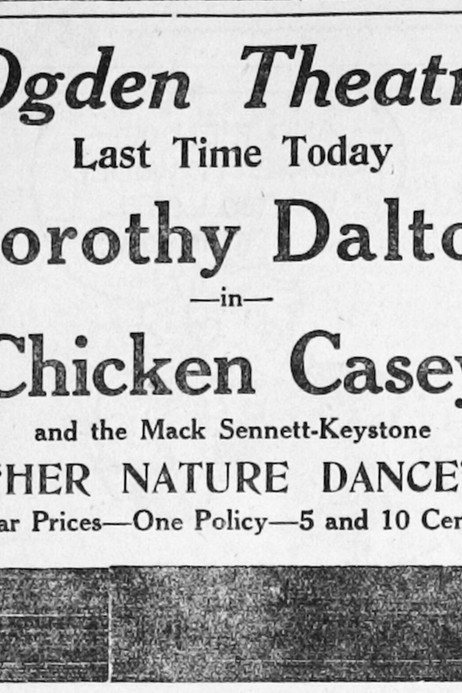
When Carl Evendorr (John Dunn) comes into money, his wife Irene (Kathryn Osterman) becomes greedy and socially ambitious. She foolishly allows a social leech, Mrs. Wharton (Clara Whipple), into her life and the woman does everything she can to manipulate money out of her. Mrs. Wharton and her associates put Irene in a compromising position and her husband walks in and believes the worst.
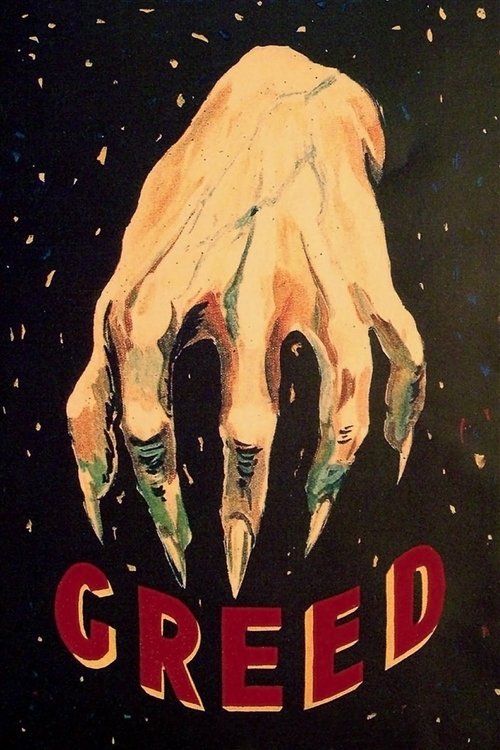
When housewife Trina wins the lottery, her comfortable life with her dentist husband John slowly deteriorates, in part by her own increasing paranoia and partly by the machinations of villainous acquaintance Marcus.
Abandoned on the church steps at birth Jacques Revilly is a pariah in his small hamlet finally heading to Paris to fulfill his dream of being an artist. After three years he has become quite adept but due to his slovenly ways and appearance he has been nicknamed “The Beast” and is once again exiled among society. One night he discovers a young girl who has collapsed in the roadside snow, with the assistance of his one friend Varney they nurse her back to health and “The Beast” begins to mend his ways.
A young author, Everett Dryden Hale, has written a book of such strength and originality that it becomes one of the best sellers. The book is entitled "Waifs" and deals with the underworld, a subject of which Hale, who is a New Englander with a Puritanical strain, knows by personal experience, practically nothing at all.
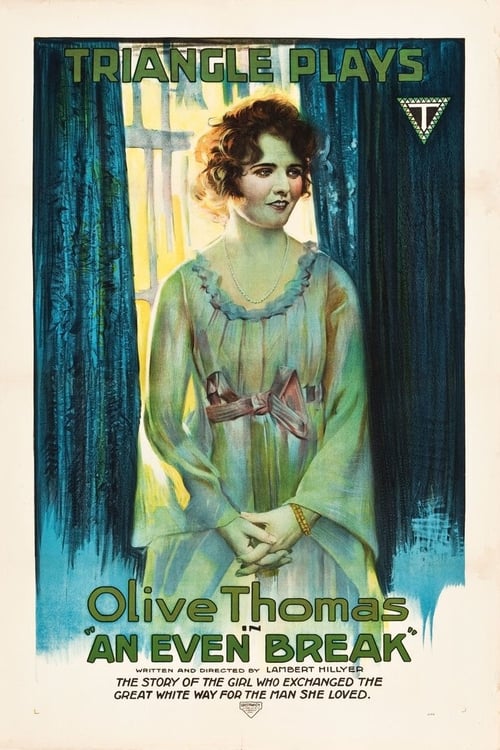
Claire Curtis, Jimmie Strong and Mary have spent their childhood together in the country. Upon reaching adulthood, Claire goes to New York and becomes a success on stage. Jimmie, who has always dreamed of becoming an inventor, goes to New York to sell the machine he invented, and there he renews his acquaintance with Claire. Soon their old friendship ripens into love. Meanwhile, back in the country, Ralph and David Harding, who are making Jimmie's machine, plan to steal the right to it. Back in New York, Mary appears and informs Claire that she loves Jimmie, and the actress resolves to give her a chance to win him. When it appears that the Hardings' scheme to steal Jimmie's machine will succeed, however, Mary's ardor turns cold. Claire and Jimmie then rush back to the country in time to avert the takeover and save his firm from bankruptcy.
When Richard Cameron, a secret service agent tracking down international spies, is kidnapped by the enemy, Mirian Somerset, to whom Richard has been surreptitiously married, believes that he is dead.