The film follows five people from different origins as they move anonymously around the streets of Berlin. Each of them with another life somewhere else, trying to ascertain where to go.
Iker Sanchez Silva
as Himself
Itxaso Markiegi Oiza
as Herself
Hasna Karavul
Taha Alsalamah
Jone Bolivar Nuñez
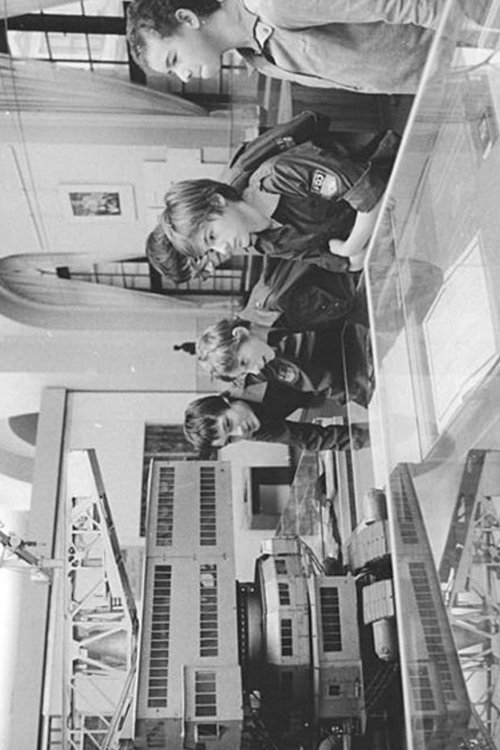
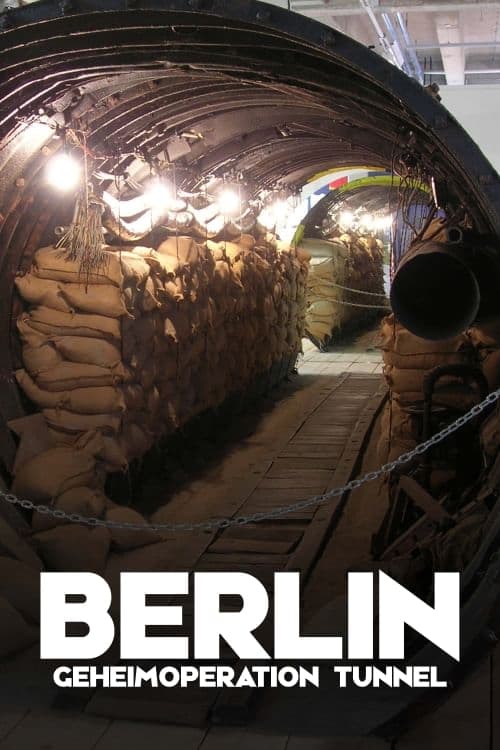
In 1952, the Central Committee of the Socialist Unity Party of Germany (SED) decides to establish a "Museum of German History" (MfDG) in the Zeughaus Unter den Linden. As the central history museum of the GDR, it is committed to the Marxist-Leninist conception of history. The film Museum of German History. Insights and Encounters - a GDR television documentary from 1988 - shows the reconstruction of the war-damaged building, presents selected eras such as the Peasants' Wars and the Revolution of 1848 and observes the preparations for a special exhibition on "Artists in the Class Struggle". The film also provides insights into the restorers' workshops, the coin collection and the painting depot.
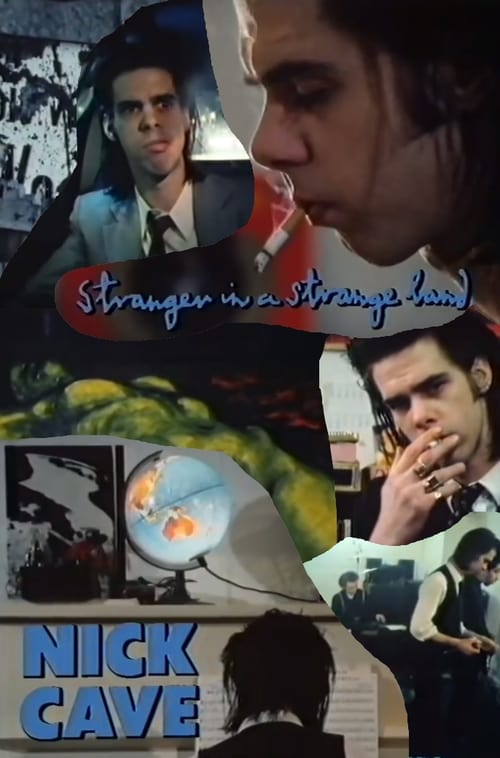
Documentary made for Dutch television about Nick Cave in Berlin in 1987.
This anthology film, whose Chinese title begins with a romantic name for human excrement, premiered internationally at Rotterdam and won Best Screenplay from the Hong Kong Film Critics Society. A variety of Hong Kong people wrestle with nostalgia when facing an uncertain future. Their stories give way to a documentary featuring a young barista turned political candidate.
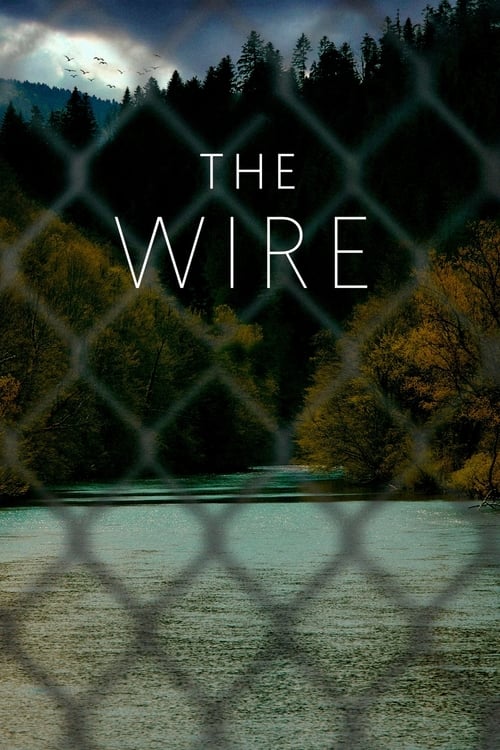
The inhabitants of the canyon of river Kupa, located on the border between Croatia and Slovenia, have historically been united due to their harsh living conditions, but this peaceful cohabitation between members of different cultures is threatened by the construction of iron fences to prevent the transit of refugees from Bosnia.
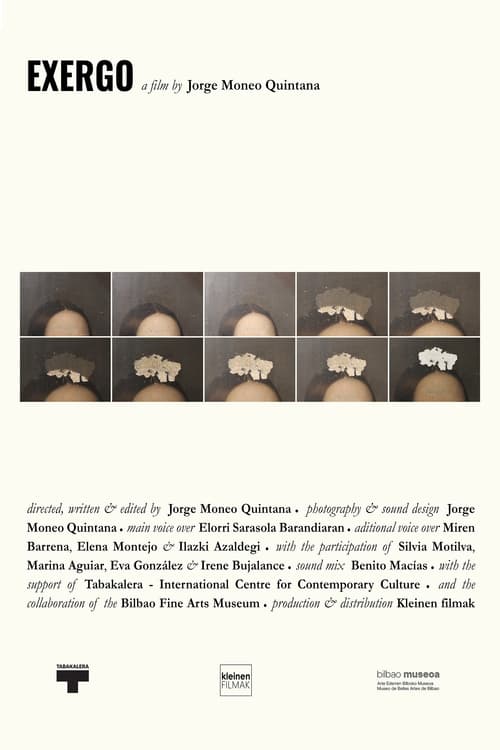
Departing from peripheral details of some paintings of the Bilbao Fine Arts Museum, a female narrator unravels several stories related to the economic, social and psychological conditions of past and current artists.
This documentary shows how the Berliner workers lived in 1930. The director Slatan Dudow shows through images: a) the workers leaving the factory; b) the raise of the rents; c) the "unpleasant" guest, meaning the justice officer that brings the eviction notice; d) the fight of classes of the houses of capitalists and working classes; e) the parks of the working class; f) the houses of the working class, origin of the tuberculosis and the victims; g) the playground of the working class; h) the swimming pool for the working class, ironically called the "Baltic Sea" of the working class; i) the effects of humidity of basement where a family lives, with one member deaf; j) one working class family having dinner while the capitalist baths his dog; k) the eviction notice received from an unemployed family and their eviction.
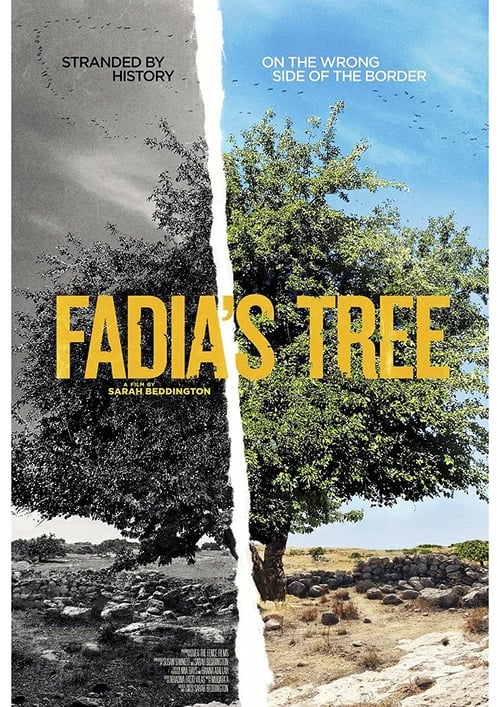
While millions of birds migrate freely in the skies above, Fadia, a Palestinian refugee stranded in Lebanon, yearns for the ancestral homeland she is denied. When a chance meeting introduces her to the director, Sarah, she challenges her to find an ancient mulberry tree that once grew next to her grandfather’s house in historic Palestine, a tree that stands witness to her family’s existence.
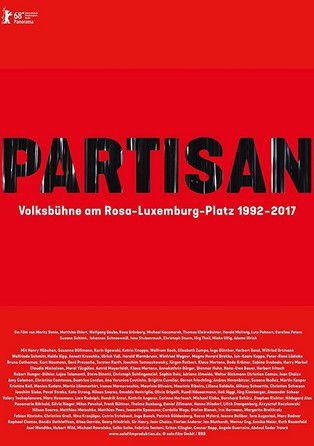
Volksbühne am Rosa-Luxemburg-Platz 1992-2017. The end of the GDR gave rise to new artistic freedoms in reunited Berlin. Shortly after the fall of the Wall, rebel director Frank Castorf was appointed artistic director of the Volksbühne. His way of working altered the public’s perception of this theater. The chronological history of the Castorf era between 1992 and 2017 is told here in excerpts from the productions and in a series of conversations conducted on the long sofa in the theater's foyer.
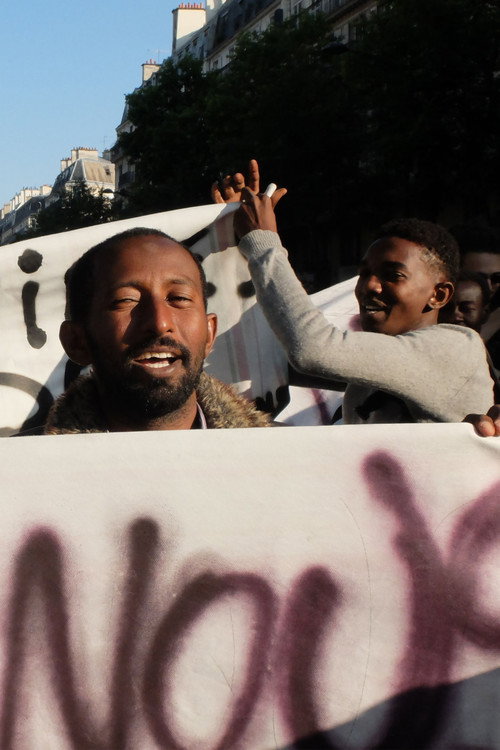
La Chapelle neighbourhood, Paris. Hundreds of exiled people from East Africa survive on the streets, chased violently by the police, yet seeking to defend their rights as asylum seekers. Some months later, having finally obtained their rightful housing, two Sudanese young men return to the sites where they first landed and talk about their arrival in Paris during this agitation.
The story of the legendary Berlin club and its founder, a woman whose life is inextricably interwoven with the bright and dark sides of a hedonistic lifestyle.
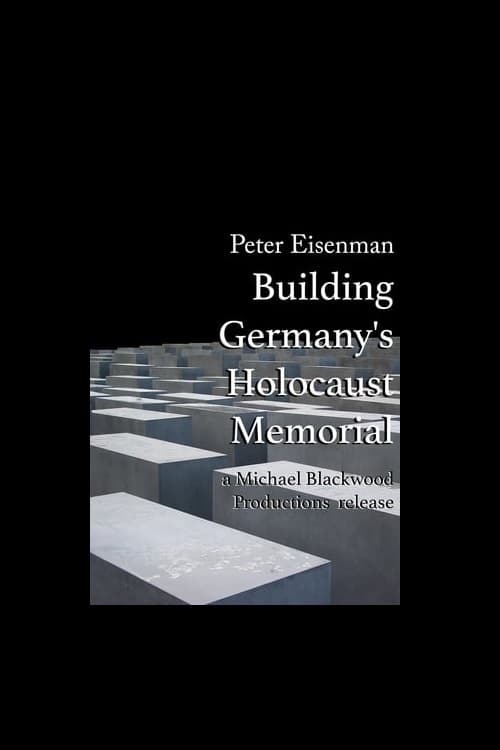
This documentary explores the creation of the Holocaust Memorial in Berlin as designed by architect Peter Eisenman. Reaction of the German public to the completed memorial is also shown.
A family history archive as told by matriarch Azalu Mekonnen and her granddaughter Samira Hooks.
“Raw City” is an observational documentary set in Gori, where many young people are forced to think about leaving. It explores migration as a real, everyday experience shaped by limited opportunities. Staying often means accepting restrictions, while leaving becomes the only way forward. The film follows artists, students, and young professionals through their daily lives, showing the quiet pressure behind this decision. Without narration, it relies on real moments and observation. At its center is Gori’s Art House, a fragile cultural space that still gives some a reason to stay. “Raw City” presents a city where the future of its young generation is slowly disappearing.
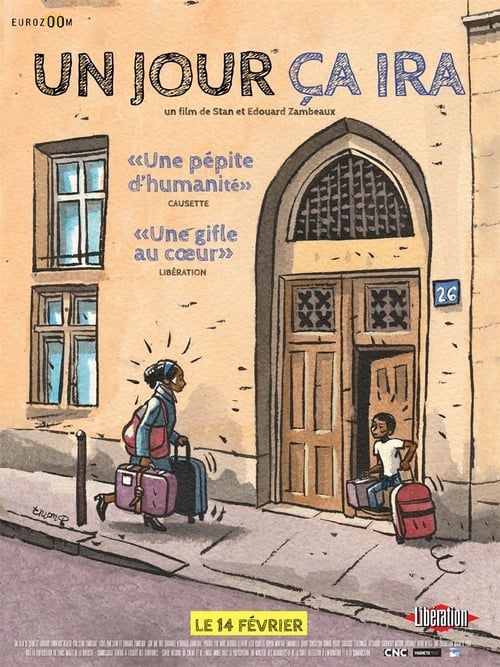
Djibi and Ange, two teenagers living on the streets, arrive at the Archipel, an emergency shelter in the heart of Paris. This documentary is a look at the Archipel, a shelter offering an innovative way to welcome families living on the streets.