In Asturias, the Duro Felguera company dismissed 232 employees in 1993. From then on, a ten-year struggle began for the workers to be reinstated. "Resistencia" is the story of a workers' struggle that ended up triumphing.
Within the video, two screens coexist. On the primary screen, a repetitive action takes place - the photo in the hands is periodically blurred. The focus of the viewer's attention is shifted to the secondary screen, which is more dynamic. The face in front of the camera, resembling clay, tries to take on images from archival photographs and video recordings.
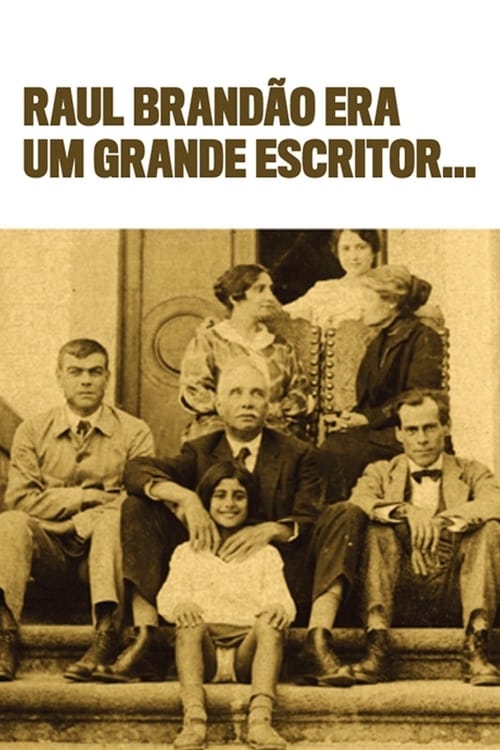
This film is an attempt to disclose if Raul Brandão has left any trace, in Nespereira, Gumarães.
Structured as a labyrinth-like game and inspired by Jorge Luis Borges, Aleph is a travelogue of experience, a dreamer's journey through the lives, experiences, stories and musings of protagonists spanning ten countries and five continents.
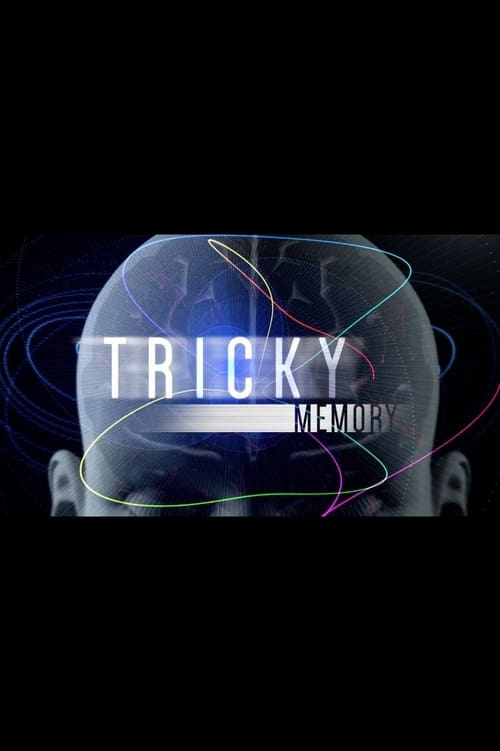
The lastest neuroscience discoveries show surprising results: false memories, distortion, modification, déjà vus. Our memory is affected in many ways, and deceives us every day. The very fact of recalling souvenirs modifies them. The everyday consequences are manyfold. To what extent can we rely on our souvenirs? How much credit can we give them during trials? Even more shocking, scientists have proved to be able to manipulate our memory: creating artificial souvenirs, deleting, emphasizing or restoring them on demand.
A documentary on the Z Channel, one of the first pay cable stations in the US, and its programming chief, Jerry Harvey. Debuting in 1974, the LA-based channel's eclectic slate of movies became a prime example of the untapped power of cable television.
A live telecast of the public memorial service for the king of pop, Michael Jackson.
Just after midnight on 10 March 1945, the US launched an air-based attack on eastern Tokyo; continuing until morning, the raid left more than 100,000 people dead and a quarter of the city eradicated. Unlike their loved ones, Hiroshi Hoshino, Michiko Kiyooka and Minoru Tsukiyama managed to emerge from the bombings. Now in their twilight years, they wish for nothing more than recognition and reparations for those who, like them, had been indelibly harmed by the war – but the Japanese government and even their fellow citizens seem disinclined to acknowledge the past.
This poetic film follows director Marialuisa's journey with Anita and Leticia, Central American women traveling with the Caravan of Mothers of Missing Migrants.
The viewpoints of women from a country that no longer exists preserved on low-band U-matic tape. GDR-FRG. Courageous, self-confident and emancipated: female industry workers talk about gaining autonomy.
Yeon Park orders a time machine on eBay for her father’s birthday, seeing it as an opportunity to discover a few truths about her family’s past. Yeon responds to her father’s private prints through another distribution of the sensible. Fun and intimate, I Bought a Time Machine uses technology like a mediation necessary for communication.
How much can you trust your childhood memories? Director Sam Firth investigates, sweeping her parents into the experiment and on a journey into the past.
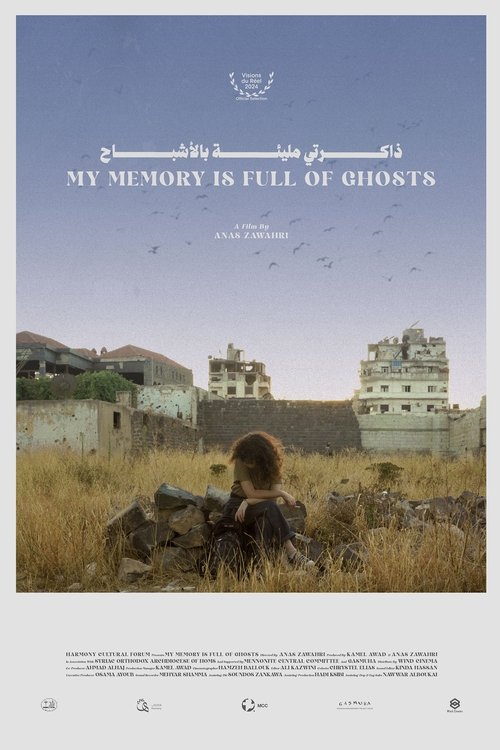
Like a visual elegy, My Memory Is Full of Ghosts explores a reality caught between past, present and future in Homs, Syria. Behind the self-portrait of an exsanguinated population in search of normality emerge memories of the city, haunted by destruction, disfigurement and loss. A deeply moving film, a painful echo of the absurdity of war and the strength of human beings.
Has the time of women finally come? Have their everyday lives truly changed over the past sixty years? Guided by Agnès Jaoui, women—famous and unknown—share their stories across generations. From childhood to retirement, the documentary traces shared experiences shaped by prejudice, but also by hope, strength, and humor. Blending personal archives, historic moments, and social media footage, the film places women at the center of their own story. Welcome to the Time of Women.
This landmark documentary reveals the tragic life of a gifted young woman who was executed for speaking out during the height of Chairman Mao’s rule.
Jonathan Stavleu explores, in a stream-of-consciousness video essay, the relationship people have with water and what happens when access to it is taken away. For this work, he examines anecdotal histories he has heard from Estonians, as well as stories from his own family history in the Netherlands, weaving them together into a journal-like narrative.
Nearly half a century ago, Carmen Ignarra arrived to Mexico after leaving behind her Cuban homeland, in the hopes of becoming the greatest Caribbean actress in Hollywood. But the American dream tur- ned out to be more difficult than she’d thought, and her brief initial success was followed by a slow, painful decline. Today, at 80, the woman who was once Cuba’s most beautiful actress lives totally forgotten in an old mansion in Monterrey. There she survives thanks to her tenants—strange men who she is constantly blaming for mysterious thefts and disappearances. Laura, a young woman also from the Caribbean, arrives at the mansion to work as an assistant in cleaning and housekeeping. With her she brings a video camera and the secret intention of making a documentary about the diva. Together they talk about the past, about wasted talent and lost loves.
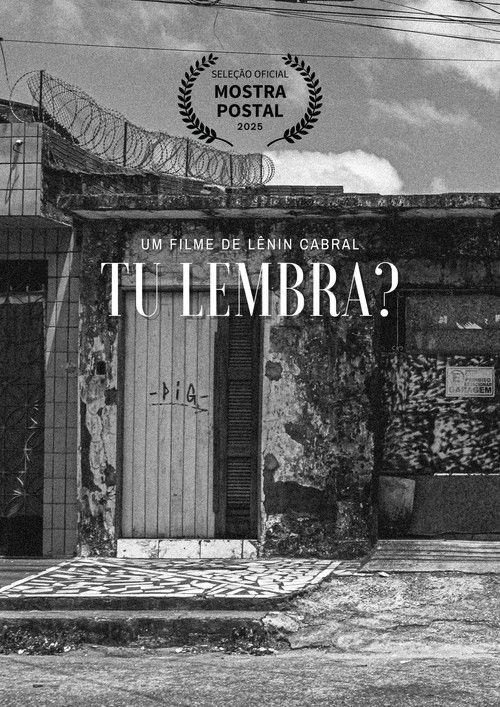
Downtown Recife’s classic movie palaces from the 20th century are mostly gone. That city area is now an archaeological site of sorts that reveals aspects of life in society which have been lost. And that’s just part of the story.