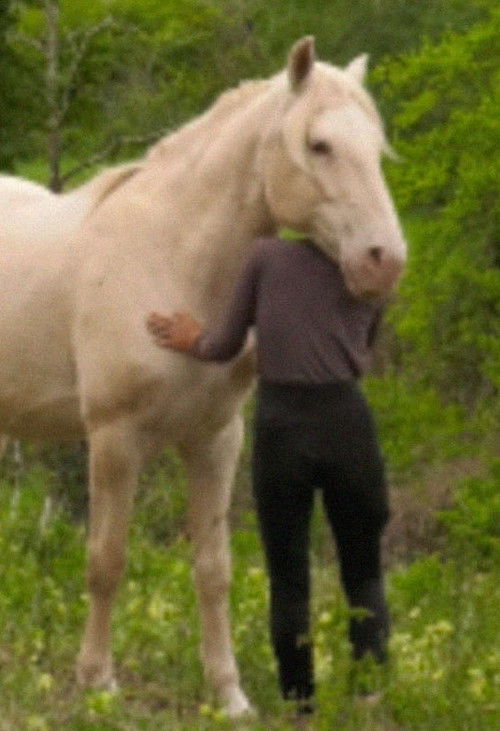
At a prison in the high desert foothills of the Colorado Rocky Mountains, hard-core criminals are given 90 days to tame wild mustang horses. Most of the inmates who volunteer for the program have never trained a horse before, or even ridden one.
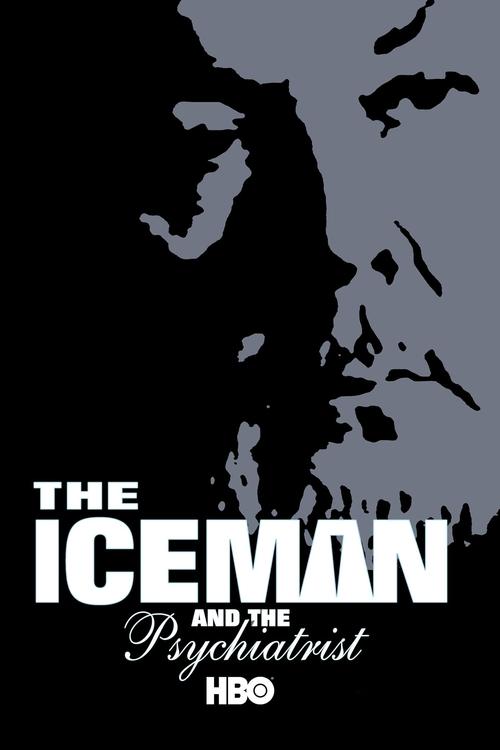
For the third time, HBO cameras go inside Trenton State Maximum Security Prison--and inside the mind of one of the most prolific killers in U.S. history--in this gripping documentary. Mafia hit man Richard Kuklinski freely admits to killing more than 100 people, but in this special, he speaks with top psychiatrist Dr. Park Dietz in an effort to face the truth about his condition. Filled with more never-before-revealed confessions, it's the most chillingly candid Iceman special yet as it combines often-confrontational interview footage between Kuklinski and Dietz with photos, crime reenactments and home movies that add new layers to this evolving and fascinating story.
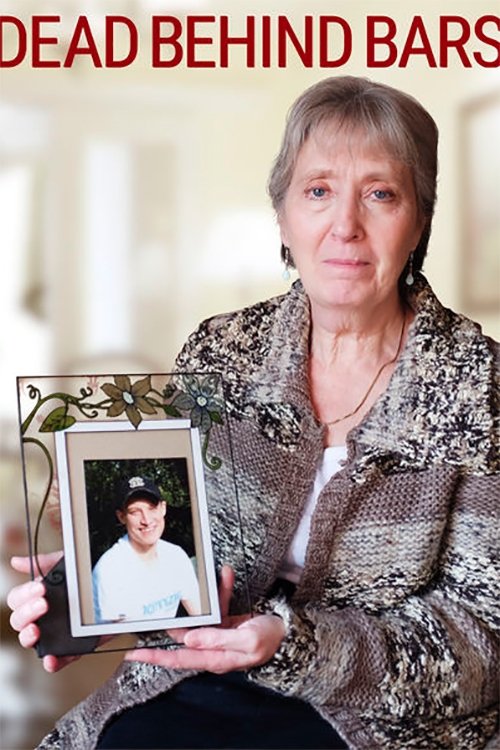
200 young people under 25 have died in custody since 1992 in England and Wales. This is the story of three of them; young men who died behind bars - told by the people who knew them best, it explores the flaws in the system and the lapses in care that contributed to their deaths.
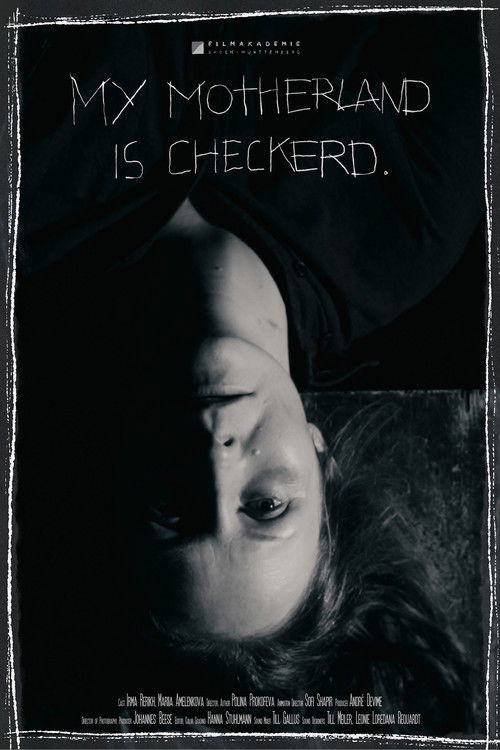
In a mix of 2D animation and live action, through their voices and acting, two actresses recount the lives of imprisoned women that opposed the Russian Regime and their emotional stories of suffering and anguish.
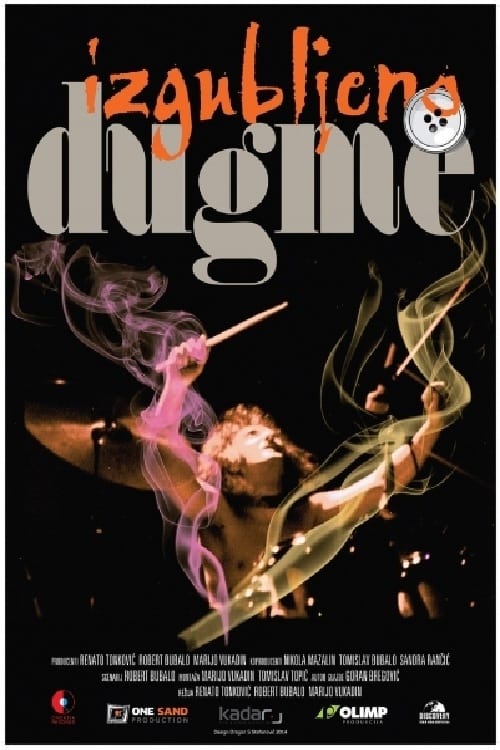
A documentary about Goran Ivandic 'Ipe', the drummer of most popular Yugoslav rock band of all time, Sarajevo-based "Bijelo dugme" (White Button). Ivandic's fatal jump from the balcony of hotel Metropol in Belgrade in 1994 sparked much controversy around his fate.
A surreal look at the day-to-day life of American soldiers stationed in Guantanamo Bay, Cuba through the eyes of a traveling circus troupe cleared to perform there.
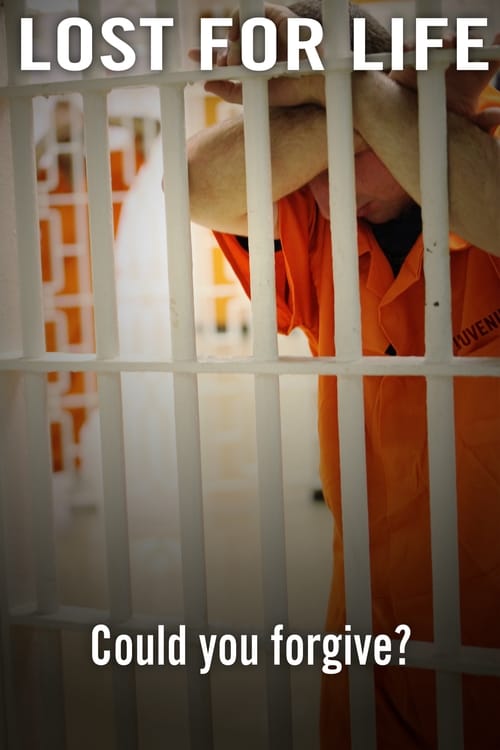
A documentary about juveniles who are serving life in prison without parole and their victims' families.
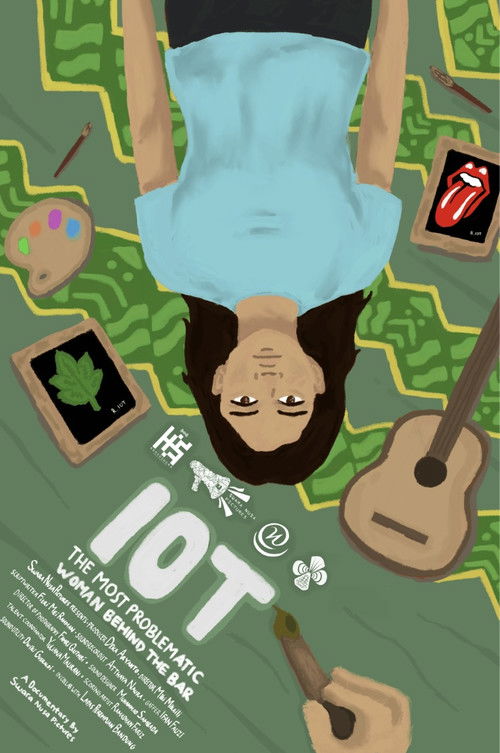
A documentary about the life of a female inmate named Ria Megawati, often called IOT. Once known as the most problematic prisoner in Bandung Women’s Prison, she has since transformed into a better version of herself by immersing in artistic practices such as painting, batik-making, and songwriting. Art ultimately becomes her way out of a dark past, and a vessel for expressing emotions long kept inside.
One decade after THE FARM: ANGOLA, USA (Oscar nominated 1999; two-time Emmy winner 1999), we go back inside Louisiana's maximum security penitentiary, to catch up with our characters' lives. While the theme of THE FARM was "to err is human, to forgive divine", we now delve more deeply and find hope for "reconciliation and release". Angola is America's oldest and largest prison, with 5,000 inmates, most of whom have received life -, or death-, sentences for violent crimes, and will never leave Angola. THE FARM continues to provide extraordinary opportunities for learning through storytelling.
An inside look at the notorious Sing Sing Correctional Facility, where one of the U.S.’s only in-prison college programs, Hudson Link, offers long-time inmates an education – and a new lease on life.
Experimental documentary about the Venezuelan prison Retén de Catia.
A scenic documentary record of a climb up to Mount Assiniboine, the 'American Matterhorn' in the Canadian Rockies.
Four-time Emmy winner John Kastner was granted unprecedented access to the Brockville facility for 18 months, allowing 46 patients and 75 staff to share their experiences with stunning frankness. The result is two remarkable documentaries: the first, NCR: Not Criminally Responsible, premiered at Hot Docs in the spring of 2013 and follows the story of a violent patient released into the community. The second film, Out of Mind, Out of Sight, returns to the Brockville Mental Health Centre to profile four patients, two men and two women, as they struggle to gain control over their lives so they can return to a society that often fears and demonizes them.
Out of State is the unlikely story of native Hawaiians men discovering their native culture as prisoners in the desert of Arizona, 3,000 miles, and across the ocean, from their island home.
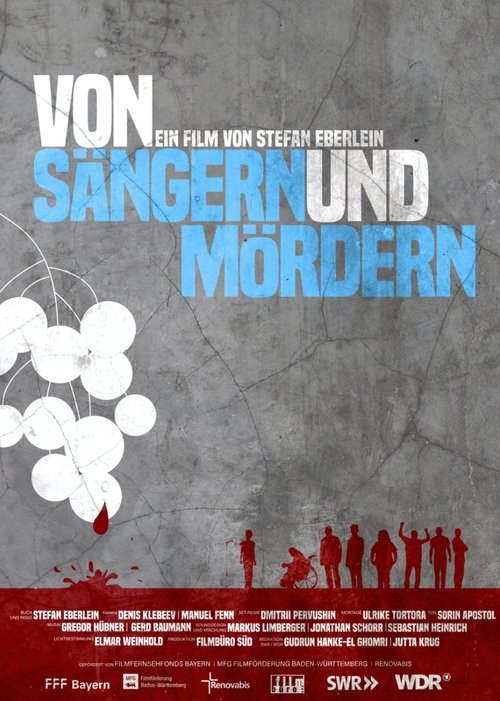
The documentary depicts the remarkable phenomenon of the national competition Kalina Krasnaya, organised with a flourish in which the convicts from all over Russia sing their way to victory with songs about longing, war, love and forgiveness.
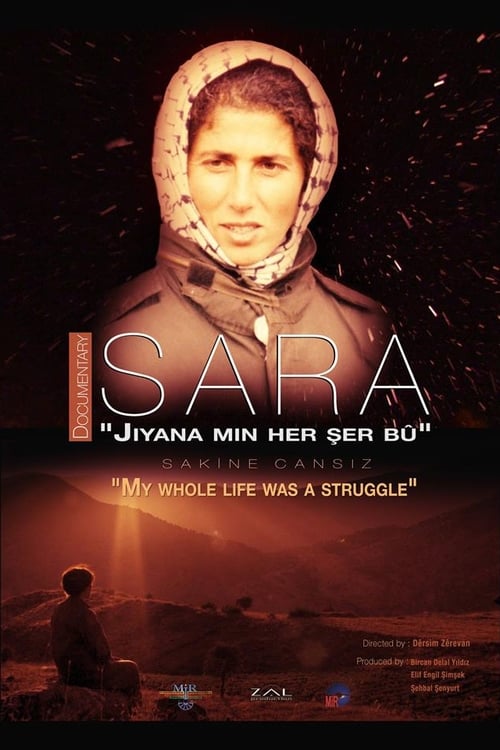
Documentary on Sakine Cansız (Sara), the Kurdish revolutionary and PKK co-founder killed in Paris in January 2013 by Turkish agents.
The Big One is an investigative documentary from director Michael Moore who goes around the country asking why big American corporations produce their product abroad where labor is cheaper while so many Americans are unemployed, losing their jobs, and would happily be hired by such companies as Nike.
Ashley Smith was a troubled 19-year-old when she choked herself to death at Ontario's Grand Valley Institution for Women. Her death made national headlines and led to a scathing report by Canada’s federal prison ombudsman. Incarceration for Ashley began at a youth detention centre in New Brunswick. Her crime: she had tossed crabapples at a mailman. Her one-month sentence stretched to almost four years, served in five provinces. With the prison videotapes and exclusive access to Smith’s parents, along with a fellow inmate, this documentary exposes a system that fails the many Ashley Smiths still incarcerated in Canadian institutions.
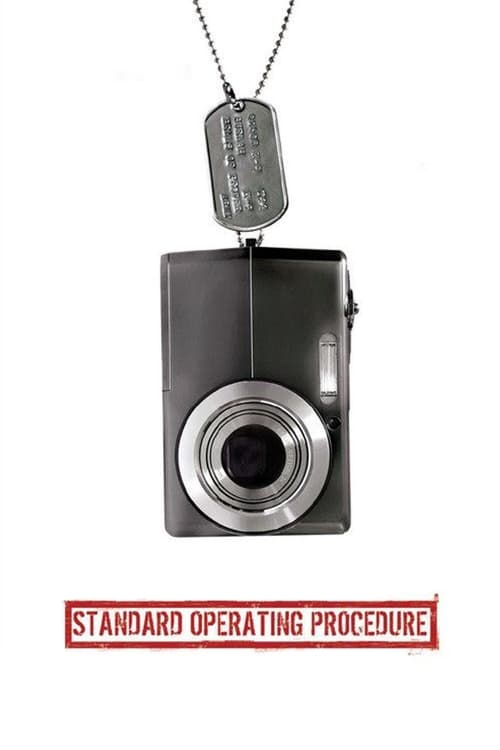
Investigating the infamous Abu Ghraib scandal, Errol Morris interviews American guards and Iraqi prisoners who were at the military jail before images of prisoner torture emerged in 2004. One female guard, who posed alongside fallen Iraqis in notorious images, tells Morris that her crimes were inspired by her love for another soldier, and another explains why she took photographs of her fellow troops. In the process, Morris suggests that the scandal resulted from systemic flaws in the military.