World in a City is a portrait of Toronto and the steps Torontonians are taking to create a society that welcomes and encourages new immigrants to flourish
Anne Marie Nakagawa's documentary examines what it means to have a background of mixed ancestries that cannot be easily categorized. By focusing on 7 Canadians who have one parent from a European background and one of a visible minority, she attempts to get at the root of what it means to be multi-ethnic in a world that wants each person to fit into a single category.
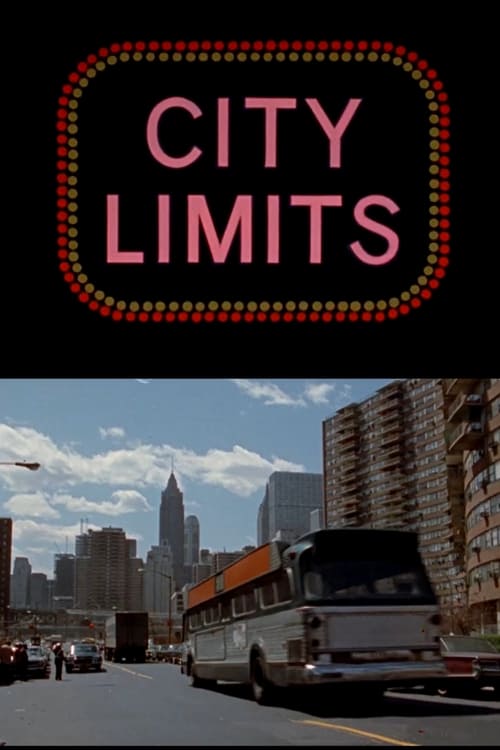
Author and activist Jane Jacobs talks about the problems and virtues of North American cities.
In the 1960s, the suburbs were meant to be modern havens for newcomers from rural France, Portugal, Spain, North Africa, and Africa, helping rebuild post-war France. Large housing complexes symbolized this ideal, offering comfort, heating, and electricity. But by the 1980s, disillusionment set in as economic crisis, unemployment, poverty, crime, racism, and police violence took hold. Mohamed Bouhafsi tells the story of a dream that didn’t last.
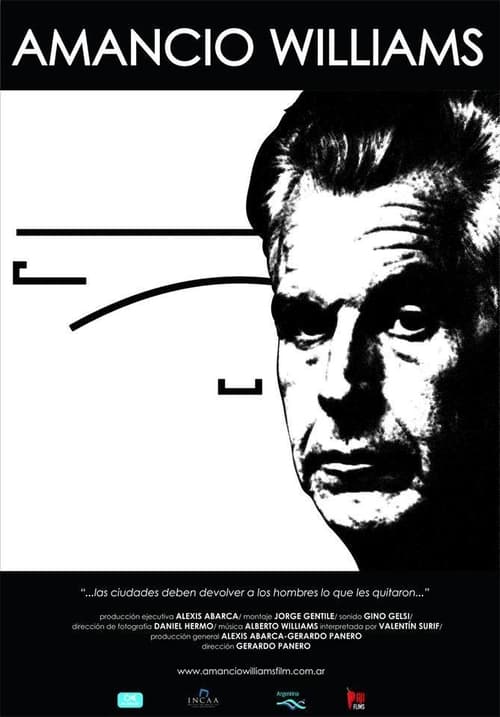
A biography documentary of the Argentine modernist architect Amancio Williams.
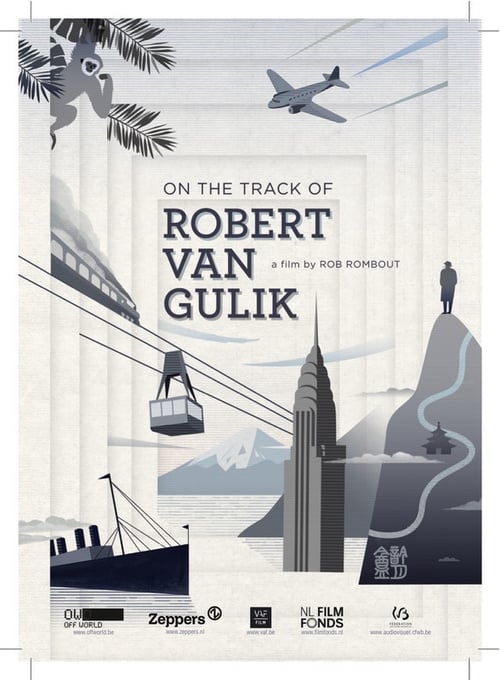
Robert van Gulik (1910-1967) is one of the world’s most read authors from the Netherlands. This diplomat, Sinologist and scholar is mainly known for his detective novels, starring 'Judge Dee'. Filmmaker Rob Rombout follows in his footsteps to discover the author’s legacy - via his diaries, the people he inspired and those who witnessed his extraordinary life.
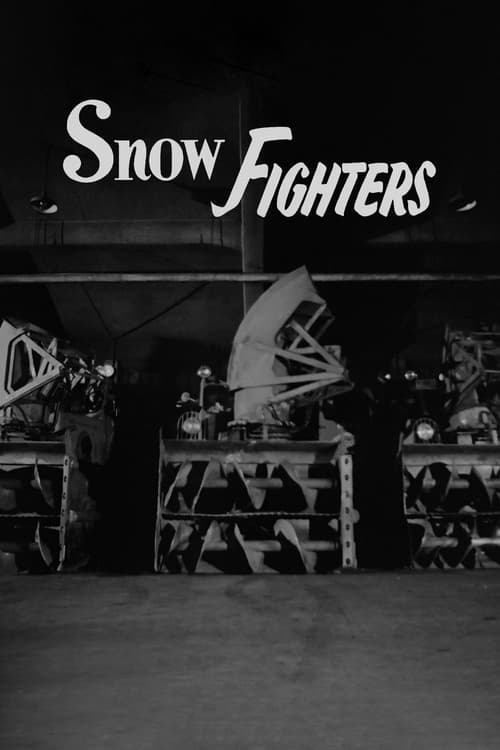
A close-up of a snow-bound city, and the men, money and machinery it takes to dig it out.
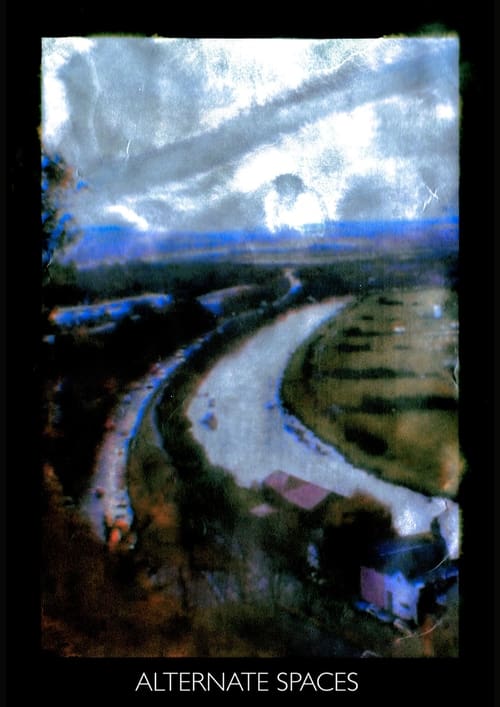
A short documentary on the River Ouse, following it downstream from Lewes to Newhaven, meditating on the surrounding area.
The human side of town planning, as exemplified in Baltimore, Maryland. The Coldspring Project concerned a proposed housing development for lower and upper income levels on a three hundred-acre site adjoining a wildlife sanctuary. The film records the differences aired in meetings of various interest groups that tried to modify the plan according to their views, and the compromise reached, based on plans drawn up by Montréal architect Moshe Safdie.
In 1959 New York City announced a "slum clearance plan" by Robert Moses that would displace 2,400 working class and immigrant families, and dozens of businesses, from the Cooper Square section of Manhattan's Lower East Side. Guided by the belief that urban renewal should benefit - not displace - residents, Frances Goldin and her neighbors formed the Cooper Square Committee and launched a campaign to save the neighborhood. Over five decades they fought politicians, developers, white flight, government abandonment, blight, violence, arson, drugs, and gentrification - cyclical forces that have destroyed so many working class neighborhoods across the US. Through tenacious organizing and hundreds of community meetings, they not only held their ground but also developed a vision of community control. Fifty three years later, they established the state's first community land trust - a diverse, permanently affordable neighborhood in the heart of the "real estate capital of the world."
In the town of Xoco, the spirit of an old villager awakens in search of its lost home. Along its journey, the ghost discovers that the town still celebrates its most important festivities, but also learns that the construction of a new commercial complex called Mítikah will threaten the existence of both the traditions and the town itself.
The documentary offers an overview of the district of Cidade Tiradentes and its inhabitants. It starts by the acquisition of land by the public authorities from the 1970s onwards, to the occupation of what is today one of the largest housing projects in Latin America.
Rare archive footage reveals what Singapore was like dating back to 1900, showing coolies sharing lunch, rickshaw pullers, a grand Peranakan funeral, and more.
This feature documentary takes a look at how the Halifax/Dartmouth community in Nova Scotia was stimulated by a week-long session held by a panel of specialists from different fields who met with members of this urban community to consider the future of the area and the responsibility of the citizens and government in planning the future.
Documentary devoted to the architectural and urban planning designs of Le Corbusier. The architect supports his in-depth reflection on the city and its necessary adaptation to modern life with plans, drawings and images, particularly Paris, whose revolutionary development dreamed of by Le Corbusier is exhibited here. Its first projects will remain at the stage of a model: the modernization plan for the city of Algiers. Some will be created by other architects: Ministry of Education in Rio de Janeiro, UN Palace in New York. From the post-war period in less than 10 years, Le Corbusier created large housing units in Marseille, Nantes, a chapel in Ronchamps, a factory in Saint-Dié, a town in Chandigarh in India. Through diagrams, the architect presents his theory of the "radiant city", the mathematical key modulor of his work as well as his project for reorganizing the countryside, industrial and urban cities into a grouping around a cooperative system.
An effervescent facilitator and mother figure, Multicultural Liaison Officer Rosemary is undoubtedly a force of nature. Isolation in Auburn’s migrant community is a huge obstacle, and cultural norms mean that women are often tied to the house or a limited locale. Rosemary, with her larger-than-life spirit and generosity, works tirelessly to draw the women out of their homes and into society. She hosts a lively African Women’s Dinner Dance and takes them on a trip to the Blue Mountains and the NSW South Coast – introducing them to an Australia they’ve never seen before.