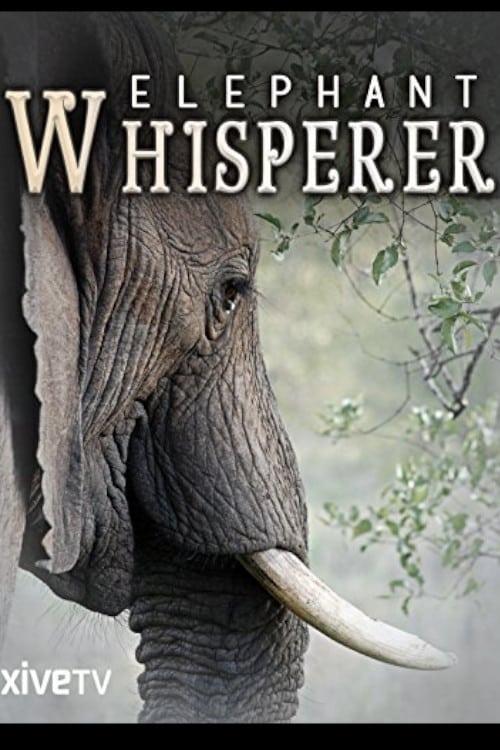
The film tells this hopeful story through Dominique Gonçalves, a young African elephant ecologist who strives to empower and inspire Africans, especially women, to become responsible stewards of the environment.
Dominique Gonçalves
as Herself
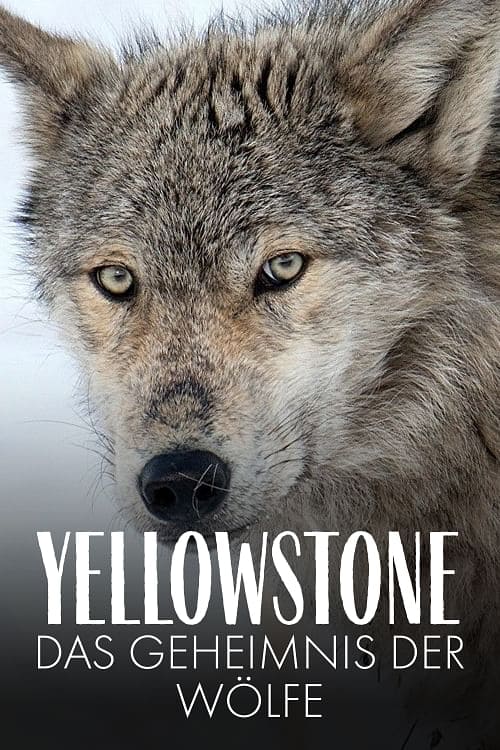
70 years after the last wolves roamed the national park, a total of 41 wolves were reintroduced between 1995 and 1997. A globally unique experiment that had many supporters, but also resolute opponents, then as now.
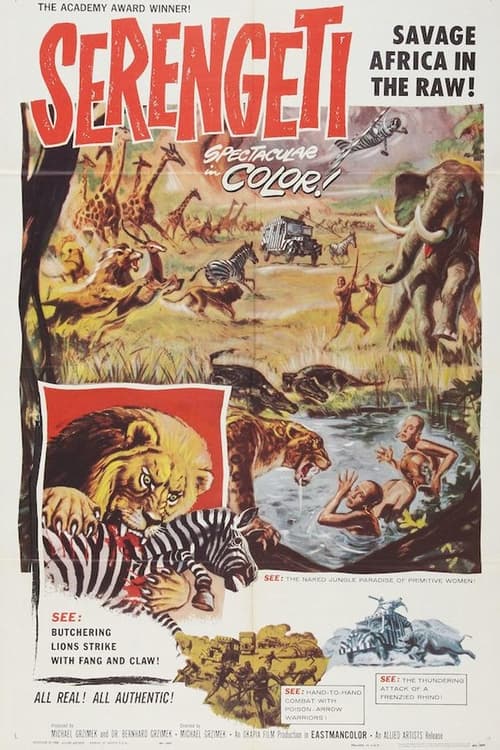
The film tells of the beginnings of the Serengeti National Park in Tanzania. At the end of the 1950s, the Tanzanian National Park Administration wanted to fence in the protected area around the Ngorongoro Crater. Bernhard and Michael Grzimek were invited by the national park administration in 1957 to get a precise picture of the animal migrations and to provide the national park administration with the values they needed for their project. Using a new counting method with two airplanes, the Grzimeks found out that the migration of the herds was different than assumed.
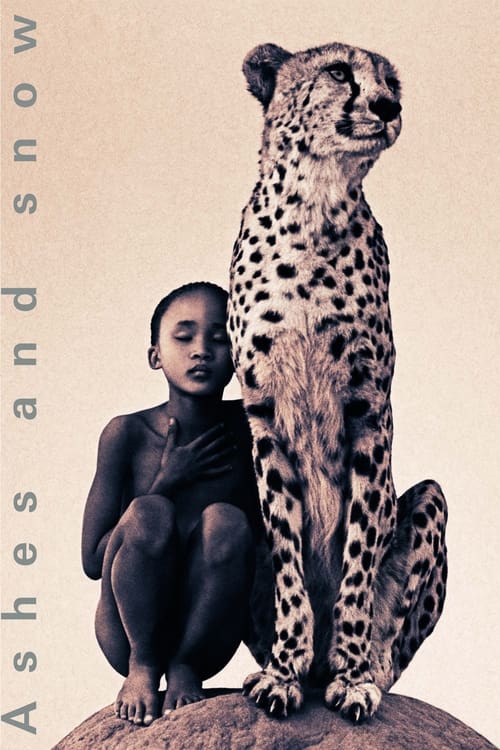
Ashes and Snow, a film by Gregory Colbert, uses both still and movie cameras to explore extraordinary interactions between humans and animals. The 60-minute feature is a poetic narrative rather than a documentary. It aims to lift the natural and artificial barriers between humans and other species, dissolving the distance that exists between them.
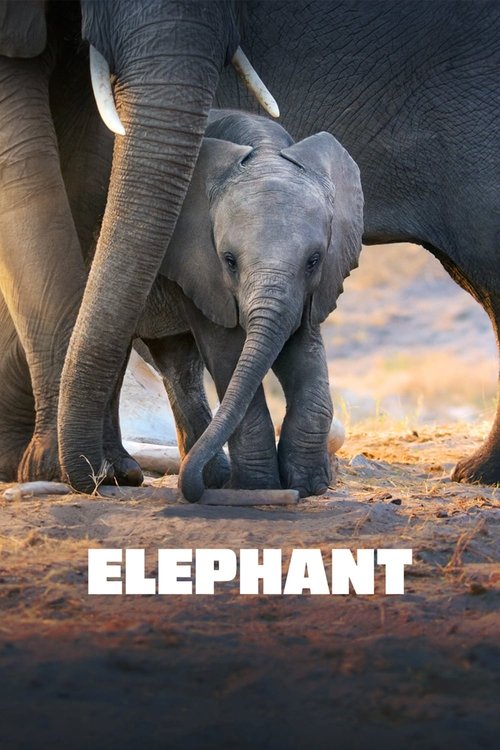
Disneynature’s Elephant follows African elephant Shani and her spirited son Jomo as their herd make an epic journey hundreds of miles across the vast Kalahari Desert. Led by their great matriarch, Gaia, the family faces brutal heat, dwindling resources and persistent predators, as they follow in their ancestors’ footsteps on a quest to reach a lush, green paradise.
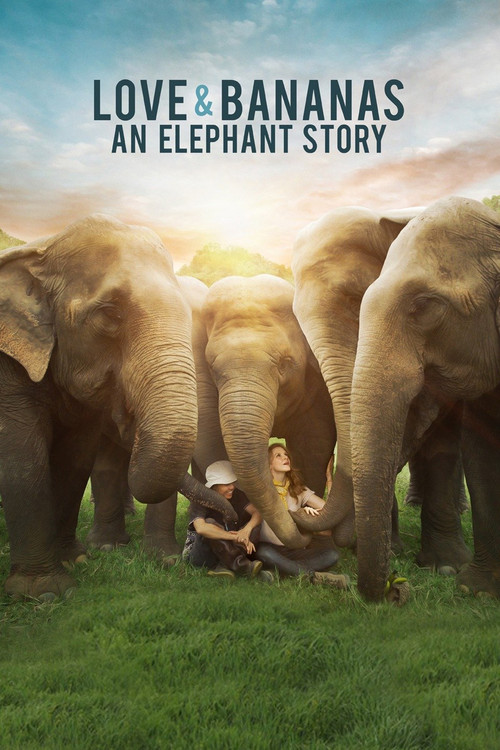
Sangduen Chailert, or Lek, as she is generally known, has already rescued over 200 elephants. She has dedicated her life to saving the Asian elephant and founded a special camp, The Elephant Nature Park to protect them. We follow this winner of Time Magazine’s “Asian Hero of the Year” Award in her work. Lek is on a mission to save the Asian elephant in her native Thailand. This film looks at the plight of the Asian elephant, as it goes from being a widely used domestic animal, to becoming a burden on modernizing communities. With experts predicting its extinction within four decades, Lek’s work is needed now more than ever and she has gathered a large group of supporters and volunteers in her quest for a better future for the Asian elephant. This moving film demonstrates Lek’s natural understanding of and rapport with these huge animals and will stir the viewers emotions as it highlights the often desperate state some elephants are kept in.
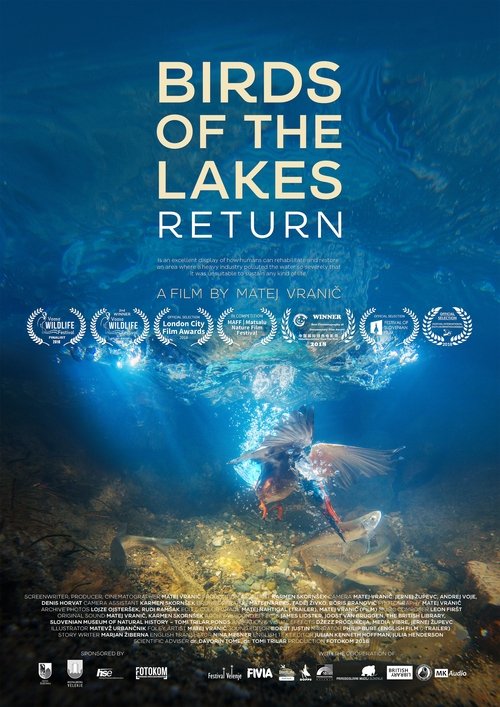
An excellent display of how humans can rehabilitate and restore an area where a heavy industry polluted the water so severely that it was unsuitable to sustain any kind of life. A a film showing how birds returned to an environment once devastated by industry. The lakes around the northern Slovenian town of Velenje, placed in the Central Europe, are geographic center of the film. They emerged as the land above the lignite mines subsided and the depressions were filled with water. The mines started operating at the end of the 19th century. In the mid 20th century a power plant was built that caused a severe pollution of the lake waters to the extent of the lakes not being fit for any kind of life. As a consequence many birds moved from these parts. After a long ecological restoration that started in the mid 1980s, life returned to the water. Gradually the birds returned as well, including some there were previously never observed in this area.
Ashley Bell and a team of elephant rescuers led by world renowned Asian elephant conservationist Lek Chailert, embark on a daring 48-hour mission across Thailand to rescue a 70-year old captive blind Asian elephant and bring her to freedom.
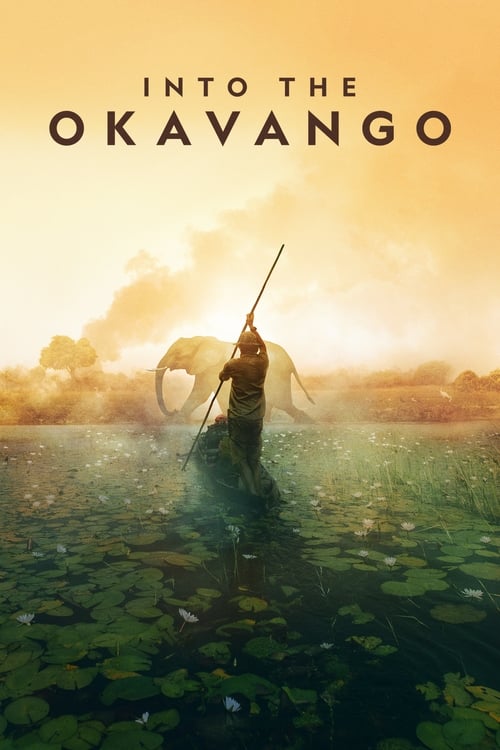
A passionate conservation biologist brings together a river bushman fearful of losing his past and a young scientist uncertain of her future on an epic, four-month expedition across three countries, through unexplored and dangerous landscapes, in order to save the Okavango Delta, one of our planet's last pristine wildernesses.
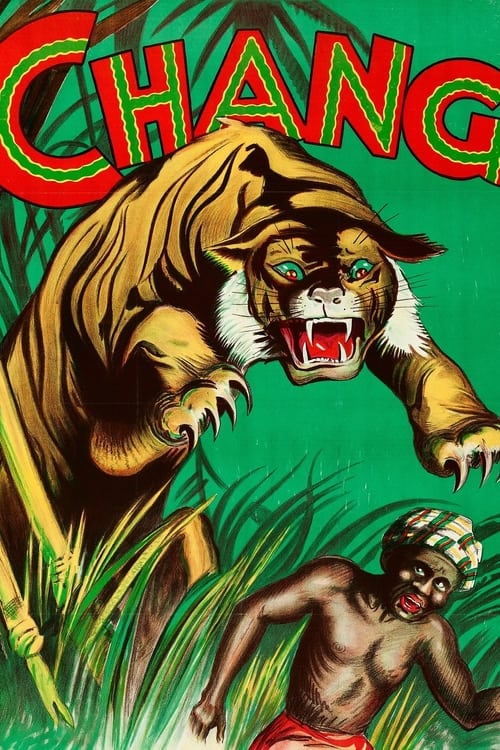
Elephants disrupt the lives of a family deep in the jungles of Northern Siam, and an entire village.
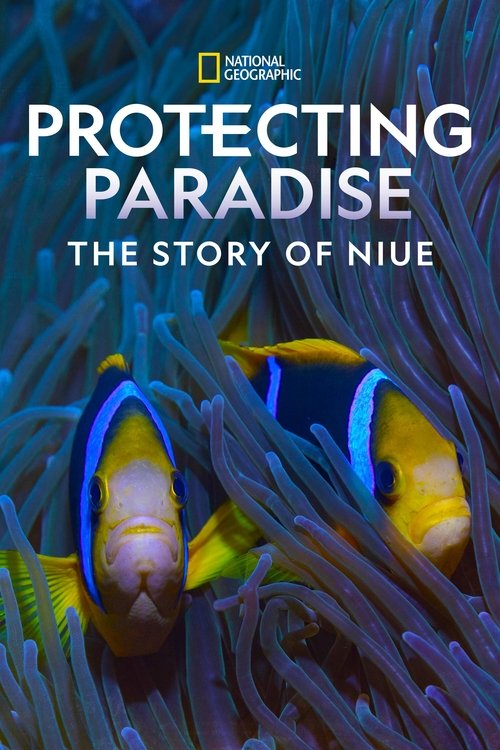
The documentary follows leaders and community members from the tropical Pacific island nation who are making bold changes to move the needle on marine protection. With a population of under 2,000 people and a marine reserve covering 40% of its waters, Niue has demonstrated the ways in which traditional knowledge and contemporary science can live in harmony for the benefit of people and the planet.
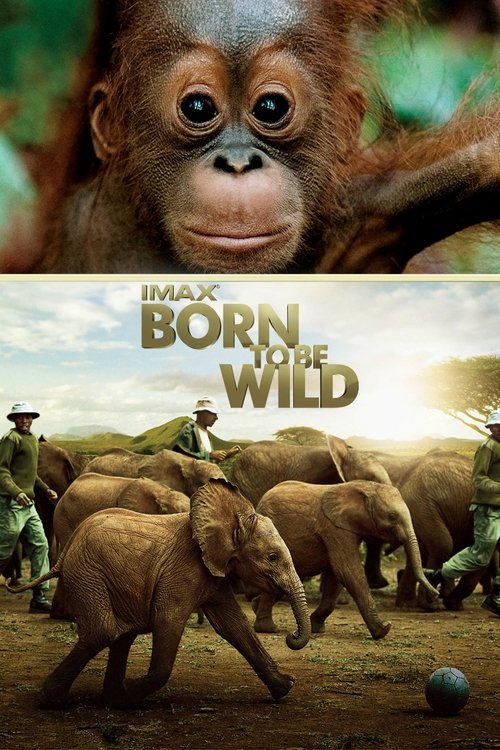
Born to Be Wild observes various orphaned jungle animals and their day-to-day behavioural interactions with the individuals who rescue them and raise them to adulthood. The film unfurls in two separate geographic spheres. Half of it takes place in the rain forests of Borneo, where celebrated primatologist Dr. Birute Galdikas assists baby orangutans; the other half takes place on the arid savannahs of Kenya, where zoologist Dame Daphne Sheldrick works with baby elephant calves.
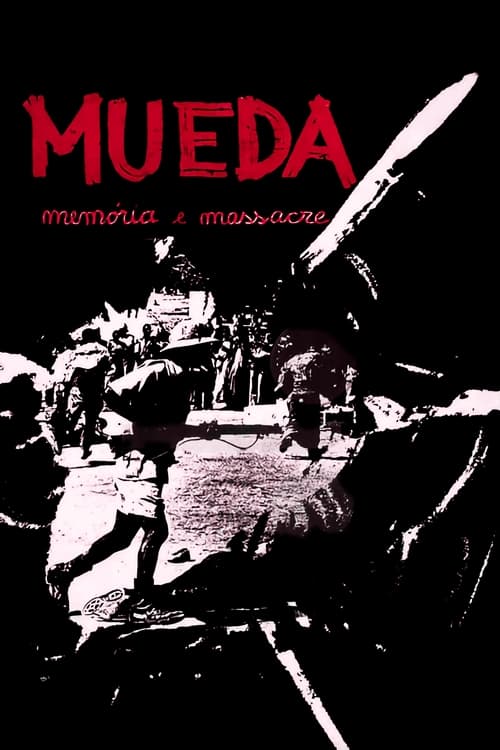
Mueda was a massacre. The name is that of the village in Northern Mozambique where in 1960 it took place. The Portuguese colonial regime did the killing. In independent Mozambique, those inhabitants of Mueda who survived regularly re-enact the massacre in situ. They themselves play the roles of victims, assassins, and spectators. Ruy Guerra, now a Brazilian but born in Lourenço Marques (now Maputo, the capital of Mozambique), filmed this extraordinary creation of liberated popular culture, intercutting it with first-hand interviews on the massacre. The mix is compelling, and the grave yet joyous spectacle unique.
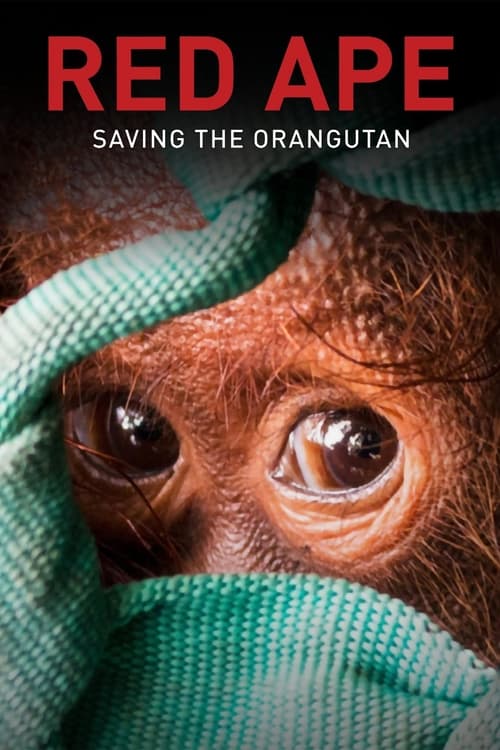
For the last decade, a team of frontline medics has been fighting to save Borneo's critically endangered orangutans. Armed with cameras, International Animal Rescue has documented their struggle: pulling apes from devastated jungle, giving emergency medical care, rehabilitating and releasing the healthiest orangutans back into the wild. This is both the story of their life-saving work and of how one of our closest wild relatives has been pushed to the brink of extinction. Combining genuine rescue footage with contributions from experts throughout, this documentary looks toward the future and asks what hope remains to save the orangutan.
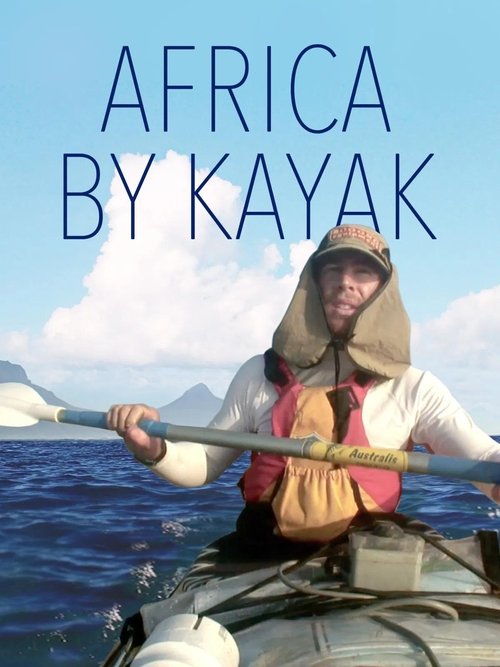
In 2007, Beau attempted to paddle 4000kms from one side of Africa to the other. Starting in Mozambique, he continued along the Southern African coast, allowing five months to complete the voyage. Battling surf, deep sea swell, and too many days waiting for the wind, Beau only completed 2000kms of the original plan.
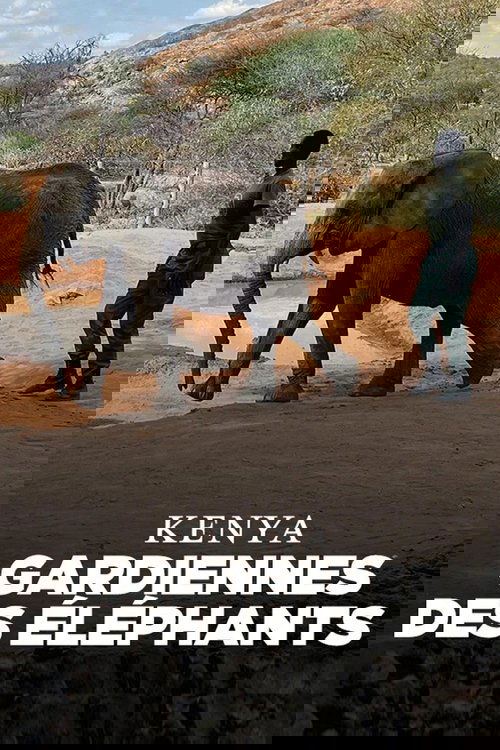
In the Namunyak Wildlife Conservancy in Kenya drought is a menace to both humans and animals. This documentary follows two Elephant Guardians in their tireless work to protect this endangered species.
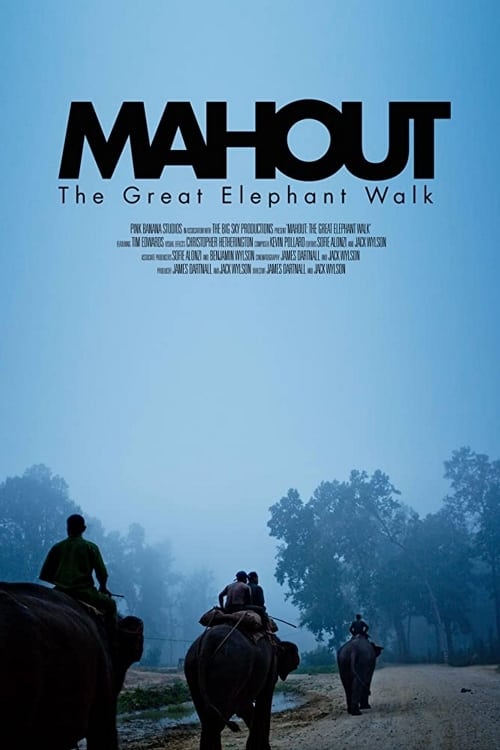
Imagine walking some of the largest land animals in existence across one of the most densely populated regions on earth. Intelligent, majestic and awe-inspiring, Elephants have a long and fascinating history with man. On this epic journey we experience the modern day relationship between man and beast.