Filmmaker Ronald Levaco, journeys back to China, the nation of his boyhood days, to discover what became of an old friend of his family, Israel Epstein.
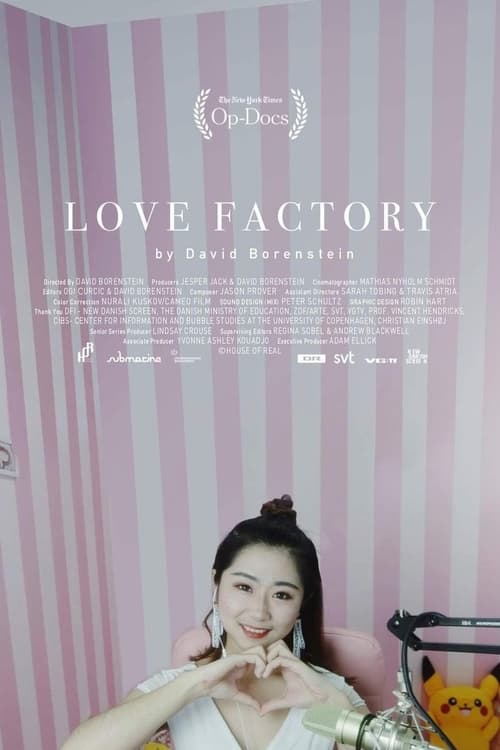
Livestreaming your life to a devoted audience is big business. What happens when the cameras are off?
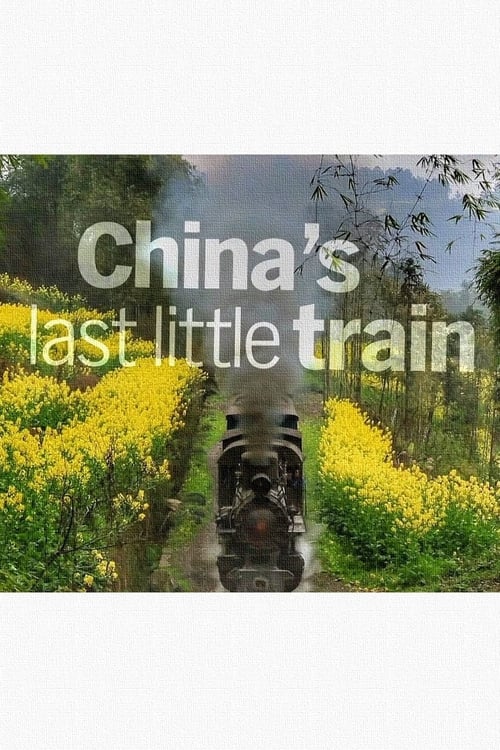
This is the last working narrow gauge steam railway in China. Built 70 years ago to haul coal out of the valley, the 19 km line has evolved to be the main source of transport in the valley carrying children to school, workers to their jobs and pigs to market; all fighting for space in the train's small, unglazed carriages. Now the railway is at a critical point. The mine has shut down and the villagers are fighting to keep the line - and its aging steam locomotives - running. Already the villagers have to make replacement parts by hand. When the boiler goes they face catastrophe. Too large to fabricate themselves, they search far and wide for a company to make a new boiler for them. But even if they can find a new boiler, how can they get it to Jiayang Valley? At a time when attention is focused on China's great leaps in technology, on its maglev and bullet trains, Little Train takes viewers on a journey to the quiet backwaters that are still home to half of China’s population.
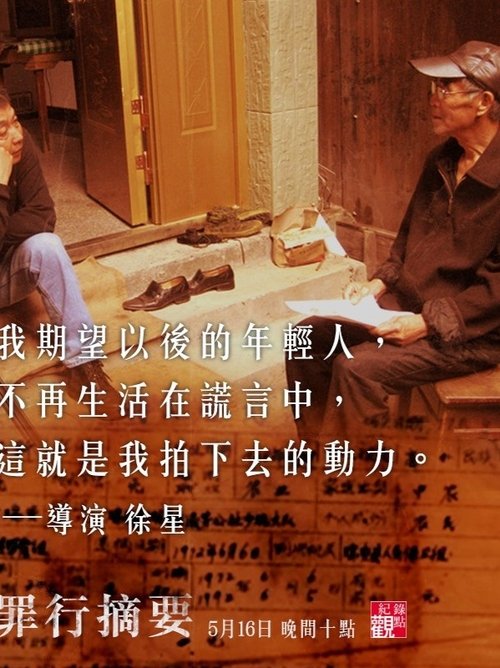
Peasants that were targeted as counter-revolutionaries during the Cultural Revolution in China share their stories in this documentary by Xu Xing.
This film offers us a juxtaposed journey of two priests: Father Van Ban, a Vietnamese priest from the parish of Thy Hu in the Hé region, who after nine years of training in Paris decides to return to Vietnam, and Bernard de Terves, a young deacon from the Foreign Missions of Paris who decides to leave for China after his ordination. Their intersecting paths allow us to address themes related to East-West intercultural dialogue, particularly that of transmitting the Gospel message.
The rock-wild youth of the 1960s during the apparitions of their idols.
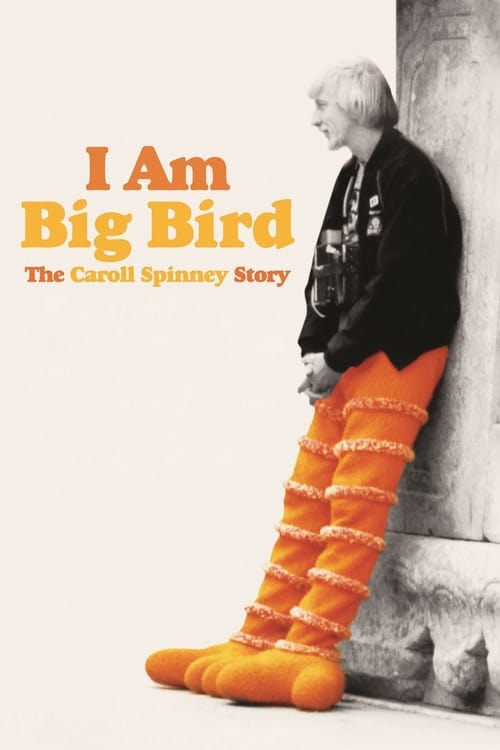
A documentary about Caroll Spinney who has been Sesame Street's Big Bird and Oscar the Grouch since 1969. At 78-years-old, he has no intention of stopping.
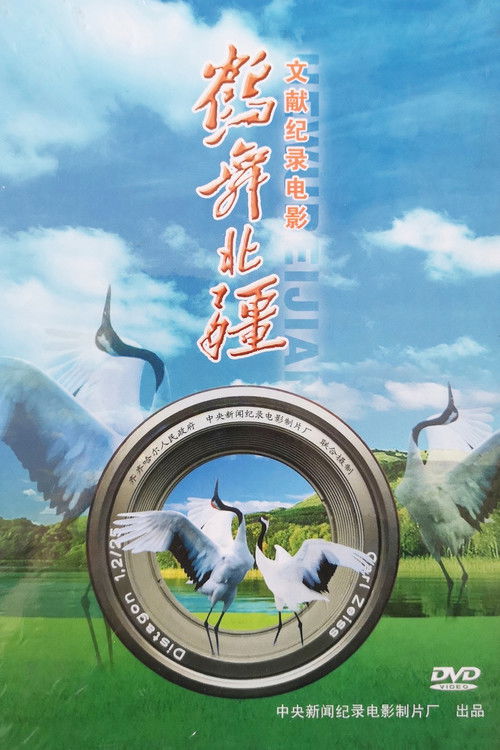
Documentary about the history and development of Qiqihar city.
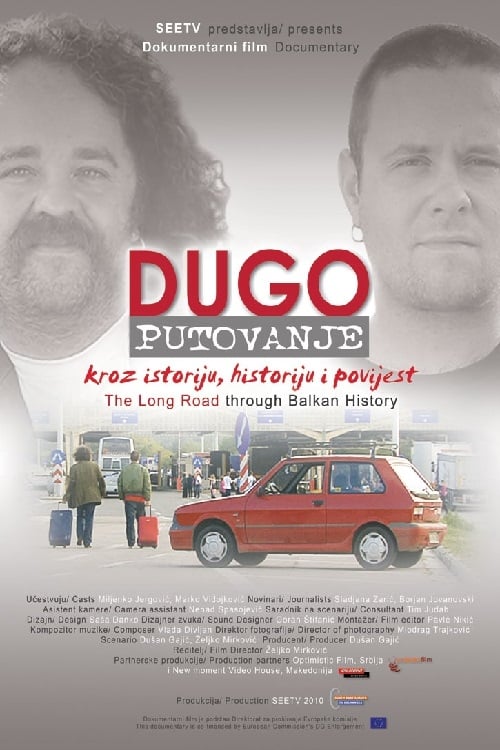
A research-based essay film, but also a very personal perspective on the history of socialist Yugoslavia, its dramatic end, and its recent transformation into a few democratic nation states.
Bosnian Croat writer Miljenko Jergović and Serbian writer Marko Vidojković replace one another by the steering wheel of Yugo, a symbol of their common past while driving on the Brotherhood and Unity Highway that stretched across five of six republics of Yugoslavia.
In China more people are on death row than the rest of the world combined. The children of the convicts are often left alone, stigmatized and living in the streets. Grandma Zhang, as the kids call her, is a former prison guard who has founded an orphanage in Nanzhao.
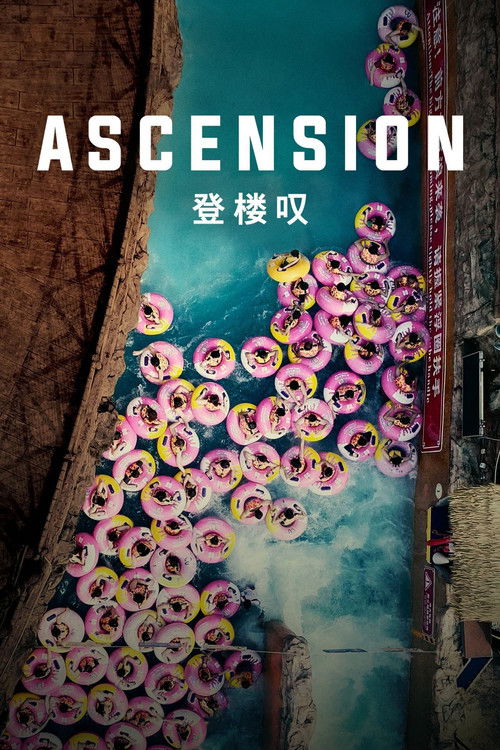
The film explores the pursuit of the “Chinese Dream.” Driven by mesmerizing—and sometimes humorous—imagery, this observational documentary presents a contemporary vision of China that prioritizes productivity and innovation above all.
In the run-up to parliamentary elections in mid-October, Polish filmmaker Marcin Wierzchowski travelled across his country to gauge the atmosphere in a society that is more divided than ever.
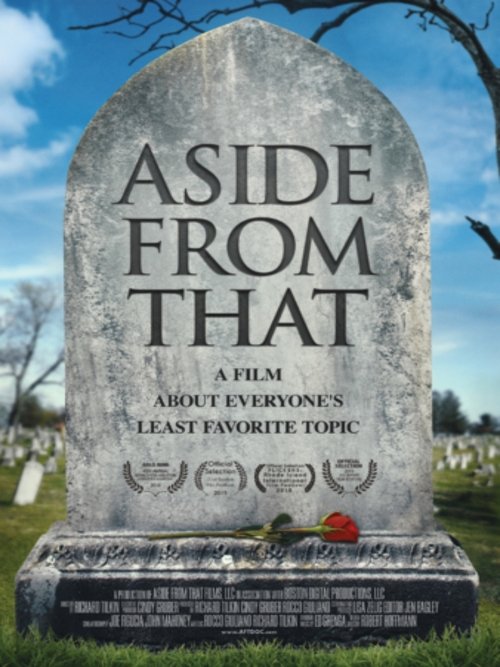
How do we live, knowing we are going to die? In search of answers, we probed the minds of atheists, Buddhists, Jews, Christians, physicians, philosophers, authors, academics, a legendary stand-up comic, and scores of random pedestrians.
Railroad of Hope consists of interviews and footage collected over three days by Ning Ying of migrant agricultural workers traveling from Sichuan in China's interior, to the Xinjiang Autonomous Region, China's northwest frontier.[1] Through informal interviews aboard the cramped rail cars, Ning Ying explores the hopes and dreams of the workers, many of whom have never left their homes before.
An animated documentary that speaks to immigrants' personal experiences living in Aotearoa, exploring themes of racism, discrimination, loss, loneliness, and maintaining cultural ties while living in another country.
More than two decades after it left our screens, BBC Two’s iconic and much-loved music documentary series, Rock Family Trees, is back for a one-off special. The iconic music documentary series returns to examine the real story behind the birth of Britpop and how a handful of like-minded musicians, struggling to find an authentic voice, would pave the way for a revolution in British music. It is an intricately connected story of three of the biggest bands of the 1990s – Suede, Elastica and Blur – and how, for a brief moment in the middle of that decade, they changed British music forever, kickstarting a movement that still reverberates to this day.
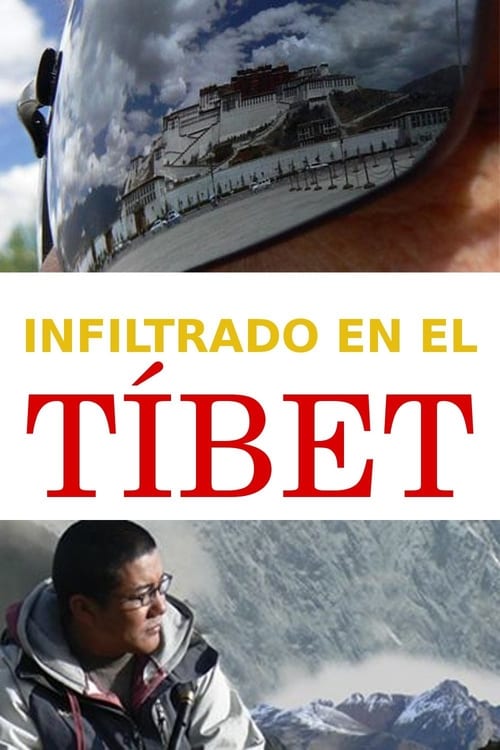
Undercover in Tibet reveals the regime of terror which dominates daily life and makes freedom of expression an impossibility. Tash meets victims of arbitrary arrests, detention, torture and ‘disappearances’ and uncovers evidence of enforced sterilizations on ethnic Tibetan women. He sees for himself the impact of the enormous military and police presence in the region, the hunger and hardship being endured by many Tibetans and hears warnings of the uprising taking place across the provinces now.
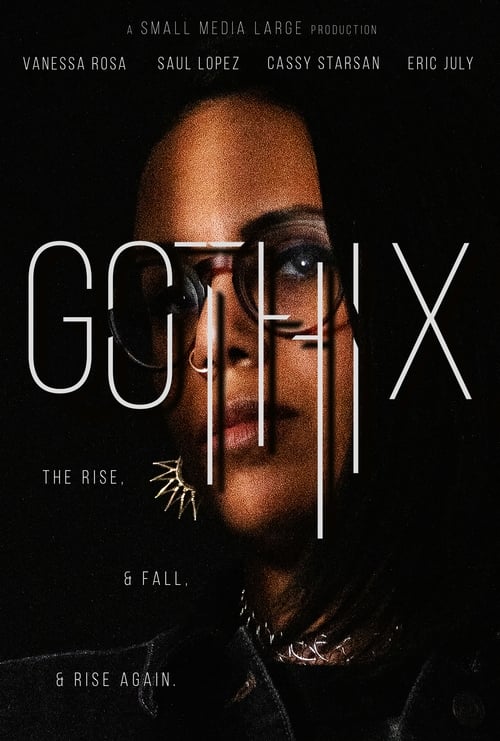
An innovative and charismatic influencer is suddenly exiled from her community of creative partners and colleagues when she states an opinion that she did not know was “unacceptable” in their eyes.