In the Arctic, ice is both all around and constantly disappearing. “Utuqaq” explores climate change from the perspective of this beautiful and vital element, as four researchers embark on an expedition to drill ice cores in subzero temperatures.
Aviaja Lyberth
as Narrator
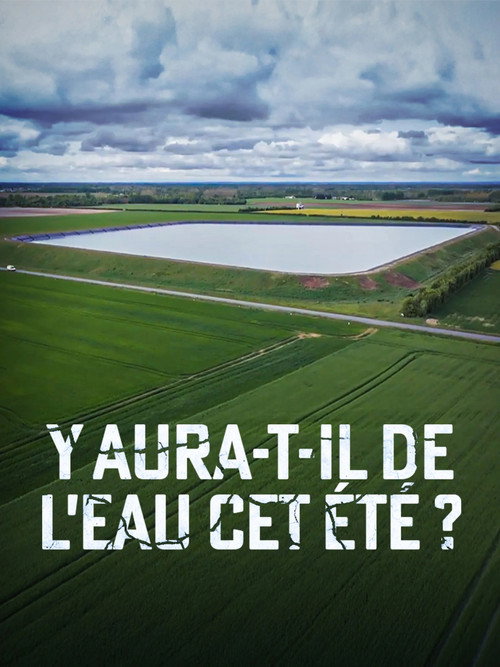
Through encounters with a hydrologist, a farmer, and citizens mobilized around the Marais Poitevin, the director helps us understand the effects—on biodiversity and the state of rivers—of substitution reservoirs, also known as megabassins. For several years, Anne-Morwenn, David, Patrick, Yann, and others have been fighting for fair water sharing and devising ways to convince as many people as possible that it is time to change the agricultural model.
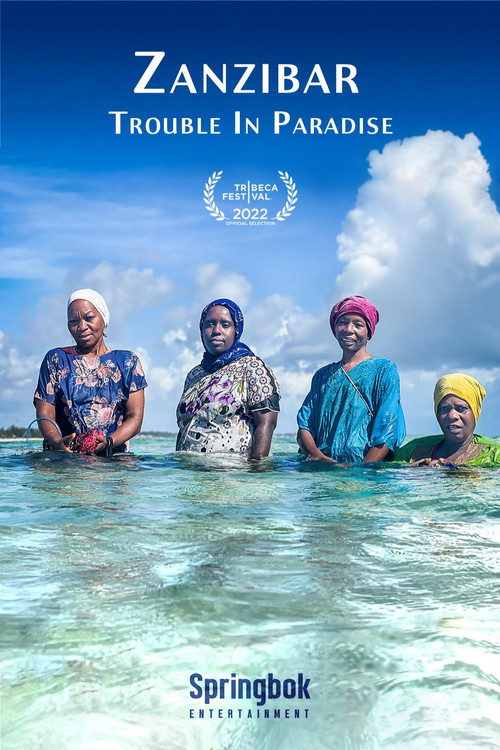
Zanzibar: Trouble in Paradise depicts a group of women who gained financial independence and stability in an otherwise male dominated culture through seaweed farming, until climate change killed the seaweed. The film follows the women, whose ingenuity led them to a new crop, more resistant to climate change: sea sponges. However, new challenges occurred; combating bacteria and climate change threatening their new product as well. In bringing the story of these women to light, the film demonstrates their resiliency and individual struggles facing the effects of climate change. While many documentaries focus on the science, Zanzibar shines a light on the disaster's impact upon those least likely to be heard.
Longyearbyen, Svalbard, is the northernmost settlement in the world. About 3000 polar bears and 400 snow scooters outnumber its 2700 inhabitants. It is a place where you can actually see climate change and social diversity.
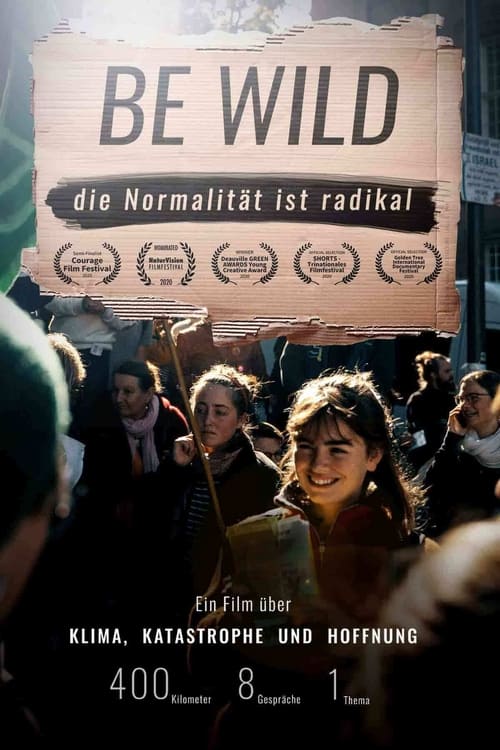
A young film crew searches for ways out of the climate crisis. In different cities they meet people who commit their lives to preserving our environment in different ways. In inspiring conversations they talk about their thoughts, motivation and hope and why we have to break out of our comfort zone. 8 protagonists try to reach out for solutions for climate justice in our future and open up perspectives of hope.
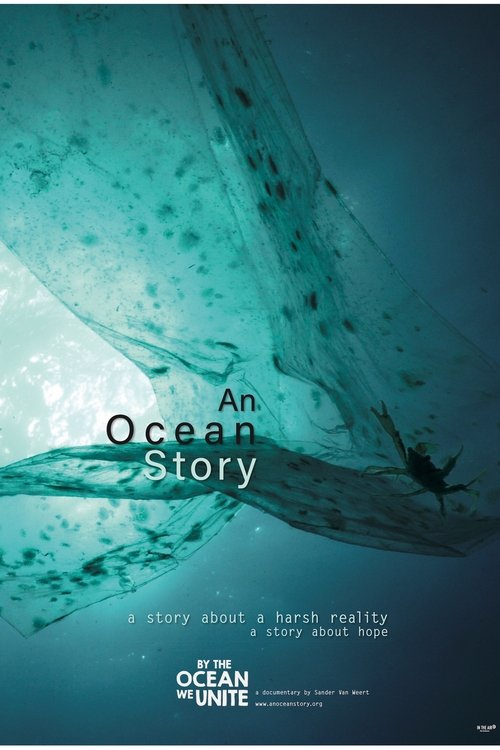
Increasing pollution, over fishing and climate change are major threats our oceans are currently facing worldwide. This documentary follows us on our journey as we film devastating consequences of these harsh realities.
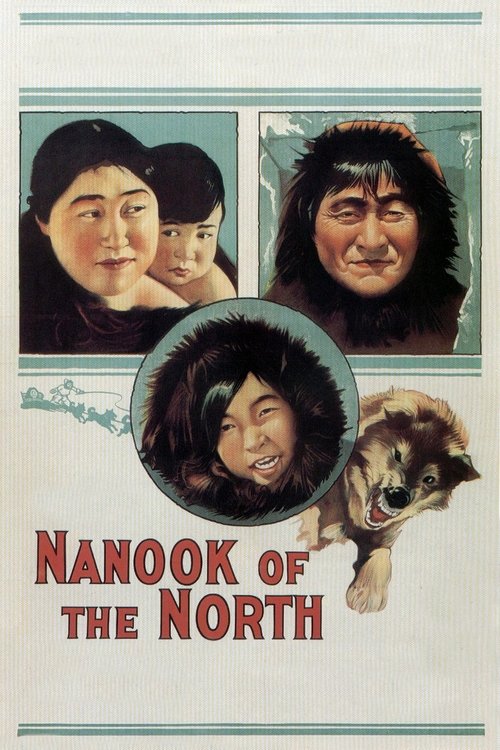
This pioneering documentary film depicts the lives of the indigenous Inuit people of Canada's northern Quebec region. Although the production contains some fictional elements, it vividly shows how its resourceful subjects survive in such a harsh climate, revealing how they construct their igloo homes and find food by hunting and fishing. The film also captures the beautiful, if unforgiving, frozen landscape of the Great White North, far removed from conventional civilization.
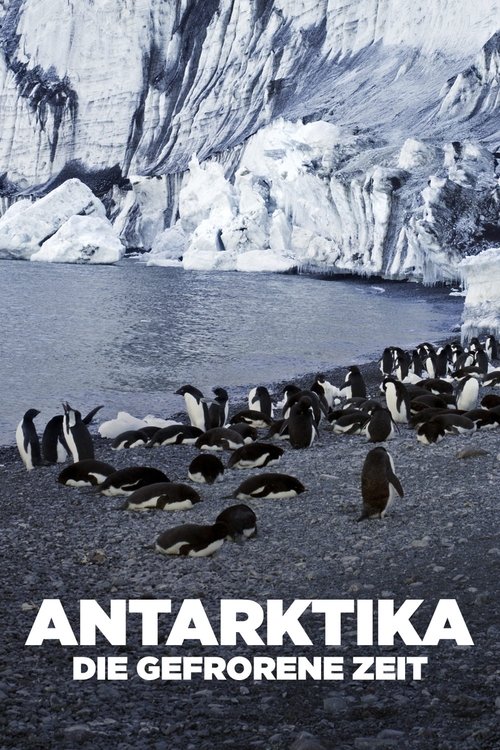
The bleakness of Antarctica is a fallacy. The ice continent is full of life and offers a biodiversity of which only about two percent are known. Much of it is under water and could determine the future of human beings. When the northern lights cover the ice landscape in summer, the animals in the Antarctic are in a paradisiacal state. Whales blow their fountains in the sky, penguins fly like small rockets into the water, seals dive for crabs under the glittering ice floes. From the bay of the Ross Sea to the ice shelf, from the huge penguin colonies to steaming volcanoes, a life in rhythm with the ice. But the consequences of climate change are slowly becoming apparent here too. While some species are dying, others are spreading. They could bring new viruses and bacteria with them, and new dangers for humans too. The structure of nature has gotten off course. How many generations will still be able to experience the magic of Antarctica?
"Adrift" is shot on the arctic island of Spitzbergen and in Norway. It combines time-lapse photography with stop-motion animation of the landscape. Through camera-angles and framing the film gradually dislocates the viewer from a stable base where one loses the sense of scale and grounding.
Documentary about human impact on the world.
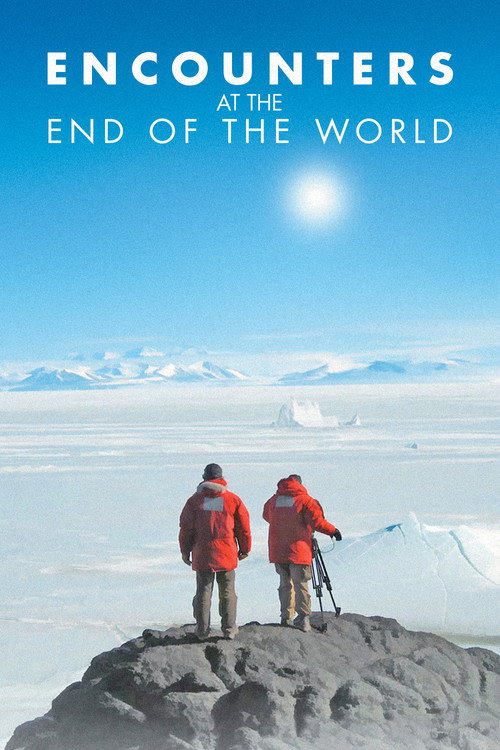
Acclaimed filmmaker Werner Herzog travels to Antarctica, where he finds a desolate, beautiful landscape, largely untouched by human hands, and a group of truly unique people who risk their lives to study it. Centered at McMurdo Station, the United States' largest Antarctic research center, Herzog explores the minds of the scientists willing to abandon civilization and endure volatile conditions to learn more about the continent's wildlife and awe-inspiring natural wonders.
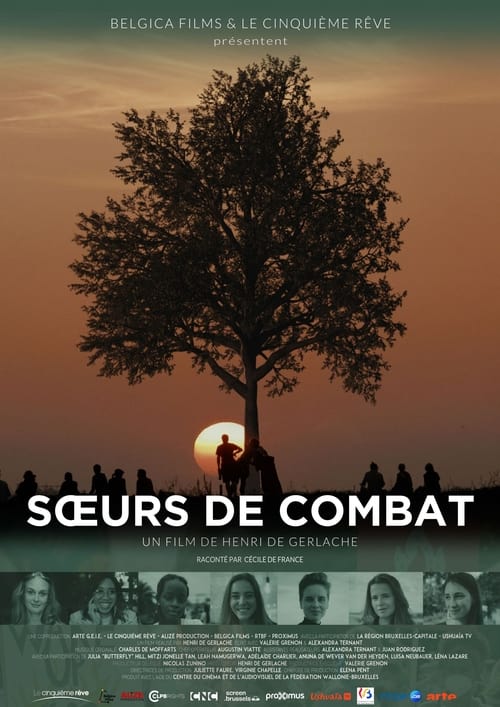
In the wake of Greta Thunberg, the youth has been fighting for several months to save our planet. Leading the marches, on the front pages of the media as well as on social networks, young women have become, sometimes unintentionally, the key figures of this movement. Who are these women? Why are they so cheered and criticized at the same time? To better understanding of the commitment of Anuna and Adelaide (Belgium), Luisa (Germany), Lena (France), Leah (Uganda) and Artemisia (Brazil), we decided to follow them, but also to compare their struggle with that of another extraordinary woman who preceded them: Julia Butterfly. Twenty years ago, after spending 738 days on top of a majestic sequoia, this young American activist managed to save a thousand-year-old forest from being cut down. The film tells the story of the journey of these committed young women, each in their own way, but all driven by a unique energy, these "sisters in arms" tell their doubts and their desire.
Follow the shocking, yet humorous, journey of an aspiring environmentalist, as he daringly seeks to find the real solution to the most pressing environmental issues and true path to sustainability.
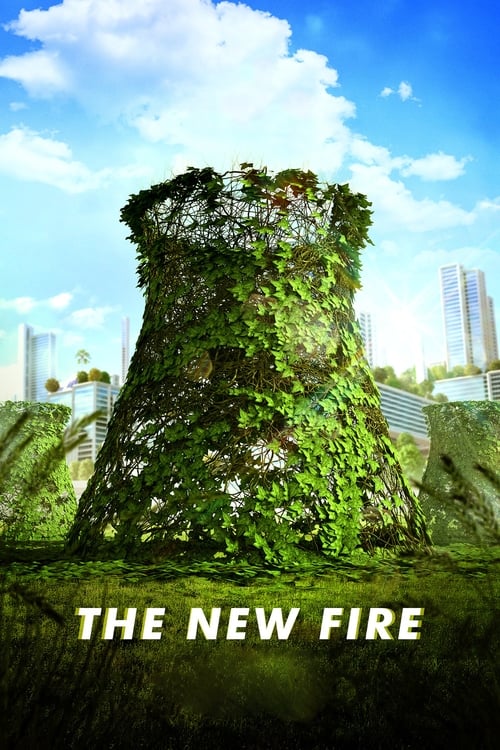
As the effects of climate change become more and more apparent, a new generation of nuclear engineers is on the rise, hoping to help solve this greatest environmental challenge humanity has ever faced. THE NEW FIRE is a documentary by Emmy-winning director David Schumacher, which provides a timely perspective on addressing climate change and global development. Nuclear energy has been vilified in much of the environmental community, yet the next-generation reactors currently in development may actually be the key to avoiding climate catastrophe
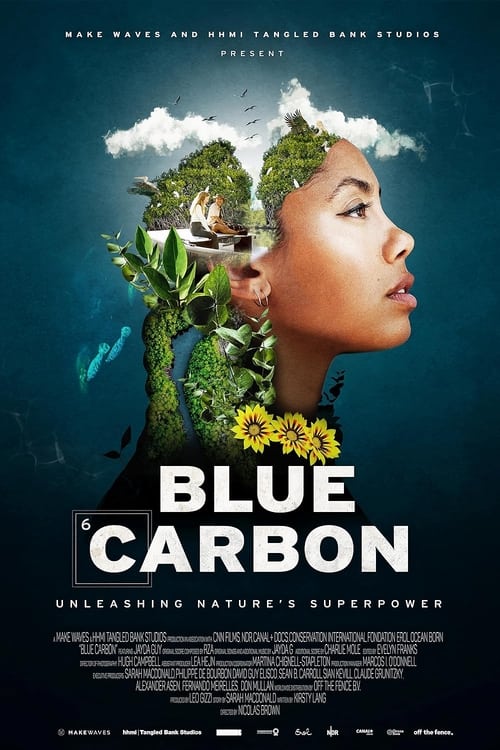
Blue Carbon - Nature's Superpower is a documentary that uses music and science to portray perhaps the best weapon in the fight against climate change.
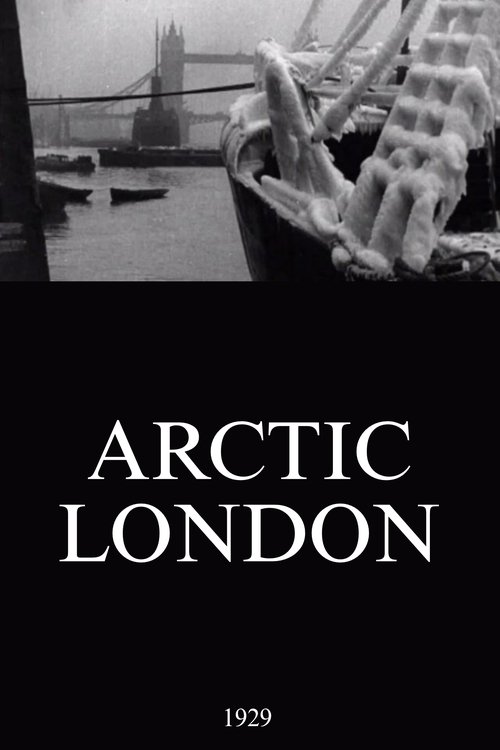
During an unusually harsh winter, a frozen trawler arrives on the river Thames.
This short documentary offers a look at the life forms on the Queen Elizabeth Islands within the Arctic Circle. Even in this frigid zone of icebergs and glaciers a surprising variety of wildlife and vegetation is seen. Writings from the logbooks of early explorers provide vivid descriptions of scenes as arresting to them in their century as to today's explorer. Note: Originally produced for the television series Perspective, this film was distributed separately on 16mm for schools and libraries, qualifying it as a standalone documentary.
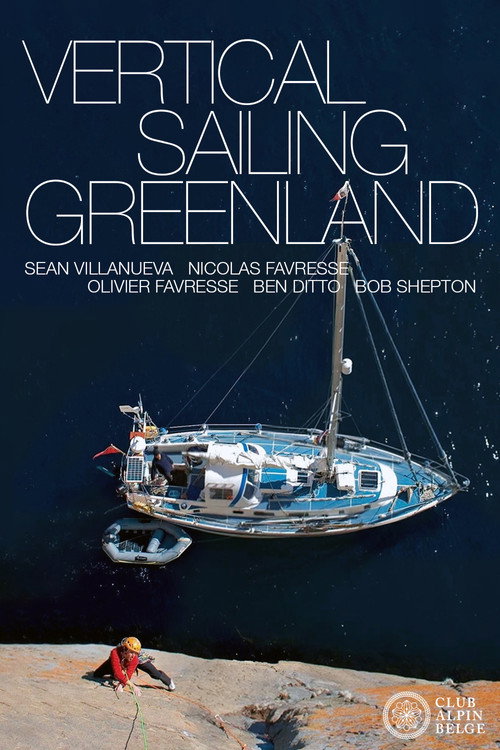
A "team of savages," as their boat captain Bob Shepton calls them, comprised of Sean Villanueva O'Driscoll, Olivier Favresse, Nicolas Favresse, and Ben Ditto, set off for Greenland to attempt a first big wall climb. Arriving in Asia by plane, they prepare the sailboat for two months of self-sufficiency. Accompanied by whales, seagulls, and icebergs, they train on various rock faces before beginning their ascent of the seemingly impossible wall. It takes them 11 days to complete the climb, braving bad weather, the rock itself, the wilderness, and three different bivouac sites—all accompanied by music, of course! The return journey is not without its challenges, as they must avoid a cyclone and cross the Atlantic to reach Oben in Scotland.
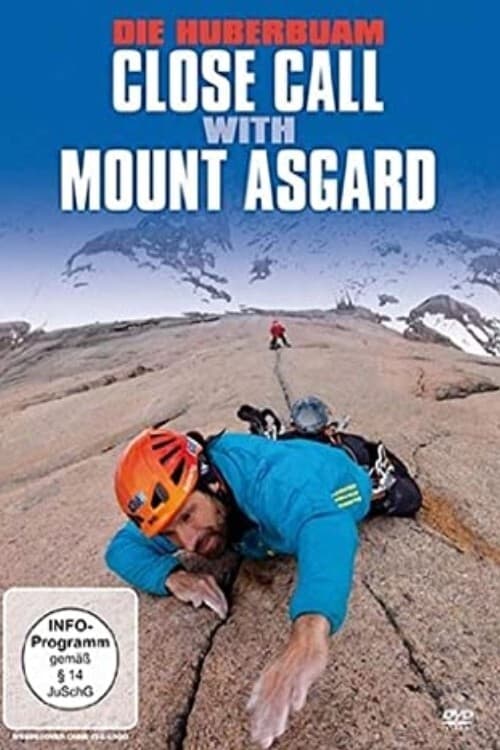
The climbing brothers Thomas and Alexander Huber (Germany) attempt to conquer free the infamous "Bavarian Direttissima" (upper tenth degree of difficulty) on the iconic Mt. Asgard on the Arctic Baffin Island (Canada). A 40 days expedition with polar bears, frostbite and climbing at the peril of their lifes.