On December 13 of 1943 the Nazi occupation army in Greece executed all the male population of the town of Kalavryta while burning it to the ground. Three men who witnessed these events as kids remember.
Giorgos Dimopoulos
as Himself
Sokratis Athanasiadis
Sotiris Thanopoulos
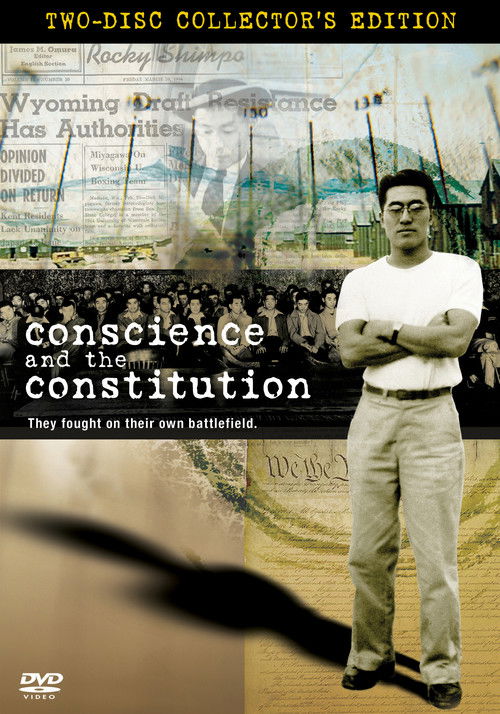
Americans refused to be drafted from the concentration camp at Heart Mountain, Wyoming. Ready to fight, but not before their rights as U.S. citizens were restored and families released.
Tony Robinson’s VE Day: Minute By Minute will take a unique look at a pivotal day in the history of the modern world, delving into the key events that made VE Day such a momentous twenty-four hours. This is the story of what happened on that most celebrated and important day, including original interviews with historians and veterans who tell their stories and share their first-hand experiences. Using unseen archive footage and stills, plus never told accounts from veterans who were there, this one-off special will chart the moment the clock struck midnight, to 24 hours later, when fighting officially stopped across Europe. Up and down the country it was dawning on people that they were waking up not with fear or anxiety, but with relief and excitement. This was a Great Britain no one had experienced for six years. A Britain at peace. At almost no notice street celebrations were being prepared and tens of thousands were flocking to London and other city centres.
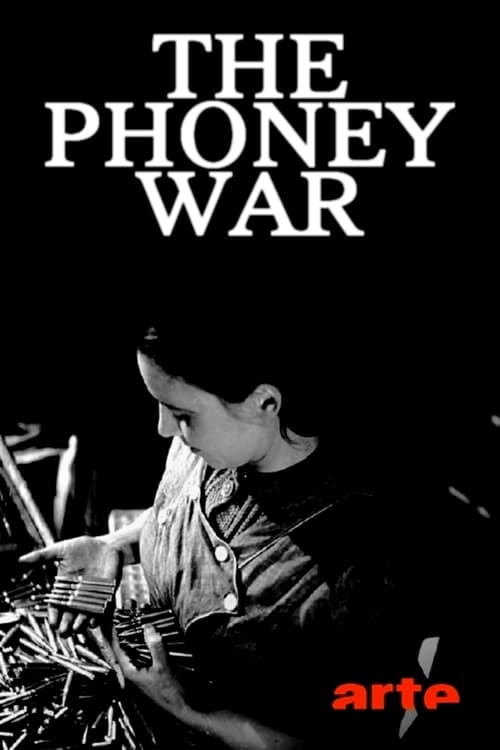
September 3rd, 1939. Britain and France declare war on Nazi Germany, only two days after the Wehrmacht invades Poland. This day, the sad date when the fate of the world changed forever, the Phoney War began: eight months of uncertainty, preparations, evacuations and skirmishes.
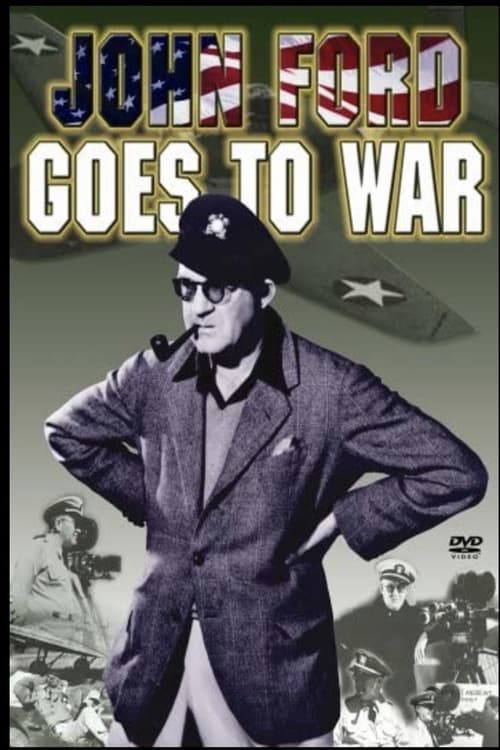
When World War II broke out, John Ford, in his forties, commissioned in the Naval Reserve, was put in charge of the Field Photographic Unit by Bill Donavan, director of the soon-to-be-OSS. During the war, Field Photo made at least 87 documentaries, many with Ford's signature attention to heroism and loss, and many from the point of view of the fighting soldier and sailor. Talking heads discuss Ford's life and personality, the ways that the war gave him fulfillment, and the ways that his war films embodied the same values and conflicts that his Hollywood films did. Among the films profiled are "Battle of Midway," "Torpedo Squadron," "Sexual Hygiene," and "December 7."
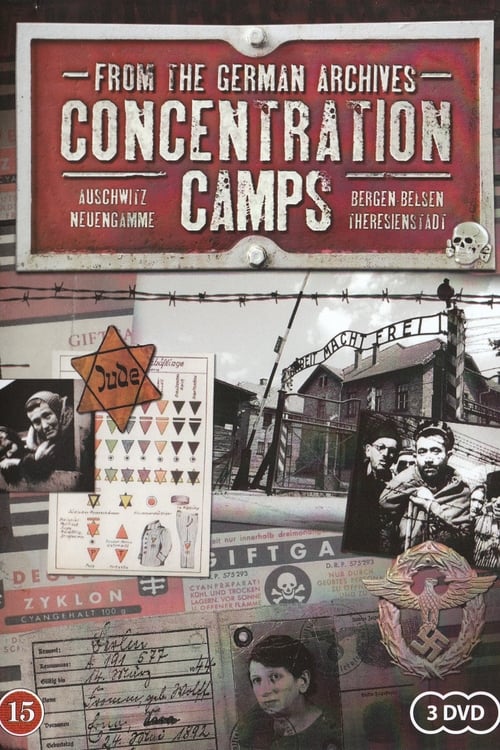
This chilling, vitally important documentary was produced to mark the 40th anniversary of the liberation of Auschwitz Concentration Camp. The film contains unedited, previously unavailable film footage of Auschwitz shot by the Soviet military forces between January 27 and February 28, 1945 and includes an interview with Alexander Voronsov, the cameraman who shot the footage. The horrifying images include: survivors; camp visit by Soviet investigation commission; criminal experiments; forced laborers; evacuation of ill and weak prisoners with the aid of Russian and Polish volunteers; aerial photos of the IG Farben Works in Monowitz; and pictures of local people cleaning up the camp under Soviet supervision. - Written by National Center for Jewish Film
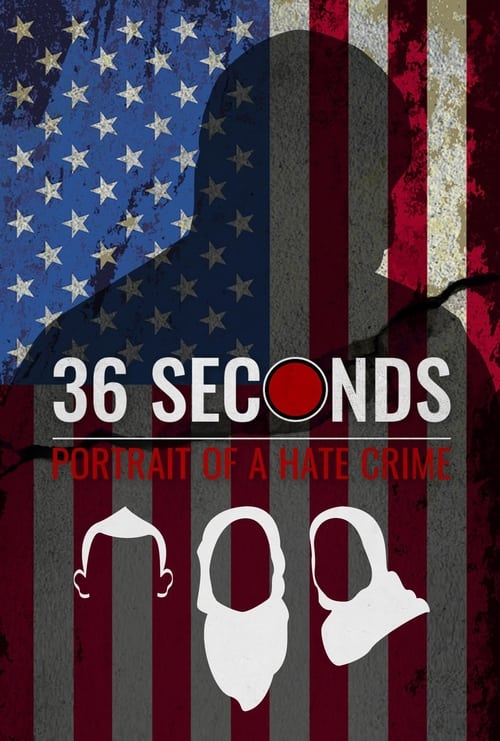
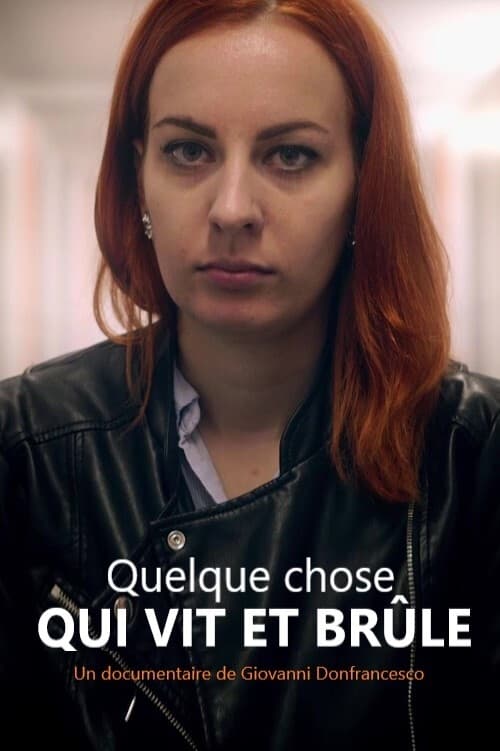
On February 10th, 2015, it took Craig Hicks 36 seconds to extinguish the lives of three young, Muslim Americans. Before they can grieve, the families are forced to become activists to set the record straight about the murders.
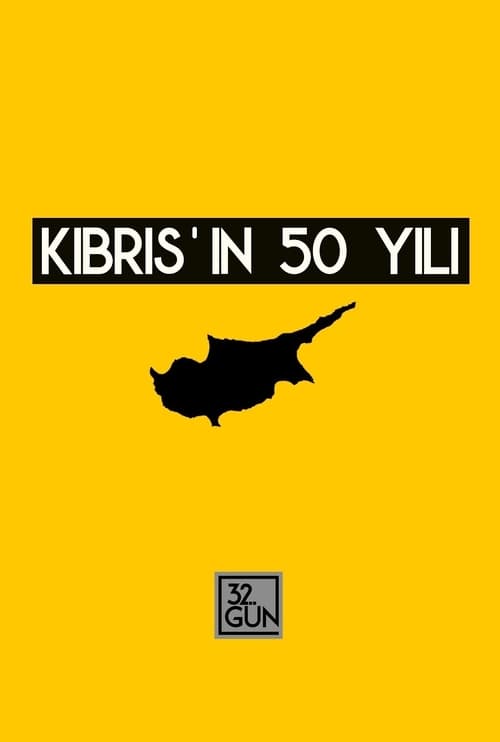
We have a topic that has always been on the agenda of Turkey and the world, which we have been discussing for nearly 40 years: Cyprus. To foreigners, Cyprus is known as an innocent little island under Turkish invasion. Everyone forgot the bloody events of the past. What about us? Do we know? No. Especially the younger generations, who have come to the point of governing the country today, do not know where this country has gone through regarding Cyprus. However, we are now approaching a road junction in Cyprus. I will tell you the story of Cyprus in this documentary. This is a very bloody and sometimes very sad story...
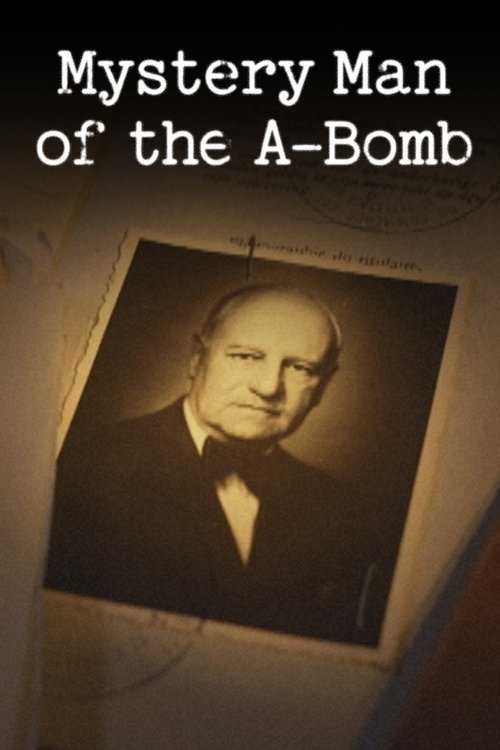
Stories of the people who built the first atomic weapons are well known. But what about those who provided the uranium? We look at a mysterious man who derived huge profits from the business of war.
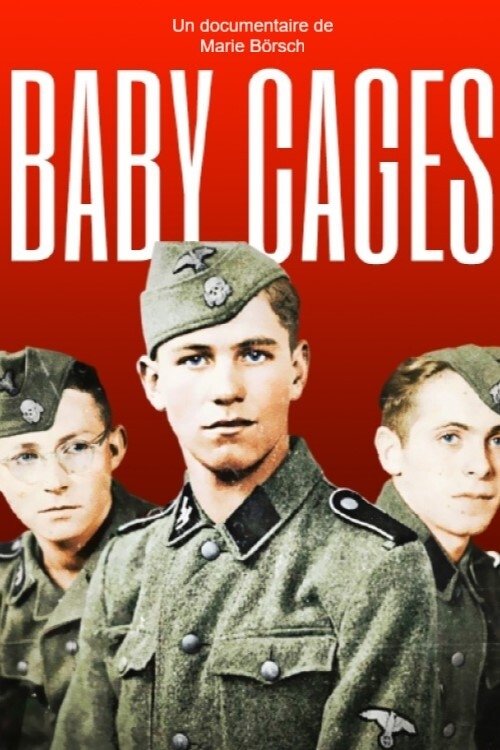
After WWII had ended, it was realized by the American Allies that there were children whom Hitler trained to be soldiers between the ages of 9-17. They were the "Hitler Youth". As the adult German soldiers were taken as prisoners of war, so were the children. These boys were taken to France and reeducated by being taught democracy and treated better than the adult POWs. This story recounted by a former "baby cage" prisoner at the age of 92.
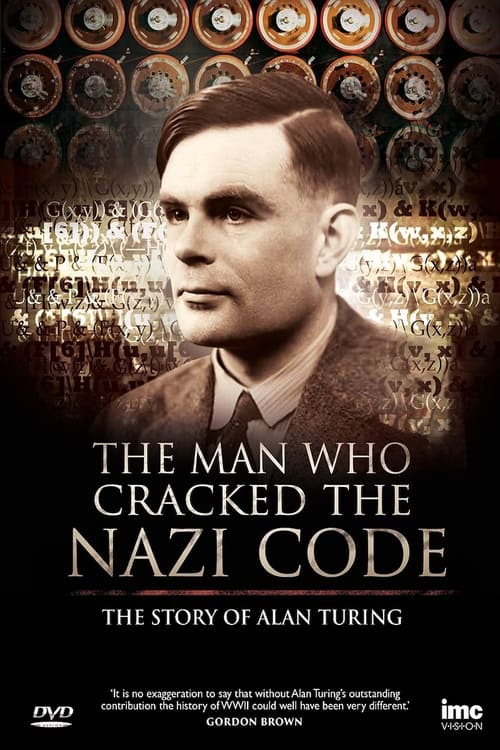
During the Second World War, the allies' key objective was to crack the German army's encrypted communications code. Without a doubt, the key player in this game was Alan Turing, an interdisciplinary scientist and a long-forgotten hero.
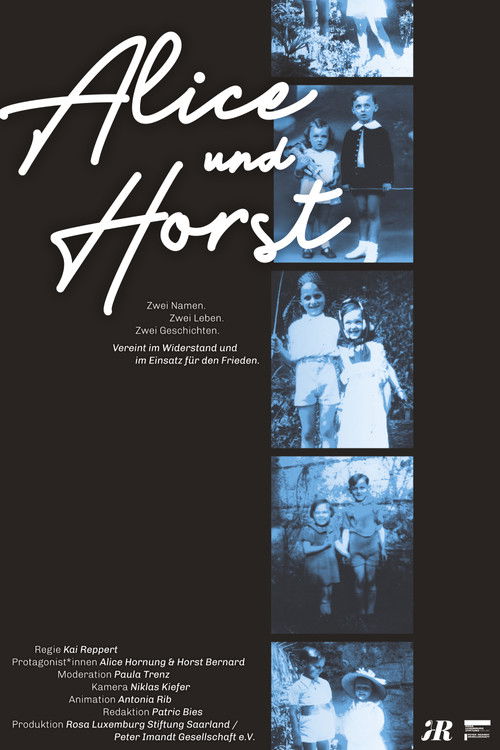
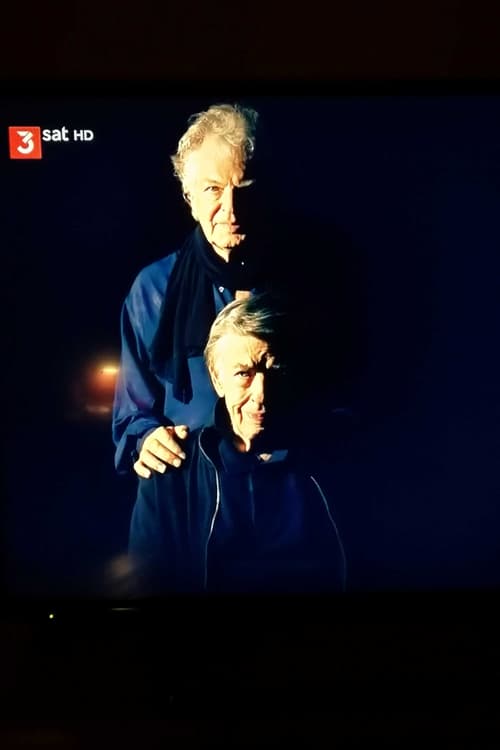
Alice and Horst paints a moving portrait of two siblings from Saarbrücken whose lives were shaped by their family’s antifascist resistance. As children, Alice Hornung and Horst Bernard were forced to flee from the Nazis into exile in France, where, despite constant danger, they also experienced great solidarity. After their return they continued their parents’ political commitment: against fascism, for peace and disarmament. The film combines personal memories with rare archival footage and portrays two individuals who, well into old age, remain unwavering in their commitment to justice and remembrance.
"Letters from Europe" brings to light the words of men and women who gave their lives resisting the Nazi and fascist conquest from 1939 to '45 across the European continent. The moving goodbyes penned by a few of those sentenced to death are sometimes true spiritual testaments that explore the meaning of civic responsibility, human existence, fraternity, and life and death. Their words, which the film mingles with footage of the present day, can perhaps restore meaning to a humanist ideal and to the ever-changing idea of a united Europe.
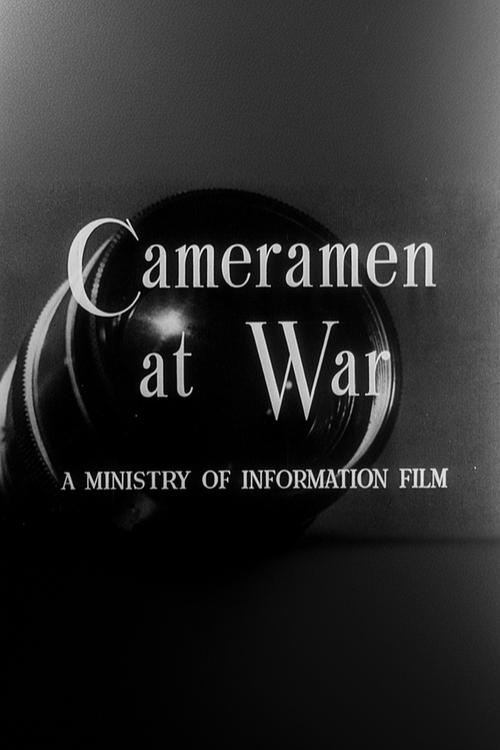
A tribute to the cameramen of the newsreel companies and the service film units, in the form of a compilation of film of the cameramen themselves, their training and some of their most dramatic film.
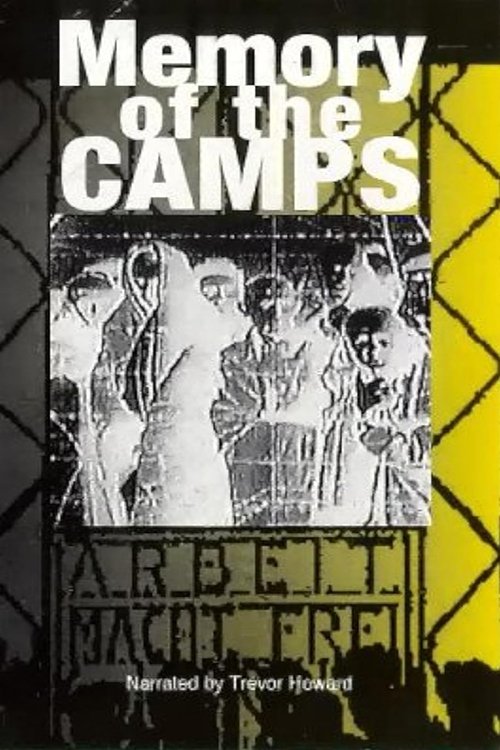
In 1945, Allied troops invaded Germany and liberated Nazi death camps. They found unspeakable horrors which still haunt the world’s conscience. A film was made by British and American film crews who were with the troops liberating the camps. It was directed in part by Alfred Hitchcock and was broadcast for the first time in its entirety on PBS FRONTLINE in 1985.
Britain's Special Operations Executive (SOE) provides trained agents, arms and other assistance to the European resistance groups fighting against Hitler. British agents, Captain Harry Rée DSO, OBE, Croix De Guerre, Médaille de la Résistance, aka "Felix", and Jacqueline Nearne, MBE, aka "Cat", recreate some of their adventures in France.