Devastation of a Welsh-speaking community: Capel Celyn village and farms of the Tryweryn Valley disappear beneath the waters of a reservoir so Liverpool’s thirst may be slaked.
Handling the materials and musing on how to treat or turn the wood, the metal, the paint, the wool, the words and the notes are what spark life in artists and those who experience what they express. They are the essential antidote to the Mr Gradgrinds of the world who insist we should “Never Wonder”. Film-maker Richard Watkins focuses on sculptor David Petersen, poet Harri Webb, the Welsh Brass Consort and Theatr Powys performing Emlyn Williams’ drama ‘Night Must Fall’.
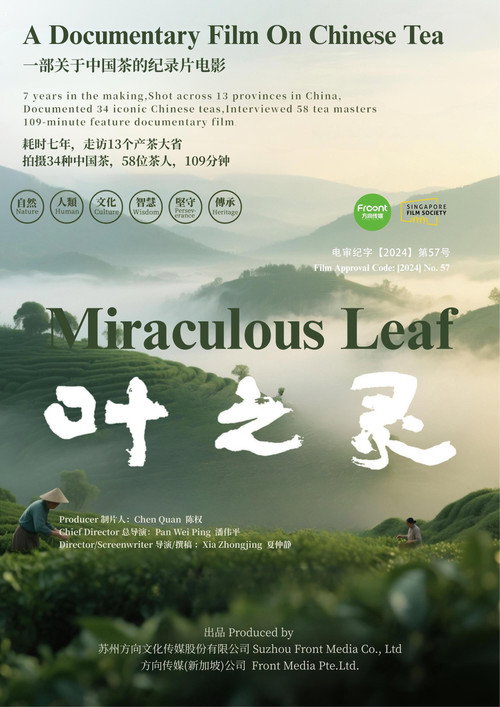
Through the six major categories of Chinese tea, the film traces the historical origins of famous tea-producing regions and explores the lives of generations who have lived with and for tea. It celebrates craftsmanship, explores lesser-known tea-making techniques, and honors the wisdom, dedication, and philosophy of Chinese tea artisans — revealing a deep respect for nature and an unwavering commitment to cultural heritage.
A documentary revealing why America's school closures lasted longer than almost any other nation. Framed as a forensic analysis of what happened to children during school closures, it blends director Natalya Murakhver's perspective as a Soviet immigrant with voices of children and families nationwide, exposing devastating learning loss, mental health crises, and inequality.
Shot on the farm of the Director's grandfather, the short film "Remember me?" shows how certain places can be sources of great inspiration and nostalgia.
In 1980, Jack Shae and Allen Moore, two ethnographic filmmakers from Harvard University, moved their families to the island of Berneray in the Outer Hebrides. Over the course of 18 months they documented the everyday lives and struggles of the crofters they lived among, whom were even then a vanishing breed. The film is in English and Gaelic. This carefully observed documentary by filmmakers Jack Shae and Allen Moore is a poetic ethnographic film in the style of their mentor, Robert Gardner (“Dead Birds”). It follows the rhythm of life on a wind-swept island in the Outer Hebrides through the four seasons and in the filmmakers’ observation of the day-to-day struggles of a vanishing society we see the deep-time legacy of their kind. The film is in English and Gaelic.
In their own words, this is the story of six women from the South Wales valleys and how they helped sustain the bitter year-long miners' strike, changing their lives forever.
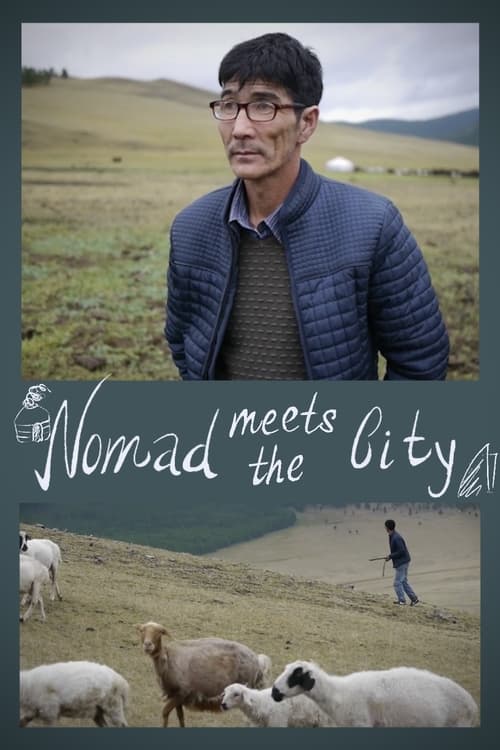
Currently Mongolia’s capital has 1.5 million inhabitants - half the population of the country. 50-year Tumurbaatar is only one of many coming to the city to fulfil their dreams of a better life.
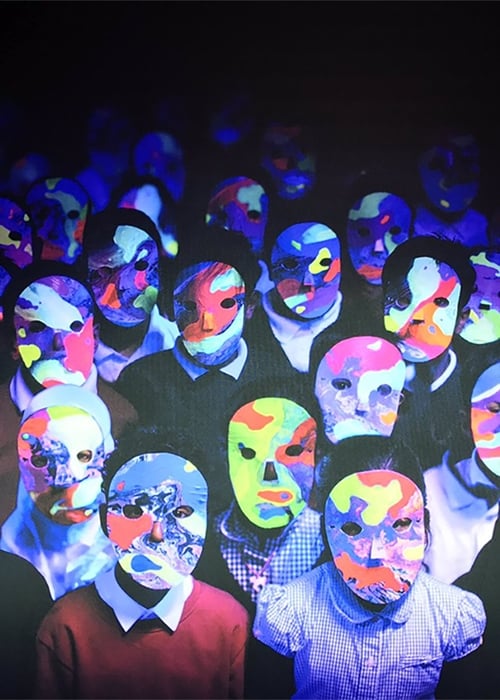
Ted Hughes's 1993 novel The Iron Woman is the springboard for this multi-media project by Mikhail Karikis. The video section of the installation features seven-year-olds from Mayflower Primary School in East London discussing the novel's environmental themes.
Mariana and Xevi work the land from opposite ends of the world. Rooted in agroecology, their projects trace a quiet dialogue between territory, nature and family.
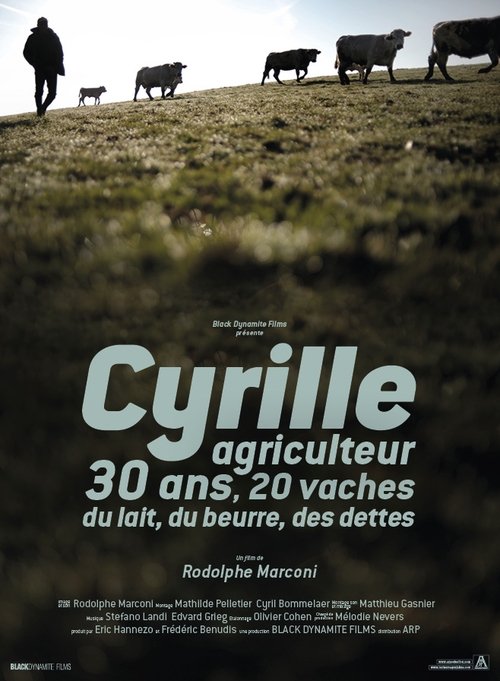
Cyrille, a young gay farmer from Auvergne, has only one friend, a homosexual like him. One day, he goes on vacation to a beach in Charente Maritime. He cannot swim and sees the sea for the first time. It was there that he met the director Rodolphe Marconi who decided to devote this sensitive and gentle portrait to him, plunging us into an agricultural world in crisis and into a life often lonely and made up of hard work rarely pays off.
On August 15th, 2006, filmmaker Ryan Dacko set out to get a 30-minute meeting with a major Hollywood producer by running on foot from Syracuse, New York to Hollywood, California.
The larger than life true story of how a barmaid in a poor Welsh mining village convinces some of her fellow residents to pool their resources to compete in the "sport of kings" with a racehorse they would breed and raise.
The first mountains that the Amsterdam-based Colombian artist and filmmaker Ana Bravo Pérez saw in the Netherlands were black. In this experimental work, she follows the stench of the coal in the port of Amsterdam back to its origin: an open wound in northern Colombia. The mine is located in the territory of the Wayuu and has a huge impact on the indigenous people.