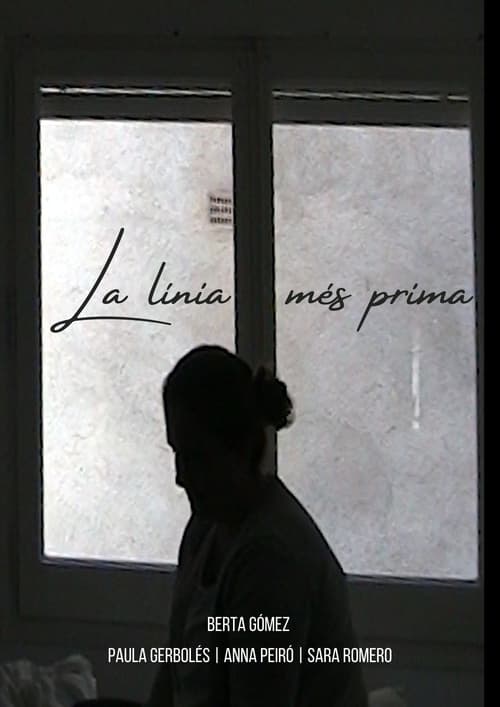
A camera-less portrait of the artist. Super 8 cartridges placed inside a black cotton bag, the film advanced via a hand crank. The tiny gaps in the fabric weave make for dozens (hundreds? thousands?) of tiny pinholes.
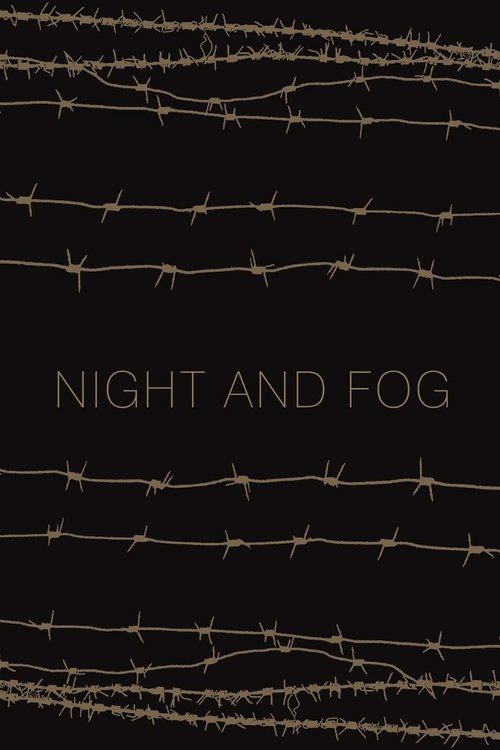
Filmmaker Alain Resnais documents the atrocities behind the walls of Hitler's concentration camps.
A fist-person story of the director of the documentary, who talks about the loneliness that entails living with an eating disorder and her vision now thar she is entering into adulthood.
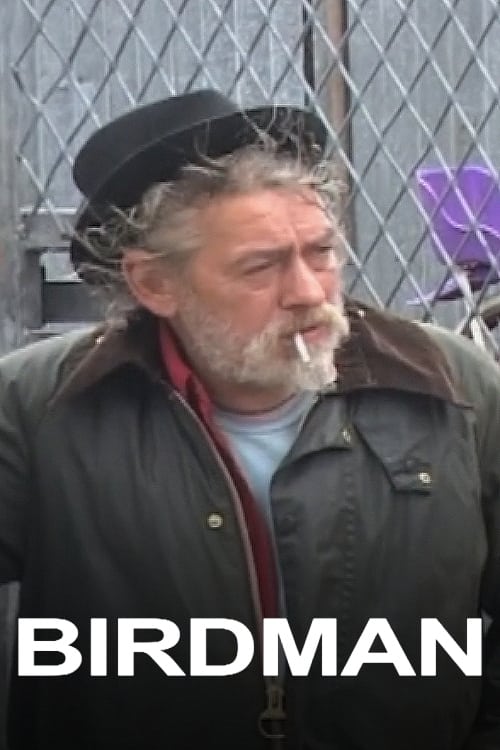
A portrait of Robert, a troubled but poetic soul struggling with his purgatorial existence in a hackney scrapyard.
In 1967, de Andrade was invited by the Italian company Olivetti to produce a documentary on the new Brazilian capital city of Brasília. Constructed during the latter half of the 1950s and founded in 1960, the city was part of an effort to populate Brazil’s vast interior region and was to be the embodiment of democratic urban planning, free from the class divisions and inequalities that characterize so many metropolises. Unsurprisingly, Brasília, Contradições de uma Cidade Nova (Brasília, Contradictions of a New City, 1968) revealed Brasília to be utopic only for the wealthy, replicating the same social problems present in every Brazilian city. (Senses of Cinema)
An exploration —manipulated and staged— of life in Las Hurdes, in the province of Cáceres, in Extremadura, Spain, as it was in 1932. Insalubrity, misery and lack of opportunities provoke the emigration of young people and the solitude of those who remain in the desolation of one of the poorest and least developed Spanish regions at that time.
Delphine Seyrig reads passages from a Valerie Solanas’s SCUM manifesto.
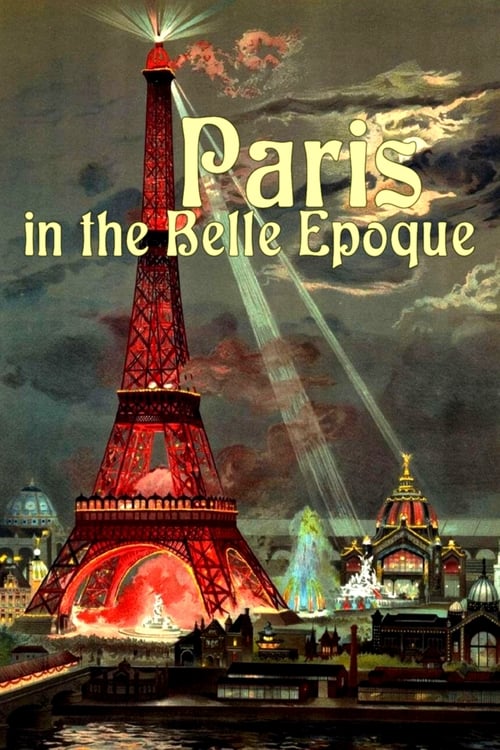
The Bokelberg photographic collection brings to life the Paris of the Belle Époque (1871-1914), an exhibition of workshops and stores with extremely beautiful shop windows before which the owners and their employees proudly pose, hiding behind their eyes the secret history of a great era.
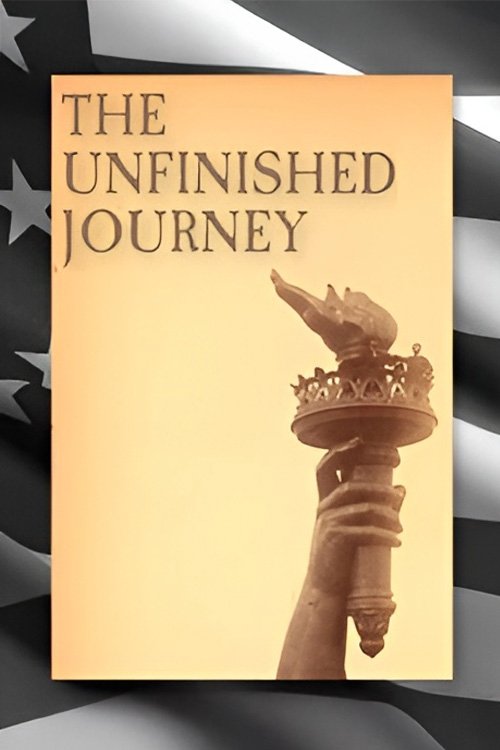
A multimedia short created for the U.S. millennium celebrations, The Unfinished Journey reflects on America’s history and spirit through six chapters—immigration, war, culture, civil rights, and innovation. Commissioned by President Bill Clinton and premiered at the Lincoln Memorial on New Year’s Eve 1999, the film features an original orchestral score by John Williams titled American Journey.
The best known, "Weegee's New York" (1948), presents a surprisingly lyrical view of the city without a hint of crime or murder. Already this film gives evidence, here very restrained, of Weegee's interest in technical tricks: blur, speeded up or slowed-down film, a lens that makes the city's streets curve as if cars are driving over a rainbow. - The New York Times
The Veterans of Foreign Wars as a fraternal and social organization, with emphasis on their projects that benefit community life and cohesion.
Find Fix Finish delves into the stories of three US-Drone pilots revealing the clandestine operational strategies practiced by the US Government.
Those who do not know the Sahara think there is only sand in the desert. But in the desert there are children who play and draw and make movies, and who would like to not have to think about the war. In the desert there's a European colony, an occupied country called Western Sahara, where there are thousands of Sahrawi refugees living a hard life in exile. "Little Sahara" tells their story, the story of a supportive, resilient people who try to thrive and grow in the Hamada, where everything has a hard time growing.
Radiating the radical simplicity of a Lumière actuality, THE MAYBERRY PRACTICE CALF shows an African-American cowboy roping a hunk of tire again and again. "Calf roping is a discipline," Kevin Jerome Everson told an interviewer. "People practice it, they know the language of it and they know how to do it." Everson's camera evinces a comparable degree of discipline, with a single long take functioning as a montage through the serial repetition of the cowboy's action. We may wonder if we're watching a loop but gradually our eyes are drawn to small variations. Practice makes perfect. - Max Goldberg
A film about a young woman's future plans in Munich, Germany. MUNCHEN, RAPHAELA (also known as RAPHAELA RING MUNCHEN) is part of Mike Plante's Lunchfilm series of commissioned shorts (made for the cost of a lunch between Plante and filmmaker Kevin Jerome Everson).
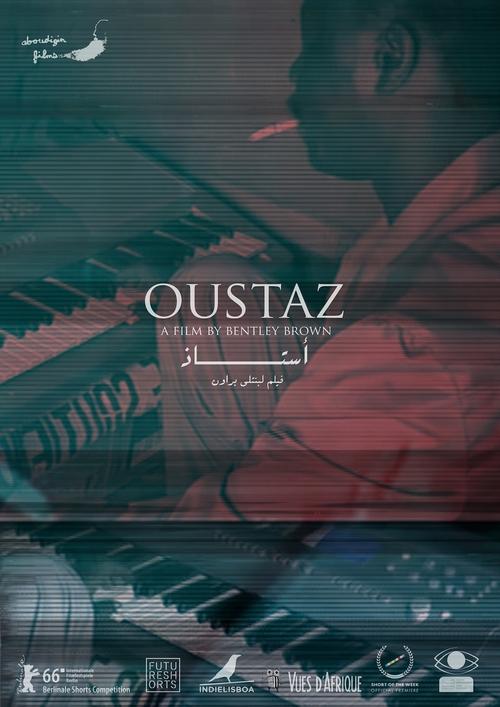
After the death of his Arabic teacher, an American-born filmmaker in the northern African country of Chad revisits home videos to explore the moment they started making movies together.
A synaesthetic portrait made between French Polynesia and Brittany, Color-blind follows the restless ghost of Gauguin in excavating the colonial legacy of a post-postcolonial present.
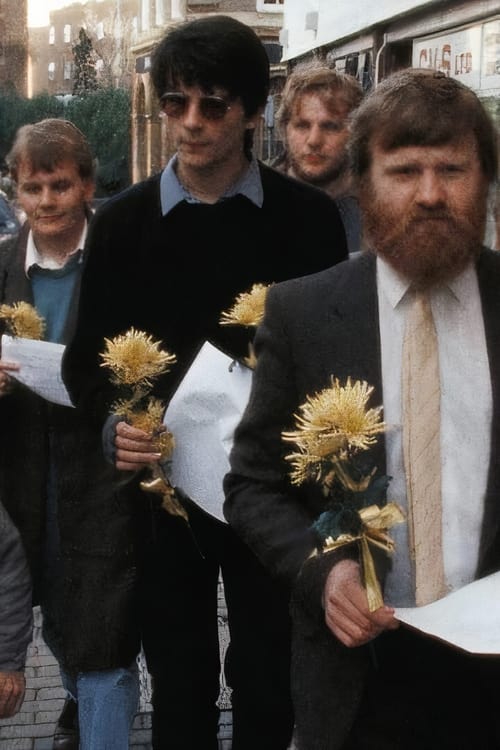
Two councils with two different approaches to LGBT rights.
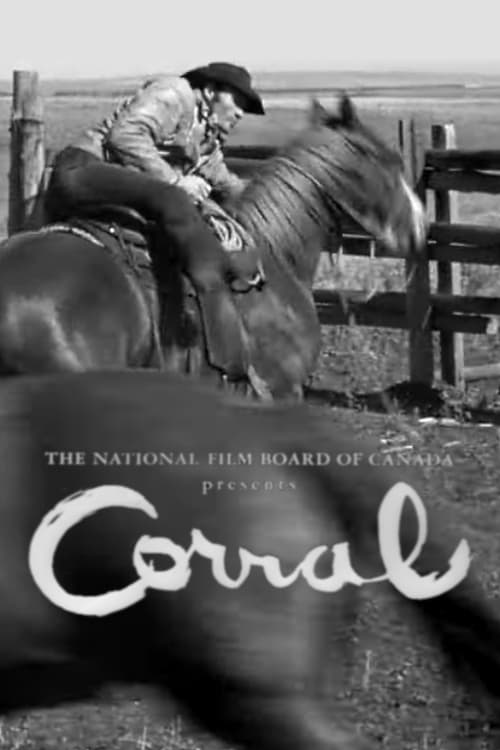
Corral is a 1954 National Film Board of Canada documentary by Colin Low, partly shot in the Cochrane Ranch in what is now Cochrane, Alberta. In the film, a cowboy rounds up wild horses, lassoing one of the high-spirited animals in the corral, then going on a ride across the Rocky Mountain Foothills of Alberta.