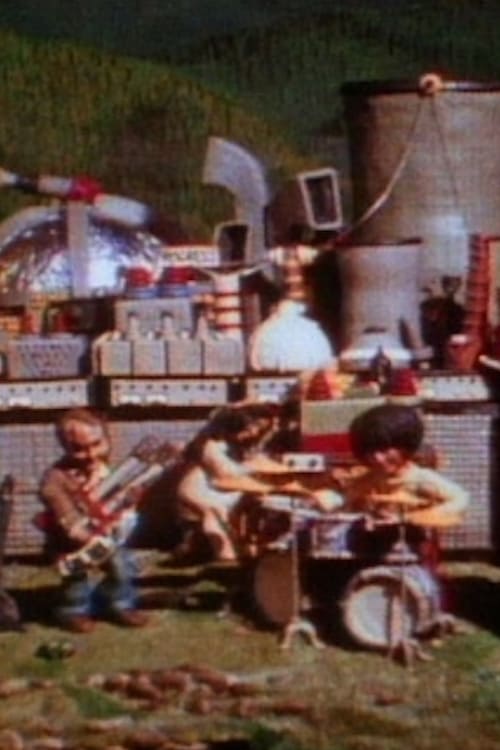
Constantly changing forms, a plains landscape. One of two films based on David and Diana's life in their house in Colorado, which had just burned down. Preserved by the Academy Film Archive in 2008.
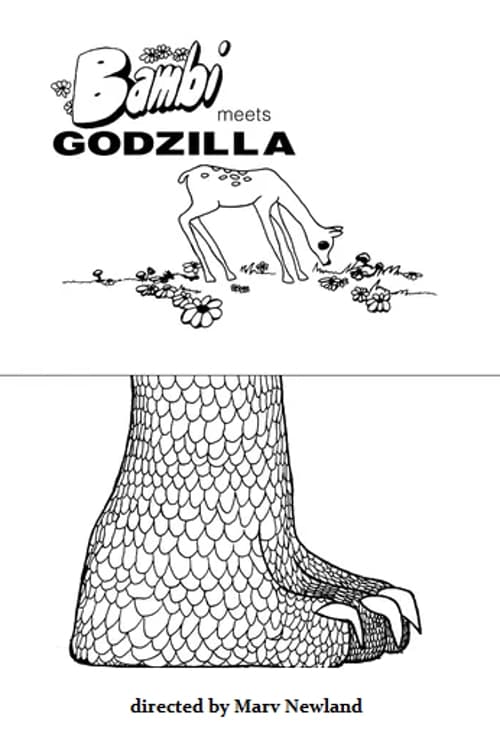
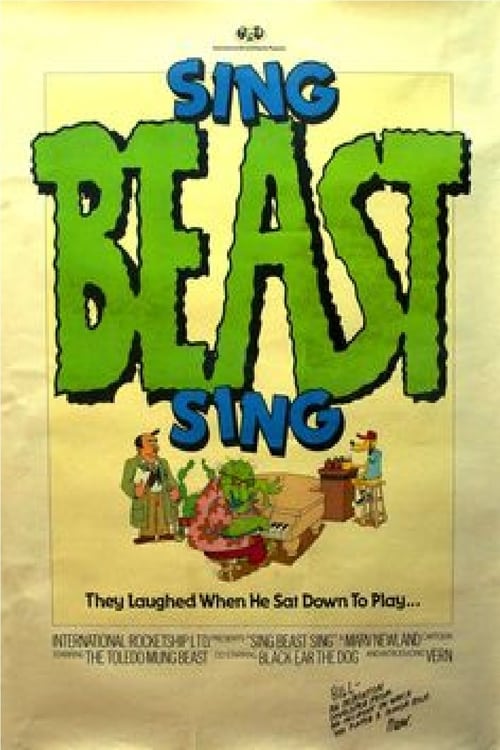
A deer, disillusioned by the consumerism that defines his life. A lizard, ostracized from society, forever wandering. A chance meeting in the middle of a field. Who will survive? And who will transcend existence? Preserved by the Academy Film Archive in 2009.
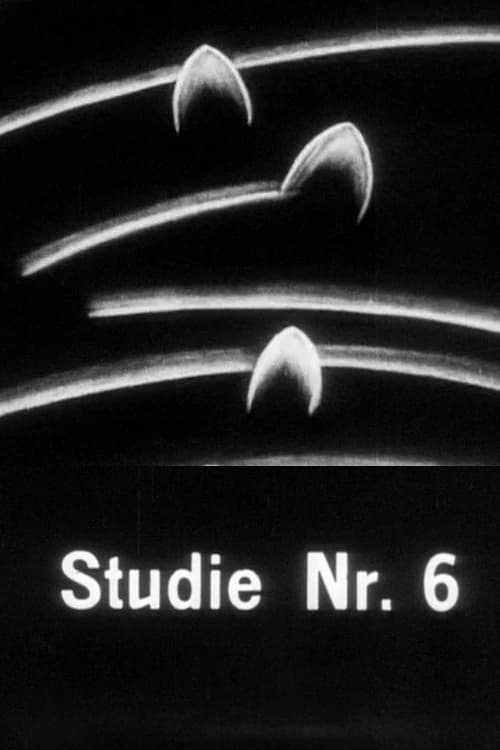
The first Studies were synchronized with records (Fischinger made a total of 13 Studies all without sound). It was only with the introduction of sound, beginning with Study No 6 that the films did full justice to this musical principle. The play of the white lines, the arcs, and the upside-down U’s running hither and thither like ballet dancers was brought into perfect synchronization with the music, and thus the films offered an abstract illustration of the melodies. Study No 6 is certainly the best of his films in terms of forms. - Hans Scheugl and Ernst Schmidt, Jr. Preserved by the Academy Film Archive in 2001.
Mountain Music illustrates what happens when technology gets too advanced too soon. Preserved by the Academy Film Archive in 2012.
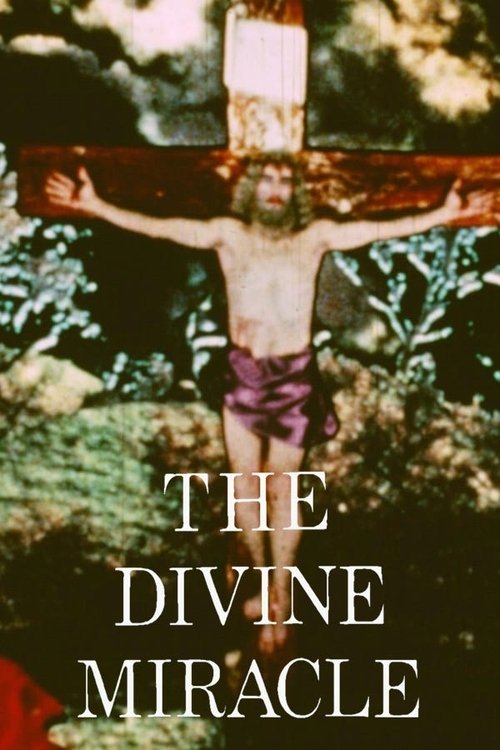
A surrealist translation of Catholic devotional postcard imagery set into unsettling motion. Preserved by the Academy Film Archive in 2008.
Begins as a whimsical piece with 'sheets' of lines running down the screen, progressing into more and more complex geometic patterns but without deviating from the basic precepts of 'dot and line' animation. Jazz piano on a lazy Sunday afternoon, and a spring color palette. -- Stephanie Sapienza. Preserved by the Academy Film Archive in 2001.
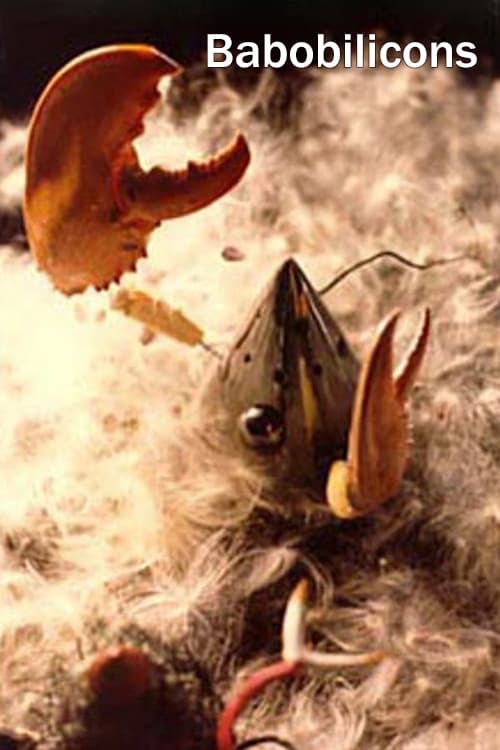
Krumins’ fantasy sets the world of flora and fauna on its ear. At one moment grotesque greenish mushrooms grow, wither and reverse their life-cycle, at another, strange crustacean-like animals speed around on a bed of feathers, next a room is inundated with giant ladybugs… Preserved by the Academy Film Archive in 2009.
The entire film is divided into four consecutive chosen approaches—the fourth section devoted to a reiteration and extension of the original material. Preserved by the Academy Film Archive in 1999.
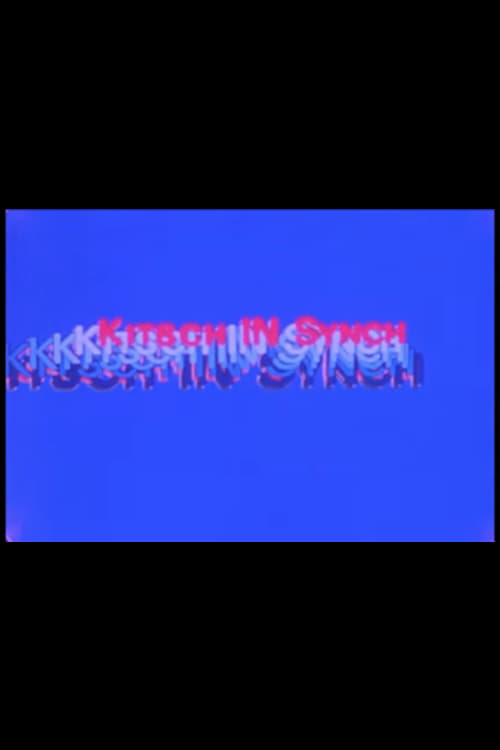
The animation, music, and optical printing of Kitsch in Synch was produced by Beckett and the students in two classes he was teaching at CalArts. Although a group project, it is clear that Beckett was the director. The playful, catchy soundtrack is used to create a cycle of building tension and release. The brightly colored shapes create approximate symmetrical formations and become more densely layered, with glimpses of iconographic objects and even live footage near the end. Preserved by the Academy Film Archive, in partnership with the iotaCenter, in 2007.
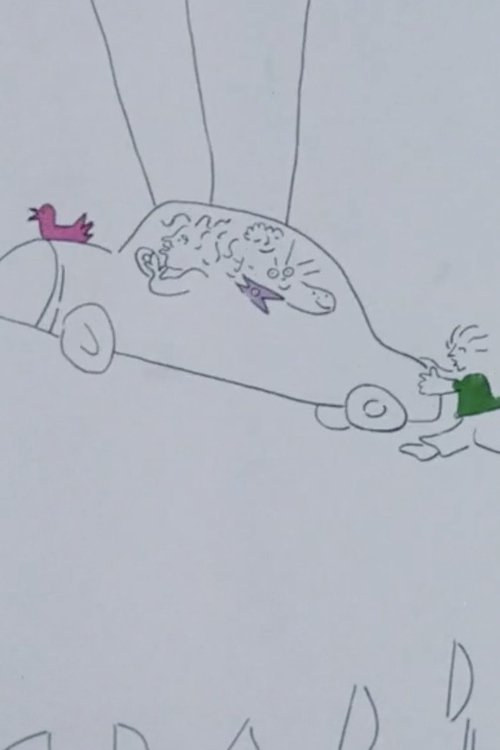
Animated short film. Preserved by the Academy Film Archive in 2009.
Directed by Hy Hirsh. Preserved by the Academy Film Archive in 2000.
A vibrant animation by Patricia Marx. Preserved by the Academy Film Archive in 2000.
"I think of Odalisque as my first film. It was completed after film school and I worked with just a graphite pencil, a small group of colored pencils and animation bond. It is a trilogy of amorous dreams coming from the imagination of a woman recalling her childhood, her beloved twin so difficult to separate from and becoming an adult sexual person. The aria Sempre Libera from La Triviata by Verdi opens the film and the poem Leda and the Swan by WB Yeats ends it. It was great to work with Michael Riesman who created the sound track. I loved working in NYC in those days with Robin McDaniel, Rebecca High and others." Preserved by the Academy Film Archive in 2017.
A symbolic reflection on issues of female sexuality, art and identity constructs.
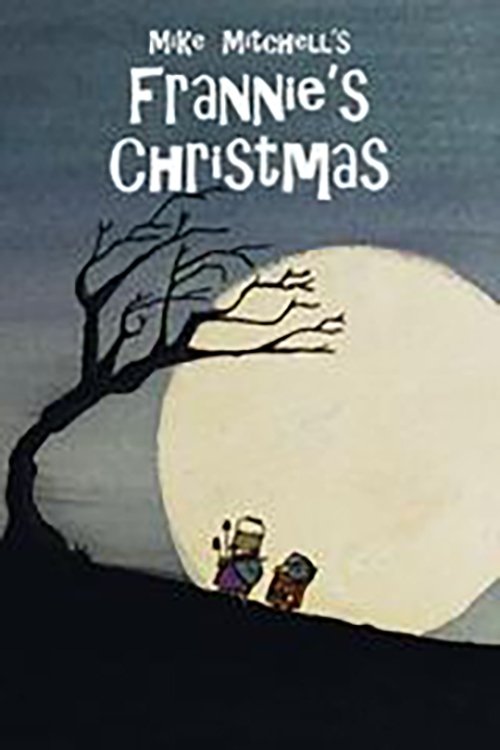
As Christmas approaches, Frannie Stein learns from her snide friend Gloria Oestriger that there is no Santa Claus. Frannie's disbelieving, but her father confirms the horrible truth. Frannie enlists the help of her younger brother, Kenny, and they go to a graveyard to dig up some parts, which they assemble in the Stein basement. Soon, they've finished their creation and are ready for revenge on Gloria. Who says there's no Santa? Preserved by the Academy Film Archive in 2012.
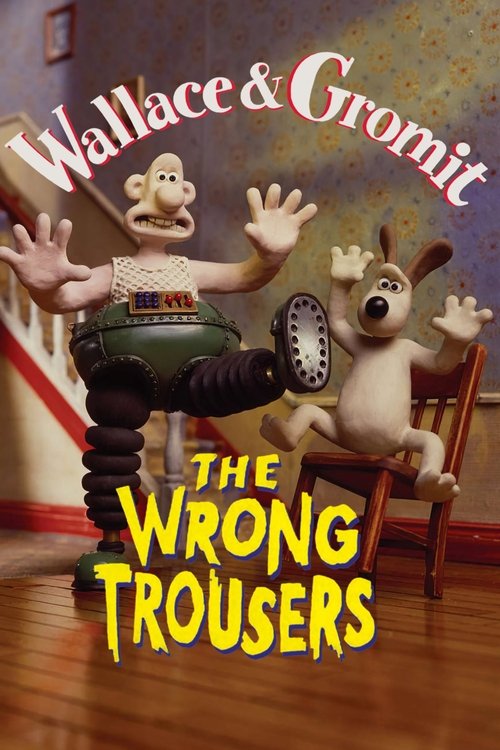
Wallace rents out Gromit's former bedroom to a penguin, who takes up an interest in the techno trousers created by Wallace. However, Gromit later learns that the penguin is a wanted criminal.
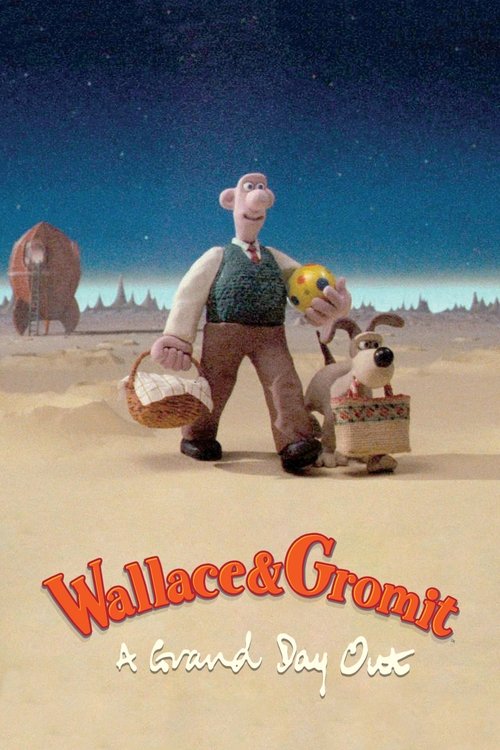
Wallace and Gromit have run out of cheese, and this provides an excellent excuse for the duo to take their holiday to the moon, where, as everyone knows, there is ample cheese.