Throughout her life, Aleksandra has done hard physical work, believing in God and the imminent end of human suffering. Shura, 64, works at the top of the ash hill of the North-Eastern Estonian coal mine.
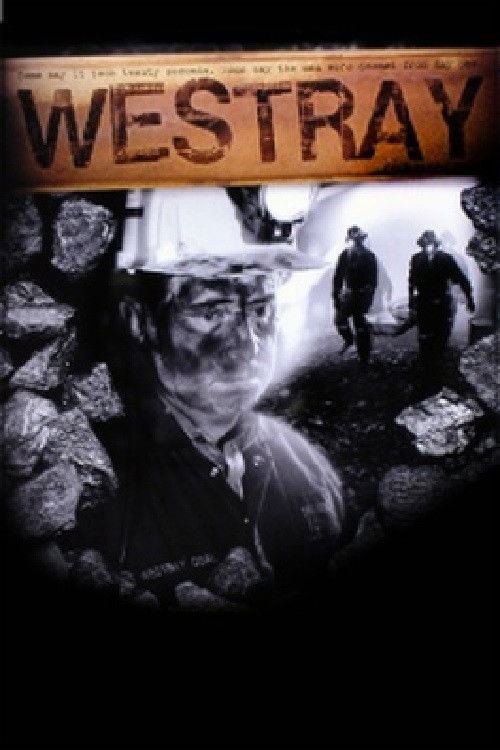
In this feature documentary, filmmaker Paul Cowan offers an innovative, moving account of the Westray coal mine disaster that killed 26 men in Nova Scotia on May 9, 1992. The film focuses on the lives of three widows and three miners lucky enough not to be underground that day when the methane and coal dust ignited. But their lives were torn apart by the events. Meet some of the working men, who felt they had no option but to stay on at Westray. And wives, who heard the rumours, saw their men sometimes bloodied from accidents and stood by them, hoping it would all turn out all right. This is a film about working people everywhere whose lives are often entrusted to companies that violate the most fundamental rules of safety and decency in the name of profit.
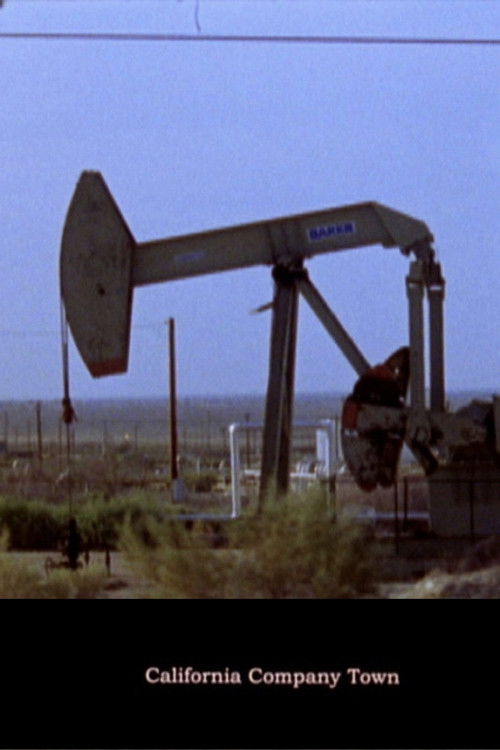
Lee Anne Schmitt explores California's landscape and past to document the history of one-time boom towns built and abandoned by the industries that necessitated their creation. Sold as a limitless land expansive with free opportunity, California was actually, from its onset, fissured by the interwoven needs of private and public interests. Schmitt's film covers various locations through time, as the major industries of the early 20th century (mining, lumber, oil) give way to the military, eventually leading to multinational corporations, and the use of small towns as satellites for growing urban metropolises.
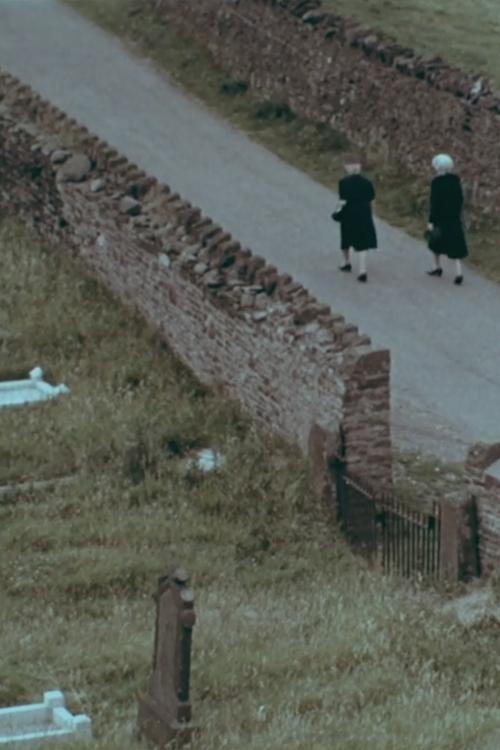
Warwick company newsreel material of the Universal Colliery at Senghenydd on fire after an explosion on 14th October 1913, and footage of a funeral procession for some of the 439 mine workers who were killed, is followed by a collage of images of the town and its people as they are 50 years later. Wynford Vaughan Thomas, narrating his own commentary, wonders if "colour"- superficial re-decoration β can really make any difference to "the inner heart of Senghenydd". Shot on spare, blank pieces of film by James Clark. Assisted by local amateur photographer and former miner Bill Probert. Script written and narrated by Wynford Vaughan Thomas. 1964.
Documentary marking the 30th anniversary of the 1984 miners' strike, one of the bitterest industrial disputes in British history, with stories from both sides of the conflict.
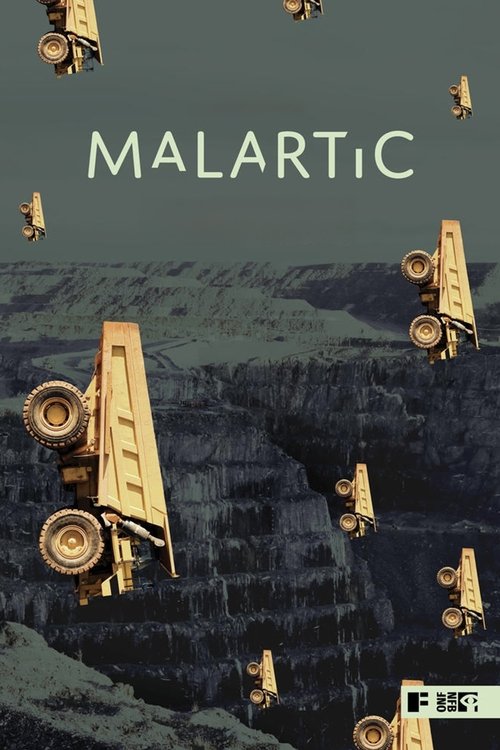
Ten years after an enormous open-pit gold mine began operations in Malartic, the hoped-for economic miracle is nothing more than a mirage. Filmmaker Nicolas Paquet explores the glaring contrast between the townβs decline and the wealth of the mining company, along with the mechanisms of an opaque decision-making system in which ordinary people have little say. Part anthropological study, part investigation into the corridors of power, Malartic addresses the fundamental issue of sustainable and fair land management.
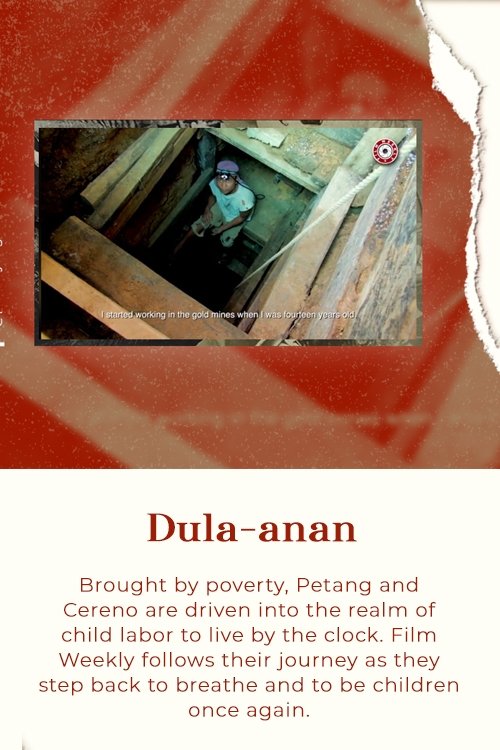
Brought by poverty, Petang and Cereno are driven into the realm of child labor to live by the clock. Film Weekly follows their journey as they step back to breathe and to be children once again.
Director Noah Hutton returns to the same landowners, state officials, and oil workers he captured at the beginning of the Bakken oil boom six years ago in his 2009 debut documentary feature Crude Independence. A new focus on the relationship of the indigenous peoples of North Dakota to their surging fossil wealth casts the ongoing boom in the context of paleo-cycles, climate change, and the dark ecology of the future.