The film is set in Edo period. As an orphan child Mio starts working at a restaurant in Osaka where she learns how to cook. When she turns 18, she moves to Edo (today's Tokyo) where she opens her own restaurant.
Keiko Kitagawa
as
Mieko Harada
Shihori Kanjiya
Yuta Hiraoka
Issey Takahashi
Shigeru Muroi
Ren Osugi
Masahiro Matsuoka
Four people recount different versions of the story of a man's murder and the rape of his wife.
A samurai answers a village's request for protection after he falls on hard times. The town needs protection from bandits, so the samurai gathers six others to help him teach the people how to defend themselves, and the villagers provide the soldiers with food.
Blind traveler Zatoichi is a master swordsman and a masseur with a fondness for gambling on dice games. When he arrives in a village torn apart by warring gangs, he sets out to protect the townspeople.
The 40th and final "Tengu Kurama" feature starring Kanjuro Arashi.
In feudal Japan, during a bloody war between clans, two cowardly and greedy peasants, soldiers of a defeated army, stumble upon a mysterious man who guides them to a fortress hidden in the mountains.
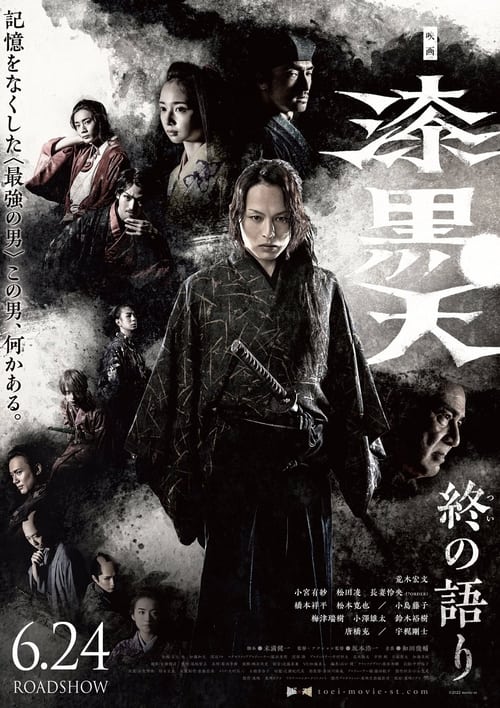
When master swordsman Mikogami Genshiro of the Ono fencing school returns to find that his ailing sensei has been murdered in the dead of night, he must find the culprit and exact revenge. His return sets off a series of violent incidents and incites a high ranked female skilled in sword to test his mettle after he unwittingly offends her. The ever delightful Misora Hibari co-stars with the great Tsuruta Koji in this exciting tale set in the earliest days of the Tokugawa shogunate. Lots of exciting swordfights highlight this entertaining motion picture!
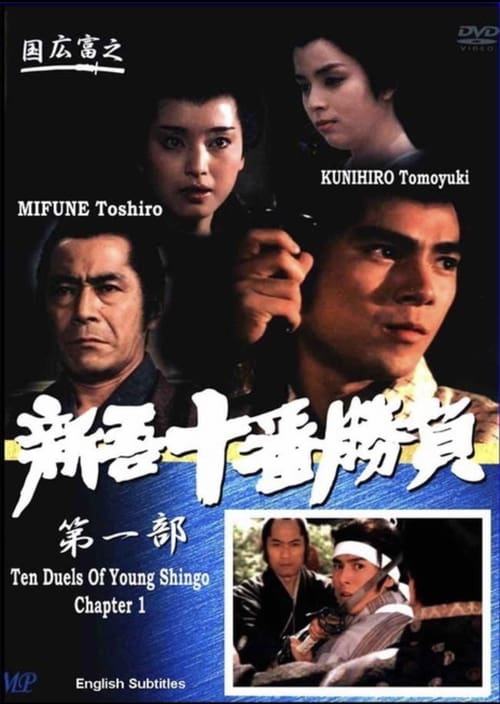
The 21-year-old feudal on Sendai, Tsunamune Date, was prohibited to go out in the daytime for his misbehavior during his short stay in Edo. On the next day, his 4 attendants were killed one after another. Sakai Utanokamike, the Rozyu, is turned out to be involved in this scheme, and the aim is to destroy the Date family. Tsunamune's brother Munekatsu Date who is willing to take over the family doesn't know the real purpose of Utanokami and helps him. Munesuku Harada gets to know the whole picture of the incident and takes action alone for the sake of protecting the Date family, leaving his own family. His lonely fight continues for 10 years and he got in danger in Utanokamike's house, and...
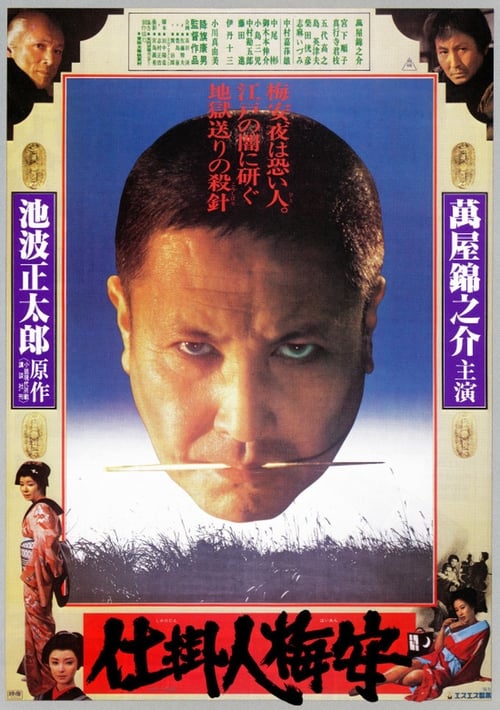
Japan, 1785. Jūzaburō, a famous thief who refuses to kill innocent people, is betrayed, ambushed, and left for dead.
Toma (Go Kato) is a son of a doctor in Takane, Yoshitomo Monzen. He was ordered by the sick federal lord and travel to Edo. It was said that Tsurunosuke, the man supposed to be the next federal lord, got a heavy disease, and the order aimed to make sure if it is true or not. On his way to Edo, Toma gave a hand to Kiku (Mayumi Okamura) who had a stomachache. However, she seemed to be in big trouble, and there were many warriors on the roads… This is the remade drama of “Wakasamamono” written by a popular novelist Tatsuji Satte. Go Kato as Dr. Waka brandishes a sword to come up against the plot of Karo, related to the inheritance of Takane Han.
Saotome Mondonosuke is Hatamoto (a high-class warrior who is allowed to see the Shogun in person) who has a crescent-moon-shaped scar on his forehead with flashy clothes and a handsome face, and is proficient in all the military arts and called Bored Hatamoto. Mikijiro Hira acts as such a hero in history. Mondonosuke is secretly ordered to look into the suspicious movement in Nagoya castle by the Ometsuke, and he found out about the misconduct and sole it. This is a period movie about the hero!
Isozoemon (Go Kato) was a ronin (masterless samurai) and broke, who lived in a Choya (cheap apartment) in Okazakijoka town with his sick wife, Sugie (Ai Kanzaki). He was also a good swordsman who had taught swordsmanship in Akita a long time ago. He takes such good care of his wife that he is called a wife-loving man. He got involved in a conflict for succession because he pretended to become an officer to please her wife.
Returning to their lord's castle, samurai warriors Washizu and Miki are waylaid by a spirit who predicts their futures. When the first part of the spirit's prophecy comes true, Washizu's scheming wife, Asaji, presses him to speed up the rest of the spirit's prophecy by murdering his lord and usurping his place. Director Akira Kurosawa's resetting of William Shakespeare's "Macbeth" in feudal Japan is one of his most acclaimed films.
Aspiring to an easy job as personal physician to a wealthy family, Noboru Yasumoto is disappointed when his first post after medical school takes him to a small country clinic under the gruff doctor Red Beard. Yasumoto rebels in numerous ways, but Red Beard proves a wise and patient teacher. He gradually introduces his student to the unglamorous side of the profession, ultimately assigning him to care for a prostitute rescued from a local brothel.
Two rogue vagrants make their living as "manure men", turning the waste from the tenement toilets into fertiliser sold to local farmers. Enter Okiku, the only daughter of a fallen samurai, and amongst the overflowing piles of excrement, a well-nourished love story unfolds.
Seibei Iguchi leads a difficult life as a low ranking samurai at the turn of the nineteenth century. A widower with a meager income, Seibei struggles to take care of his two daughters and senile mother. New prospects seem to open up when the beautiful Tomoe, a childhood friend, comes back into he and his daughters' life, but as the Japanese feudal system unravels, Seibei is still bound by the code of honor of the samurai and by his own sense of social precedence. How can he find a way to do what is best for those he loves?
An epidemic is spreading through the towns of Edo – it spreads via people, and if you get the fever, your face will turn red like a demon, and then you will die. There is no cure in sight, and people’s anxiety is increasing.
Momotaro carries this sword into battle against injustice in shogunate Japan. Aided by ninja he must now wage a furious battle against the terrible “Ran” clan, villains in league with Ohara Ukon, a bitter samurai nursing a grudge against the shogunate. Together the ruthless conspirators will threaten the foundations of shogunate rule over Japan. Only the relentless slashing sword of Momotaro may save the nation from the Ran clan's army of killers.
A thrilling and entertaining piece in which Jirokichi, portrayed by Morio Kazama, tackles a major event involving an attempt to assassinate the shogun. This production features historical figures such as Toyama Kagemoto, Oshio Heihachiro, Utagawa Hiroshige, and Watanabe Kanzan in their youth, depicting their exploits before they became famous. It becomes a lively portrayal of youthful vigor, with scenes of Jirokichi leaping using trampolines, creating a light and lively action.
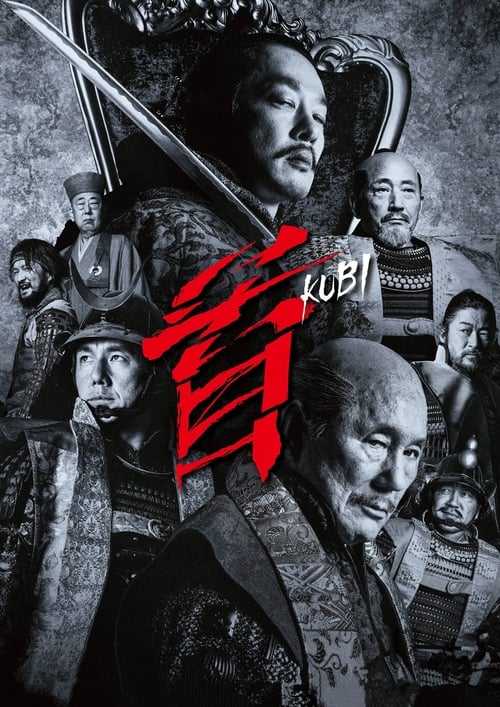
Shakespeare's King Lear is reimagined as a singular historical epic set in sixteenth-century Japan where an aging warlord divides his kingdom between his three sons.
Toshiro Mifune swaggers and snarls to brilliant comic effect in Kurosawa's tightly paced, beautifully composed "Sanjuro." In this companion piece and sequel to "Yojimbo," jaded samurai Sanjuro helps an idealistic group of young warriors weed out their clan's evil influences, and in the process turns their image of a proper samurai on its ear.