Is it possible to replicate the human brain on a computer? To connect it to machines? Research aimed at understanding the functioning of our biological brain is being matched by spectacular progress in the development of artificial intelligence.
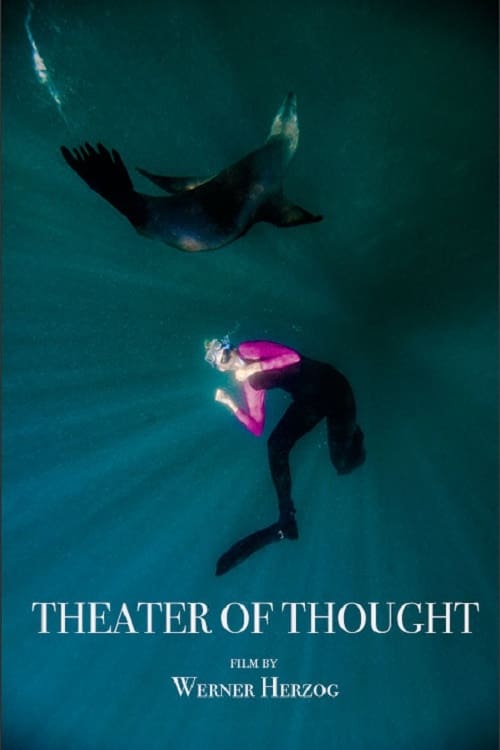
Werner Herzog sets his sights on yet another mysterious landscape — the human brain — for clues as to why a hunk of tissue can produce profound thoughts and feelings while considering the philosophical, ethical, and social implications of fast-advancing neural technology.
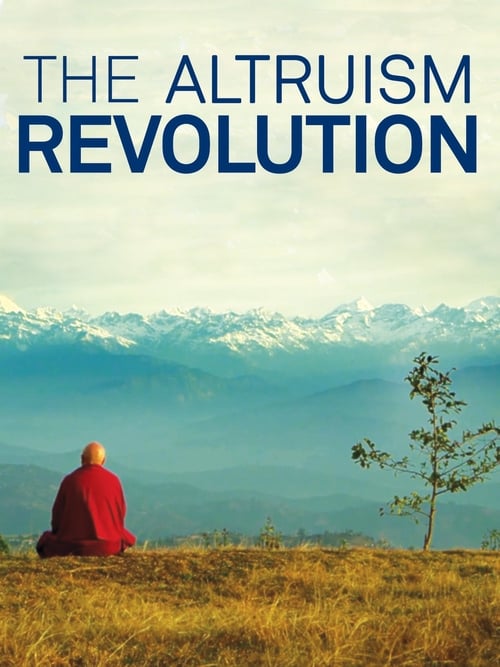
For generations, we have believed that man is driven by ruthless self-interest. But over the past decade, this idea has been increasingly challenged. New research from fields as diverse as political science, psychology, sociology and experimental economics is forcing us to rethink human actions and motivation. ‘The Altruism Revolution’ examines the scientific reasons behind the call for a more caring society.
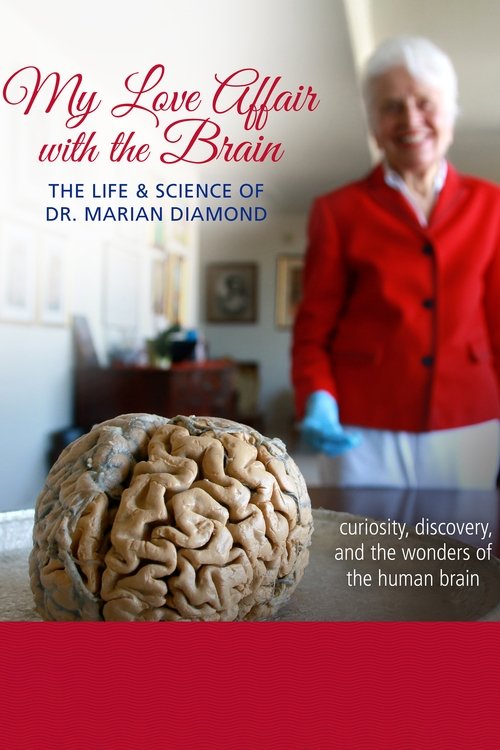
A profile of Dr. Marian Diamond, a brain scientist who is considered one of the founders of modern neuroscience.
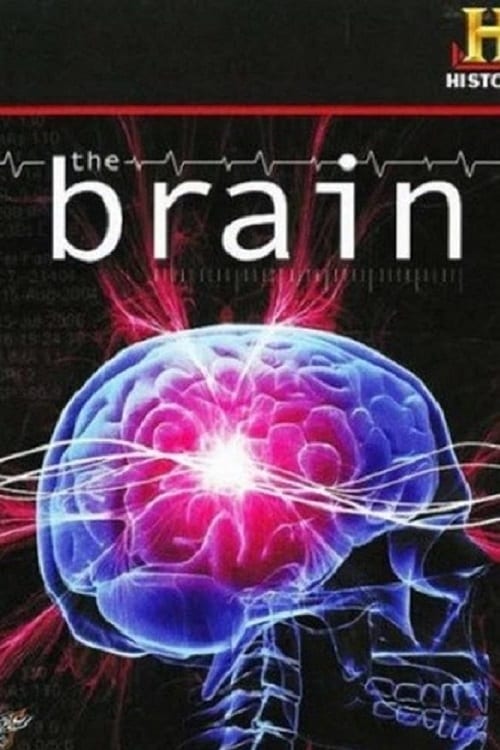
THE BRAIN is an astonishing voyage of discovery into our last biological frontier. Although today s computers can make calculations in one-100th of a second and technology can transport us outside the bonds of Earth, only now are we beginning to understand the most complex machine in the universe. Using simple analogies, real-life case studies, and state-of-the-art CGI, this special shows how the brain works, explains the frequent battle between instinct and reason, and unravels the mysteries of memory and decision-making. It takes us inside the mind of a soldier under fire to see how decisions are made in extreme situations, examines how an autistic person like Rain Man develops remarkable skills, and takes on the age-old question of what makes one person good and another evil. Research is rushing forward. We’ve learned more about the workings of the brain in the last five years than in the previous one hundred.
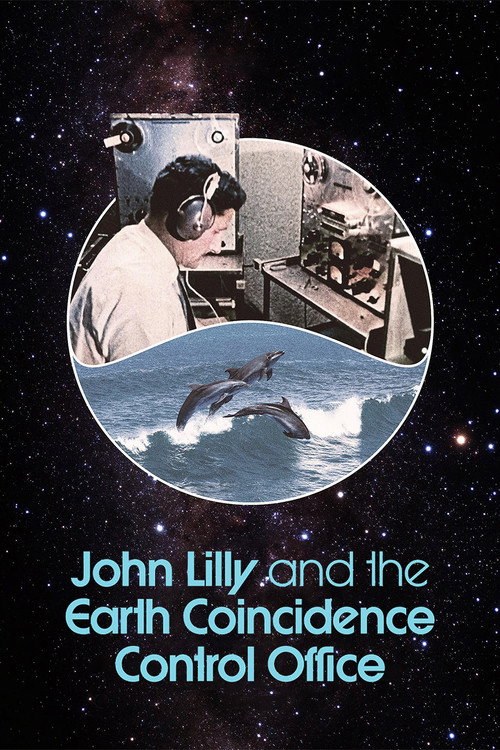
The daring experimenter Dr. John C. Lilly dedicated his life to radical self-investigation and unlocking the mysteries of consciousness and communication. “My body is my laboratory” was the motto, and his research on the language of dolphins and whales – as well as psychedelics and sensory deprivation – assured his own cult status in 20th-century pop culture as the basis for Ken Russel’s Altered States and Mike Nichols’s The Day of the Dolphin. Directors Michael Almareyda and Courtney Stephens, along with narrator Chloë Sevigny, explore the life of a determined scientist and his experiments into the psychonautical unknown.
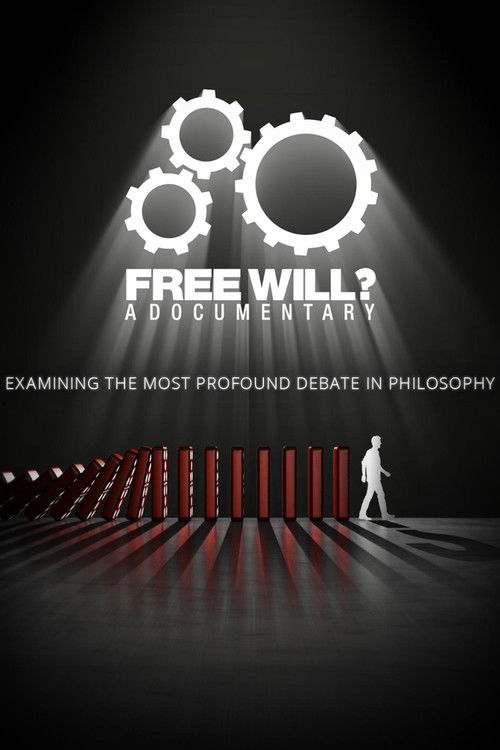
An in-depth investigation featuring world renowned philosophers and scientists into the most profound philosophical debate of all time: Do we have free will?
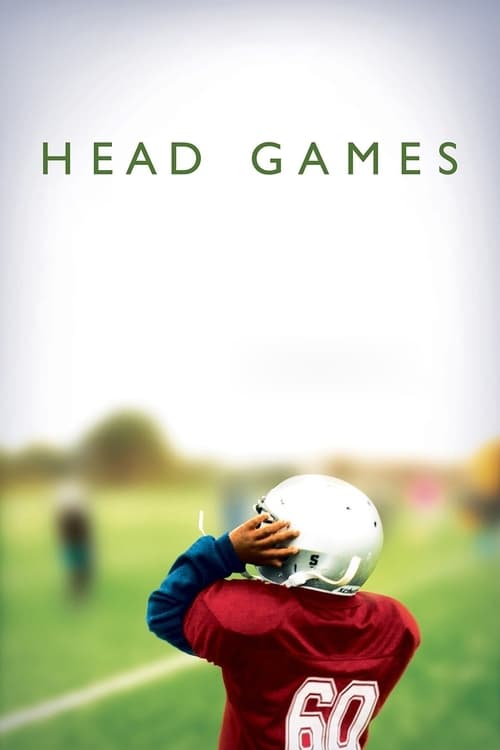
Former football player and wrestler Chris Nowinski's quest to publicize recent findings about the often dire consequences of head concussions sustained by athletes in contact sports — injuries that have previously been considered momentary setbacks and ignored in the name of toughness and dedication to the team.
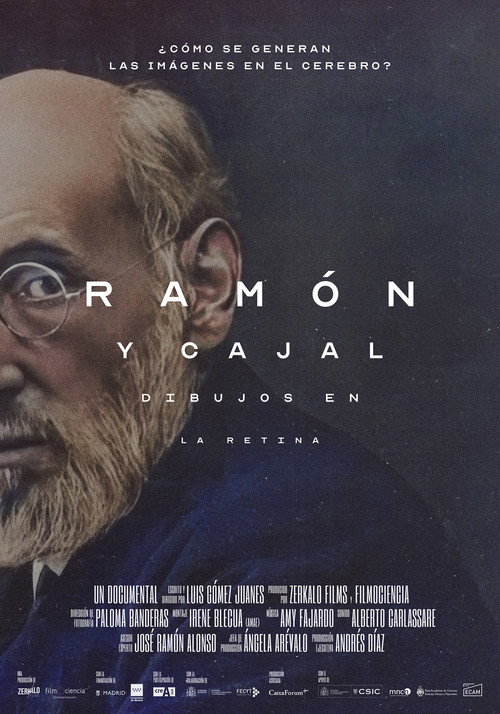
“Ramón y Cajal: drawings on the retina” is a documentary about the Nobel Prize winner that explores, from a contemporary perspective, his fascination with images as a bridge between the reality of the physical world and that created in the brain, with a new integrative approach to his artistic and scientific facets and his legacy, told through the experiences and points of view of researchers, artists, historians, family members, and other experts who consider Cajal a visionary who transcended his own science. In one of the laboratories, a machine answers Cajal's last question: how are images formed in the brain?
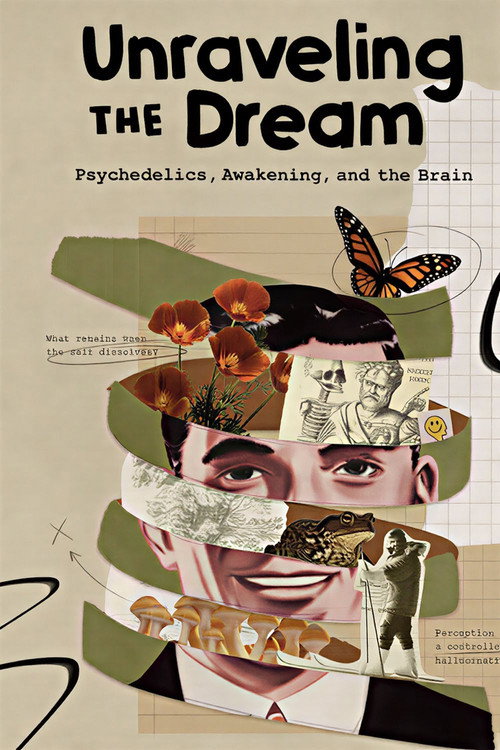
In The Doors of Perception (1954), Aldous Huxley wrote that the urge to transcend self-consciousness was "a principle appetite of the soul." He hoped that psychedelics would make the experience of self-transcendence more widely available, and thereby catalyze a transformation in the culture. But experiencing ego dissolution is one thing; integrating it into ordinary life is another. And, as the misadventures of the 1960s attest, building a culture around self-transcendence is a perilous (if inspiring) endeavor. “Unraveling the Dream,” a new film presented by the Waking Up meditation app, explores whether the new science of psychedelics might shed fresh light on Huxley’s vision. Featuring original interviews with Anil Seth, Robin Carhart-Harris, and Shamil Chandaria, the film takes viewers on a sweeping journey to the frontiers of neuroscience and through the rich, turbulent history of psychedelics.
The lastest neuroscience discoveries show surprising results: false memories, distortion, modification, déjà vus. Our memory is affected in many ways, and deceives us every day. The very fact of recalling souvenirs modifies them. The everyday consequences are manyfold. To what extent can we rely on our souvenirs? How much credit can we give them during trials? Even more shocking, scientists have proved to be able to manipulate our memory: creating artificial souvenirs, deleting, emphasizing or restoring them on demand.
For the past 20 years, the world has seen an alarming decrease in IQ and a rise of autism and behavioral disorders. This international scientific investigation reveals how chemicals in objects surrounding us affect our brain, and especially those of fetuses.
In recent years, the brain has become the new playground for top-level athletes and their trainers. At a time of standardized physical training, the brain has become the new frontier of effort and performance. Taming and taming it is a priority today for anyone who wants to become and remain the number 1 athlete. The documentary film "Open Brain - In the Brains of Athletes" takes us to the very limits of the human brain, as seen through the eyes of some of the world's finest athletes. These include basketball player Rudy Gobert, Formula 1 driver Charles Leclerc, surfer Justine Dupont and footballer Pierre Emerick Aubameyang.
Through interspersed conversation and prose, this experimental documentary follows a poet and a neuroscientist as they explore the definition of love, what it means, and why it matters.
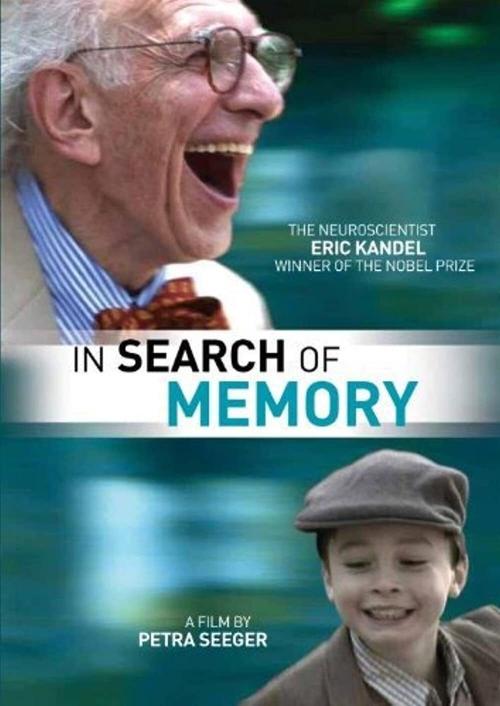
"In Search of Memory" is a very personal portrait of Eric Kandel, the "rock star" of neuroscience and the most important brain researcher of the 20th century. A fascinating documentary about the exciting mystery of the brain which arouses a curiosity in life and learning.
James Burke roams the Hotel del Coronado, using its services as a metaphor for the neuro-chemical activity of the human brain.
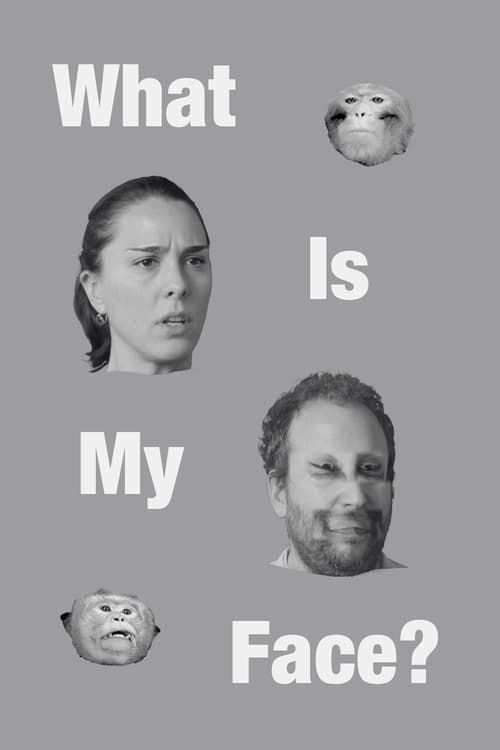
A short doc about how faces are perceived: by scientists, by artists, by animals. How do we remember faces so well if we can barely describe them with words? Why do we see them everywhere? What even are they? What is my face?
Two parts documentary about the brain: "The Magic of the Unconscious" and "The Power of the Unconscious" "Your brain is a state-of-the-art marvel, managing 90% of everything you do without letting you know regardless of whether you're awake or asleep. When you think you have an idea your brain has already had that idea. Something in your head navigates you through the everyday adventures of modern life, something that decides things for you before you can think about it, because your brain is always on automatic."
A scientist in a surrealist society kidnaps children to steal their dreams, hoping that they slow his aging process.