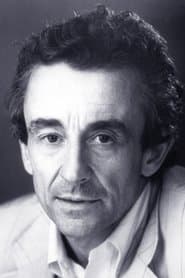
In 1979, Louis Malle films the thriving lives of a Minnesota farming community, but returns six years later to document its drastic economic decline, offering a poignant look at the impact of political changes.
Louis Malle
as Narrator (voice)
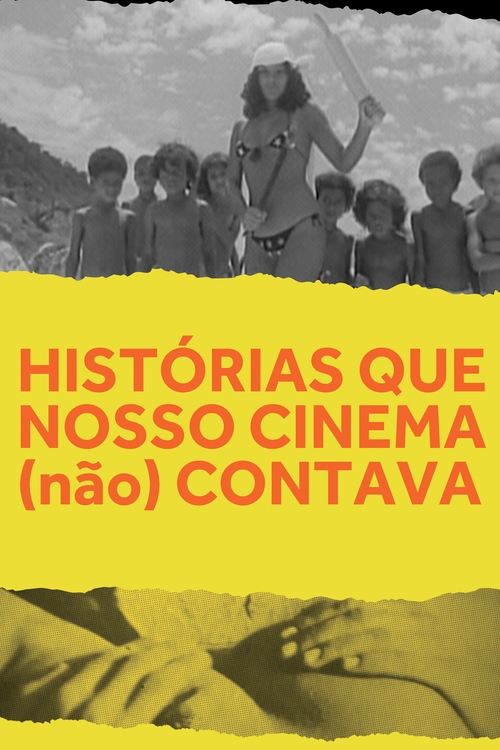
Filled with raunchy laughs, this documentary compiles outrageous scenes from sex-comedies that shaped Brazil's "pornochanchada" boom of the 1970s.
As one of his generation's quintessential Mad Men, television commercial director Joe Sedelmaier's work was iconic, dynamic, and instantly recognizable--some twenty to thirty years later, people are still wondering 'Where's the beef?” He turned the advertising world on its brain-damaged head by casting offbeat non-actors in still-unforgettable spots. His brilliant, frequently hysterical commercials for Wendy's, Alaska Airlines, Federal Express and others were snappy slices of cultural quirk that tapped into the Cold War-fearing, corporate workaholic zeitgeist of the '70s and '80s with a sense of humor that cracked billions of smiles, sold billions of burgers, and sped up the default rhythm of time-based media.
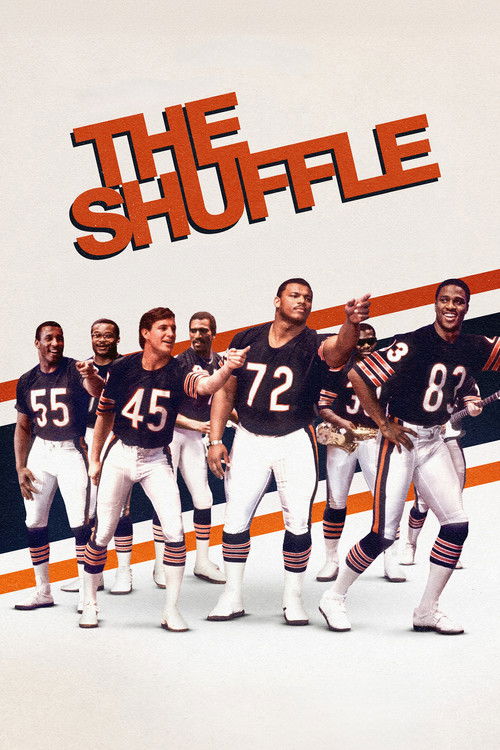
The story behind the making of the 1985 Chicago Bears' rap anthem and video that became a cultural phenomenon, redefined sports entertainment, and cemented the team's larger-than-life legacy.
It is El Salvador, 1989, three years before the end of a brutal civil war that took 75,000 lives. Maria Serrano, wife, mother, and guerrilla leader is on the front lines of the battle for her people and her country. With unprecedented access to FMLN guerrilla camps, the filmmakers dramatically chronicle Maria's daily life in the war.
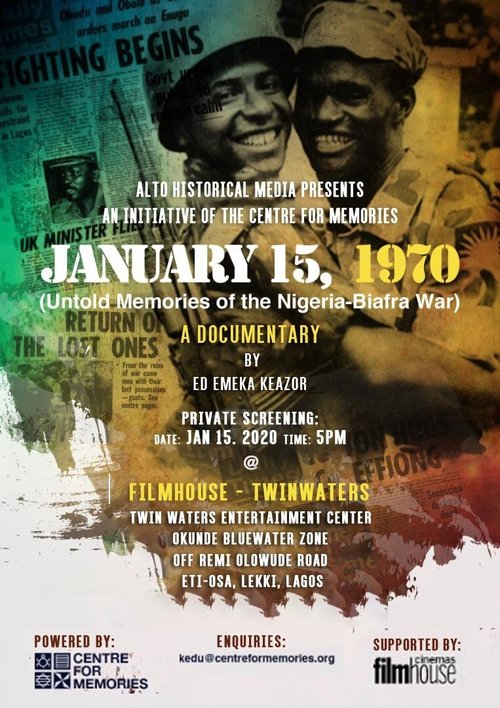
January 15, 1970: Untold Memories of the Nigeria-Biafra War is a documentary that tells the story of the Nigeria-Biafra war and its end on January 15, 1970. The documentary was produced by the Center For Memories (CFM) in 2020. It features personal accounts from victims of the war, who shared their experiences to help with healing and reconciliation. The Nigeria-Biafra war, also known as the Nigerian Civil War, was fought between Nigeria and the Republic of Biafra from 1967 to 1970. The war was one of the first to be televised globally, and images of starving Biafran children were shown in the mass media of Western countries. The war highlighted challenges in pan-Africanism and the Organization of African Unity.
A short documentary exploring the UK’s 1970s approach to urban renewal through General Improvement Areas. Mixing location footage from Blackburn, Norwich, and Oxford with unexpectedly quirky presentation, the film contrasts small-scale housing improvements with the sweeping redevelopment schemes of the post-war era. Produced as a government public information film and shown at meetings between planners, architects, and residents, it stands as a modest, humane entry in Britain’s civic-minded documentary tradition.
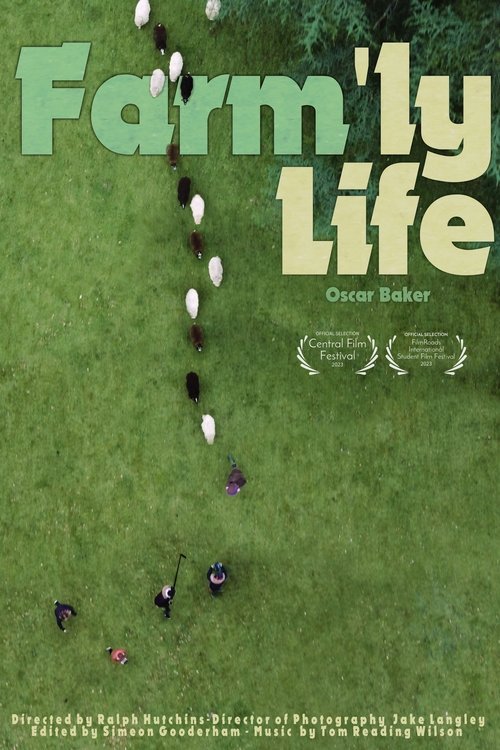
A Documentary/Mockumentary that follows the story of Charlie who is passionate for farming.
On November 25, 1973, the first of four car-free Sundays transformed West Germany's deserted highways into spaces for walking, cycling, and horse-drawn carriages, while towns and cities took on a festive atmosphere. Introduced during the oil crisis to conserve fuel after the Arab oil embargo and production cuts following the Yom Kippur War, the measure became an unforgettable collective experience. Beyond the immediate energy shortage, the crisis marked a turning point, ending the postwar economic boom and encouraging greater awareness of energy use, consumerism, and environmental issues.
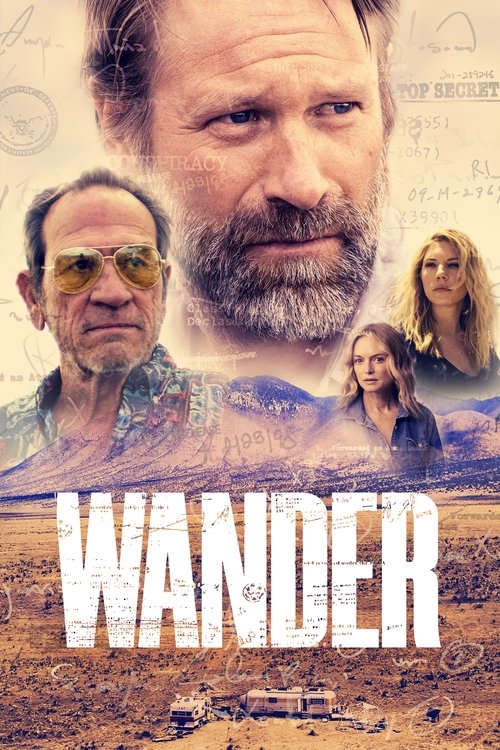
After getting hired to probe a suspicious death in the small town of Wander, a mentally unstable private investigator becomes convinced the case is linked to the same 'conspiracy cover up' that caused the death of his daughter.
Iran, January 16th, 1979. Shah Mohammad Reza Pahlavi flees after being overthrown. Ayatollah Khomeini returns to Tehran and proclaims the Islamic Republic on April 1st, 1979. In the same year, Saddam Hussein seizes power in Iraq and, after several border skirmishes, attacks Iran on September 22nd, 1980, initiating a cruel war that will last eight years. Since its outbreak, correspondent Saeid Sadeghi documented it from its beginning to its bitter end.
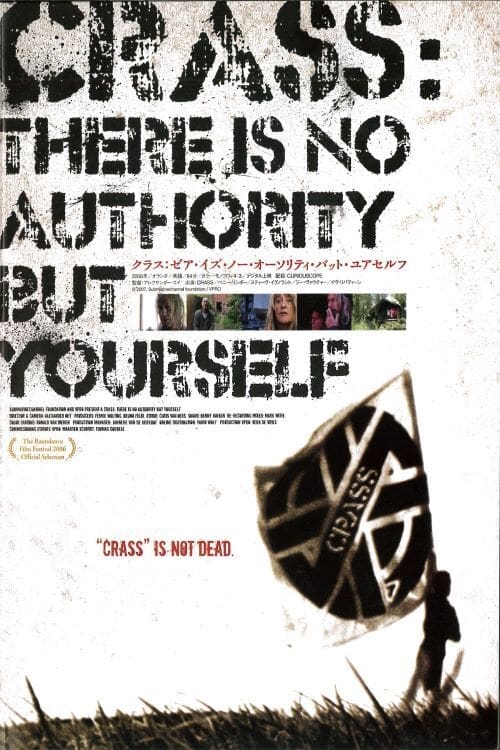
A Dutch documentary about the history of the anarchist punk band Crass. The film features archival footage of the band, and interviews with former members Steve Ignorant, Penny Rimbaud and Gee Vaucher.
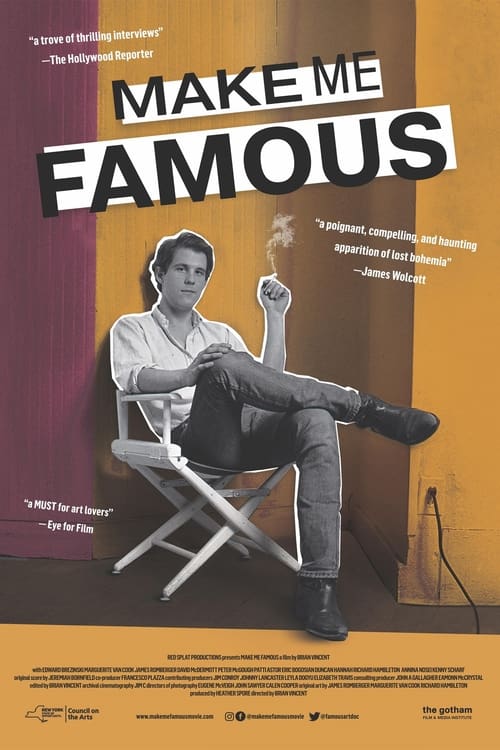
An investigation of Edward Brezinski, an ambitious, charismatic Lower East Side painter hell-bent on sucess, who thwarted his own career with antics that roiled NYC’s art elite. Brezinski’s quest for fame gives an intimate portrait of the art world’s attitude towards success and failure, fame and fortune, notoriety and erasure.
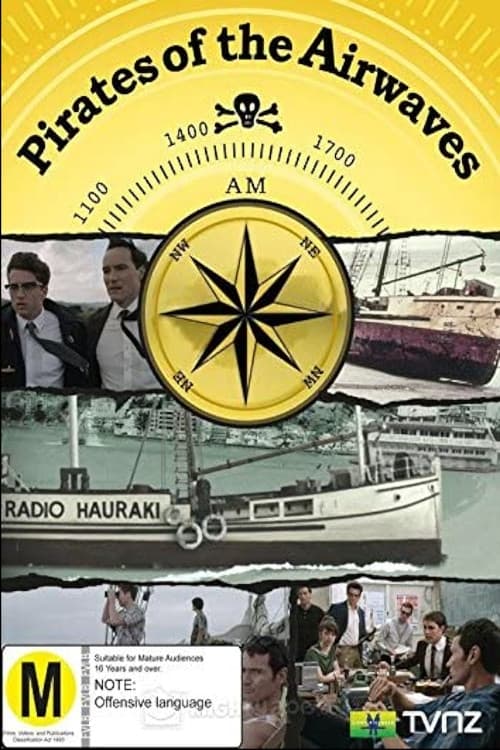
In 1966 a group of determined young men defied the New Zealand government and launched a pirate radio station aboard a ship in the Hauraki Gulf.
Son and father are driving on the highway. The son keeps asking questions until he finally notices the changes in his father's body. The dialogue in the animation is taken from a recording of a real conversation between the filmmaker and his father.
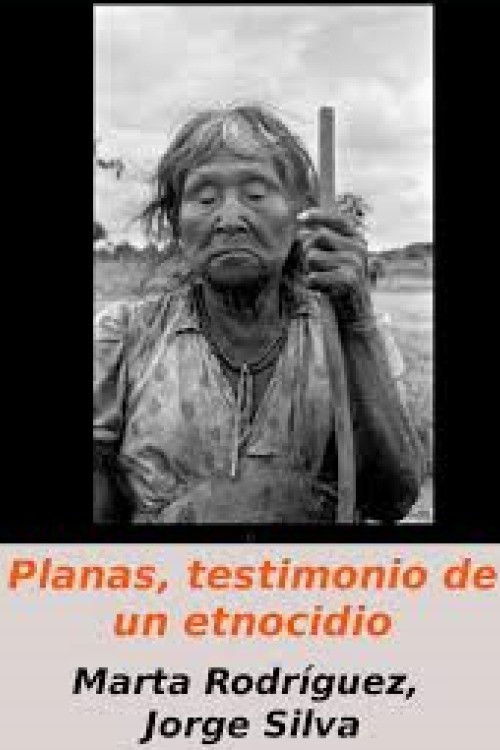
A documentary on the massacre of Planas in the Colombian east plains in 1970. An Indigenous community formed a cooperative to defend their rights from settlers and colonists, but the government organized a military operation to protect the latter and foreign companies.
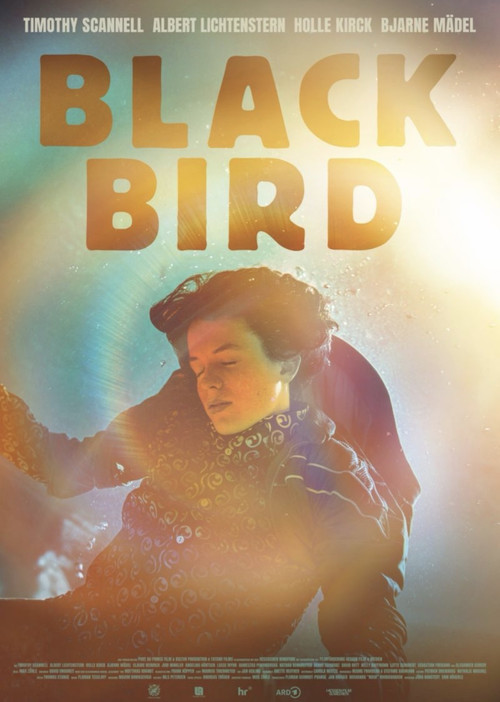
Motte is 15 years old in the fall of 1977 and has to come to terms with the news that his best friend Bogi has to go to the hospital with a life-threatening illness. This is a seemingly impossible task, because his first love, his parents' impending divorce, his enthusiasm for Bowie and soccer, an omnipresent chimney sweep, and his anger at not being able to share all this with Bogi overwhelm Motte and lead him to make himself scarce at the hospital.
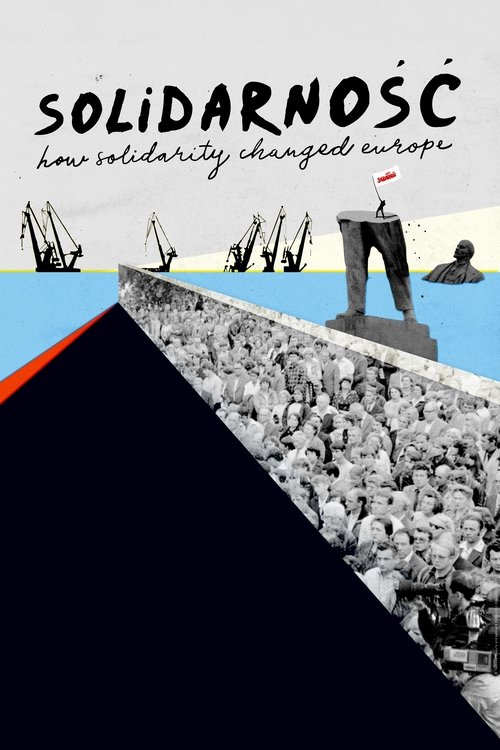
Gdańsk, Poland, September 1980. Lech Wałęsa and other Lenin shipyard workers found Solidarność (Solidarity), the first independent trade union behind the Iron Curtain. The long and hard battle to bring down communist dictatorship has begun.
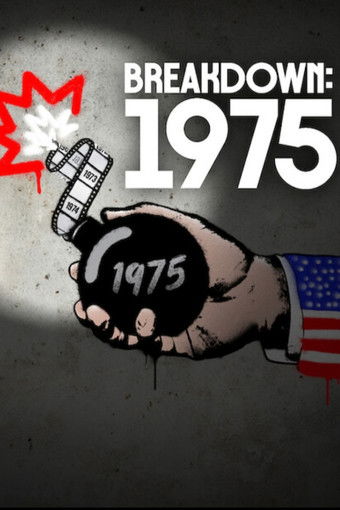
In 1975, as America faced social and political upheaval, filmmakers turned chaos into art.