Renan Motta
as Woman
Leno Sacramento
as Chorus
Sérgio Laurentino
Shirlei Sanjeva
Heraldo de Deus
Taimara Luz
Vanessa Carvalho
Jonahthan Alisson
as Kid
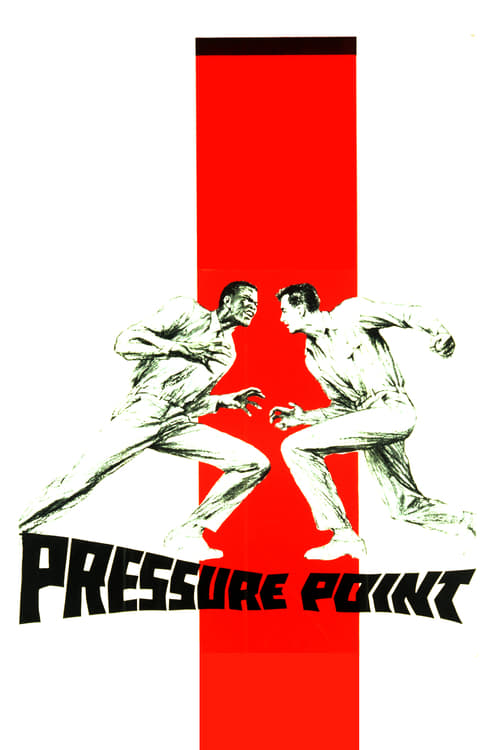
An African-American prison psychiatrist finds the boundaries of his professionalism sorely tested when he must counsel a disturbed inmate with bigoted Nazi tendencies.
AN OUTRAGE is a documentary film about lynching in the American South. Filmed on-location at lynching sites in six states and bolstered by the memories and perspectives of descendants, community activists, and scholars, this unusual historical documentary seeks to educate even as it serves as a hub for action to remember and reflect upon a long-hidden past.
On October 27, 2005, Zyed Benna and Bouna Traoré died in an electrical substation while fleeing the police, sparking three weeks of riots across France. A decade later, as the officers involved are acquitted, the film revisits the voices of those who lived through the uprising. Through their stories, it explores what remains of that anger and how their view of society has evolved.
McGriff and Albaby are probably doing the worst law enforcement job in the world - they are plain clothes U.S. military policemen on duty in war-time Saigon. However, their job becomes even harder when they start investigating the serial killings of local prostitutes. Their prime suspect is high ranking U.S. Army officer which brings their lives in danger.
Adapted from the manga of the same name by Hisashi Eguchi, and directed by Minoru Kawasaki and Rintaro, this is a series of random skits featuring anime, live action, and puppet show segments, exploring love, sex, death and many other sometimes controversial subjects.
In the news, there are increasing reports of illegal immigrants that attempted to cross the Mexican-American border mysteriously disappearing.
A girls'-night-in dinner party among three friends turns into a disaster when one of them makes a hurtful remark.
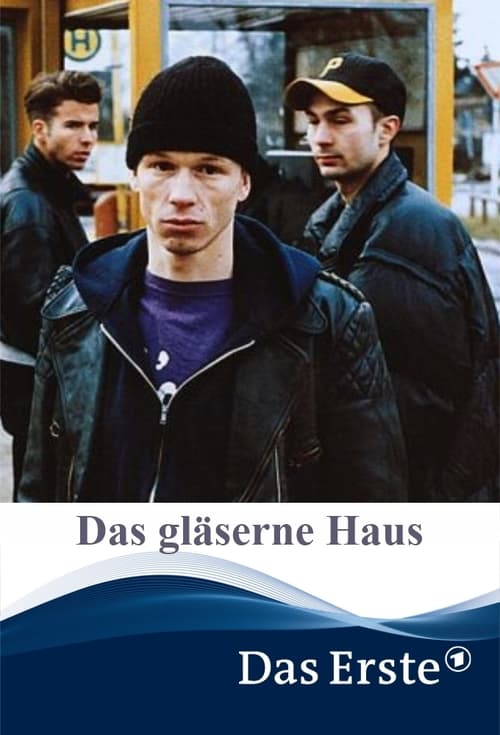
A dream becomes a nightmare: Shortly after the Iranian doctor Murath Tehrani and his German wife Claudia moved into a chic villa on the outskirts of Leipzig, threatening couple flutter into the house and Claudia is harassed by anonymous callers with xenophobic slogans. First, the woman tries to hide the threat from her husband. But not even the police can help her. Suddenly, every stranger approaching the house appears as a threat. Psychological pressure is also increasing the pressure on the harmonious marriage of the young couple. But Murath and Claudia are unwilling to be driven out of their homes by aggressive racists.
Stories and music of Black artists who relied on an underground travel guide to navigate the injustices of racial segregation while on the road. The Negro Travelers’ Green Book was a directory of lodgings, restaurants, and entertainment venues where African Americans were welcomed. Features performances and interviews with vocalists, musicians, activists, historians, and others.
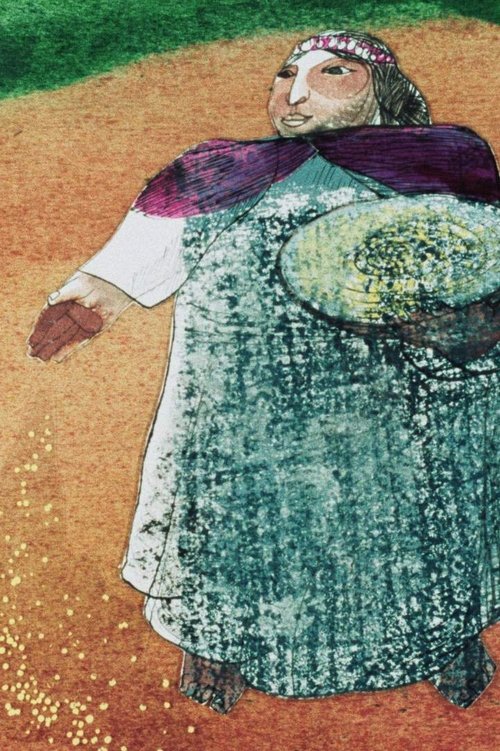
The Mapuche tribe asks their Gods for help in difficult situations, including illness and drought. When the Spanish conquerers on their horses invade their country, the indigenous people think that they are aliens. The Spaniards capture and enslave many of the Mapuche tribe. Lautaro, a young captured native, realizes that these aliens are human beings without any divine power. He learns to use their weapons and organizes a resistance movement against the intruders.
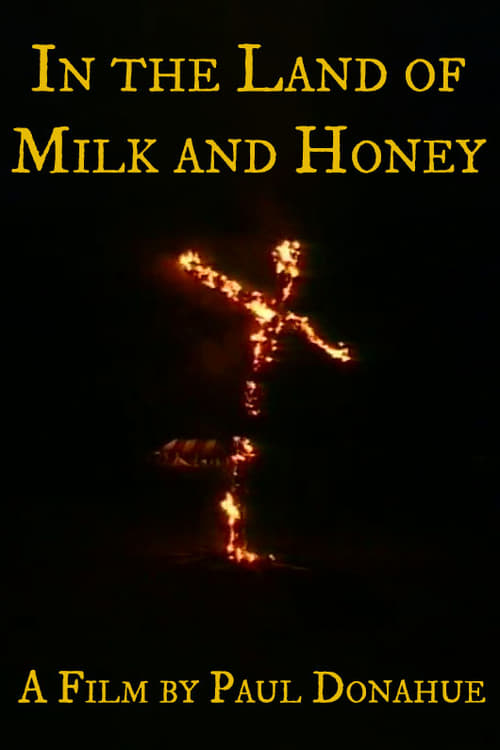
Examines Pulaski, Tennessee, the town where the Ku Klux Klan was founded right after the Civil War, and where today its memory still runs very deep. Combining interviews with local residents, attendees at a Klan rally and counter demonstrators; historical photos; contemporary footage; scenes of a museum exhibit of the last-known original Klan robe; and a cross burning ceremony by the Klan; the video reveals Pulaski's historical and ongoing relationship to this controversial organization. We learn how Pulaski's citizens remember and reconcile the history of the Klan, how they continue to be divided about the organization's meaning and role, and how such history remains contested for Americans.
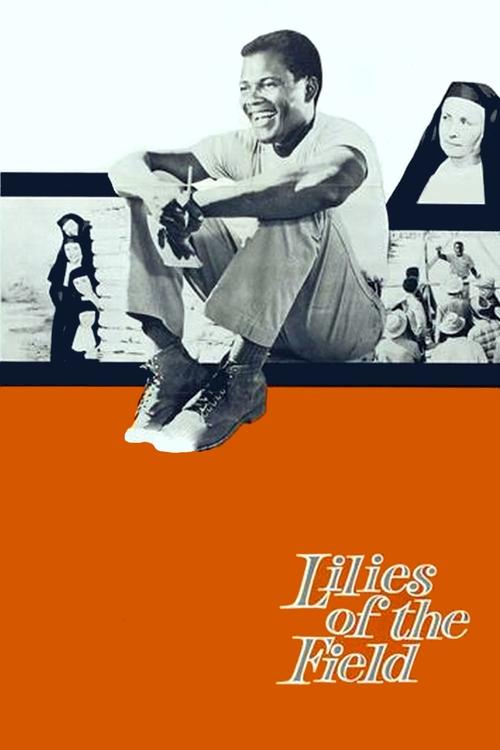
An unemployed construction worker heading out west stops at a remote farm in the desert to get water when his car overheats. The farm is being worked by a group of East European Catholic nuns, headed by the strict mother superior, who believes the man has been sent by God to build a much needed church in the desert.
Ambaradan is the story of a need: the need to feel accepted, integrated, and acknowledged by others - Luca has only one belief - hate - he does not recognize the color of his skin, but only the "black" of his ideology. His life is an ambaradan, a chaos of violence and hypocrisy.
A debate about the presence of black culture in Brazilian contemporaneity, as well as the various paradoxes found in the environment of a society marked by a racist and slavery tradition.
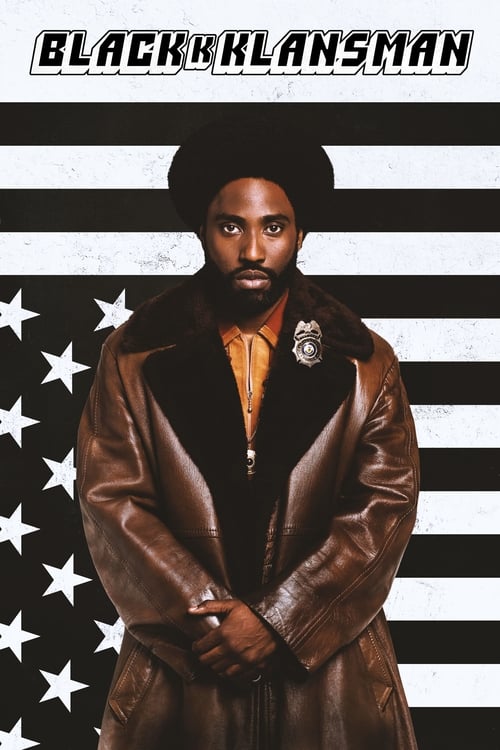
Colorado Springs, late 1970s. Ron Stallworth, an African American police officer, and Flip Zimmerman, his Jewish colleague, run an undercover operation to infiltrate the Ku Klux Klan.
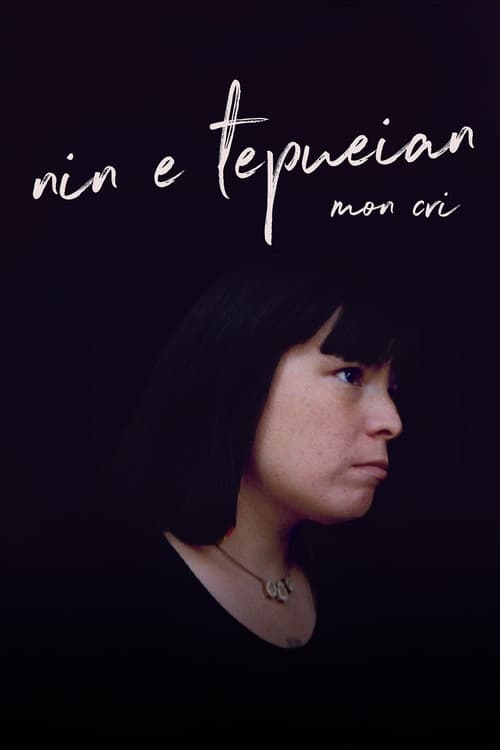
NIN E TEPUEIAN - MY CRY is a documentary tracks the journey of Innu poet, actress and activist, Natasha Kanapé Fontaine, at a pivotal time in her career as a committed artist. Santiago Bertolino's camera follows a young Innu poet over the course of a year. A voice rises, inspiration builds; another star finds its place amongst the constellation of contemporary Indigenous literature. A voice of prominent magnitude illuminates the road towards healing and renewal: Natasha Kanapé Fontaine.
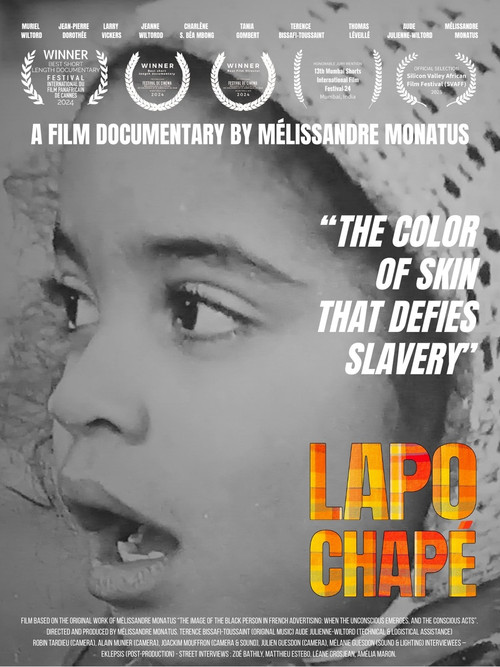
The term "Lapo Chapé", derived from Martinican Creole, means "the skin color that escapes the status of a slave." This documentary thus explores the themes of skin color and mixed heritage from a unique perspective, through a series of testimonies that shed light on the invisible influences of history. These influences have shaped our social representations and continue to challenge our perceptions of identity today.