Environmental film maker John D. Liu documents large-scale ecosystem restoration projects in China, Africa, South America and the Middle East, highlighting the enormous benefits for people and planet of undertaking these efforts globally.
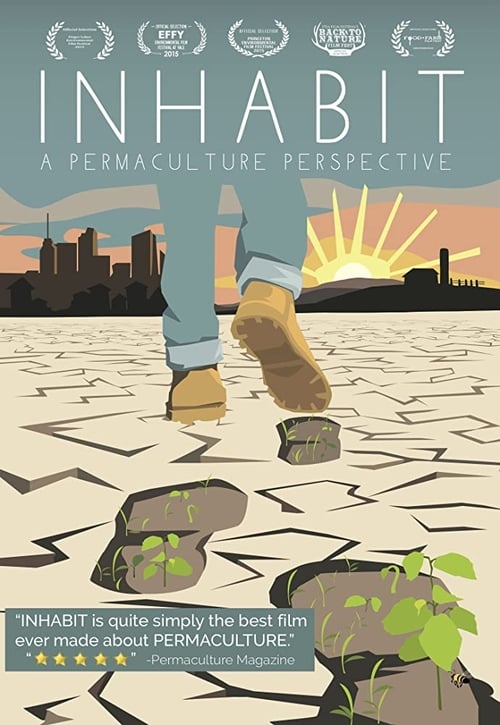
Inhabit is a feature length documentary introducing permaculture: a design method that offers an ecological lens for solving issues related to agriculture, economics, governance, and on. The film presents a vast array of projects, concepts, and people, and it translates the diversity of permaculture into something that can be understood by an equally diverse audience. For those familiar, it will be a call to action and a glimpse into what's possible - what kind of projects and solutions are already underway. For those unfamiliar, it will be an introduction to a new way of being and a new way of relating to the Earth. For everyone, it will be a reminder that humans are capable of being planetary healing forces.
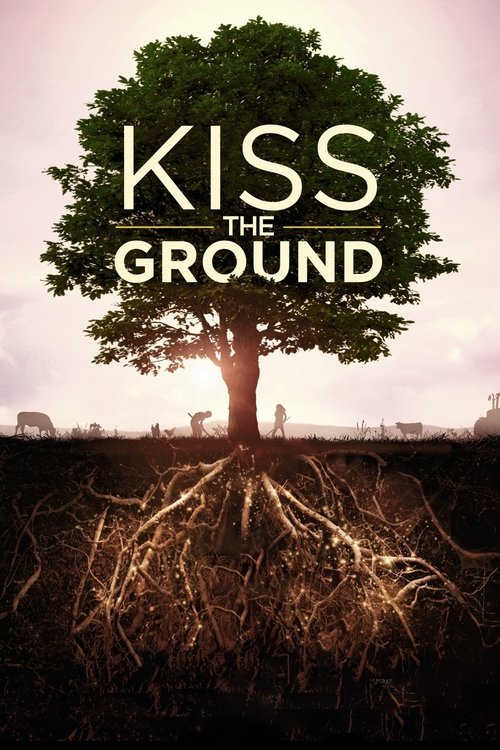
Sheds light on an alternative approach to farming called “regenerative agriculture” that could balance our climate, replenish our vast water supplies, and feed the world.
In his new film, Erwin Wagenhofer is looking for the good and beautiful in this world.
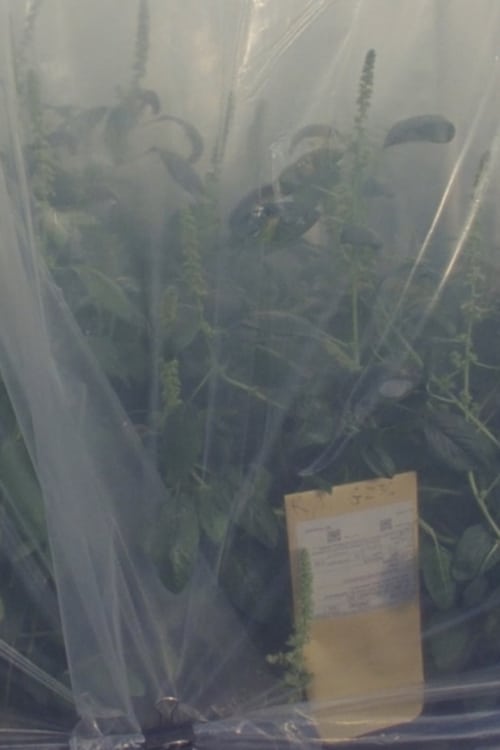
Charging scenes of the present with dystopian speculation, "Field Resistance" blurs the boundaries between documentary filmmaking and science fiction to investigate overlooked environmental devastation in the overlooked state of Iowa. Footage collected from disparate locations—a university herbarium, karst sinkholes inhabited by primordial flora and fauna, a telecommunication tower job site, a decaying grain silo, among others—interlocks to evoke a narrative of present danger and future disaster, of plant expansion and humanity's retreat. The film rejects the human individual as the focus of narrative cinema, and, instead, adopts the perspective of a symbiotic "implosive whole" in which human and nonhumans are related in an overlapping, non-total way.
Permaculture expert Geoff Lawton describes how he and a team of volunteers grew an oasis in arid, salty lowland, despite extremely high temperatures and minimal irrigation. The site is the lowest dryland expanse on Earth: a plain in Jordan, two kilometres northeast of the Dead Sea, and 400 metres below sea level.
Geoff Lawton takes you into the world of Permaculture and explains the basic concepts for beginners.
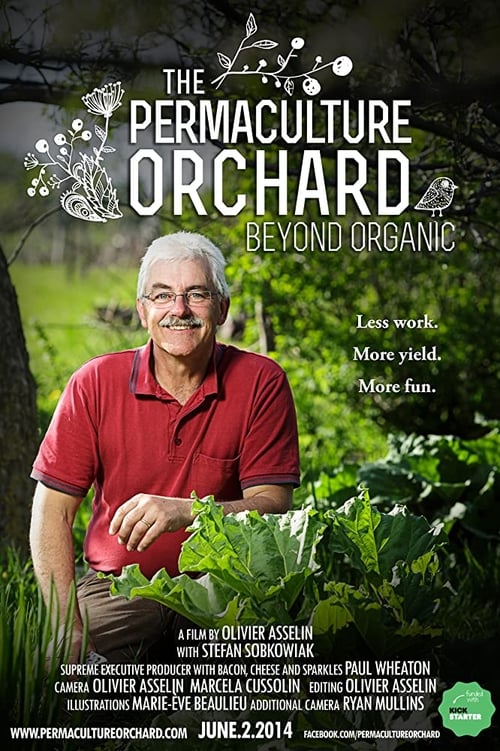
This feature-length educational film teaches you how to set up your own permaculture orchard at virtually any scale. We recognize the limitations of the organic model as a substitute to conventional fruit growing, and want to propose a more holistic, regenerative approach based on permaculture principles. Based on 20 years of applied theory and trial and error, biologist and educator Stefan Sobkowiak shares his experience transforming a conventional apple orchard into an abundance of biodiversity that virtually takes care of itself. The concepts, techniques and tips presented in this film will help you with your own project, whether it is just a few fruit trees in your urban backyard, or a full-scale multi-acre commercial orchard.
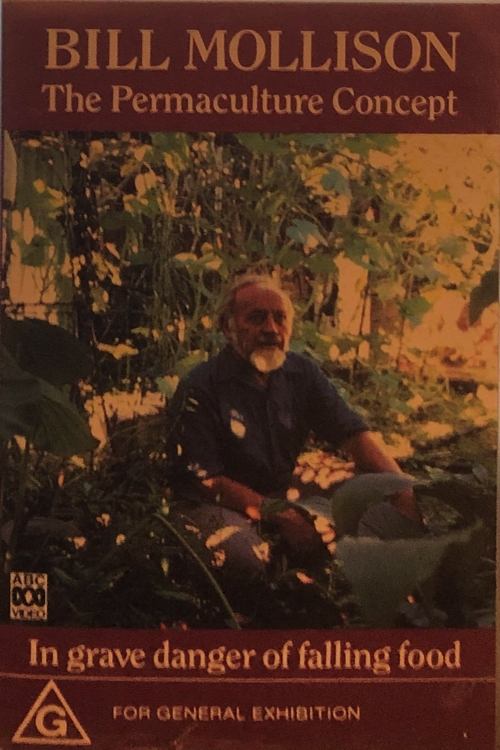
In this introductory video to permaculture, Bill Mollison, the movement’s co-founder, takes the viewer through the history and developments of the movement. With startlingly laconic humor and insight he deconstructs the modern agribusiness and the “modern plague” : manicured ornamental lawns. In this video he offers an antidote, which is an antidote to both our currently unsustainable practices and our unsustainable culture. Both of these have to change and adapt. Permanently.
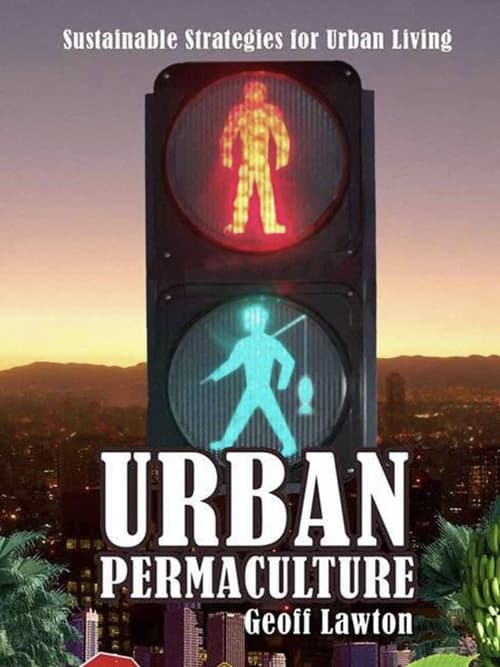
Permaculture teacher Geoff Lawton enters the intensive small space gardens in the city and looks at the way Permaculture can be used to create sustainable abundance.
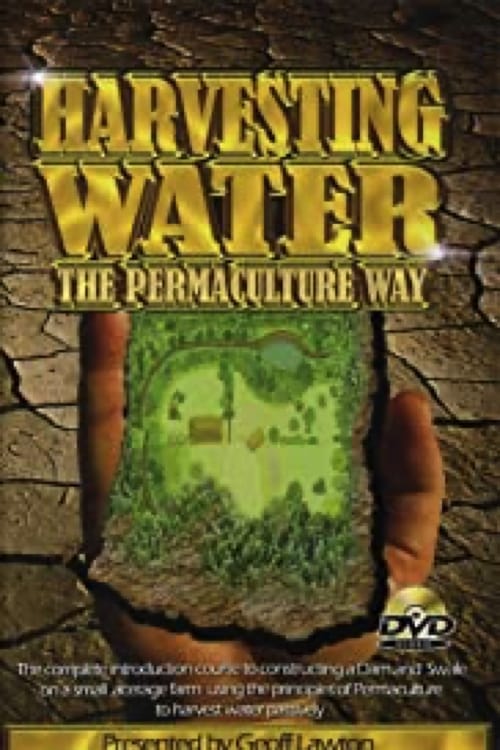
Permaculture teacher Geoff Lawton designs and builds a dam and water harvesting system on a farm.
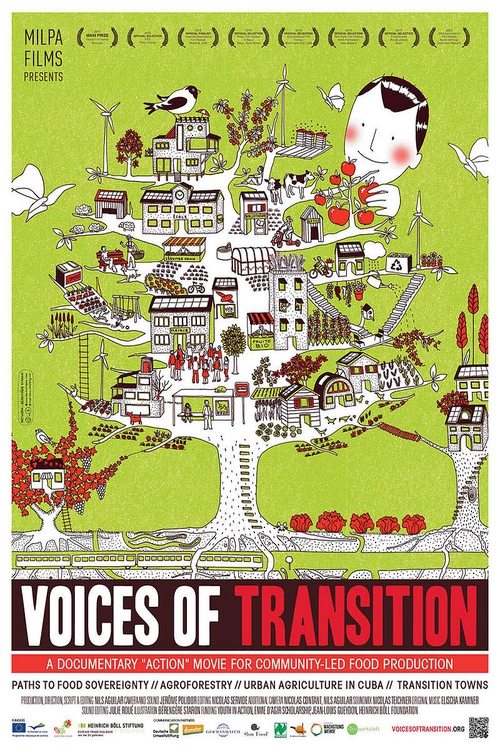
Voices of the Transition is an enthusiastic documentary on farmers- and community-led responses to food insecurity in a scenario of climate change and peak oil.