A history of movie magic from 1895 to 1995, showing primitive effects used in such films as "A Trip to the Moon" up to the state of the art effects used in "Apollo 13" and "The Abyss."
Adrienne Barbeau
as Narrator
Cinecitta is today known as the center of the Italian film industry. But there is a dark past. The film city was solemnly inaugurated in 1937 by Mussolini. Here, propaganda films would be produced to strengthen the dictator's position.
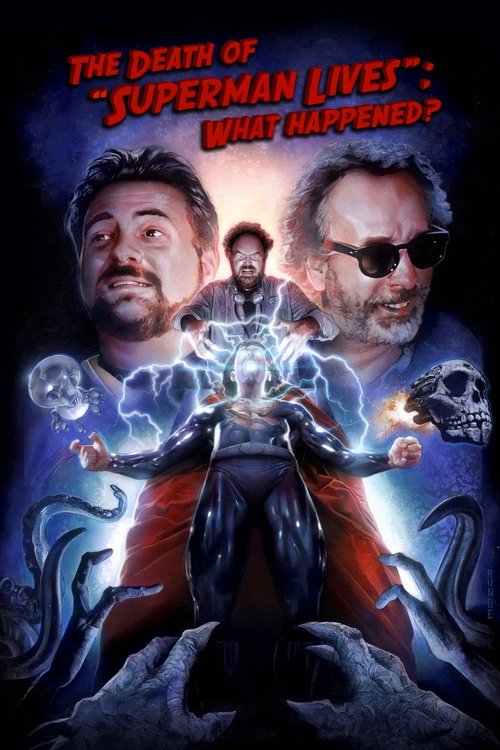
The Death of 'Superman Lives': What Happened? feature film documents the process of development of the ill fated "Superman Lives" movie, that was to be directed by Tim Burton and star Nicolas Cage as the man of steel himself, Superman. The project went through years of development before the plug was pulled, and this documentary interviews the major filmmakers: Kevin Smith, Tim Burton, Jon Peters, Dan Gilroy, Colleen Atwood, Lorenzo di Bonaventura and many many more.
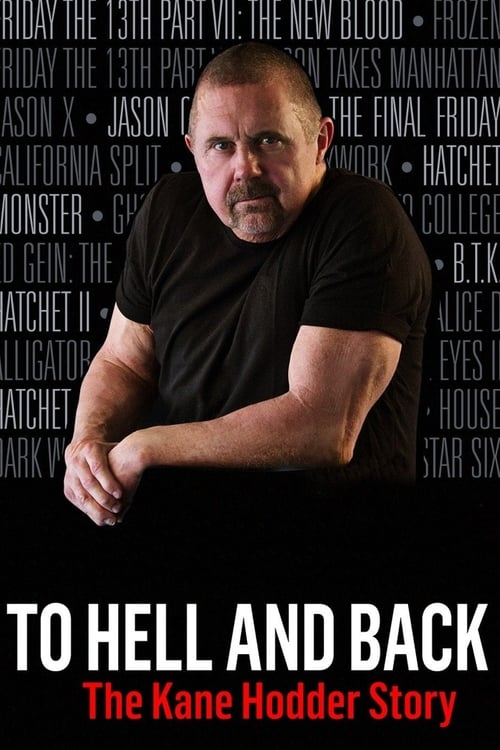
To Hell and Back: The Kane Hodder Story is the harrowing story of a stuntman overcoming a dehumanizing childhood filled with torment and bullying in Sparks, Nevada. After surviving a near-death burn accident, he worked his way up through Hollywood, leading to his ultimate rise as Jason Voorhees in the Friday the 13th series and making countless moviegoers forever terrified of hockey masks and summer camp. Featuring interviews with cinema legends, including Bruce Campbell (Ash vs. Evil Dead), Robert Englund (Freddy Krueger), and Cassandra Peterson (Elvira: Mistress of the Dark), To Hell and Back peels off the mask of Kane Hodder, cinema's most prolific killer, in a gut-wrenching, but inspiring, documentary. After decades of watching Kane Hodder on screen, get ready to meet the man behind the mask in To Hell and Back - an uniquely human story about one of cinema's most vicious monsters.
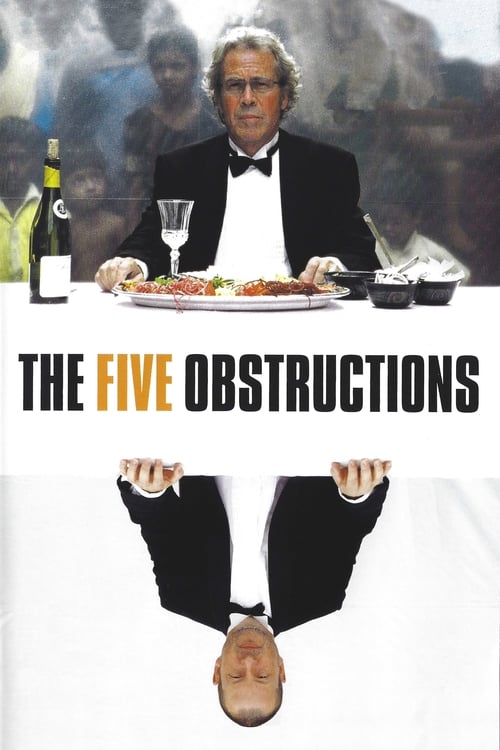
In 1967, experimental filmmaker Jorgen Leth created a striking short film, The Perfect Human, starring a man and women sitting in a box while a narrator poses questions about their relationship and humanity. Years later, Danish director Lars von Trier made a deal with Leth to remake his film five times, each under a different set of circumstances and with von Trier's strictly prescribed rules. As Leth completes each challenge, von Trier creates increasingly further elaborate stipulations.
How are the sex scenes filmed? What tricks are used to fake the desire? How do the interpreters prepare and feel? Spanish actors and directors talk about the most intimate side of acting, about the tricks and work methods when narrating exposed sex. In Spain the general rule is that there are no rules. Each film, each interpreter, faces it in very different ways.
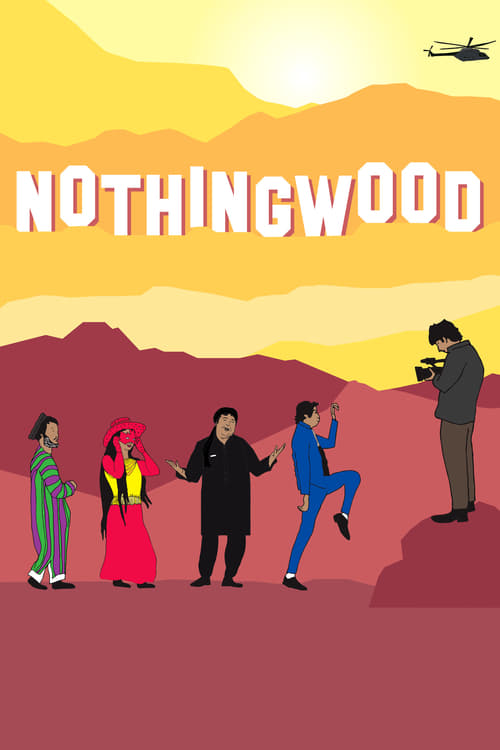
French documentarist Sonia Kronlund follows actor and director Salim Shaheen, an Afghan movie star who produced more than 110 low-budget movies in a country devastated by war.
In 2010 David Crowley, an Iraq veteran, aspiring filmmaker and charismatic up-and-coming voice in fringe politics, began production on his film Gray State. Set in a dystopian near-future where civil liberties are trampled by an unrestrained federal government, the film’s crowd funded trailer was enthusiastically received by the burgeoning online community of libertarians, Tea Party activists and members of the nascent alt-right. In January of 2015, Crowley was found dead with his family in their suburban Minnesota home. Their shocking deaths quickly become a cause célèbre for conspiracy theorists who speculate that Crowley was assassinated by a shadowy government concerned about a film and filmmaker that was getting too close to the truth about their aims.
A filmmaker's lifelong dream quickly becomes his worst nightmare when he attempts to make a low budget horror film about an aborted fetus that seeks revenge on its family.
An in-depth look at the creative process behind "Society of the Snow," featuring cast, crew, director J.A. Bayona and even real-life survivors.
An interview between Volker Schlöndorff and Billy Wilder.
A documentary directed by Winding Refn's wife, Liv Corfixen, and it follows the Danish-born filmmaker during the making of his 2013 film Only God Forgives.
Forty years after the release of Claude Lanzmann’s monumental film Shoah, Guillaume Ribot reveals the director’s relentless pursuit to tell the untold, using only Lanzmann’s words and unseen footage from the masterpiece.
In 1978, two South Korean filmmakers--Director Shin Sang-ok and his star actress and ex-wife, Choi Eun-hee--were abducted and smuggled into North Korea in order to revolutionize the country's dying film industry.
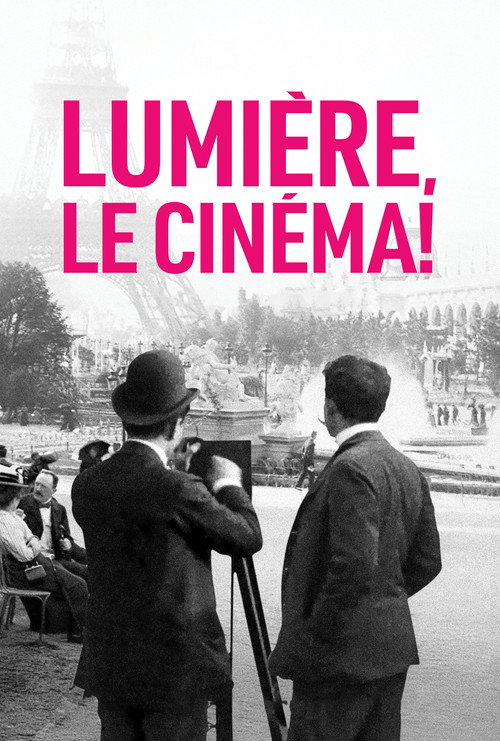
In one of those wonderful coincidences of history, lumière, the French word for “light,” was also the last name of brothers Auguste and Louis, whose brilliant invention, the cinematograph, helped to inaugurate the most beloved art form of the last 130 years. Institute Lumière director Thierry Frémaux uses Lumière, Le Cinema! to guide the viewer through over a hundred shorts—some famous, some forgotten, some never before seen—directed by Lumière and company. In the process, Frémaux illuminates how the brothers employed the camera as a creative instrument as they (and their operators) mastered framing, staging, and subject selection for quotidian and exotic microdocumentaries as well as the first ever fictional motion pictures. The result is not only a glorious re(telling) of the genesis of cinema but a profound meditation on the beautiful world captured—and the mysterious world imagined—by the Lumières.
Host Marie-Claude Julien meets director Bernard Émond on the day of the launch of his latest film Une femme respectable. He chose Trois-Rivières and its historic rue Des Ursulines to set the story of his main character. The house where the filming took place belongs to Marie-Claude. She took advantage of the director's visit to conduct this interview.
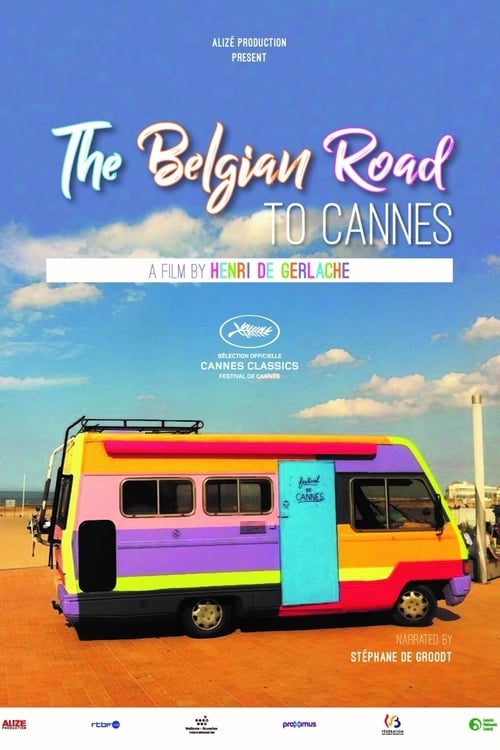
A cheerful road movie all about Belgian films at Cannes over the past 70 years. Filmmakers from the past converse with those from the present to paint the portrait of a cinema that is both diverse and free. An account of Belgium’s participation in the greatest film festival in the world.
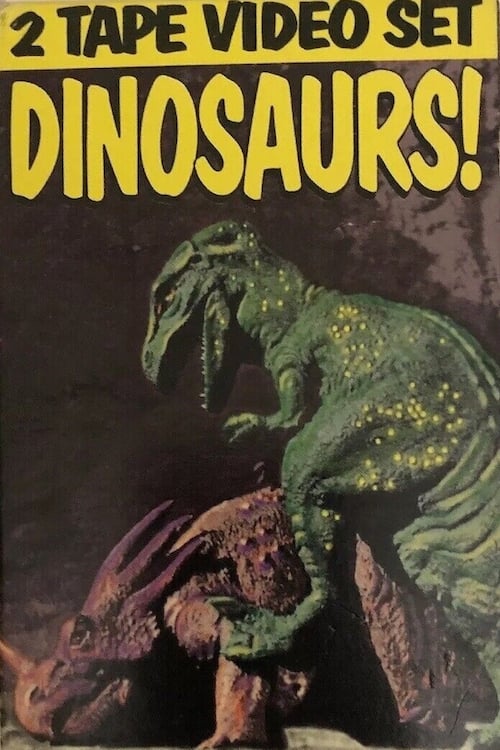
Dinosaurs Vs. Apes: DINOSAUR MOVIES and HOLLYWOOD GOES APE! have been hailed as the definitive documentaries on the prehistoric and anthropoid creatures that have appeared on the silver screen. Filled with rare movie clips, behind-the-scenes footage and interviews.