A docu-art film about Kyiv and the contemporary problems of the capital. The film raises the issue of the dilapidated state of Kyiv's old buildings and the search for effective mechanisms to preserve the city's architectural heritage.
A chronicle of the civil uprising against the regime of Ukrainian president Viktor Yanukovych that took place in Kyiv in the winter of 2013/14. The film follows the progress of the revolution: from peaceful rallies, half a million strong in the Maidan square, to the bloody street battles between protesters and riot police.
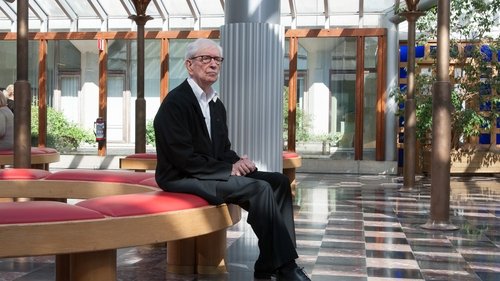
The British architect based in Stockholm looks back on major projects of a long career inspired by European Modernism combined with his personal sensitivity to nature and community. Erskine is especially valued for his vital understanding of social interaction, exemplified in commissions for universities and housing complexes built from Scandinavia to Italy. The architect takes the camera on a tour of his buildings while offering revealing comments and interpretations.
This film is a portrait of unique cultural space for Spirits, Gods and People. While permanent theatres are commonly built in most cosmopolitan modern cities, Hong Kong preserves a unique theatrical architecture, a Chinese tradition that has lasted more than a century - Bamboo Theatre.
Catalan architect Antonio Gaudí (1852-1926) designed some of the world's most astonishing buildings, interiors, and parks; Japanese director Hiroshi Teshigahara constructed some of the most aesthetically audacious films ever made. With camera work as bold and sensual as the curves of his subject's organic structures, Teshigahara immortalizes Gaudí on film.
The residents of Bucha, Ukraine, are rebuilding their city from the rubble after surviving the horrors of Russian occupation. A newly married couple, a schoolgirl, a city official, and an elderly housewife have all endured the painful experiences of war, yet they manage to hold onto hope and solidarity. But how do you rebuild in the wake of growing trauma, especially with war still raging in your country? As time hopes for a peaceful life fade, they must grapple with mounting tensions within their communities. Shot over a three-year period, the film is a follow-up to When Spring Came To Bucha, as five protagonists navigate the complex terrain of inner conflicts, trauma, and a longing for justice, posing questions about the future of a society at war.
A documentary film-project by Dmytro Komarov. He was the first journalist to witness and film the horrors of the just-liberated towns of Bucha, Irpin and Hostomel. He saw the first emotions of people immediately after the de-occupation of Kyiv region, Kharkiv region, and Kherson region. The documentary is the author's view of the war from angles that you won't see in the news. Unique, rare, exclusive comments from those whose hands and minds are shaping our future victory. The main heroes of documentary are both ordinary Ukrainians who heroically show their strength and power every day for a year and high-ranking officials such as Minister of Defense of Ukraine Oleksiy Reznikov, Chief of the General Staff of the Armed Forces of Ukraine Kyrylo Budanov, Major General Oleksandr Syrskyi, Commander of the Air Force of the Armed Forces of Ukraine Lieutenant General Mykola Oleshchuk. Initially, "Year" was a series of journalistic reports, later they were edited into a two-part film.
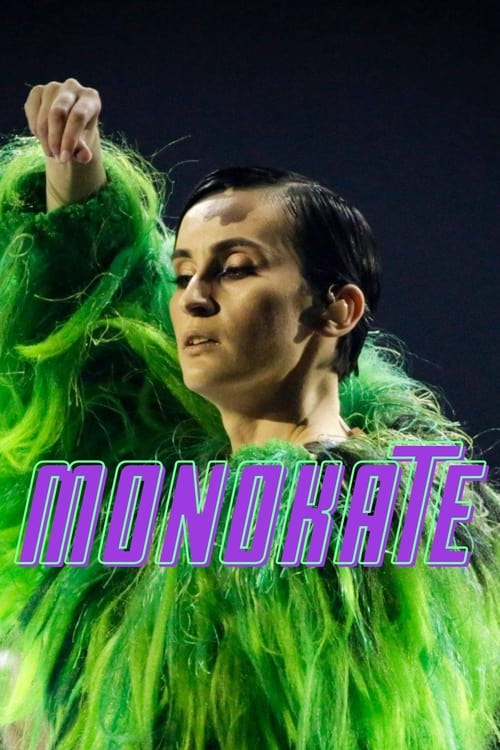
Monroe, Aura, Marlene: Three drag queens from the Ukrainian LGBTQ+ community raise funds for the frontlines, re-defining resilience and hope between glamorous shows and wartime life.
A family with five children flees the war raging in their home village on the Russian border. They end up in Mshanets, a farming village on the other side of the country, remote and unknown. Here the family starts building a new home. At the same time, two documentary makers come to the village, looking for a story. In the Lymar family they find the ideal characters for their film. But one day, when the renovation of their house is almost finished, the family disappears. The filmmakers go in search of their characters and along the way they try to find an answer to the question: what does a person need to feel at home?
Documentary about the architecture of the Swedish housing boom in the 1960s and how it's viewed today.
Mozambique 1974 - the European name of the capital Lourenço Marques was deleted and replaced by Maputo. Between the delicacy and the apocalyptic, Brisa Solar reveals the little secrets of an African city that was born from a modernist dream, which led a revolution and which today sees its cultural heritage and threatened by Chinese capitalism.
No understanding of the modern movement in architecture is possible without knowledge of its master builder, Mies van der Rohe. Together with documentation of his life, this film shows all his major buildings, as well as rare film footage of Mies explaining his philosophy. Phyllis Lambert relates her choice of Mies as the architect for the Seagram building. Mies's achievements and continuing influence are debated by architects Robert A.M. Stern, Robert Venturi, and Philip Johnson, by former students and by architectural historians. Mies is seen in rare documentary footage.
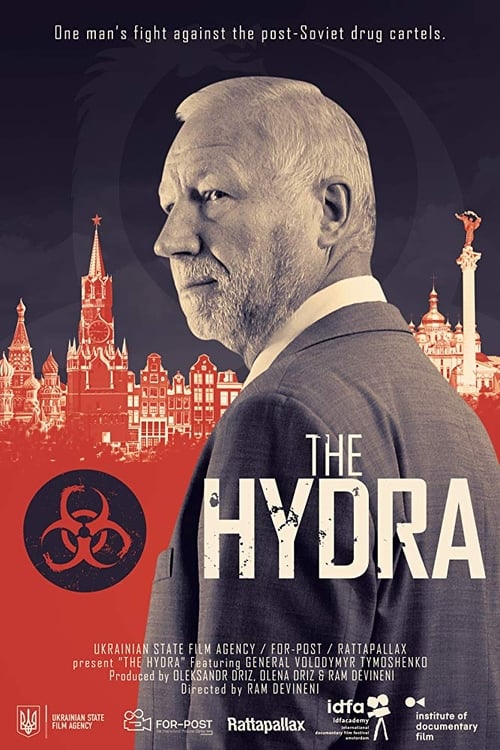
Russia is grappling with a critical issue: they have become the country with the most at large serial killers in the world particularly concentrated in Rostov, the same city that witnessed Andrei Chikatilo's infamous killing spree. In response, law enforcement has turned to Dr. Alexander Bukhanovsky, a prominent psychiatrist and criminal profiler, who is implementing radical measures to understand the root causes of this phenomenon and develop effective solutions. Within Dr. Bukhanovsky's clinic, we encounter three of his young patients: Edward and Igor, whose families express deep concerns about their disturbing fantasies, and 'Mischa', who has perpetrated acts of torture and sexual assault. Dr. Bukhanovsky's approach is groundbreaking, offering treatment to potential serial offenders. However, critics argue that by keeping individuals like 'Mischa' anonymous, he may inadvertently shield them from public awareness and accountability, prompting debate over the ethics of his methods.
One year after the beginning of the full-scale Russian invasion of Ukraine, philosopher Bernard-Henri Lévy takes us to the heart of the combat through this war diary made during the second half of 2022. From Kharkiv and Bakhmut to Kherson, in the aftermath of the city’s liberation, this documentary bears witness to the ravages of war through the testimonies of soldiers, chronicles of the front and portraits of civilians, and shares with us the struggle of the Ukrainian people.
Documentary about the life and work of the architect Paulo Mendes da Rocha, told by him in prominence for Joana, his daughter. With more than 80 years of age, Paulo Mendes is today one of the most important and renowned architects in the world, but, above all, he is a thinker who has controversial ideas and opinions about urbanism, nature, humanity, art and technique deserve to be heard. In a constant dialogue between interviewee / father and interviewer / daughter, Joana is the guiding thread of the film. As in all personal relationships, especially between parents and children, the thread that leads is also that which is conducted.
In 2014, the war begins. Immediately, a system of evacuation of the wounded and killed is being built, the outpost of which is the Dnieper - it is here that the first will be delivered, it is here that they are still received. Tatiana Guba has been coordinating the evacuation for 5 years. She is called "Mom Tanya". Thousands of people are grateful to her for her life. Serhiy Kryvorotchenko, director of the Dnipro Airport, has deployed a helicopter evacuation system since the beginning of the war. Eugene Titarenko, the film's director, in 2014-2015 was part of a volunteer medical battalion, communicates with the heroes of the film about the evacuation system. The viewer will see the whole way of saving lives, will be directly in the vortex of events and will understand how many people are involved in the process of saving one person.
Tracing the history of blue jeans around the globe.
Tadao Ando, a self-taught architect, proposes an international architecture that he believes can only be conceived by someone Japanese. His architecture mixes Piranesian drama with contemplative spaces in urban complexes, residences and chapels. This film presents the formative years of his impressive career before he embarked on projects in Europe and the United States.