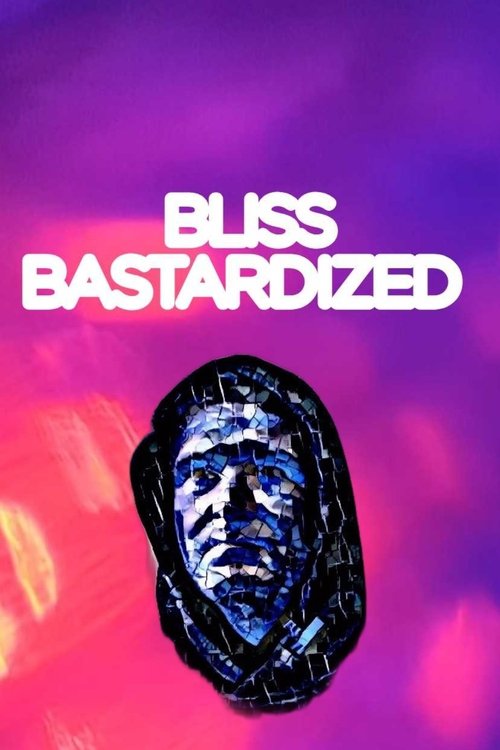
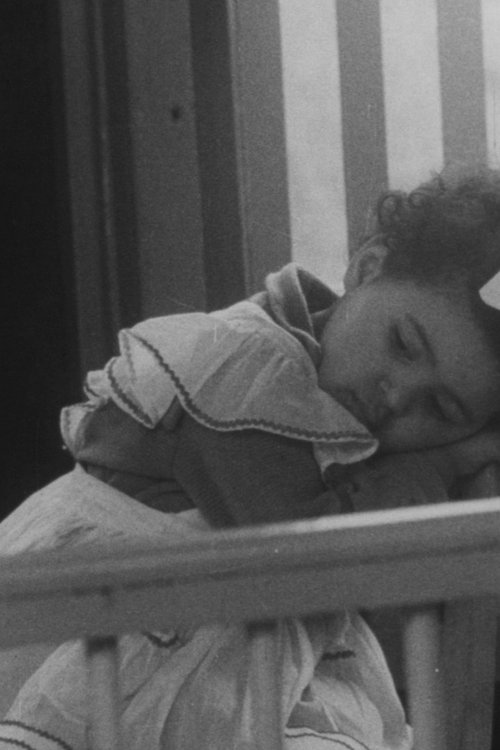
It shows Korea’s traditional colors and culture through the use of superimposing. It is an experimental film, which not only tries to show Korean traditional culture through the use of color, but also tries to show the modern history of Korea.
Motivated by family memories, a filmmaker returns to the land of his mother to reflect on his identity and deep cultural heritage.
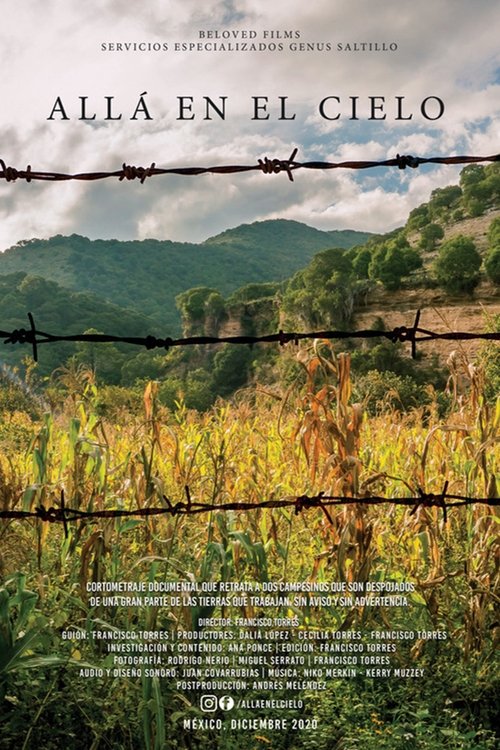
Two farmers are stripped, without warning, of a large part of the land they work.
A poetic journey through the paths and places of old Castile that were traveled and visited by the melancholic knight Don Quixote of La Mancha and his judicious squire Sancho Panza, the immortal characters of Miguel de Cervantes, which offers a candid depiction of rural life in Spain in the early 1930s and illustrates the first sentence of the first article of the Spanish Constitution of 1931, which proclaims that Spain is a democratic republic of workers of all kind.
A tale of 2 passages within the Spirit house. This is the first in a series that looks at the places we find our spiritual presence augmented, inflamed, or simply acknowledged.
An unconventional portrait of a recovering addict. Tales of drugs, sex, death, and hope.
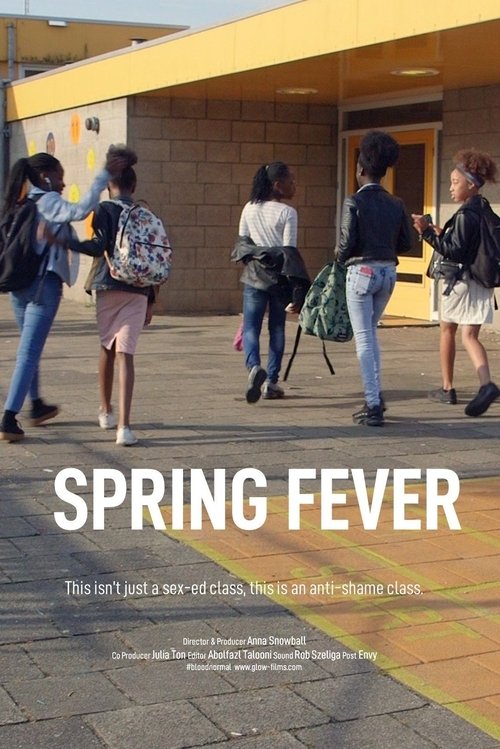
A glimpse into a refreshingly different sex education class in the Netherlands.
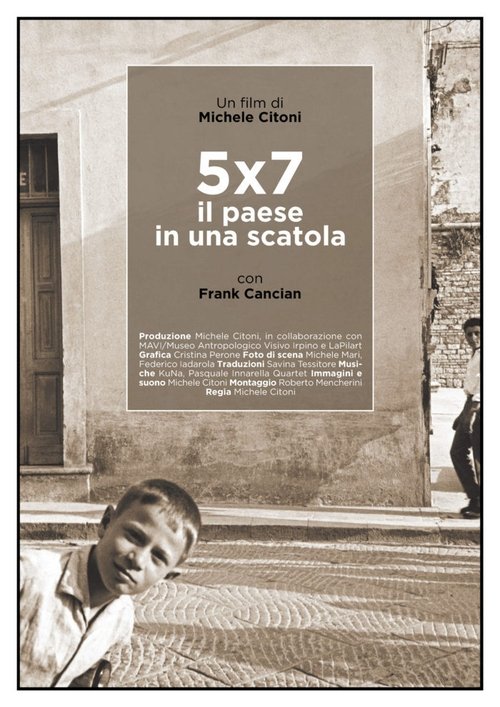
A beautiful collection of pictures ties Frank Cancian, an elderly photographer and retired professor of anthropology, American with origin from Veneto, to the people of Lacedonia, a small town in southern Italy. Thanks to the rediscovery of the photos taken in 1957 by the young Cancian in that rural village where he had arrived almost by chance, the story resumes there where it was interrupted 60 years earlier. And the thread of memories ties back to people and places, bringing with itself some essential reflections on how photography can become an ethnographic look at small communities.
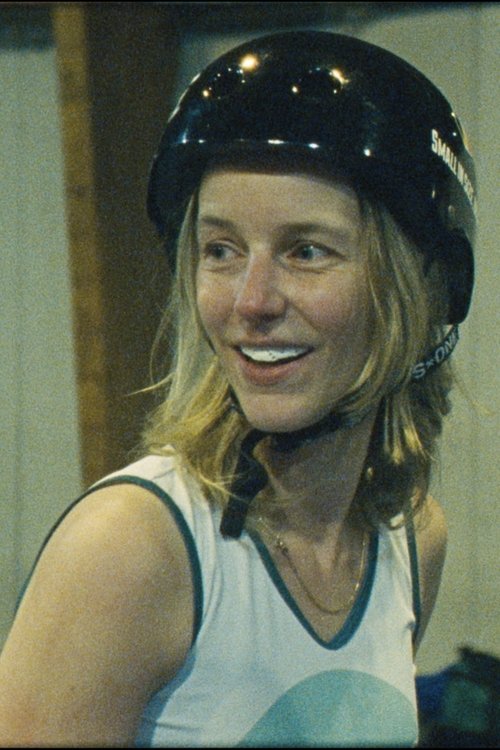
A short documentary about Brussels' roller derby team, Les Brussels Derby Pixies.
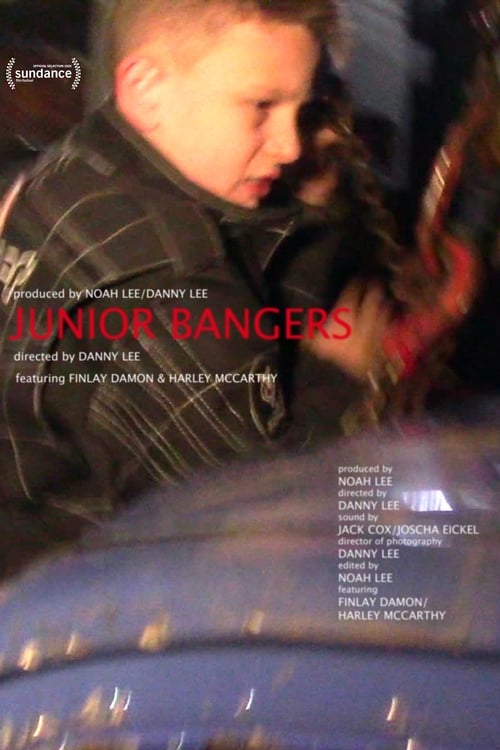
In England banger racing isn't just a sport, but a way of life. This film follows 11 year olds Finn and Harley through a cold winter race day in Birmingham.
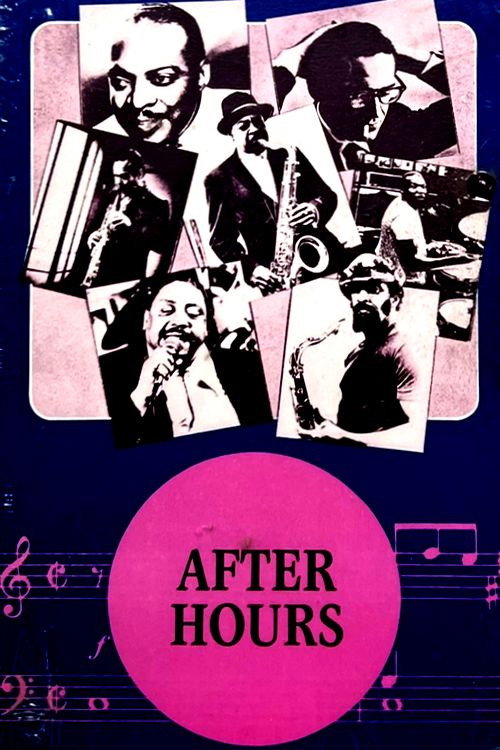
Documentary short showcasing the genius of jazz greats Coleman Hawkins, Roy Eldridge, Cozy Cole, and Milt Hinton, among others.
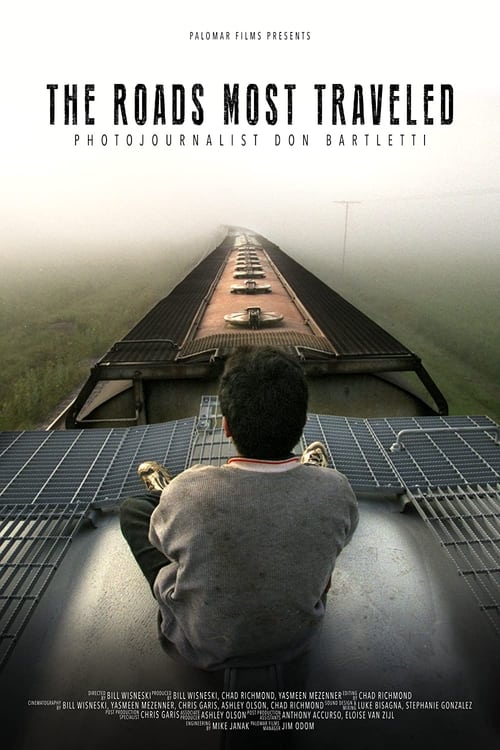
Pulitzer prize-winning photojournalist Don Bartletti shares heart wrenching stories from his forty year career documenting history as it unfolds. Internationally recognized for his commitment to photographing the migration of Central Americans to the United States, Bartletti’s images reveal the never ending saga of illegal immigration by individuals desperate to improve their lives.
The unfathomable police murder of George Floyd on May 25th, 2020, sparked a global uprising, the epicentered in a Minneapolis neighborhood. An immersive observation of unrest in the five days between the murder of Mr. Floyd and the charges filed against police officer Derek Chauvin.
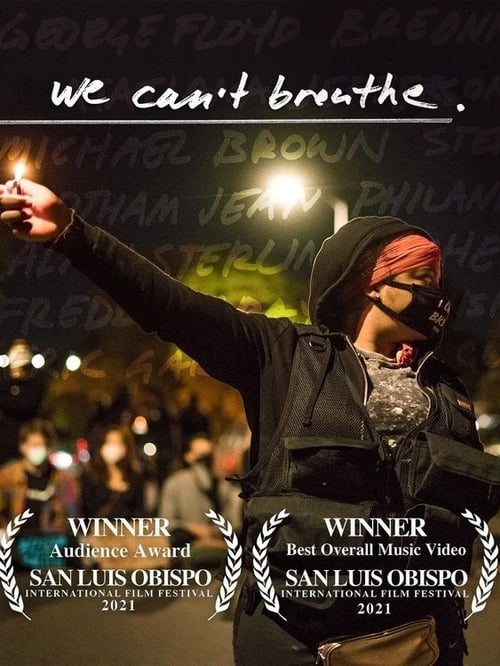
After the killing of George Floyd, a queer black woman in Los Angeles is determined to capture the spirit of a mass social movement, so she hits the streets, camera in hand.