In a tide oblivious to diversity, pearl oysters live under attack for not fitting into the standards and sizes. This is the story of how their pearls are born.
Giovana Guzinski
as
Julliane Toaldo
Luara Cruz
Tainara Fraga
Victória Souza
Yasmini Dandara
Yasminne Cohen
An intimate study of one of the most influential and provocative thinkers of the 20th century tracking feminist icon Susan Sontag’s seminal, life-changing moments through archival materials, accounts from friends, family, colleagues, and lovers, as well as her own words, as read by Patricia Clarkson.
August 29, 1979, Talavera Bruce Penal Institute, Bangu, Rio de Janeiro. After serving eight years in prison, Inês Etienne Romeu, the only survivor of the "House of Death" in Petrópolis and the first political prisoner sentenced to life in prison in Brazil, left prison benefiting from Amnesty. Norma Bengell filmed this moment: from the prison door to her home with her family, Inês was welcomed by family, friends and members of the Brazilian Amnesty Committee, in what marked the first act of the historic denunciation that Inês would carry out against her tormentors and the Military Regime.
This documentary features sexologist and writer Betty Dodson as she assembles a group of women to discuss the appearance and purpose of female genitalia. The discussion is followed by some group self-stimulation exercises and full-body massages.
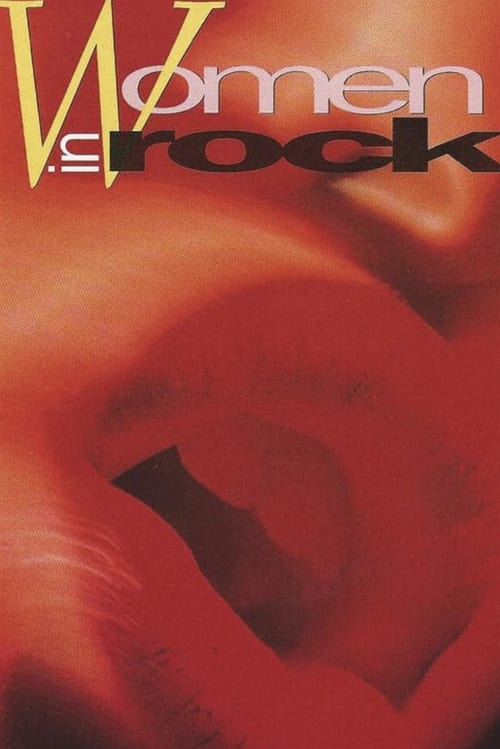
All the legendary women of rock 'n' roll are brought together in this stunning collage of artists and their music. Through a music-driven mix of rare historical footage, music videos, riveting live performances and personal interviews, the lives and times of the greatest women in rock history are revealed.
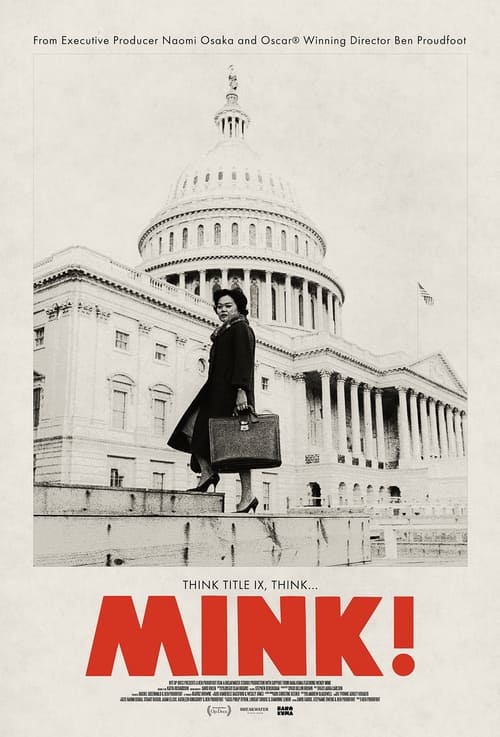
Told by her daughter Wendy, MINK! chronicles the remarkable Patsy Takemoto Mink, a Japanese American from Hawai'i who became the first woman of color elected to the U.S. Congress, on her harrowing mission to co-author and defend Title IX, the law that transformed athletics for generations in America for girls and women.
A dream-like exploration of the interconnected lives of two women and two children, celebrating the profound moments of love, loss, and resilience that shape the tapestry of womanhood. Set to the backdrop of Sidama's coffee-growing hills, 'Amakki', meaning 'your mother', captures the intricate threads that bind these women to the land, to each other, and to the unspoken essence of motherhood. The language spoken in this film is Sidaamu Afoo.
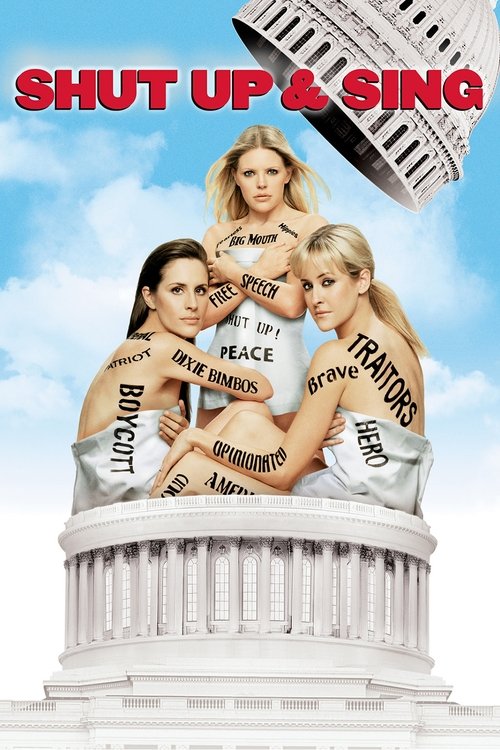
Shut Up and Sing is a documentary about the country band from Texas called the Dixie Chicks and how one tiny comment against President Bush dropped their number one hit off the charts and caused fans to hate them, destroy their CD’s, and protest at their concerts. A film about freedom of speech gone out of control and the three girls lives that were forever changed by a small anti-Bush comment
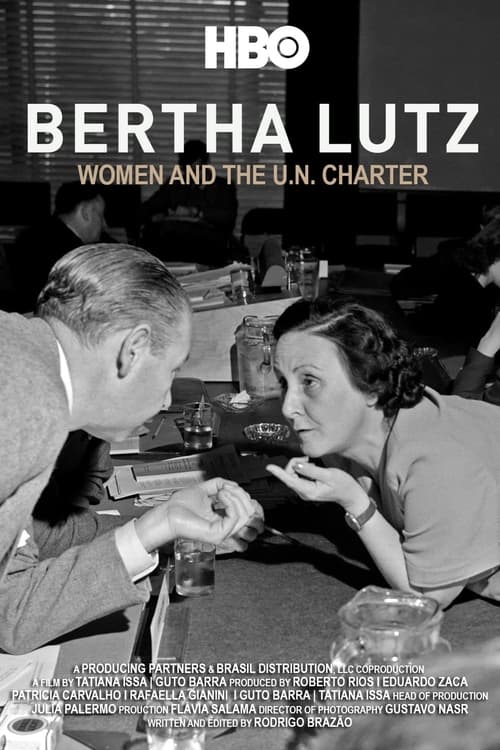
BERTHA LUTZ: WOMEN AND THE U.N. CHARTER reveals the important and unknown role of a Brazilian biologist and feminist in ensuring that gender issues were addressed at the basis of the United Nations.
A tribute to the late Pat Schulz, an influential Canadian feminist.
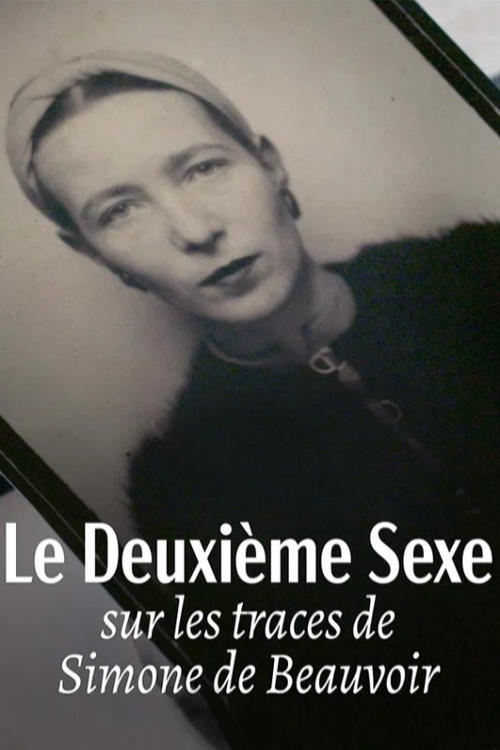
In 1949, philosopher and novelist Simone de Beauvoir wrote the groundbreaking The Second Sex, launching a disruptive discourse on women’s oppression and second-class citizenship. This film dissects the origins and relevance of this bible of feminism, charting de Beauvoir’s fact-finding journey across the US to research her book. The timely and fascinating film honors de Beauvoir’s brilliance and limitations, connecting her revolutionary ideas to the pressing issues women face today.
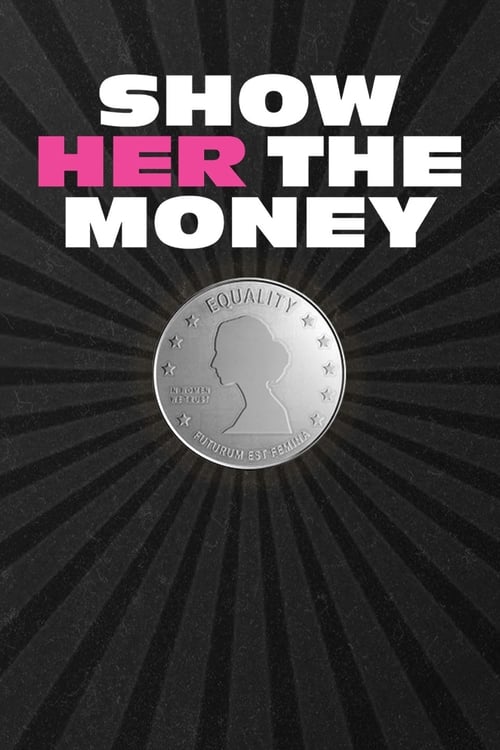
This is a story that’s never been told. SHOW HER THE MONEY addresses how women are getting less than 2% of venture capital funding and demystifies what venture capital is. Featuring rock-star female investors who invest in diverse women entrepreneurs with innovations that will change the world, Show Her The Money reminds us that money is power and women need it to achieve true equality.
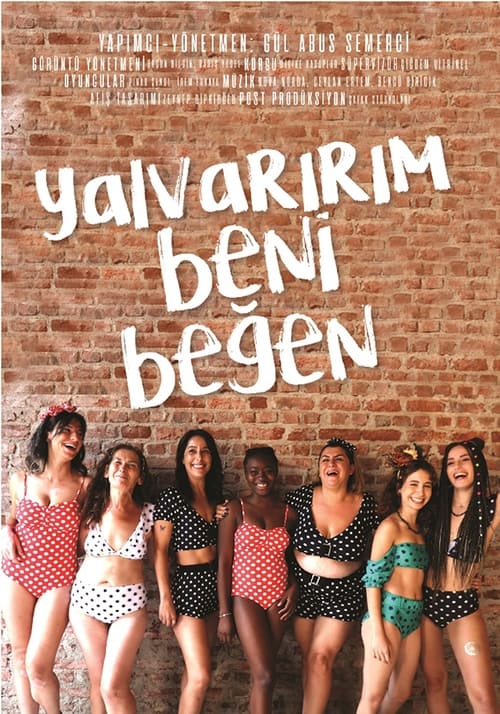
“I Beg You To Like Me”, serves as a testimony of individuals who felt oppressed about their body image for not meeting the standard beauty criteria, and demonstrates how a reckless language based on others’ physical appearance could turn violent. It aims to achieve much more than simply stating the obvious, which is that we are not obligated to submit to the ideal beauty standards dictated by the media, consumerism and the beauty industry. The intimate stories about one’s own body image as told by women, men, disabled people and LGBT individuals make it apparent that any one of us could end up being a victim and a perpetrator at the same time. What if, this iconic body image is nothing but an unobtainable fallacy? “Is it not yet the time to openly discuss the conventional perception of beauty, and step up onto the catwalk in our actual likeness?
A 90-minute special reuniting the main cast of the American sitcom, "The Golden Girls", where they share their favorite moments from the show, behind-the-scenes footage, and plenty of laughs
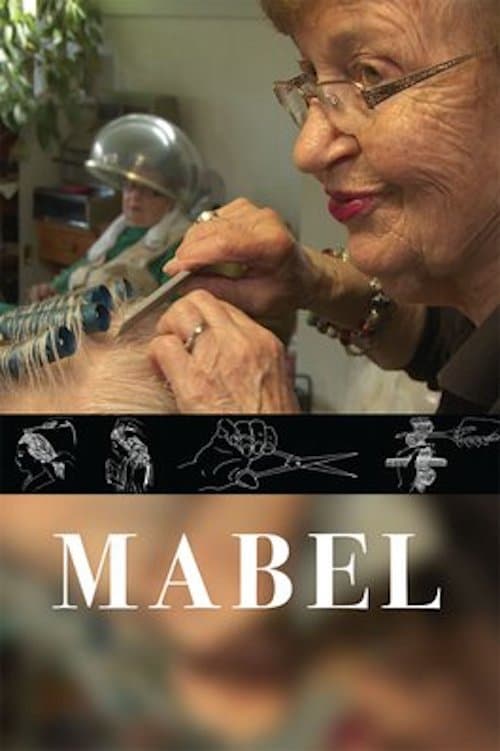
Feisty, fiercely independent and firmly rooted in place, 90 year-old Mabel Robinson broke barriers back in the 40s when she became the first woman in Hubbards, Nova Scotia, to launch her own business—a hairdressing salon where she still provides shampoo-n-sets over 70 years later. Weaving animation and archival imagery with intimate and laugh out loud moments in the salon, the film celebrates the power of friendship, doing what you love and staying active. With no desire to retire anytime soon, Mabel gives voice to a generation who are not front and center of cinema or the pop hairstyles of the day, and subtly shifts the lens on our perception of beauty and the elderly.
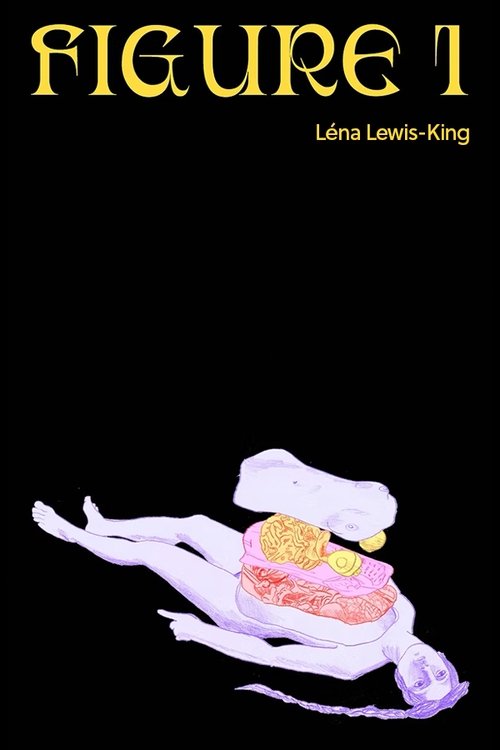
'Figure I' uses a feminist perspective to frame and deconstruct patriarchal techniques of control. This film asks: how was a patriarchal gaze construct-ed, and how has it come to effect biological processes? How have specific tools (like Dürer's Grid) come to shape our technological present and possible futures? Are modern Western scientif-ic/mathematic/technological/medical structures rooted in extractive patriarchal philosophies? 'Figure 1' is composed of re-drawn illustrations of allegorical art historical paintings and etchings, alongside archival footage, Obstetric photography, and rotoscoped animation.
The Post(?) Feminist Dissonance Project uses a quote by Kathleen Hanna as a prompt, a voicemail box as an interviewing device, found footage as a tool, and text as a character. it is a study in the cacophony of the inner life tuned against the perception of reality. i made this piece to see if i was alone, and i discovered that for better or for worse, i am not. this is above all about the process, not the resolution.