The voices of the most prestigious specialists, admirers and names close to the Galdósian and Buñuelian worlds will help answer: who is Benito Pérez Galdós and who is Luis Buñuel? What about Galdós in the cinema of Buñuel? What united them?
Documentary featuring interviews with several of legendary Spanish director Luis Buñuel’s close friends and collaborators.
Carlos Saura shows us in this piece his personal vision of the land where he was born. Throughout the seasons we enter a route that ranges from the green Pyrenean landscapes to the Monegros desert. The images offer us the beauty of this Aragonese land but also reflect the harshness of its contrasts.
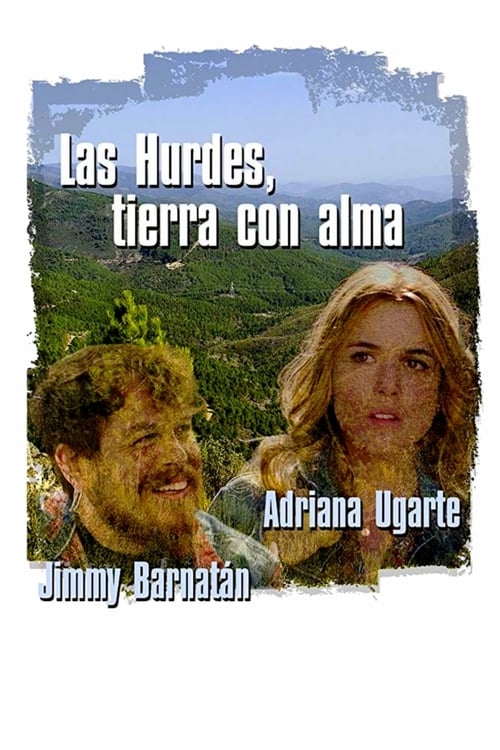
A modern answer to Luis Buñuel's mythical documentary “Land Without Bread” (1933) about Las Hurdes, a historically impoverished region of the province of Cáceres, in Extremadura, Spain, and also a journey of discovery of the soul of this beautiful land and its inhabitants.
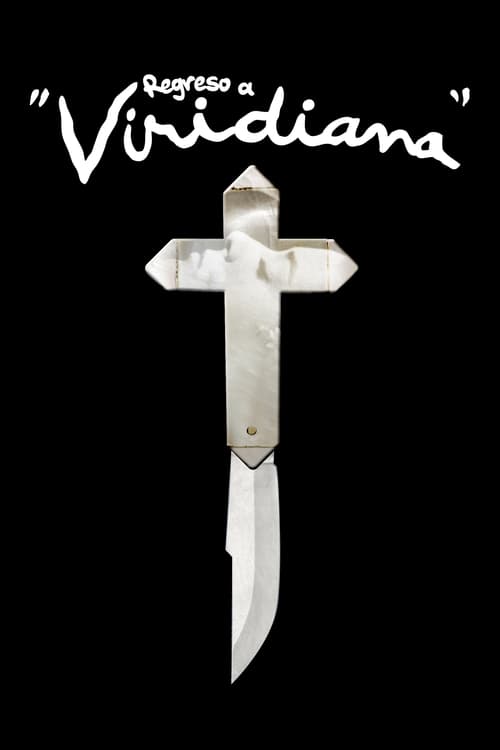
Spain, 1960. French student Monique Roumette lives in Madrid on a scholarship. Thanks to a friend who works in the production company Uninci, she has the privilege of attending the shooting of Viridiana, a film directed by Luis Buñuel.
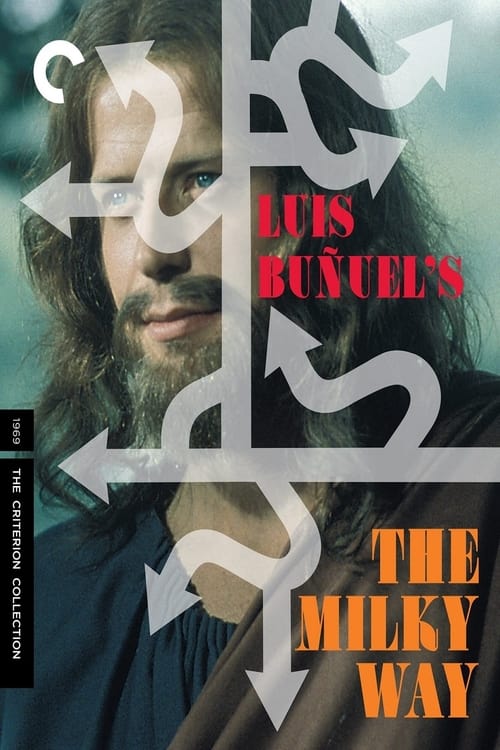
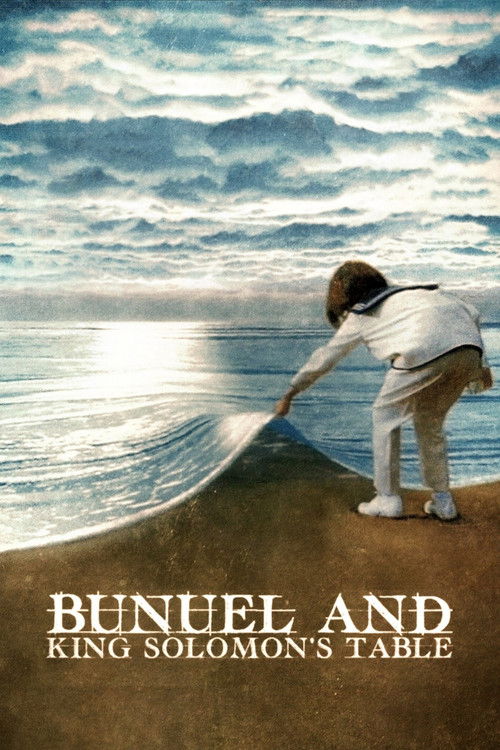
The old Spanish filmmaker Luis Buñuel (1900-83) imagines a movie plot, set in Toledo in the future 2002, about the fantastic adventure of three actors, who play him and his friends, the painter Salvador Dalí (1904-89) and the poet Federico García Lorca (1898-1936), and their search for King Solomon's table, a mythical artifact capable of revealing the past, present and future.
Spain, 1932. Spanish filmmaker Luis Buñuel travels to the region of Las Hurdes, in Extremadura, where he shoots his third film, a very critical and later controversial documentary about the living conditions of the poor peasants, abandoned and forgotten by the national authorities.
Paris, 1930. Luis Buñuel is penniless after the scandal surrounding the release of his last movie. Sculptor Ramón Acín, a good friend, buys a lottery ticket and promises Buñuel that he will pay for his next movie if he wins the prize.
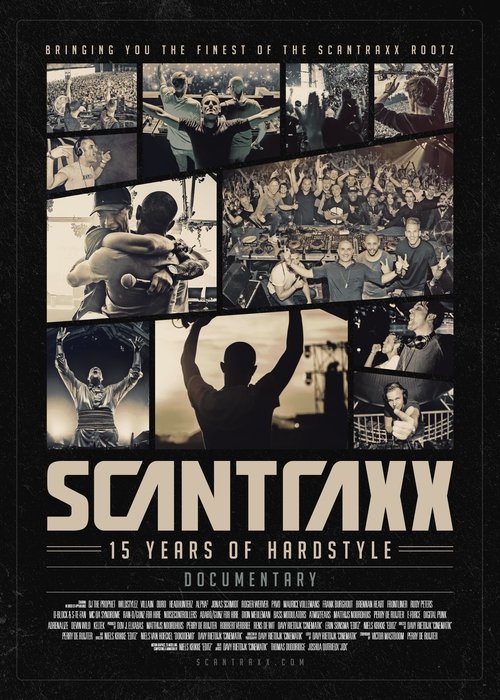
Scantraxx: 15 Years of Hardstyle tells the story of the particular electronic dance music genre ‘Hardstyle’, which has grown from an underground Dutch movement to an international phenomenon in no less than 15 years. The film shows how the genre, the leading label ‘Scantraxx’ and it’s artists experienced major topics that concerned the music industry as a whole, such as the impact of digitalization from vinyl to streaming and globalization to over 20 countries. In reliving these memories, DJ’s such as Headhunterz, Duro (known as Showtek), D-Block & S-te-Fan, Brennan Heart, Noisecontrollers, Wildstylez, Frontliner, Digital Punk, E-Force and many others are featured. Their stories are topped by the experiences of Scantraxx’ founder DJ The Prophet, the genres favourite MC’s, and professionals from industry leaders Q-dance and Scantraxx.
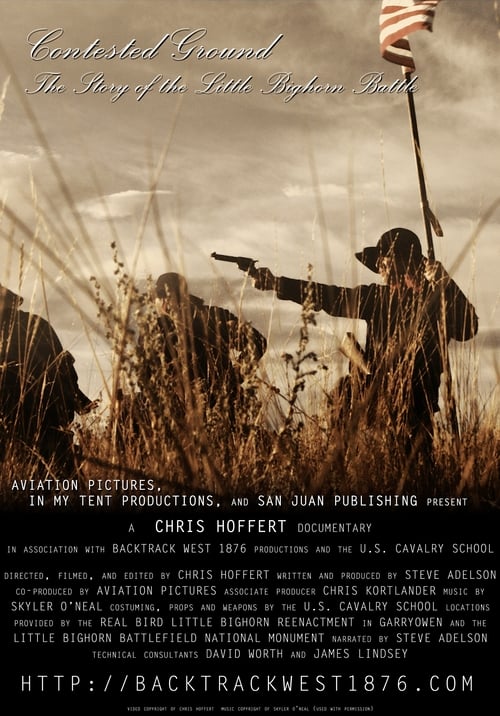
Apocalypse at the Little Bighorn, Custer's final battle.
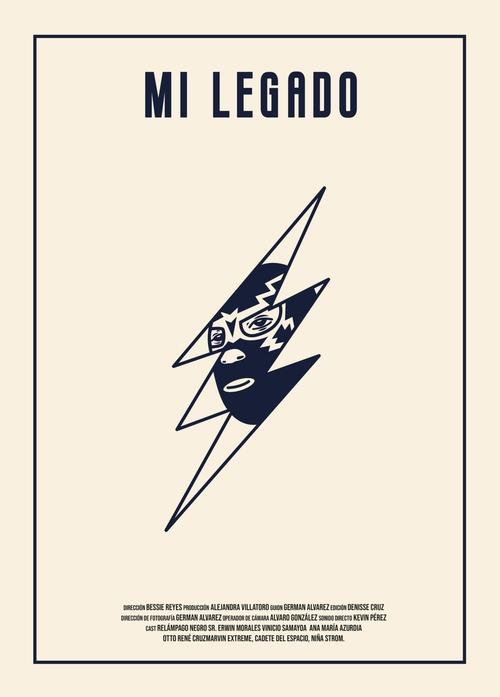
Relámpago Negro is a professional wrestler who lived in his own flesh the golden age of wrestling in Guatemala. 40 years later everything has changed, except his passion for the sport. Relámpago Negro tells us how his passion leads him to keep wrestling alive after so long, building a legacy for professional wrestling until this day.
Who owns the public space? Urban Contradictions documents the State's poorly planned interventions in public spaces, segregating social strata, the neglect of the problems resulting from this social exclusion. Condomínio Selva de Pedra, Cruzada São Sebastião, both in the upscale neighborhood of Leblon, Rio de Janeiro. And the traditional neighborhood of Catumbi: Solutions, Organizations and Contradictions. Urban Contradictions is the report of an investigation on citizen identity and the use of urban spaces.
Discussion on football and citizenship.
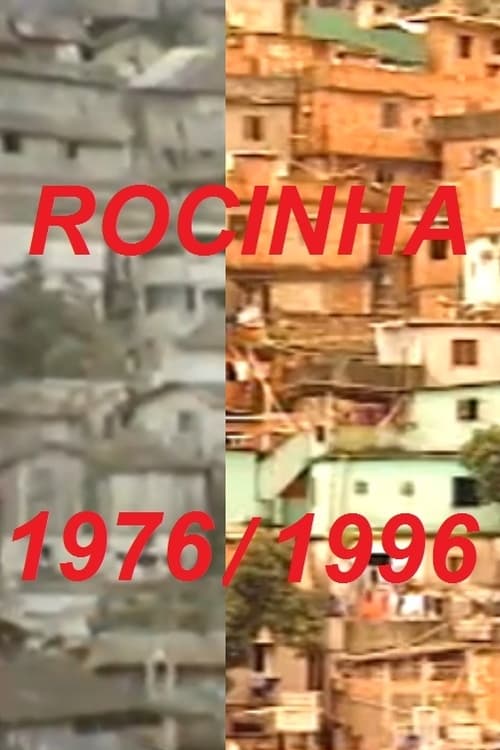
The camera goes back through the alleys and alleys of the community, leading the viewer to compare, with simultaneous shots of 76 and 96, the little or almost nothing that was accomplished, the neglect of the State, the abandonment over the 20 years. Finishing with a virtual image of the colored facades, as part of the proposed urbanization.
Testimonial film with Eliezer Jucá Soares, president of the Mixed Cooperative of the Garimpeiros of Serra Pelada, COMGASP. Pioneers of the mining of the great tectonic breach in the region of Araguaia, southern Pará, claim their mining rights in a region that has been the center of attention of the country and the world since the beginning of the 70s, when the Guerrilla that challenged the Military Dictatorship .
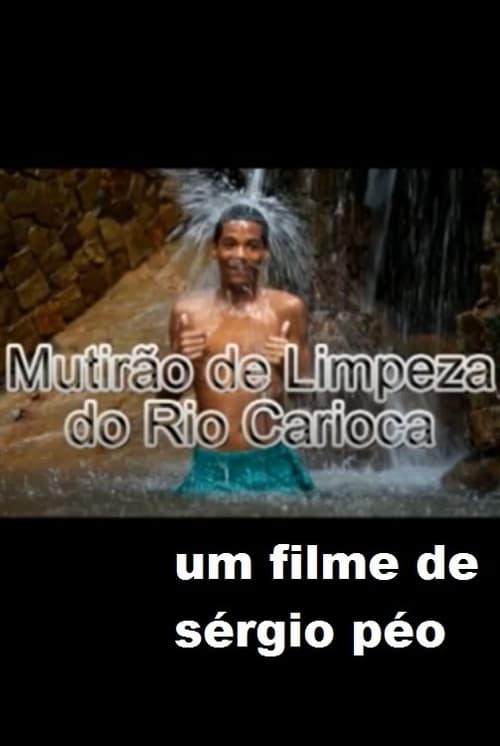
Cleaning campaign for the Carioca River carried out by residents of Guararapes and the surrounding areas exposes the fragility of urban rivers in the city of Rio de Janeiro.
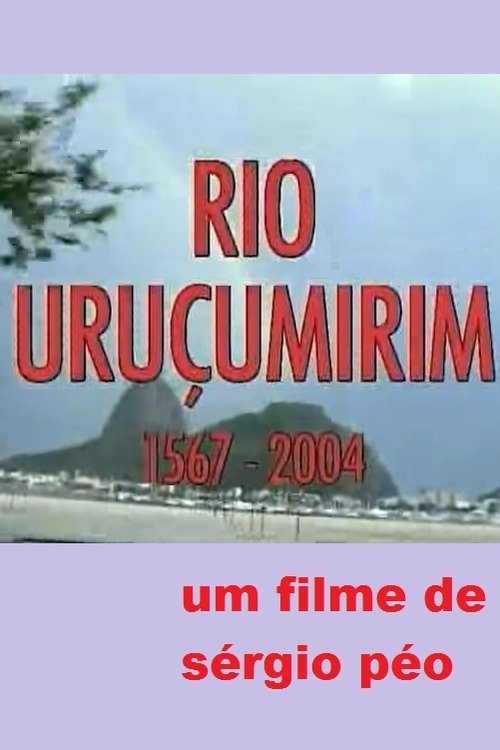
Rescue bridge of the Tupinambá de Uruçumirim village, headquarters of the Tamoia Confederation until 1567, when it was destroyed in a genocidal operation, commanded by Portuguese led by Estácio de Sá, with the support of the Jesuits Manuel da Nóbrega and Anchieta, here founding the city of Rio de January. Testimony and contemporary point of view from Pajé Sapaim Kamayurá.
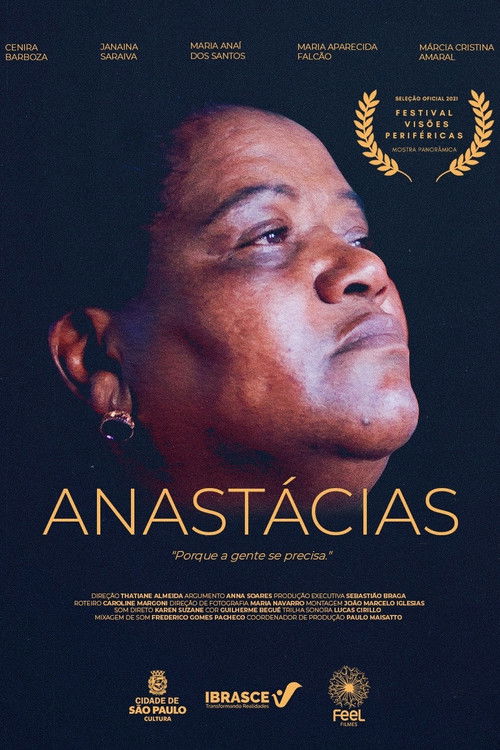
How do women, who have lived affective relationships that involved some form of violence, live and relate to the world? "Anastácias", portrays the lives of five black women from communities in the Jabaquara region, on the southern outskirts of São Paulo, from the premise of affection.