A grandmother dies and leaves behind hours of secret film and audio recordings as well as an envelope with the words “Must read after my death,” which reveal a dark history for her family to discover.
SONG 5: A childbirth song (the Songs are a cycle of silent color 8mm films by the American experimental filmmaker Stan Brakhage produced from 1964 to 1969).
Documentary that follows the movement of the collage makers throughout France.
A short animated documentary featuring archival recordings of the filmmaker's Volga-German Great-Great-Grandmother, Mary Frank Lind, in which she recalls key memories of childhood—her father's windmill, warm rains, wolf sightings, bone trading, and her passion for carpentry, which broke gender norms but was supported by her father.
One year after the death of Simone de Beauvoir (14 april 1986) Delphine Seyrig pays homage by visiting her grave. which she finds still covered with flowers and letters from all over the world.
Loosely based on Charles Dicken’s book “A Tale of Two Cities”, Working Class tells the tale of underground street artists Mike Giant and Mike Maxwell and their decade long friendship that started with a tattoo. The story is told through the cities they call home by, cutting back and forth between the neighborhoods of San Francisco and San Diego, as the artists talk about their life philosophies and the work they create.
Documentary about feminism in music and the challenges it has faced through the years from the '70s to present day.
Lost Boundaries is comprised of footage shot by Julien on location, in England in the summer of 1985, during the making of the Sankofa film and video collective's first experimental feature film The Passion of Remembrance (1986), which he co-directed with Maureen Blackwood, another member of the collective. In recapturing those moment Lost Boundaries both deconstructs and foregrounds the means of 16mm film production while weaving together a fragile community of Black artists and actors who came to prominence at a time when debates in film theory - such as those of the Screen film journal and of "third cinema" discourses where cinema was intertwined within (Brechtian) filmmaking practices - were at the forefront of forging a new politics of artistic representation. A Black avant-garde.
This fascinating political look at a little-known chapter in women's history tells the story of "Jane", the Chicago-based women's health group who performed nearly 12,000 safe illegal abortions between 1969 and 1973 with no formal medical training. As Jane members describe finding feminism and clients describe finding Jane, archival footage and recreations mingle to depict how the repression of the early sixties and social movements of the late sixties influenced this unique group. Both vital knowledge and meditation on the process of empowerment, Jane: An Abortion Service showcases the importance of preserving women's knowledge in the face of revisionist history. JANE: AN ABORTION SERVICE was funded by the Independent Television Service (ITVS) with funds provided by the Corporation for Public Broadcasting.
The film documents modern slave trade through a number of African countries, under dictatorship rule. The filming was conducted both in public places, and sometimes with the use of hidden cameras, for high impact scenes of nudity, sex, and violence - and a few surprises, as slaves made out of peregrins to Asia, and slave traders paid in traveller checks.
Eerie images of landscapes after the Fukushima nuclear disaster shot on black and white 8mm.
The film traces the life and times of Esther Eng, a San Francisco native known as Hong Kong’s first “directress.” She directed 10 Cantonese talkies.
Told through performances, TV interviews, home movies, family photographs, private letters and unpublished memoirs, the film reveals the essence of an extraordinary woman who rose from humble beginnings in New York City to become a glamorous international superstar and one of the greatest artists of all time.
Preschool to Prison is a compelling examination of how the United States public school system is built and operated like prisons. Zero-tolerance policies are used to justify suspension and arrests that set up a pathway to send children of color and children with special needs from school to prison. Children are being suspended, restrained, dragged, physically manhandled, and subsequently arrested for minor offenses such as throwing candy on a school bus. These personal accounts from people affected by the school-to-prison pipeline give riveting tales about the generational impact on society.
In 1949, philosopher and novelist Simone de Beauvoir wrote the groundbreaking The Second Sex, launching a disruptive discourse on women’s oppression and second-class citizenship. This film dissects the origins and relevance of this bible of feminism, charting de Beauvoir’s fact-finding journey across the US to research her book. The timely and fascinating film honors de Beauvoir’s brilliance and limitations, connecting her revolutionary ideas to the pressing issues women face today.
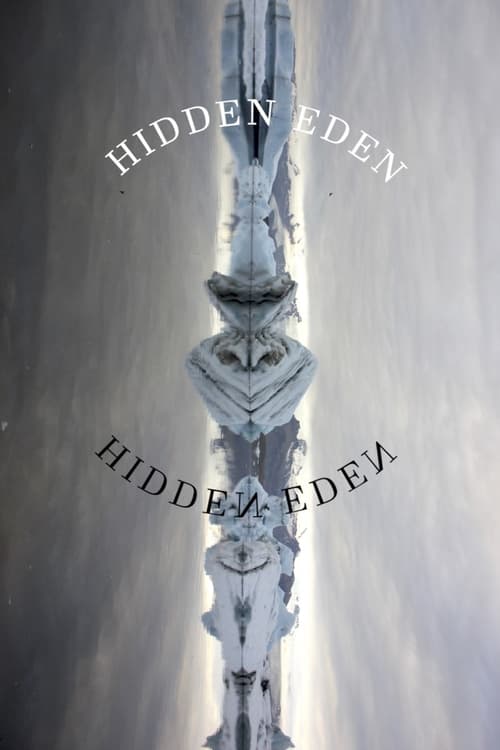
Exploring the concept of the Ecology of Emotions, this musical film portrays an inner journey through the secret garden of creativity put into frame by the nature of Iceland. Hidden Eden is a metaphor for our inner secret garden of creativity. This project bloomed during an art residency in Iceland, sparked by conversations around our shared philosophies on voice and emotional connection. The nature of Iceland inspired us to make the connection on how the landscape reflects the emotional states of creativity and how it helps manage the homeostasis of our inner emotional landscapes. This exchange between emotion and the landscape opens a space for healing. Creativity provides us with the tools to access a garden of our authentic being, nourishing and balancing us. Allowing ourselves to explore the spectrum of our emotions through the lens of our relationship with the Earth invites others to do the same. The creative process can affect our well being and is a key to human evolution.
Skip Liberty enlisted in the Army in 1968. During his tour in Vietnam he shot 3,100 feet of Super 8 film, over 3 hours worth. Upon returning to the states the film was placed in storage, Skip had never seen the footage he shot. Until now.
TOMBOY explores the obstacles that young girls encounter on the recreational stage, the stereotypes, language issues and cultural disparities that follow, and ultimately the insufficient media coverage and compensation that afflicts elite professional athletes seeking full recognition for their talents. The journey of the female athlete is often discouraging, and despite progress achieved during the Title IX era, gender equity in athletics has a long way to go.
The last day of Patrizia Cavalli’s home. Before it’s all gone.
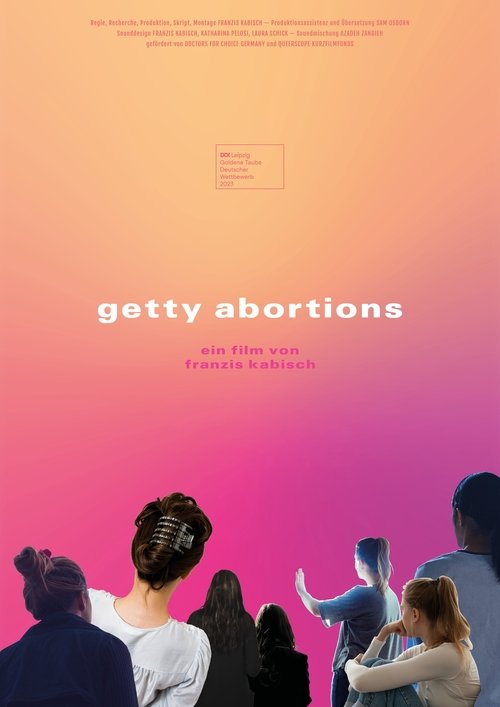
This film shows the work done by the "socorristas" feminist network. Through informative talks and stories about the actions of emotional containment these women have with others who need support, it seeks to eliminate the stigmas on abortions while also bringing out the reality of the clandestine abortion.