Two biologists set out on an undertaking as colossal as their subjects—deciphering the complex communication of whales. Dr. Michelle Fournet and Dr. Ellen Garland journey to opposite hemispheres to uncover a culture eons older than our own.
Ellen Garland
as Self
Michelle Fournet
Deep Blue is a major documentary feature film shot by the BBC Natural History Unit. An epic cinematic rollercoaster ride for all ages, Deep Blue uses amazing footage to tell us the story of our oceans and the life they support.
The Lamalera village is located in a small volcanic Island, a poor, barren land, and they catch whales to eat. It is the only way for them to survive. The harpooners are called lamafa in the local language. They are the village's pride because they take the whole responsibility for the very dangerous hunting. In 2018. a tragedy struck the village. Benjamin, a young lamafa, was killed during a spear hunting. His father, Ignatius, was devastated, and Benjamin's brother, Demo, was shocked and unable to go hunting. They blame accidents at sea on a victim's family discord in Lamalera. Ignatius, the master boat-builder, decided to build a new traditional whaleboat to reunite the family bond. The whaling boat is 12 meters long, made entirely of hand-crafted wood, not using a single nail, and is considered an intangible cultural asset.
At only twelve inches long, the menhaden are a keystone species in the East Coast's marine ecosystem, yet their numbers are threatened by industrial-scale fishing operations in the Chesapeake Bay.
Delve into the world of modern whaling in Norwegian waters. Discover the shocking truth about the demand for whale meat, the associated health risks, and its unexpected use in pet food. Experience thrilling hunts firsthand as the crew confronts Norway's largest whaling operators.
Co-directed by Chris Marker and Mario Ruspoli, Three Cheers for the Whale traces humanity’s complex relationship with whales—from reverence to exploitation—culminating in a stark depiction of industrial whaling. Combining archival imagery, commentary, and documentary footage, the film offers both a historical reflection and a call for ecological awareness.
Whales have long been a profound mystery to us. They live in a world so removed from our own that we can barely imagine their lives. Their environment is different, their senses are different, their relationships are different. How might such almost alien creatures see the world?
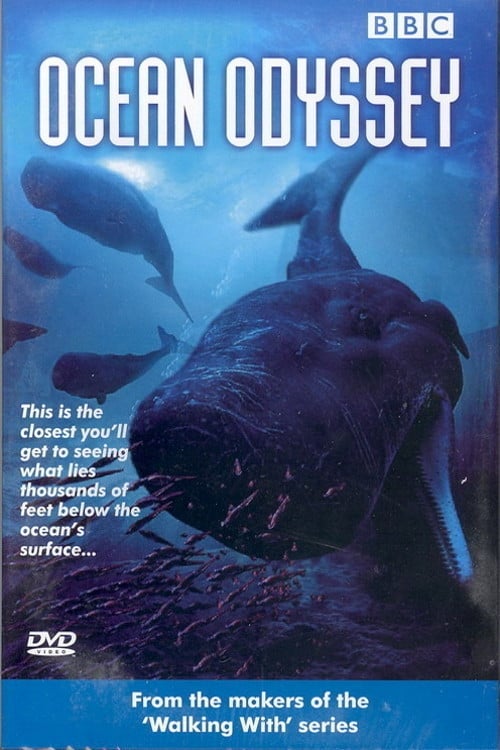
The largest predator on the planet, the sperm whale, is your host for an amazing exploration of the final frontier – the world at the bottom of the ocean. From the makers of the Walking With series comes this incredible marine tour, in which you'll witness a rarely seen world of hidden mountain ranges, majestic canyons, volcanoes and the beautiful and often deadly creatures that inhabit the deep sea.
Jean-Michael Cousteau's documentary about the Great Barrier Reef keeps getting interrupted by characters from Disney's Finding Nemo.
Supported by the National Geographic Society, the world's eminent blue whale scientists embark on a revolutionary mission: They'll find, identify, and tag California blue whales, use the DNA samples to confirm the sex of individual whales, then rejoin the massive creatures' stunning migration when they collect at a chimera known as the Costa Rica Dome.
A 3-D documentary chronicling a sea turtle's journey across the oceans.
A 3-part documentary granting a unique and privileged access into the magical world of whales and dolphins, uncovering the secrets of their intimate lives as never before. Episode 1: Giant Lives / Episode 2: Deep Thinkers / Episode 3: Voices of the Sea
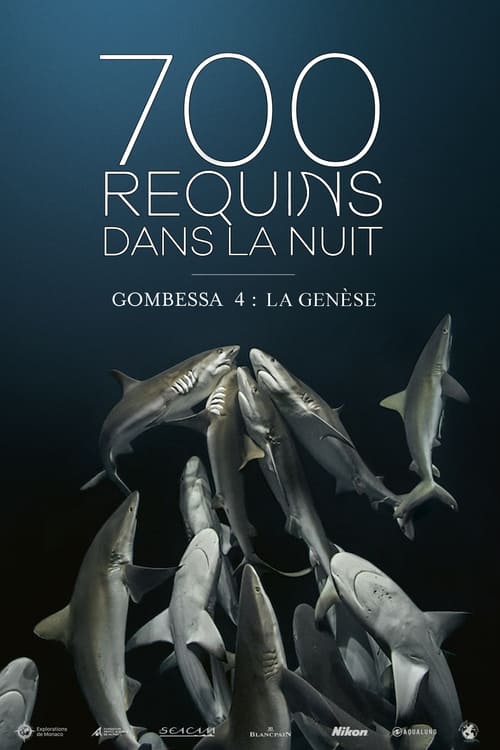
Gombessa Expedition 4 Laurent Ballesta went to observe a gathering of thousands of groupers during the full moon of June 2014 (Le mystère mérou) in the southern pass of the Polynesian atoll of Fakarava, where he discovered a pack of over seven hundred grey sharks. How can this unprecedented density be explained? Could it be that social behaviors govern this wild horde? During three years of preparation, he and the other divers on his international scientific team tamed their fear by abandoning the defensive reflexes that provoke shark aggression, with the aim of slipping into the heart of the raging pack to study and film it from the inside. Sharks fitted with microchips, receiving antennas, hydrophones, an ark of 32 synchronized cameras...: a whole technological arsenal is mobilized for the project. As the groupers approach for their annual spawning, what battle plan will the sharks deploy?
This adventure film features Scott McVay, an authority on whales, and filmmaker Bill Mason. The objective was to film the bowhead, a magnificent inhabitant of the cold Arctic seas brought to the edge of extinction by overfishing. With helicopter and Inuit guide, aqualungs and underwater cameras, the expedition searches out and meets the bowhead and beluga.
Humpback Whales takes audiences to Alaska, Hawaii and the Kingdom of Tonga for a close-up look at how these whales communicate, sing, feed, play and take care of their young. Humpbacks were nearly driven to extinction 50 years ago, but today are making a steady recovery. Join a team of researchers as they explore what makes humpbacks the most acrobatic of all whales, why only the males sing, and why these intelligent 50-foot, 48-ton animals migrate more than 6,000 miles round-trip every year.
The documentary follows leaders and community members from the tropical Pacific island nation who are making bold changes to move the needle on marine protection. With a population of under 2,000 people and a marine reserve covering 40% of its waters, Niue has demonstrated the ways in which traditional knowledge and contemporary science can live in harmony for the benefit of people and the planet.