Palazzo Vecchio: a history of art and power. Directed by Piero Messina, through a clever movement of the narration between past and present, makes a real journey into the beauty of an ancient place that still retains its undisputed charm.
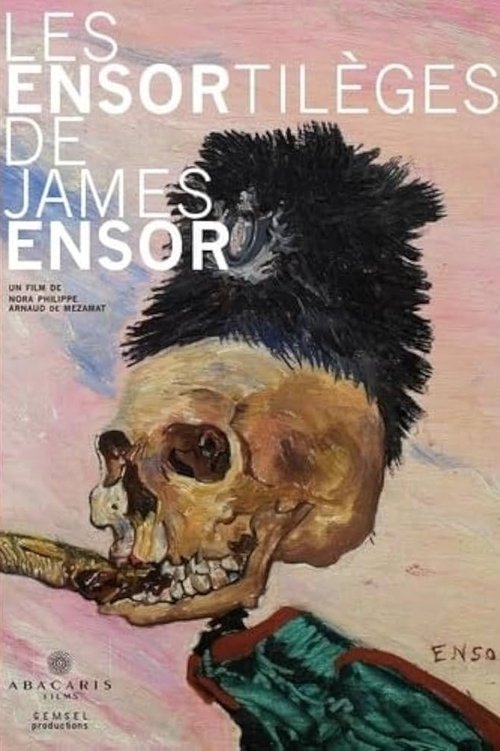
This film explains what James Ensor (1860-1949) meant for the development of art and makes palpable where he got his inspiration from.
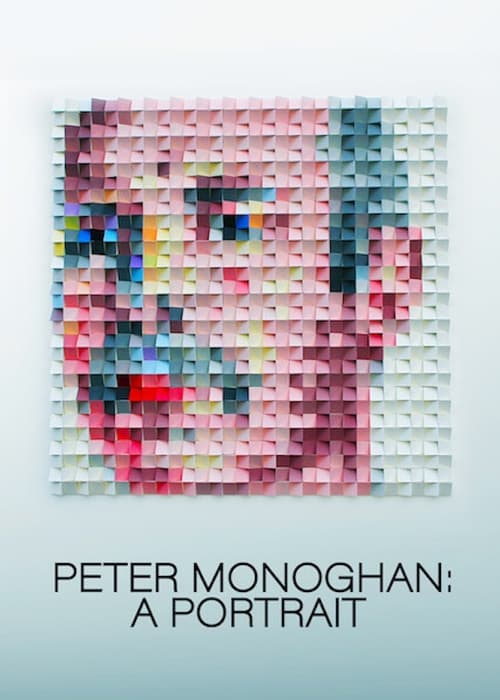
This documentary features a kinetic artist who creates vibrant mixed media works that push the boundary between 2D and 3D.
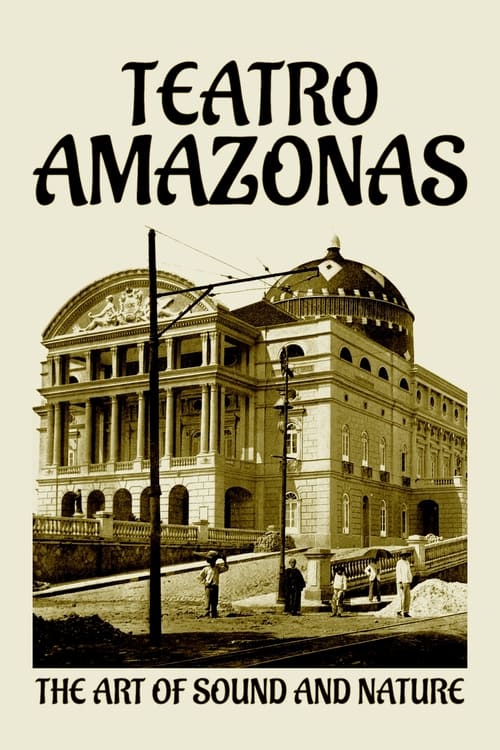
The history of the Teatro Amazonas in Manaus, an opera house located in the middle of the Amazon rainforest, whose construction, between 1884 and 1896, depended on the labor exploitation of the local indigenous populations, provides an insight into the cultural, social and political situation in Brazil.
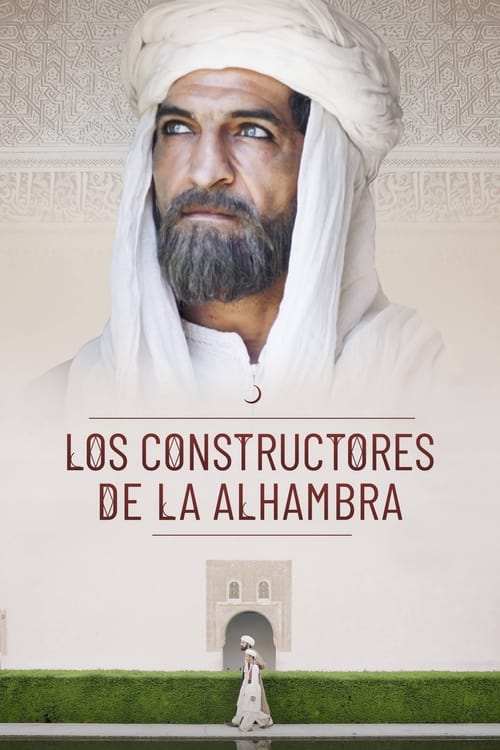
Kingdom of Granada, al-Andalus, 14th century. After recognizing that his land, always under siege, is hopelessly doomed to be conquered, Sultan Yusuf I undertakes the construction of a magnificent fortress with the purpose of turning it into the landmark of his civilization and his history, a glorious monument that will survive the oblivion of the coming centuries: the Alhambra.
A portrait of Spanish comic book author Paco Plaza.
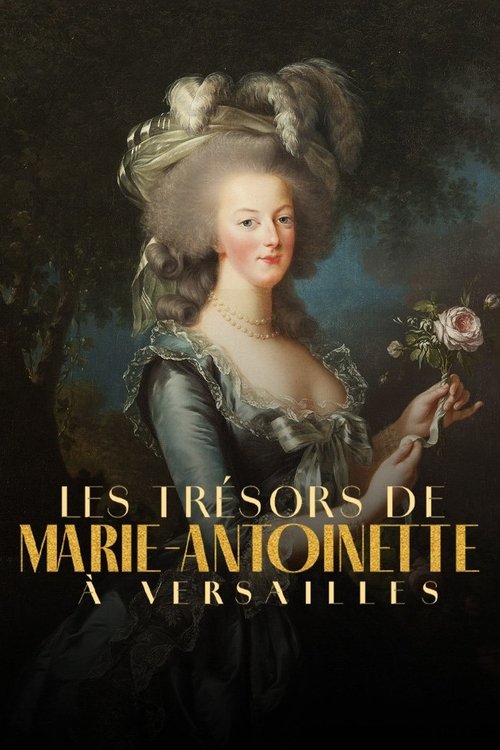
Over time, Queen Marie-Antoinette, who was the most hated woman of her time, experienced a spectacular return to favor. Today, historians and curators show another character: an independent and loving woman in constant search of intimacy who knew how to keep her secrets; a woman with refined, feminine and modern taste who marked her time. At Versailles, in this sublime setting cut off from the world where she barricaded herself, Marie-Antoinette cultivated her own style and influenced, throughout Europe, the tastes of her time.
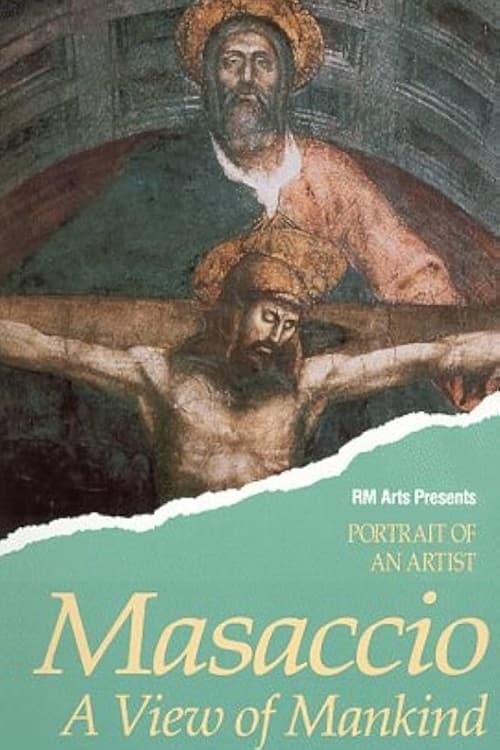
English artist, writer, curator and teacher Sir Lawrence Gowing narrates a personal exploration of some of the great Florentine painter Masaccio's key works.
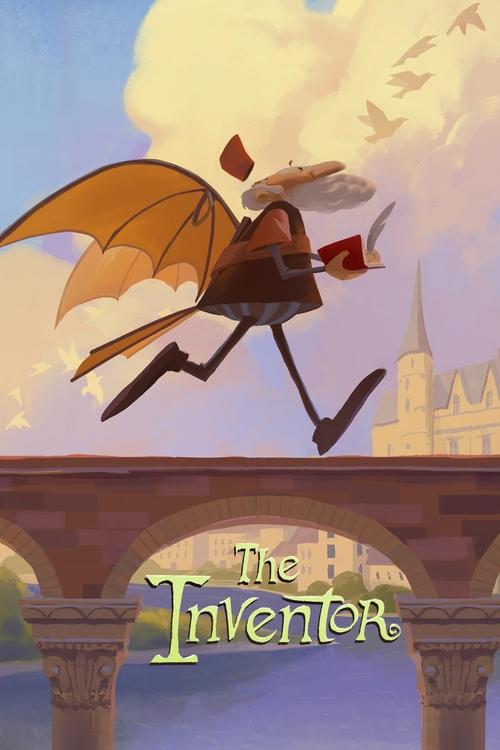
The insatiably curious and headstrong inventor Leonardo da Vinci leaves Italy to join the French court, where he can experiment freely, inventing flying contraptions, incredible machines, and study the human body. There, joined in his adventure by the audacious princess Marguerite, Leonardo will uncover the answer to the ultimate question – "What is the meaning of it all?"
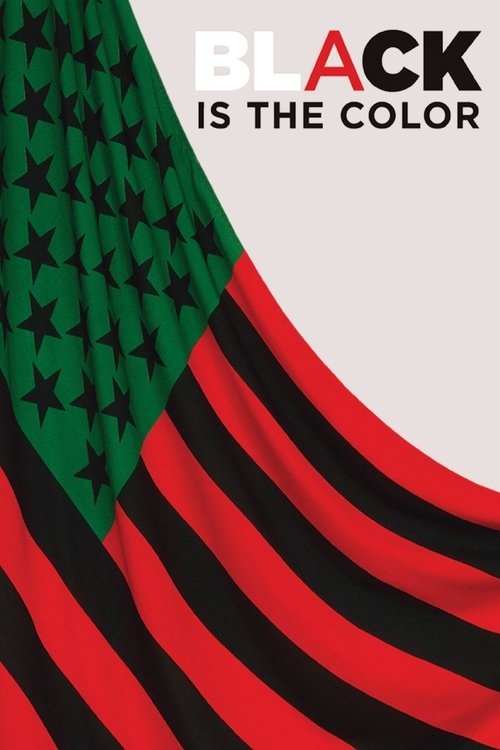
Black Is the Color highlights key moments in the history of Black visual art, from Edmonds Lewis’s 1867 sculpture Forever Free, to the work of contemporary artists such as Whitfield Lovell, Kerry James Marshall, Ellen Gallagher, and Jean-Michel Basquiat. Art historians and gallery owners place the works in context, setting them against the larger social contexts of Jim Crow, WWI, the civil rights movement and the racism of the Reagan era, while contemporary artists discuss individual works by their forerunners and their ongoing influence.
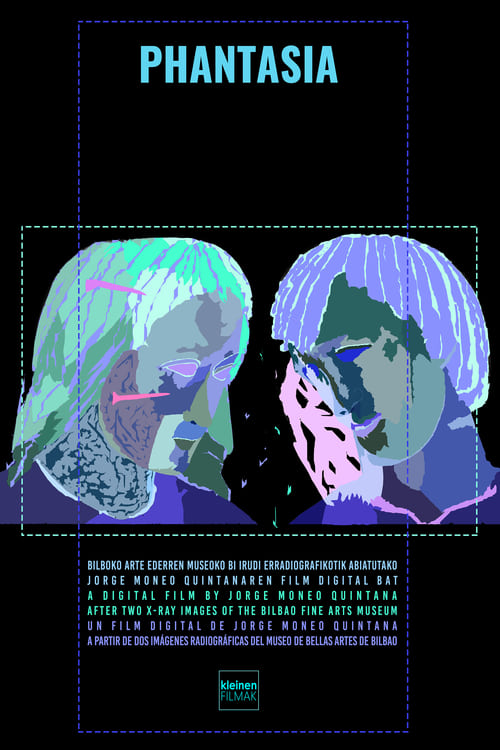
X-ray images were invented in 1895, the same year in which the Lumière brothers presented their respective invention in what today is considered to be the first cinema screening. Thus, both cinema and radiography fall within the scopic regime inaugurated by modernity. The use of X-rays on two sculptures from the Bilbao Fine Arts Museum generates images that reveal certain elements of them that would otherwise be invisible to our eyes. These images, despite being generally created for technical or scientific purposes, seem to produce a certain form of 'photogénie': they lend the radiographed objects a new appearance that lies somewhere between the material and the ethereal, endowing them with a vaporous and spectral quality. It is not by chance that physics and phantasmagoria share the term 'spectrum' in their vocabulary.
An account of the short life and the astonishing and provocative work of the Austrian painter Egon Schiele (1890-1918), seen through the peculiar point of view and the critic voices of the women who defined the paramount milestones of his existence: Gerti, his sister; Wally, his main model and lover; and Edith, his wife. A brief story of love, hate, betrayal and misfortune.
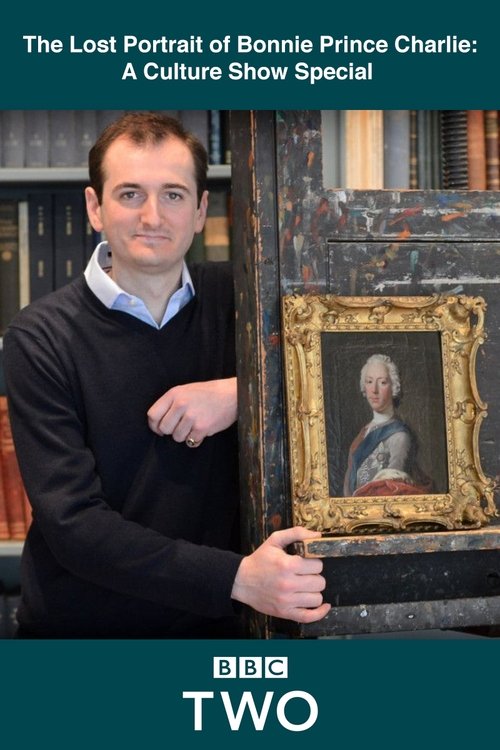
In 2009, art detective Dr Bendor Grosvenor caused a national scandal by proving that the Scottish National Portrait Gallery's iconic portrait of Bonnie Prince Charlie, the rebel Stuart who almost seized power in 1745, was not in fact him. Keen to make amends, and suspecting that a long-lost portrait of the prince by one of Scotland's greatest artists, Allan Ramsay, might still survive, Bendor decides to retrace Charles's journey in the hope of unravelling one of the greatest mysteries in British art.
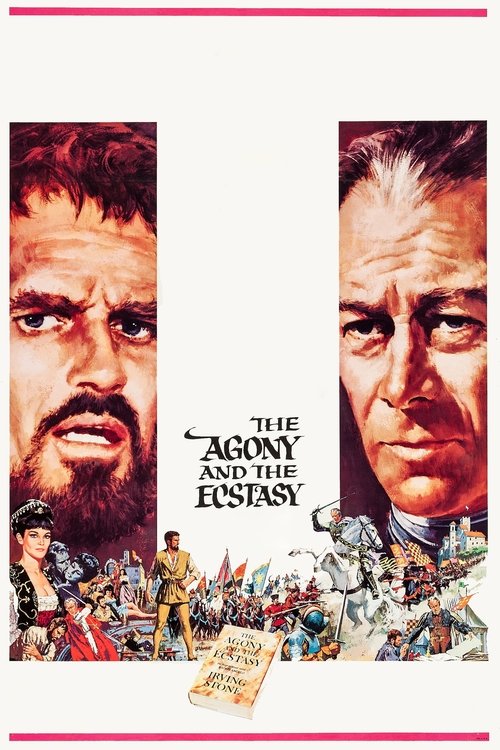
During the Italian Renaissance, Pope Julius II contracts the influential artist Michelangelo to sculpt 40 statues for his tomb. When the pope changes his mind and asks the sculptor to paint a mural in the Sistine Chapel, Michelangelo doubts his painting skills and abandons the project. Divine inspiration returns Michelangelo to the mural, but his artistic vision clashes with the pope's demanding personality and threatens the success of the historic painting.