Capturing CO2 to recycle it, brightening clouds to better intercept sunlight, massive reforestation: here's an overview of scientific solutions to combat global warming that offer a glimmer of hope.
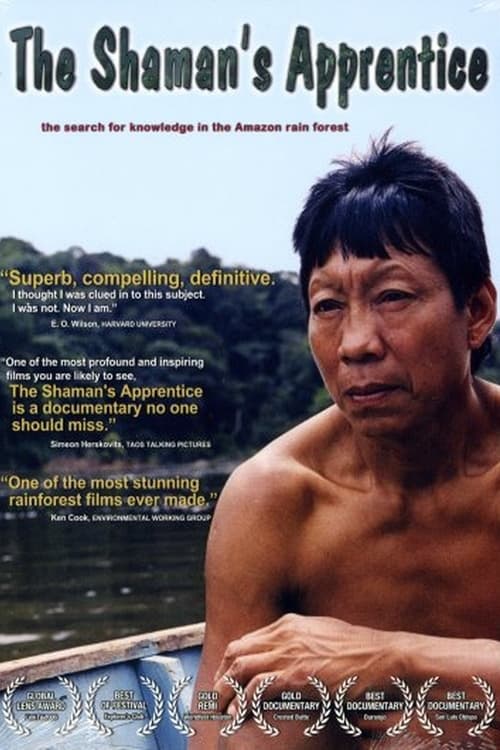
Scientist Mark Plotkin races against time to save the ancient healing knowledge of Indian tribes from extinction.
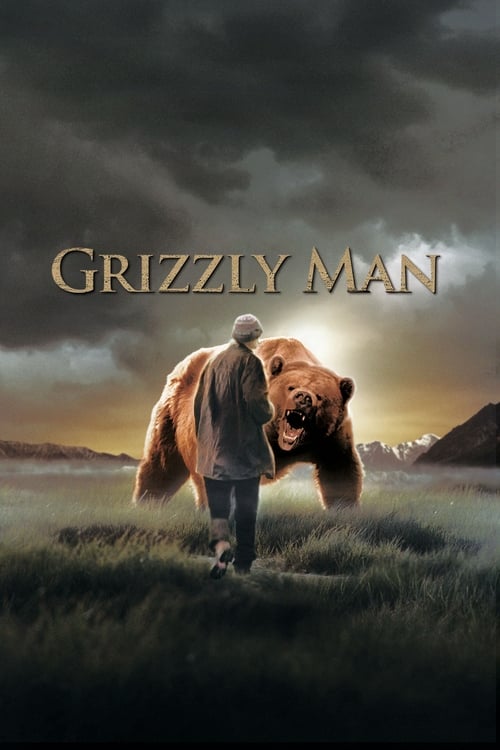
Follows the story of "Grizzly Man" Timothy Treadwell and what the thirteen summers in a National Park in Alaska were like in his attempt to protect the grizzly bears. The film is full of unique images and a look into the spirit of a man who sacrificed himself for nature.
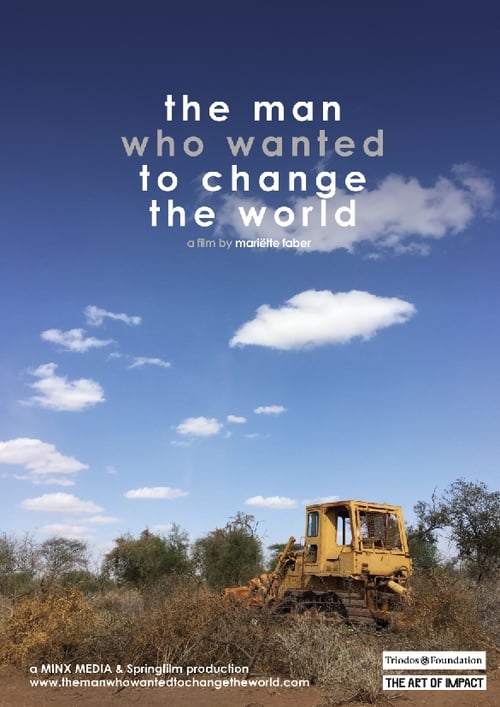
Peter Westerveld, artist and visionary, doesn’t want institutions to resolve the problems linked to earth’s problems. Growing up in Africa, he witnessed the advance of the desert and dedicated himself to finding solutions for the ongoing erosion and desertification of the land. The film follows Peter and the NGO working with him to realise his project; to build contour trenches that capture and store rain water under the surface and replenish the desert land.
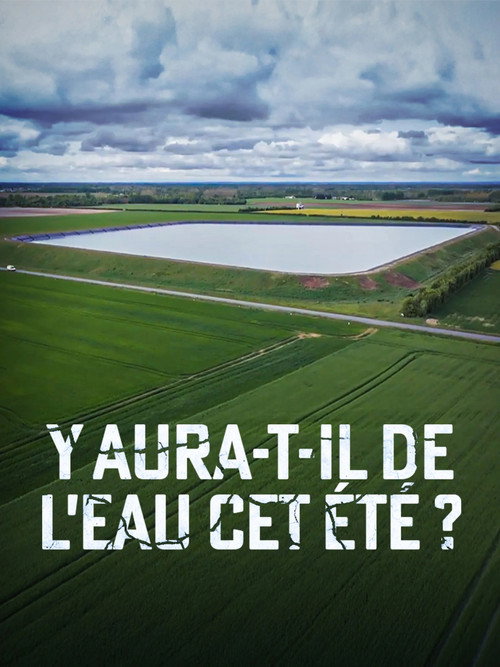
Through encounters with a hydrologist, a farmer, and citizens mobilized around the Marais Poitevin, the director helps us understand the effects—on biodiversity and the state of rivers—of substitution reservoirs, also known as megabassins. For several years, Anne-Morwenn, David, Patrick, Yann, and others have been fighting for fair water sharing and devising ways to convince as many people as possible that it is time to change the agricultural model.
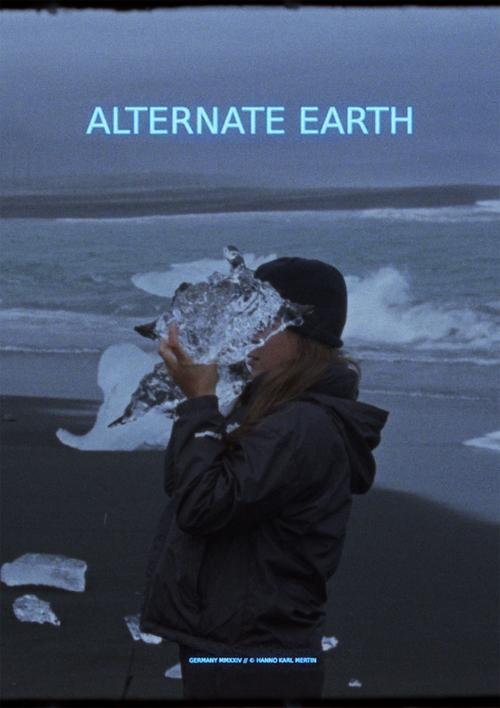
A scientific expedition travels to an alternative Earth in hope of finding a new home for humanity, which has destroyed its own planet. But is it even possible to escape old patterns?
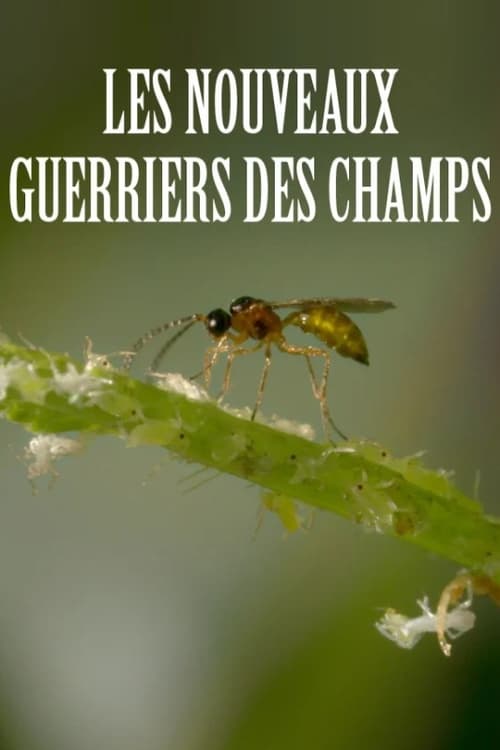
For years, chemical pesticides were considered an efficient method of killing off agricultural pests. However, in the long term, they not only harm the supposed attackers, but also people and the environment. Biological pest control offers an alternative, because who could fight pests more efficiently than their own natural enemies?
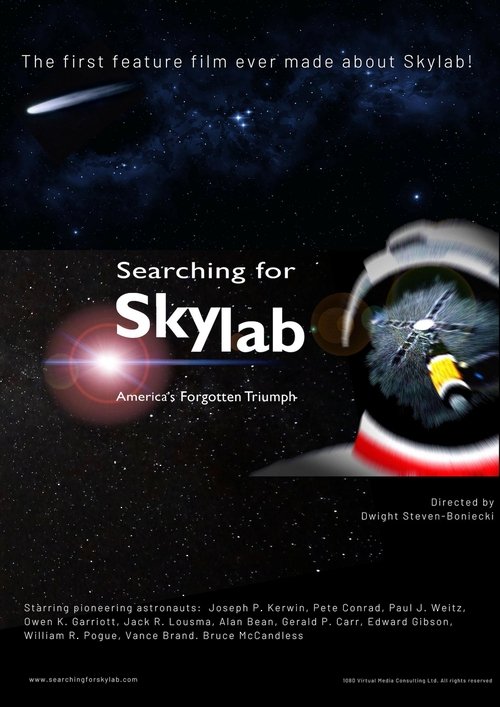
The first American space station Skylab is found in pieces scattered in Western Australia. Putting these pieces back together and re-tracing the Skylab program back to its very conception reveals the cornerstone of human space exploration.
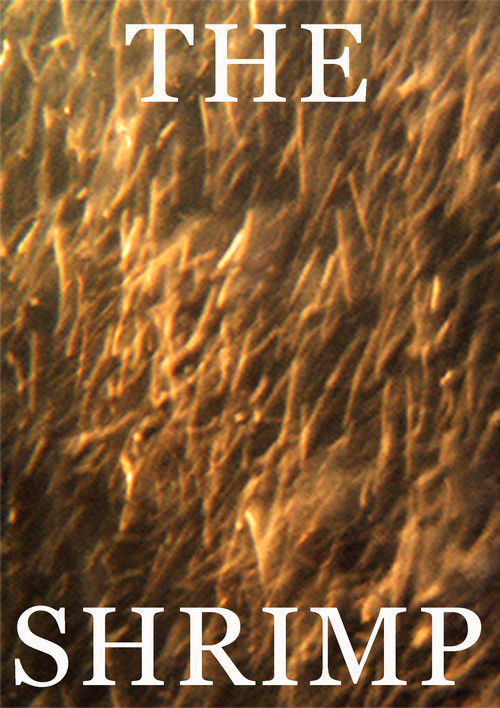
The Shrimp is a lush visualist's documentary that follows the life cycle of a shrimp along the marshes of Savannah, Georgia. Beautifully etched images and a canny audio soundtrack create a rich observational work about Southern culture, human folly and the interplay of natural and built environments.
The foreshore as you've never seen it before! War, survival, and marine ballet: in a Microscomos-style odyssey with sumptuous images, this documentary takes a close-up look at the aquatic world at low tide and its colorful creatures.
This documentary explores the ecosystems of the intertidal zone in British Columbia. An "intertidal zone" is an area that is covered by the highest tides and exposed during the lowest.