Agnaldo Lopes
as Euclides Neto (adulto) / Narrador
Robson Willian
as Euclides Neto (jovem)
Manu Santiago
as Angélia (jovem)
Director John Sanborn attends his 40th high school reunion with a film crew to interview former classmates and gain a measure of closure on some open-ended chapters in his life.
A documentary about Tintoretto.
World reference of the disco with 400 million albums sold, unforgettable titles like Waterloo, Mamma Mia ! or Dancing Queen, ABBA is a real planetary success. For 50 years, the world has been dancing to the rhythm of this mythical group. One year after the release of their new album, Agnetha, Björn, Benny and Anni-Frid meet again in a documentary that retraces the recipe of their incredible longevity. Between musicals, movies and concerts with their holograms, ABBA reveals the secret of their eternity.
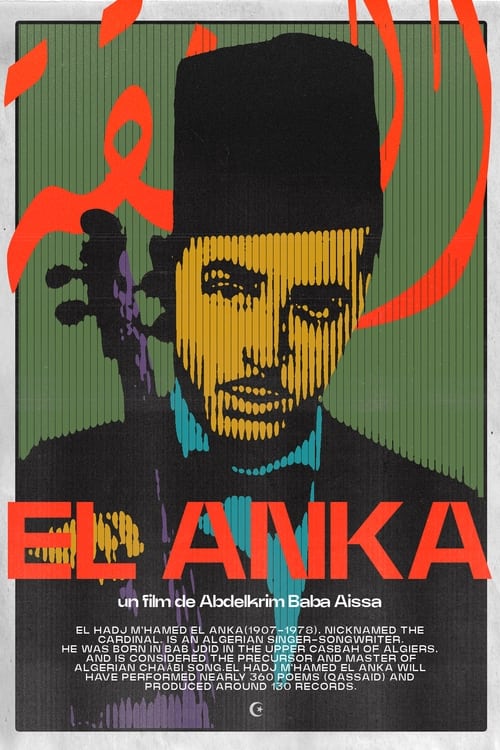
1/4 - In 1925, the young M’hamed El Anka replaced his master Nador at short notice. He realizes that he is far from mastering all the instruments of his art and begins a self-taught training program in Oud, the Arabic language, and religious singing in the hadra of Sidi Abderrahmane. 2/4 - In 1932, the young El Anka released 10 45 rpm records in Paris, including the first song from his composition "L'Exil". He is gradually “lightening” the Andalusian heritage. He made the pilgrimage to Mecca and wrote the famous song "El Mendouza". 3/4 - The 40s and 50s will confirm the maturity of the master, who consolidates the constituent elements of what is today called Chaâbi music. In the midst of the national liberation struggle, El Hadj M'hamed El Anka triumphs with the song "Youm El Djemâa". 4/4 - In 1962, El Anka sang of independence: "El hamdou lilah, mabqach listaâmar fi bledna". Activist, poet and musicologist Bachir Hadj Ali explains the artist’s exceptional style.
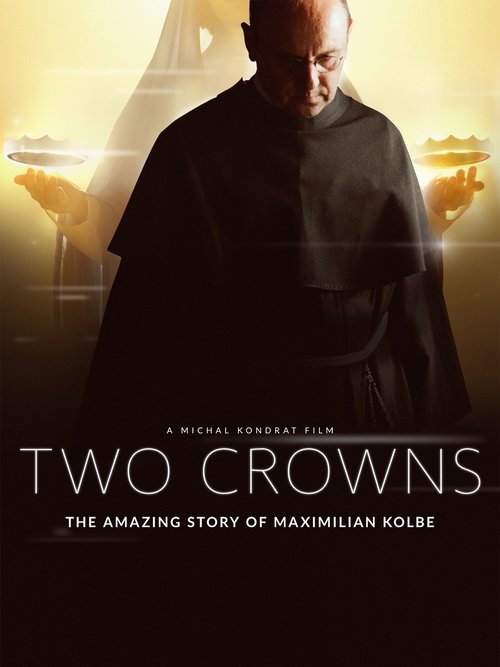
Recreation of facts and stories of both experts and people who met Maximilian Kolbe and were shocked by his words and actions.
Shoshana Damari was the first Israeli diva. She graced local and international stages, stirring millions with her beguiling voice and spectacular performance. Yet behind the larger-than-life persona and her memorable songs was a woman about whom we know little. She didn’t like to be interviewed and never volunteered details about herself and her family. Hers was the life of a Hollywood legend and she paid the price for it. This is a story about fame and loneliness, acclaim and loss, daring and compromise. For the first time, the woman behind the crown, the cloak and the palace will come to light.
In this genre-bending tale, Errol Morris explores the mysterious death of a U.S. scientist entangled in a secret Cold War program known as MK-Ultra.
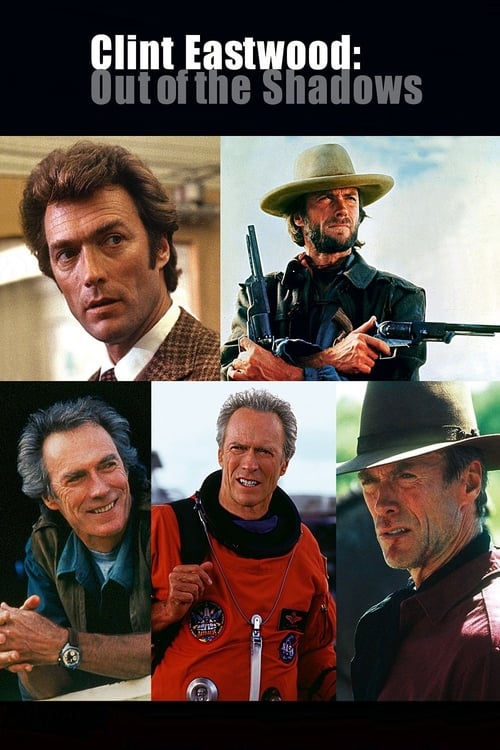
Hollywood careers are full of make-or-break moments. For Clint Eastwood, one such moment came when studio powers agreed to let him make his directing debut. That story and others comprise this portrait of the famed Hollywood icon. His career is explored via an array of film clips, interviews and more.
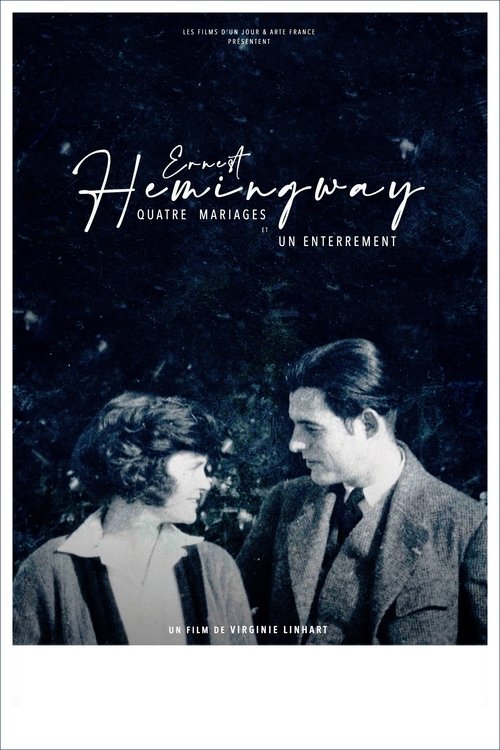
A look at the intimacy of the US writer Ernest Hemingway (1899-1961), a man infinitely more complex than his public image suggested, through the story of his relationship with his four wives.
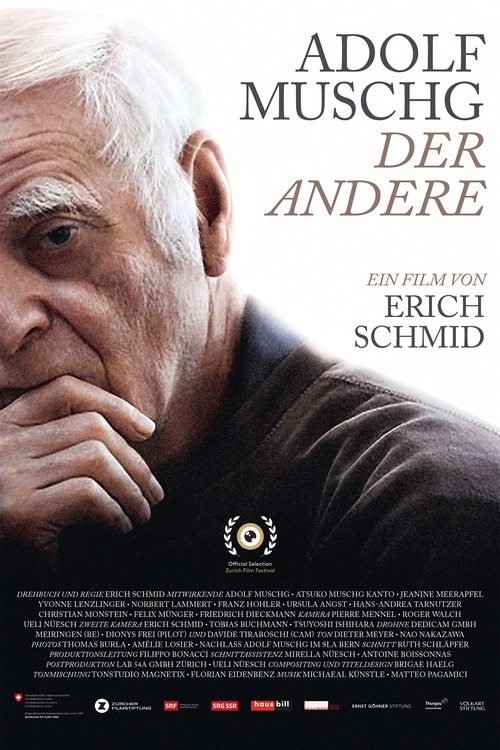
In his exploration of the cultural dynamic between East and West, Adolf Muschg, the most significant Swiss writer since Frisch and Dürrenmatt, searched for the other in himself in order to understand otherness.
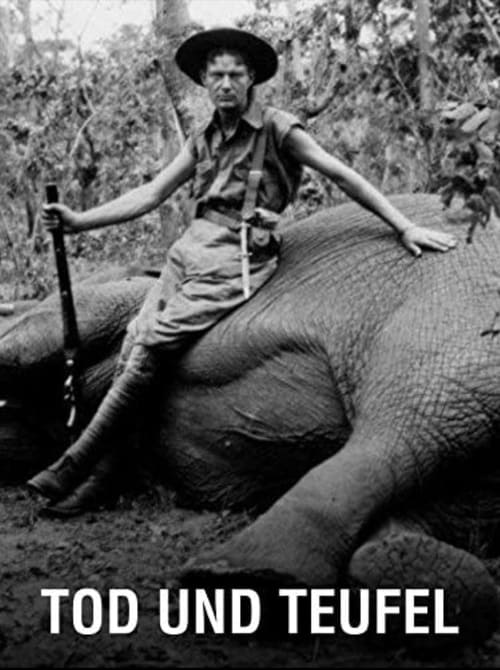
Ethnologist and adventurer, Count Eric von Rosen was a man of contradictions: interested in the natives of Africa and colonial racism. Nestler embarks on a journey in search of his grandfather.
Jay worked as a security guard at the door of Kanaal40, a bar located in the heart of Amsterdam's Warmoesstraat. At the threshold of the club, Jay found a sense of security: a space to express themselves and explore who they want to be. Even after the bar closed its doors, the experience continued to shape their life in deeply personal ways.
For the past fifty years, conspiracy theories have become a prevalent topic of discussion and cause for great alarm, growing into a truly global phenomenon. Dean Haglund (The X-Files) reveals the Comedy, Consciousness and Conspiracy of a world gone mad.
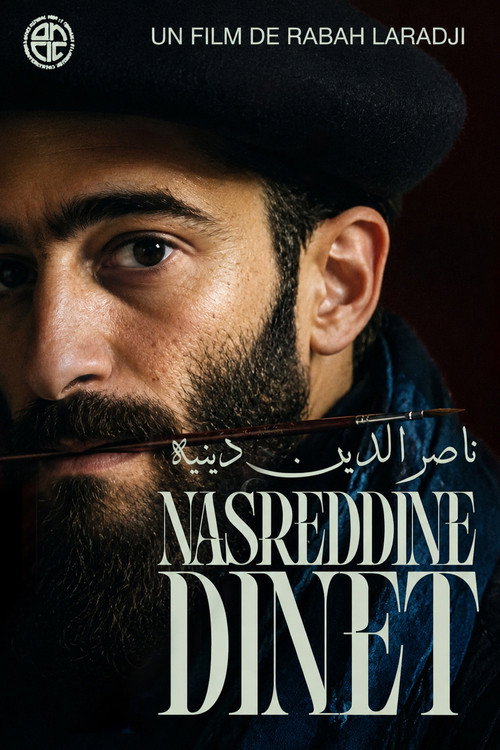
Étienne Dinet (إتيان دينيه), born March 28, 1861 in Paris, where he died on December 24, 1929, was a French painter and lithographer. He was one of the leading representatives of Orientalist painting at the turn of the 19th and 20th centuries. Obtaining a scholarship in 1884, Dinet undertook his first trip to southern Algeria in the region of Bou-Saâda, the Naili culture having a profound impact on him, as he would return there many times until he settled in his first Algerian studio in Biskra in 1900. In 1905, he bought a house in Bou-Saâda to spend three-quarters of the year there. In 1907, on his advice, the Villa Abd-el-Tif was created in Algiers, modeled on the Villa Medici in Rome. Having lived much of his life in Algeria, he called himself Nasreddine Dinet (نصر الدين ديني) after converting to Islam. On January 12, 1930, he was buried in the Bou-Saâda cemetery, where a museum that houses many of his works bears his name.
Étienne Dinet, born March 28, 1861 in Paris, where he died on December 24, 1929, was a French painter and lithographer. Having lived much of his life in Algeria and recognized during his lifetime, he called himself Nasreddine Dinet after converting to Islam.
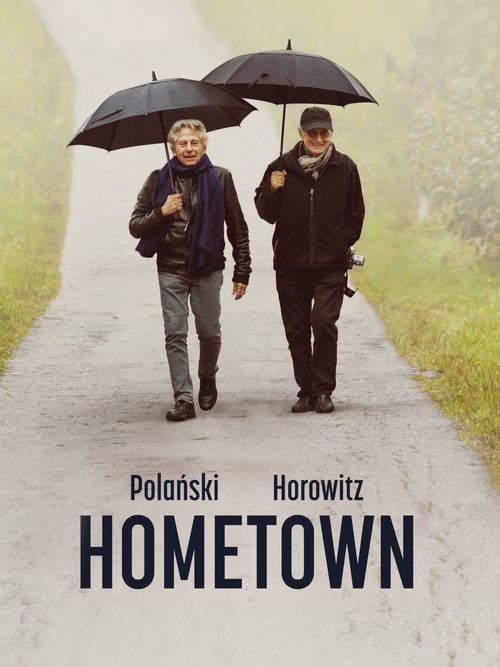
Filmmaker Roman Polanski and photographer Ryszard Horowitz meet in Kraków, Poland, where, strolling the streets, they share memories of their childhood and youth, the hardest days of their lives, when, during World War II, they met in the ghetto established by the Nazi occupiers.
An inspiring story of friendship that explores the truly unbelievable lives of two former New York detectives who were falsely imprisoned for committing murder on behalf of the mafia, even though law enforcement knew who the real gunman was.