A road trip through the hills, valleys and villages of Palestine, following Murad, the cinema-lover who has made it his mission to bring Palestinian cinema to Palestinians in forgotten and marginal communities in the West Bank.
Murad Ismail
as Murad
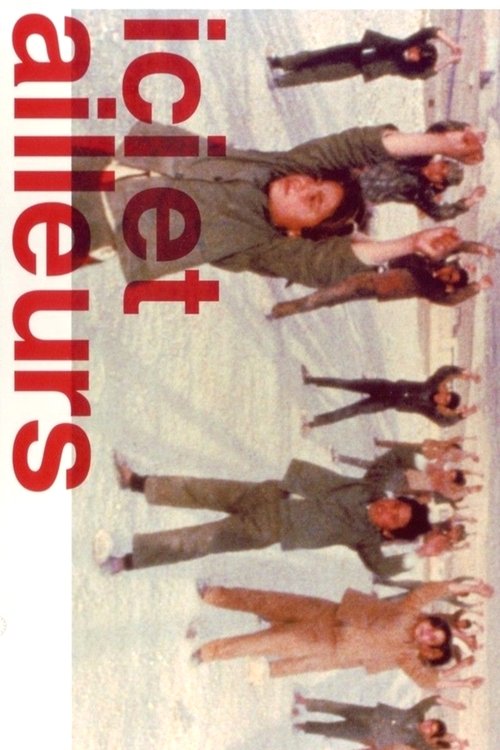
Here and Elsewhere takes its name from the contrasting footage it shows of the fedayeen and of a French family watching television at home. Originally shot by the Dziga Vertov Group as a film on Palestinian freedom fighters, Godard later reworked the material alongside Anne-Marie Miéville.
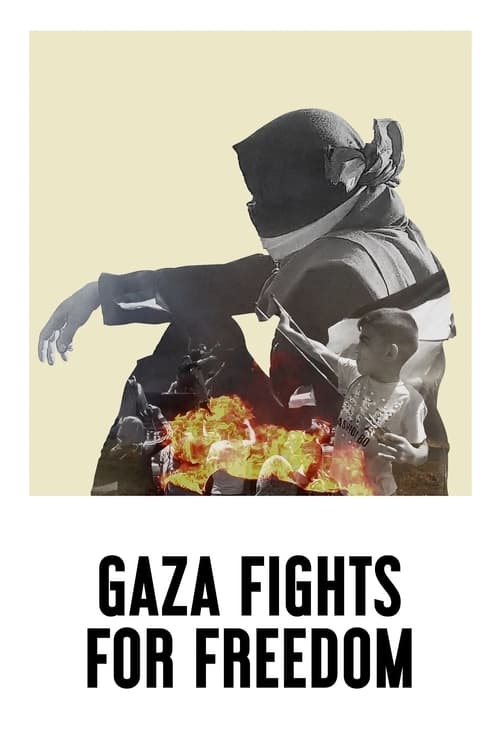
Gaza Fights for Freedom depicts the ongoing Great March of Return protests in the Gaza Strip, occupied Palestine, that began in 2018.
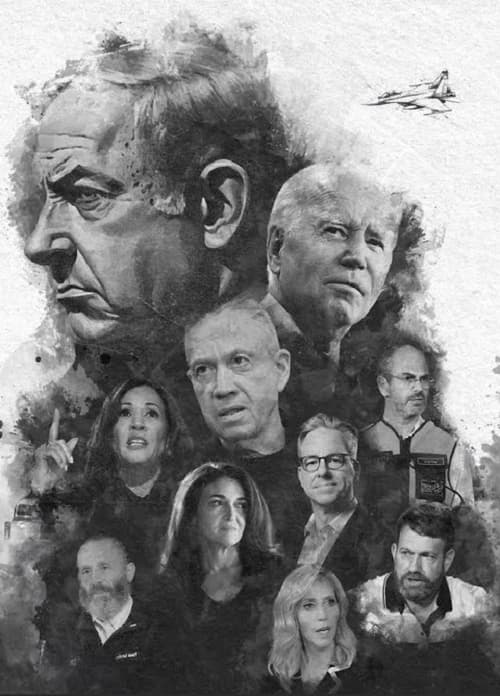
In an exclusive new documentary, Max Blumenthal rips the cover off the media deceptions and atrocity hoaxes Israel pushed after October 7 to create political space for its gruesome assault on the Gaza Strip. Blumenthal exposes the US mainstream media's role as a megaphone for the Israeli government, introducing new lies even after their initial ones were debunked. Atrocity Inc raises serious questions about the official narrative of October 7, while revealing how Israel's army has consciously engaged in the same hideous atrocities which it falsely accused Palestinian militants of committing.
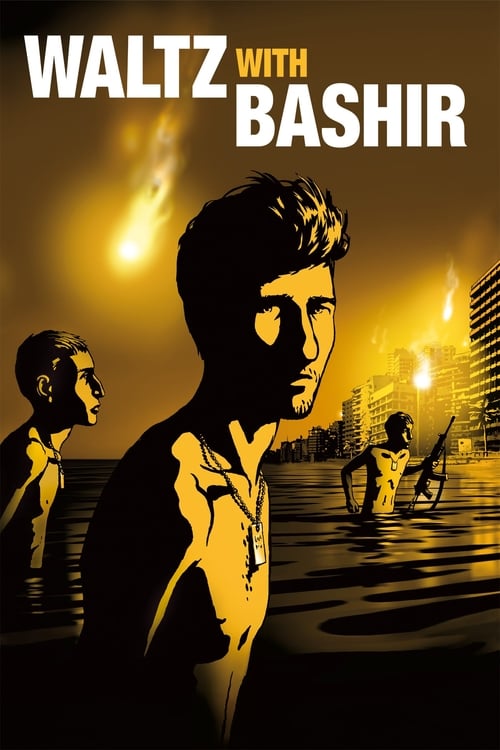
An Israeli film director interviews fellow veterans of the 1982 invasion of Lebanon to reconstruct his own memories of his term of service in that conflict.
Cinepoem about the current Palestinian tragedy, with Brazilian films from 1922 and 1932 (the indigenous catastrophe), documentaries from 2023/2024, essays by Jean-Luc Godard, Hani Jawharieh and Mustafa Abu Ali, statements by Edgar Morin and Noam Chomsky, and a poem by Mahmud Darwich.
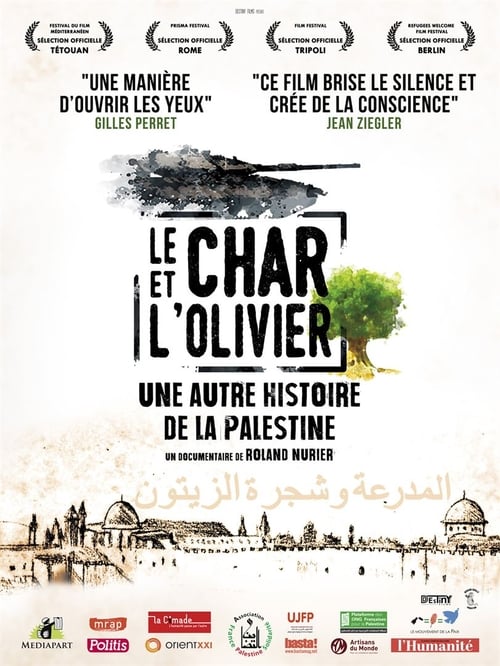
The Tank and The Olive Tree recalls a certain number of forgotten fundamentals and sheds new light on the history of Palestine. By combining geopolitical analysis, interviews with international personalities who are experts on the subject and testimonies from Palestinian and French citizens, this documentary offers the keys to understanding what the media call the Israeli-Palestinian conflict. Enough to rid people's minds of clichés and prejudices! If The Chariot and the Olivier is intended to be educational, it speaks above all of a magnificent territory, and of a people who constantly affirm that “to live is already to resist”...
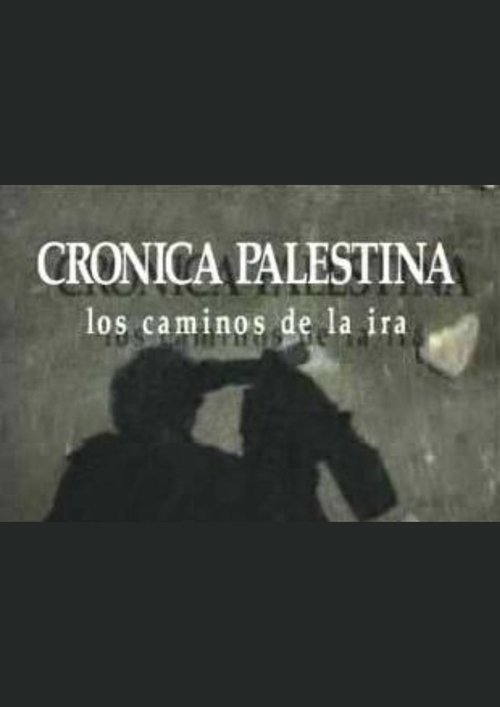
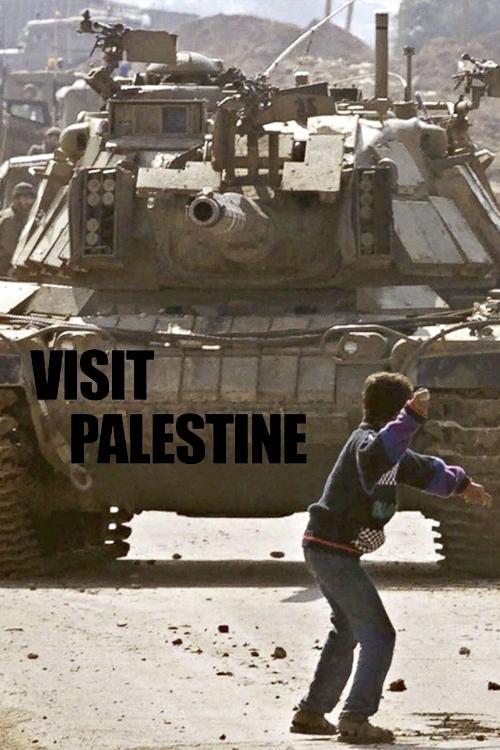
During May 2001, Chilean filmmaker Miguel Littin traveled through historic Palestine, documenting everyday life amid the war—more precisely, the existential distance between a child throwing stones with a slingshot and tanks filled with artillery.
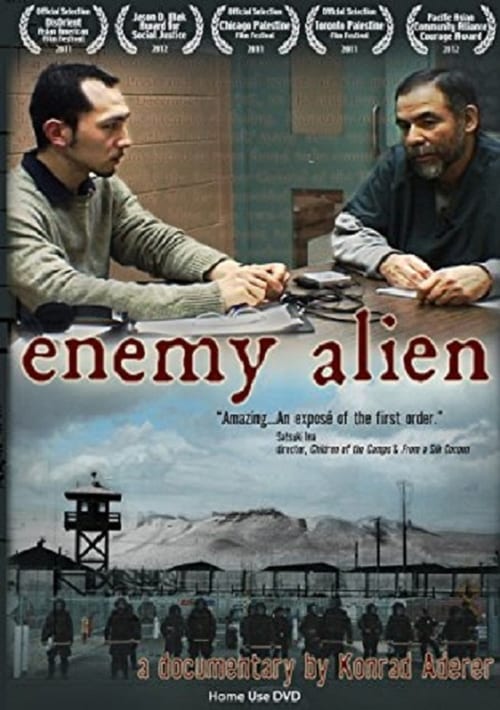
A Palestinian activist's fight for freedom draws a Japanese American filmmaker into confrontation with detention regimes of past and present.
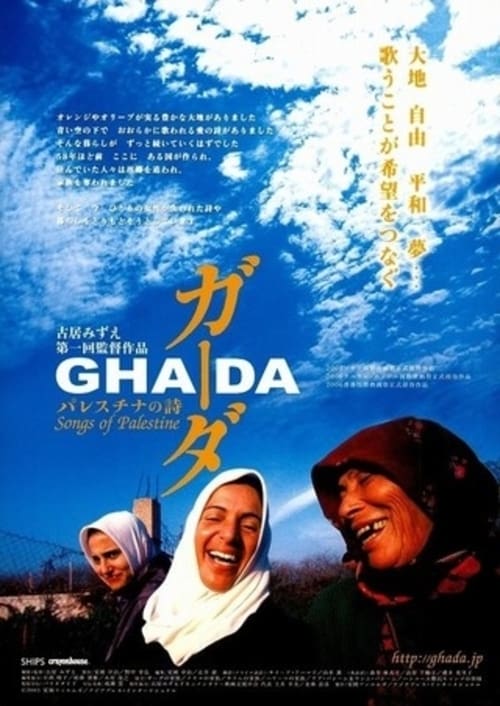
In July 1988, Mizue Furui was in the Gaza Strip and West Bank with her camera as a rookie freelance journalist. Covering the Palestinian condition, she became acquainted with Ghada Ageel, a 23-year-old teacher at an elementary school, in November 1993 and started shooting her life up to when she turned 35. The 12 years Furui spent shooting still and video images has borne fruit in a documentary titled "Ghada -- Songs of Palestine," which will be released in Uplink Theater in Shibuya Ward, Tokyo, in May as a rare report on women in the traditionally male-oriented Palestinian society.
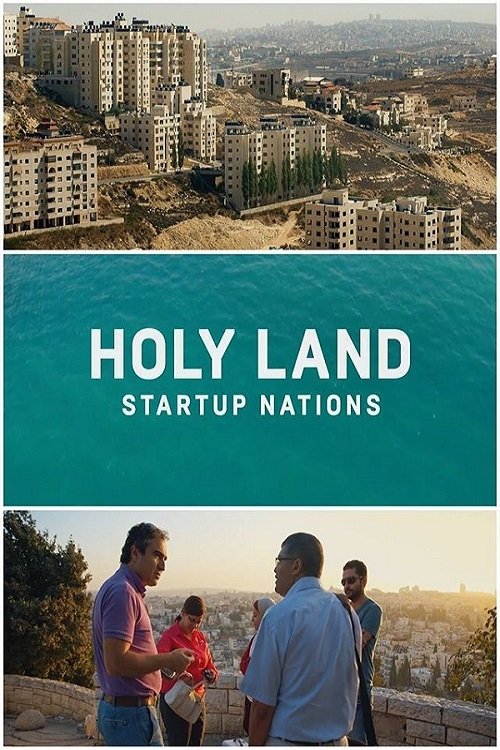
With the most tech startups and venture capital per capita in the world, Israel has long been hailed as The Startup Nation. WIRED’s feature-length documentary looks beyond Tel Aviv’s vibrant, liberal tech epicenter to the wider Holy Land region – the Palestinian territories, where a parallel Startup Nation story is emerging in East Jerusalem, Nazareth, Ramallah and other parts of the West Bank, as well as in the Israeli cybersecurity hub of Be’er Sheva. And we will learn how the fertile innovation ecosystem of Silicon Wadi has evolved as a result of its unique political, geographical and cultural situation and explore the future challenges – and solutions – these nations are facing.
What drives a young, well-educated Westerner to volunteer as a “peace activist” in the Middle East? Caiomhe Butterly is one of a growing number of volunteers who risk their own safety to intervene in the long-running and bloody conflict between Israel and Palestine. Several internationals, including her, have now been injured. Some have died. In this film, she describes witnessing the aftermath of the attack on Jenin in April 2002. The film follows her work, the main emphasis being “the accompaniment of communities at risk”. Despite being threatened, shot in the leg and deported later that year, she is determined to go back.
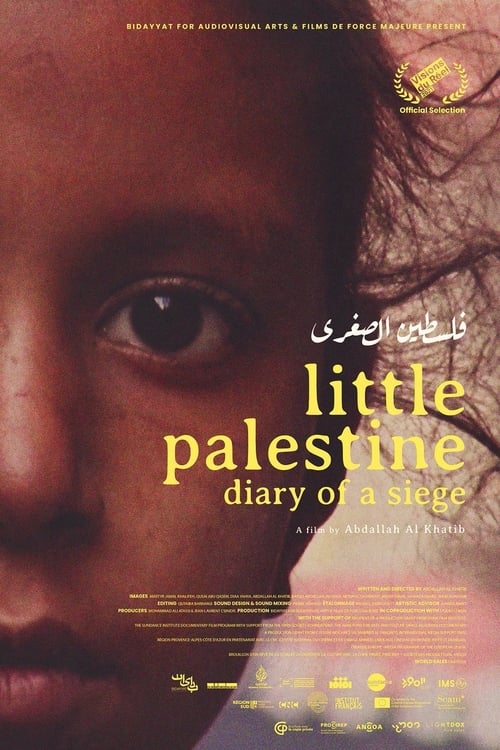
During the Syrian civil war, the district of Yarmouk, home to thousands of Palestinians, became the scene of dramatic and ferocious fighting. The film follows the destiny of civilians during the brutal sieges, imposed by the Syrian regime, that took place in the wake of the battles. With his camera, Abdallah Al-Khatib composes a love song to a place that proudly resists the atrocities of war.
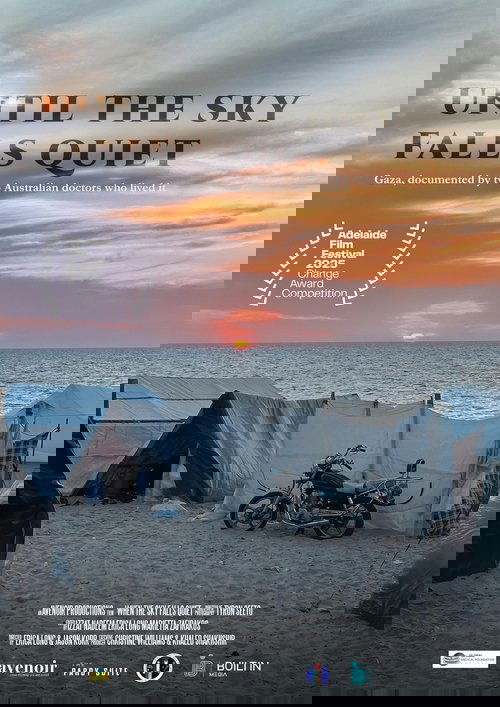
Two Sydney doctors volunteer to work in Gaza. This is the story of their time in a hell on earth. They experience frightful scenes of carnage including the deaths of many children. But they also bear witness to the resilience and generosity of many people.
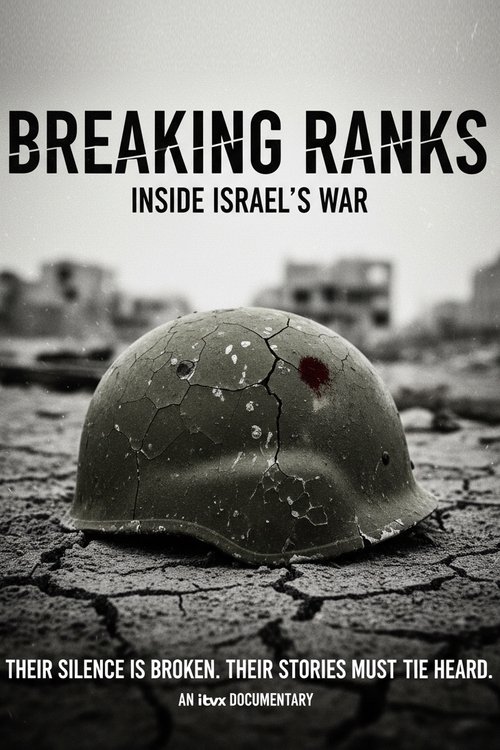
Breaking Ranks: Inside Israel’s War presents the first-hand recollections of IDF soldiers who have broken official silence to share their experiences of the war in Gaza - accounts that may raise serious questions about conduct on the ground and potential breaches of international law. Directed by award-winning filmmaker Ben Zand, the film features exclusive interviews with Israel Defense Forces (IDF), reservists and veterans - many speaking for the first time - who served during the war in Gaza. Their testimonies describe what they recall as indiscriminate bombardment, instances where Palestinian civilians were used as human shields, and an operational culture that some soldiers characterised as “no innocents in Gaza.”
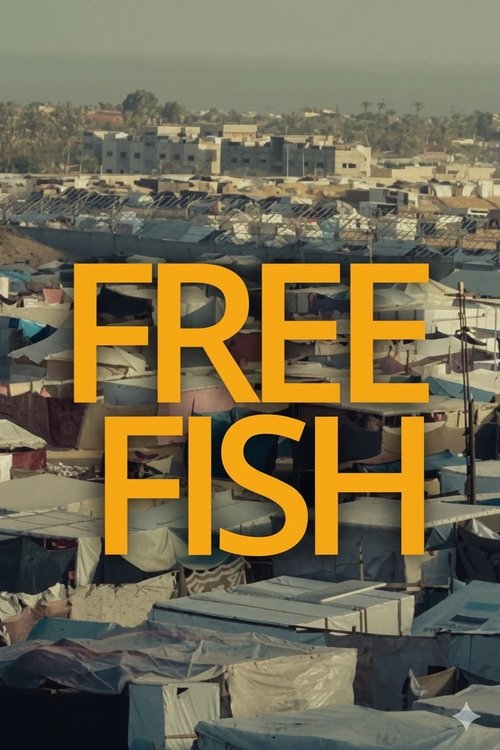
Free Fish is a short documentary filmed over the course of a year in Gaza, following two brothers — Abu Nagham and Ahmad — separated by war yet connected by the sea. Displaced from their home, Abu Nagham now lives in a tent in the south, fishing with his young nephew Rami, who lost his twin brother. Ahmad remains in the north, fishing amid ruins and occupation. Once a source of livelihood and freedom, the sea has become a battleground — heavily restricted, constantly watched, and always dangerous.
Following the October 7th massacre and allegations that UNRWA staff were involved in the kidnappings, the agency made headlines around the world. Israel enacted legislation to suspend cooperation with UNRWA, despite the ongoing humanitarian crisis in Gaza. The film presents a historical examination of UNRWA’s role—a temporary agency, initially mandated to resolve the refugee crisis following the 1948 war, which has never ceased its operations and, after 75 years, continues to perpetuate generations of refugees
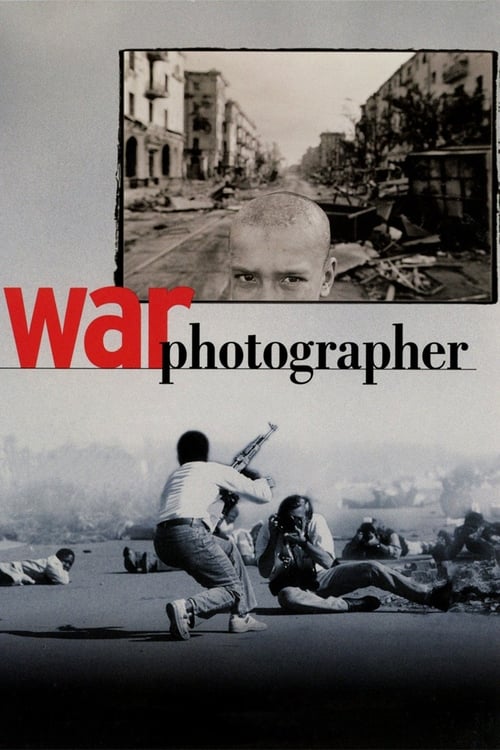
Documentary about war photographer James Nachtwey, considered by many the greatest war photographer ever.
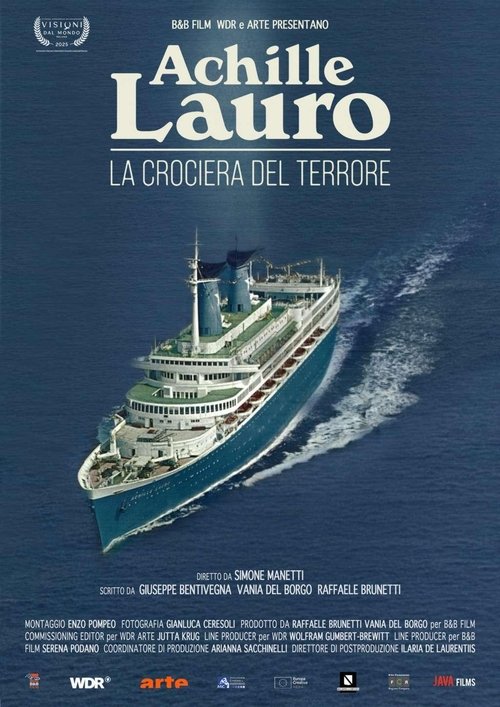
An Italian cruise ship carrying passengers from all over the world is hijacked off the coast of Egypt by a Palestinian commando unit. It is the beginning of a three-day ordeal in 1985 that culminates in the murder of an American hostage and an armed clash between two NATO allies to capture his killers.
This feature length investigation by Al Jazeera’s Investigative Unit exposes Israeli war crimes in the Gaza Strip through the medium of photos and videos posted online by Israeli soldiers themselves during the year long conflict. The I-Unit has built up a database of thousands of videos, photos and social media posts. Where possible it has identified the posters and those who appear. The material reveals a range of illegal activities, from wanton destruction and looting to the demolition of entire neighbourhoods and murder. The film also tells the story of the war through the eyes of Palestinian journalists, human rights workers and ordinary residents of the Gaza Strip. And it exposes the complicity of Western governments – in particular the use of RAF Akrotiri in Cyprus as a base for British surveillance flights over Gaza.