A documentary chronicling the "youth movement" of the late '60s on Los Angeles' Sunset Strip and San Francisco's Haight-Ashbury district.
Carl Franzoni
as
William Arthur Matons
Elliot Mintz
Ken Patterson
Vito Paulekas
Muhammad Ali
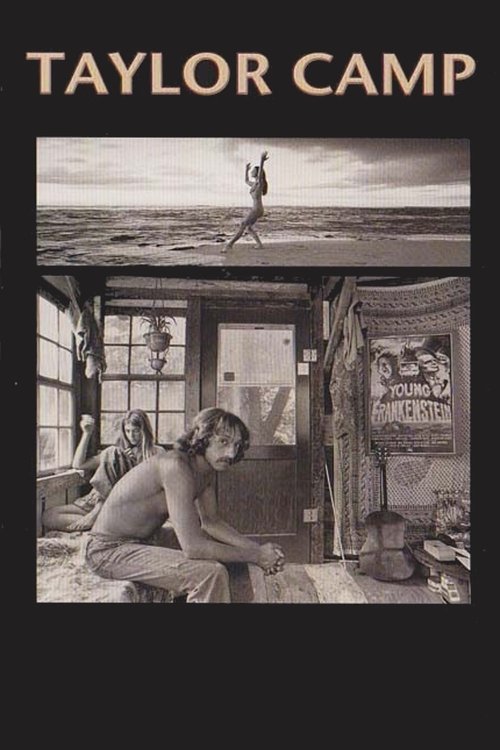
During the turbulent sixties, there was a safe haven from the chaos - a hippie treehouse village on a Kauai beach.
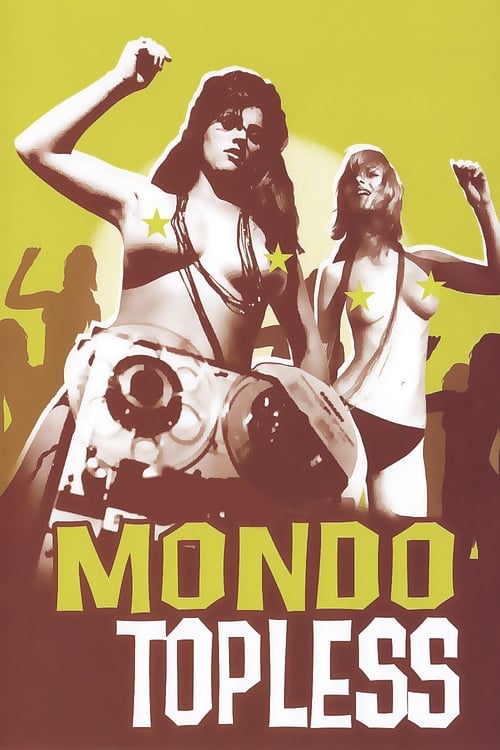
Completely topless. Completely uninhibited. The craze that began in San Francisco is now exploding across the USA and Europe.
John and Yoko in the presidential suite at the Hilton Amsterdam, which they had decorated with hand-drawn signs above their bed reading "Bed Peace." They invited the global press into their room to discuss peace for 12 hours every day.
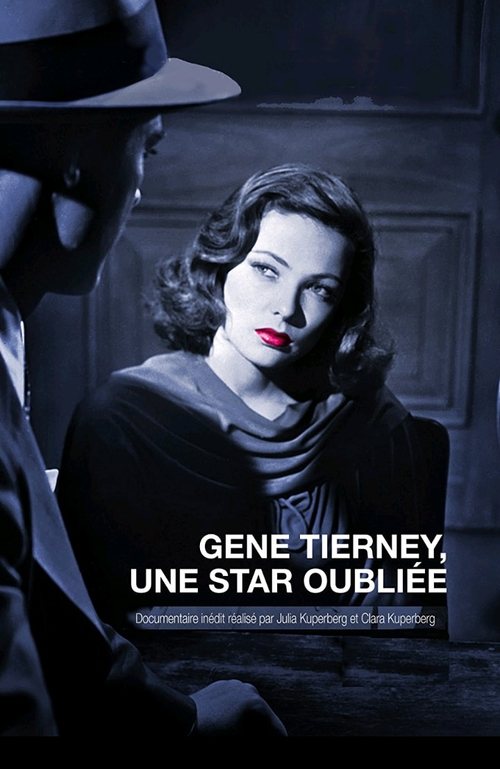
Martin Scorsese is among those paying tribute to Gene Tierney, the Academy Award-nominated American actress who was a leading lady in Hollywood throughout the 1940s and '50s.
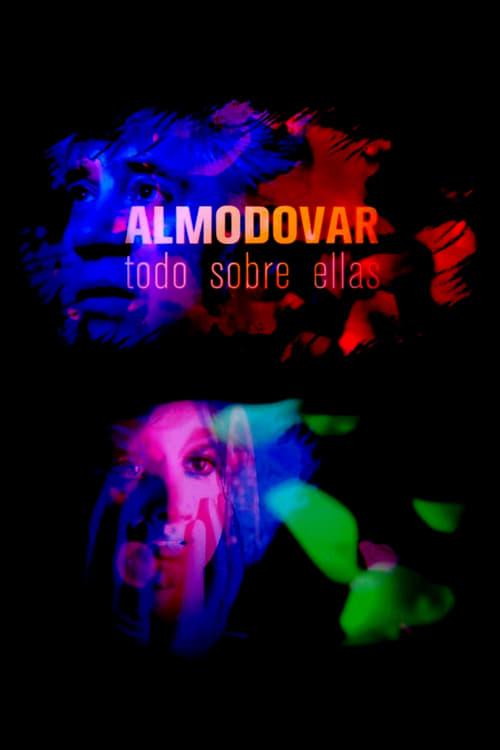
When looking at Pedro Almodóvar’s filmography, it becomes evident that women are everywhere; in fact, his work revolves around them. His divas are the best to create a real portrait of Almodóvar and evoke the emotional power of his films. These women are the ideal observers of a cinematic career that, from La Mancha to Hollywood, has changed the image of Spain in the world.
By the age of 16, Kenneth Lantz was a full-blown drug addict. At 40, he quit and became one of the founders of Basta—Sweden’s first work cooperative for people struggling with drug addiction. Kenta was in charge of the rehabilitation program itself, running it with passionate dedication. Then, disaster struck. Nearing the age of 50, he found himself injecting drugs into his own thigh once again. But then, a text message arrived from his daughter—a message that struck him to the core—and Kenta decided to start living again.
Visionary, radical, spiritual seeker, renowned poet, founding member of a major literary movement, champion of human rights, Buddhist, political activist and teacher. Extensive archival footage, interviews, and home movies cover Allen Ginsberg's life, activism, and influence on American culture through the Beat era, the 1960s, and beyond.
A roller-coaster ride through the history of American exploitation films, ranging from Roger Corman's sci-fi and horror monster movies, 1960s beach movies, H.G. Lewis' gore-fests, William Castle's schlocky theatrical gimmicks, to 1970s blaxploitation, pre-"Deep Throat" sex tease films, Russ Meyer's bosom-heavy masterpieces, etc, etc. Over 25 interviews of the greatest purveyors of weird films of all kind from 1940 to 1975. Illustrated with dozens of films clips, trailers, extra footage, etc. This documentary as a shorter companion piece focusing on exploitation king David F. Friedman.
This short travelogue depicts snippets of locations in Hollywood, California, most of them as seen from the streets. Considerable time is taken showing the kinds of architecture of private homes. There are images of various important buildings, and a depiction of the Hollywood Bowl. Finally, there is a sequence revolving around the premiere of the film “Dirigible” (1931) at the famed Chinese Theatre.
An experimental documentary about the spectacle of substance abuse on social media. More than 45 hours of footage, hundreds of pages of blog posts and interviews were distilled and remixed using glitch and cut-up techniques to insure anonymity, transcend the shock factor and unfold this complex, singular and stratified use of social media.
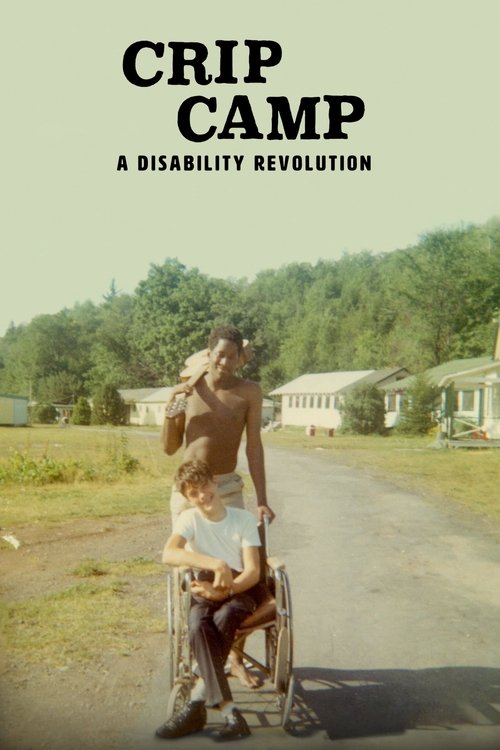
Down the road from Woodstock in the early 1970s, a revolution blossomed in a ramshackle summer camp for disabled teenagers, transforming their young lives and igniting a landmark movement.
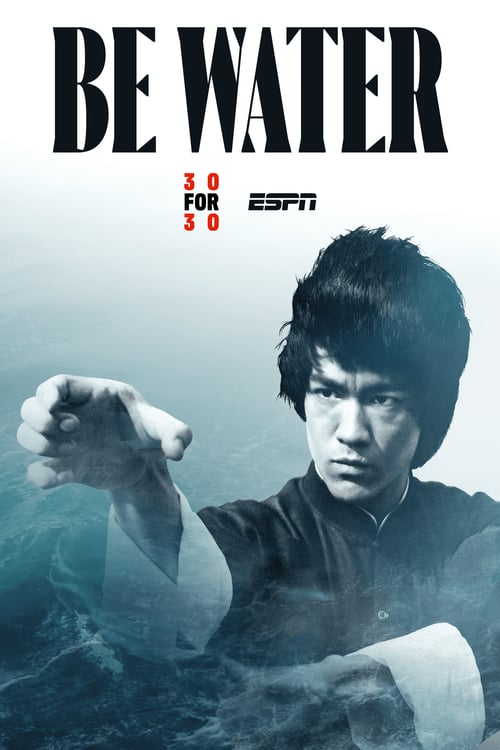
In 1971, after being rejected by Hollywood, Bruce Lee returned to his parents’ homeland of Hong Kong to complete four iconic films. Charting his struggles between two worlds, this portrait explores questions of identity and representation through the use of rare archival footage, interviews with loved ones and Bruce’s own writings.
Alcohol: No substance in the world seems so familiar to us and is so incredibly diverse in its effect. Alcohol is available everywhere and this particular molecule has the power to affect all 200 billion neurons of our human brain in completely different ways. But hardly anyone calls alcohol a drug despite its psychoactive and cell-destroying effect. Why do we tolerate the death of three million people every year? Have we turned a blind eye to the dangers and risks for thousands of years? What role does the powerful alcohol industry play with an annual turnover of 1.2 trillion euros in this on-going concealment? The author, who himself enjoys having a drink, looks into the question why we drink at all, what alcohol does to us and to what extent the alcohol industry influences society and politics.
The life and career of the hailed Hollywood movie star and underappreciated genius inventor, Hedy Lamarr.
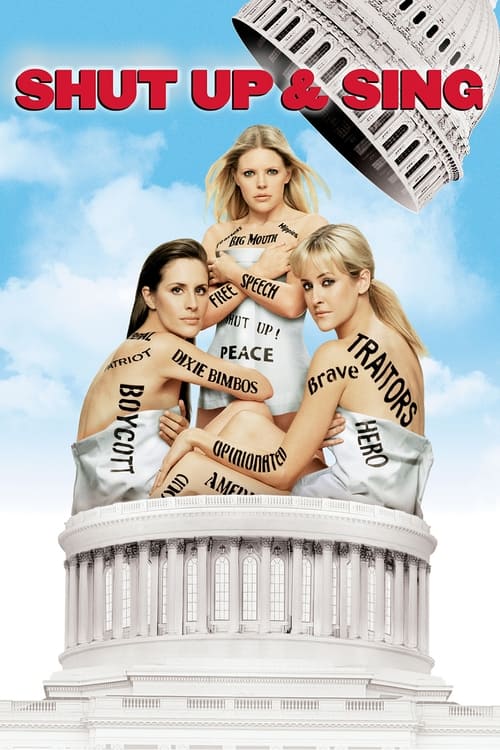
Shut Up and Sing is a documentary about the country band from Texas called the Dixie Chicks and how one tiny comment against President Bush dropped their number one hit off the charts and caused fans to hate them, destroy their CD’s, and protest at their concerts. A film about freedom of speech gone out of control and the three girls lives that were forever changed by a small anti-Bush comment
Kirk Douglas recounts his remarkable life in a celebrated one-man theater performance augmented with rare film highlights. He shares memories of family, marriages, other Hollywood greats, breaking the blacklist and his life-altering stroke – all with honesty and humor.
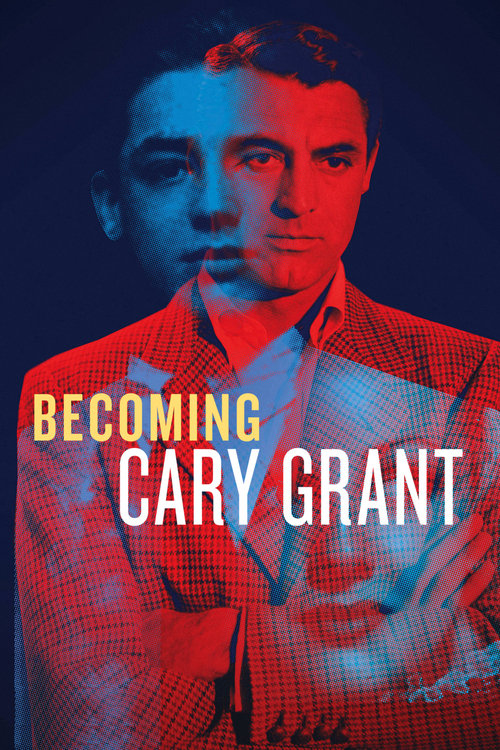
For the first time one of Hollywood's greatest stars tells his own story, in his own words. From a childhood of poverty to global fame, Cary Grant, the ultimate self-made star, explores his own screen image and what it took to create it.
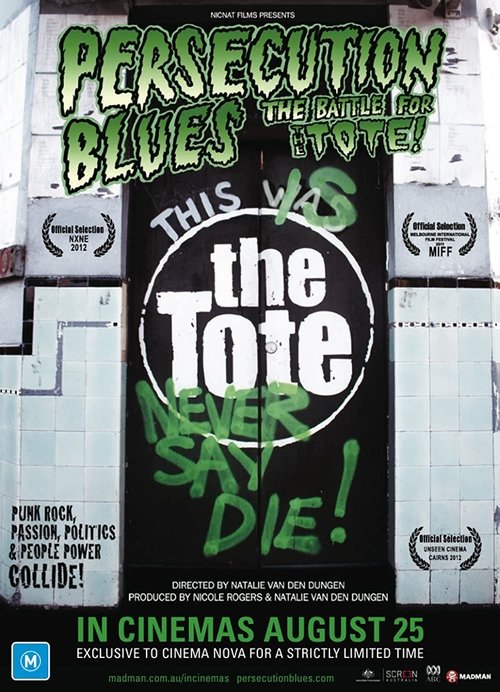
In 2010, the iconic Tote Hotel – last bastion of Melbourne’s vibrant music counterculture – was forced to close by unfair laws. Filmed over 7 years, “Persecution Blues” depicts the struggle of more than 20,000 fans – and the bands who inspire them – to preserve their history and protect their future, and puts the audience on the front line of an epic-scale culture war.
1967 Navy training film MN-10507-A. Navy physician talks about the dangers of LSD or "Russian roulette in a sugar cube." National Archives Identifier: 6379 "How LSD was discovered, the extreme dangers of using it and how it affects the brain and body."