Murray Sinclair's acceptance speech for an award in honor of his role as chair of the Truth and Reconciliation Commission of Canada, intercut with the testimonies of survivors of the Indian residential school system.
A movie that portrays a reflection about sense of being self, to love and to be loved.
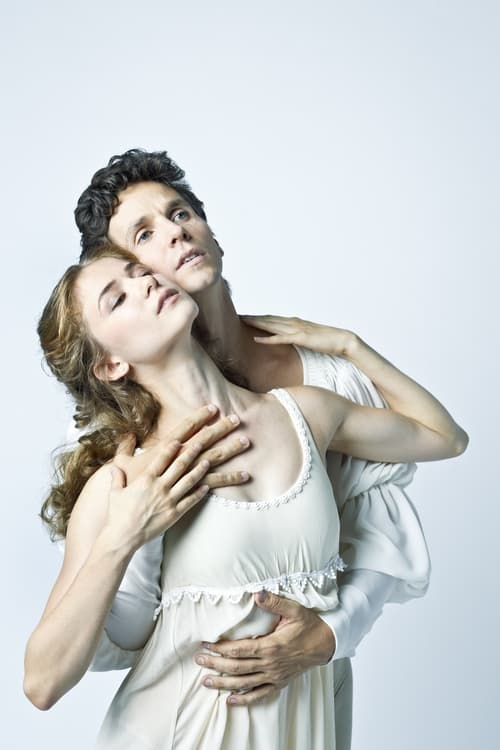
From grueling rehearsals to the world premiere, Romeos & Juliets offers an unprecedented behind-the-curtain look at the National Ballet of Canada as ten dancers vie to perform the lead roles on the coveted opening night of "Romeo and Juliet," as envisioned by acclaimed choreographer Alexei Ratmansky in celebration of the company's 60th anniversary.
Vladan Vasev aka VaXz, is a lover of basketball and all kinds of team sports from Bosilegrad, who completely single-handedly restored faith in the hardcore music scene in Serbia. When the performers on stage noticed his jumps and the way of dancing specific to hardcore music and inquired about the most loyal member of their audience, they learned an incredible story. In order to attend the concert, VaXz travels from Bosilegrad to Belgrade sometimes up to ten hours, and then returns, sometimes immediately after listening to the gig. In this film, we meet Vladan and what it is that inspires him about hardcore, but through his portrait we also get to know life in a small town like Bosilegrad, as well as the history of hardcore music in Serbia and how bands came together to honor their most loyal fan.
Thea’s life is changed when she receives an unexpected call from her childhood ‘friend’, May. Memories of the past with May shake Thea out of the mundane and into the queer London landscape; although it doesn’t immediately welcome her with open arms. Except in the form of Mimi, a liberated and fellow queer femme, who shows Thea the unconditional love and friendship that queer community is built off. Inspired by a true story, this heartfelt short film celebrates the magic of queer femme friendship and love.
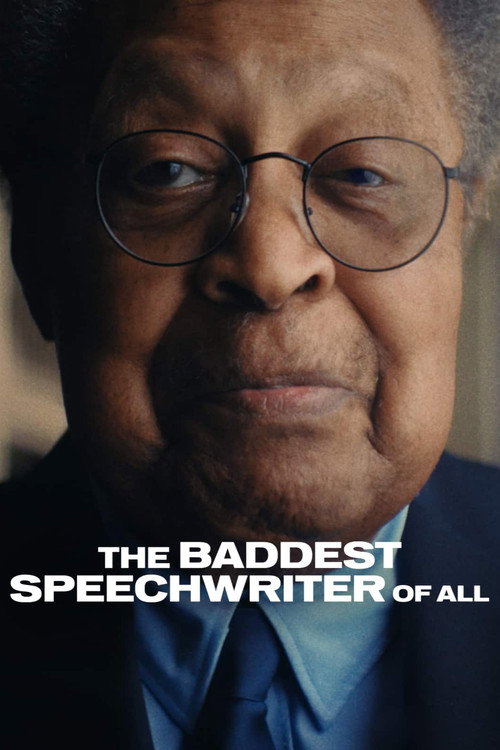
Now 93, Martin Luther King Jr.’s lawyer and speechwriter reflects on the personal cost and surprising truths of making history, offering an intimate insider’s view of the Civil Rights Movement.
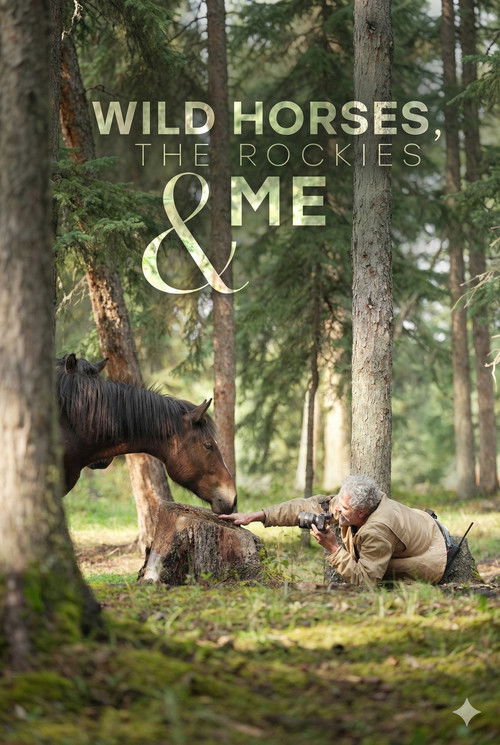
Gordon Buchanan heads to the Rocky Mountains in search of wild horses. Finding two stallions battling over a herd, he immerses himself in their world, hoping to win their trust.
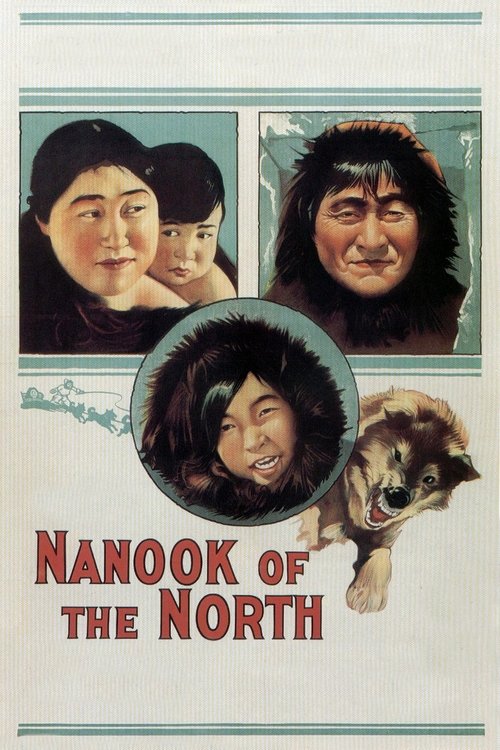
This pioneering documentary film depicts the lives of the indigenous Inuit people of Canada's northern Quebec region. Although the production contains some fictional elements, it vividly shows how its resourceful subjects survive in such a harsh climate, revealing how they construct their igloo homes and find food by hunting and fishing. The film also captures the beautiful, if unforgiving, frozen landscape of the Great White North, far removed from conventional civilization.
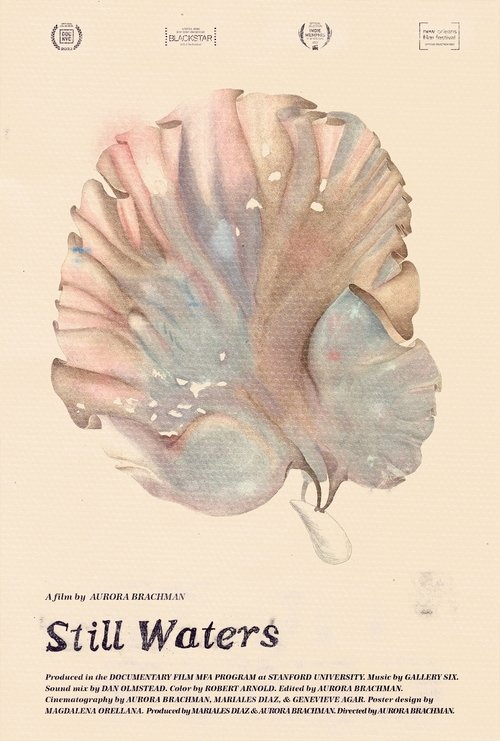
Through a series of extraordinarily honest and intimate conversations, filmmaker Aurora Brachman examines the intergenerational fallout of experiences her mother endured as a child. Together, they forge a path forward that offers them a new beginning.
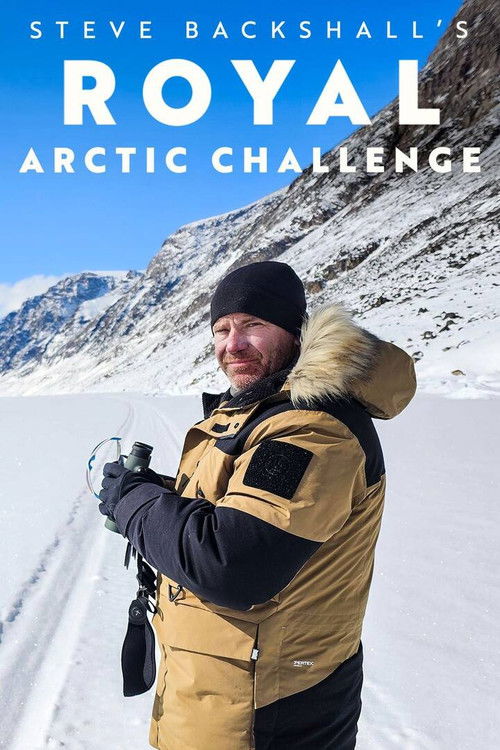
50 years on from the event, environmentalist Steve Backshall retraces a young Prince Charles' Arctic adventure and uncovers dramatic changes to our planet alongside an urgent need for action.
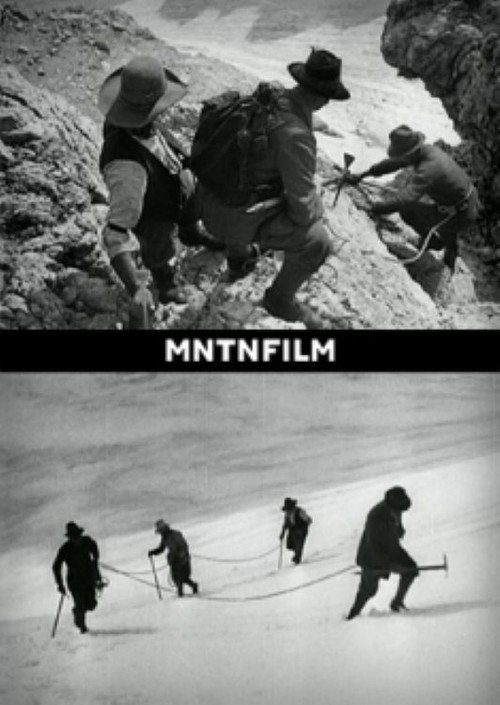
A scenic documentary record of a climb up to Mount Assiniboine, the 'American Matterhorn' in the Canadian Rockies.
This short documentary offers a look at the life forms on the Queen Elizabeth Islands within the Arctic Circle. Even in this frigid zone of icebergs and glaciers a surprising variety of wildlife and vegetation is seen. Writings from the logbooks of early explorers provide vivid descriptions of scenes as arresting to them in their century as to today's explorer. Note: Originally produced for the television series Perspective, this film was distributed separately on 16mm for schools and libraries, qualifying it as a standalone documentary.
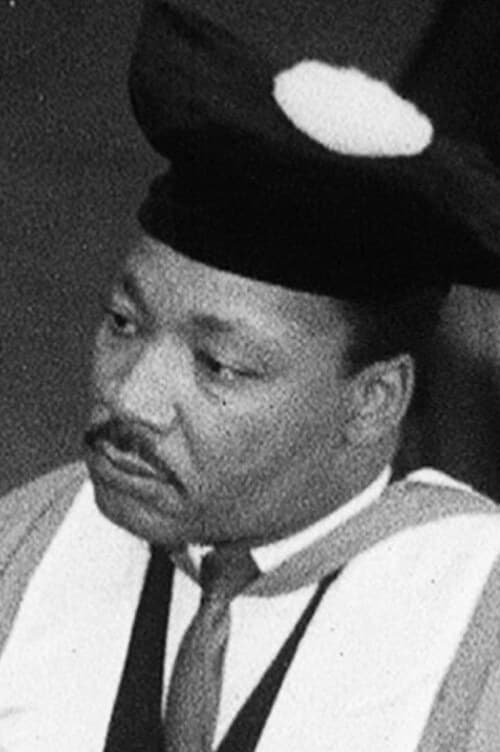
A remarkable event the great American civil rights leader, Martin Luther King makes a powerful speech on a unique visit to Newcastle University.
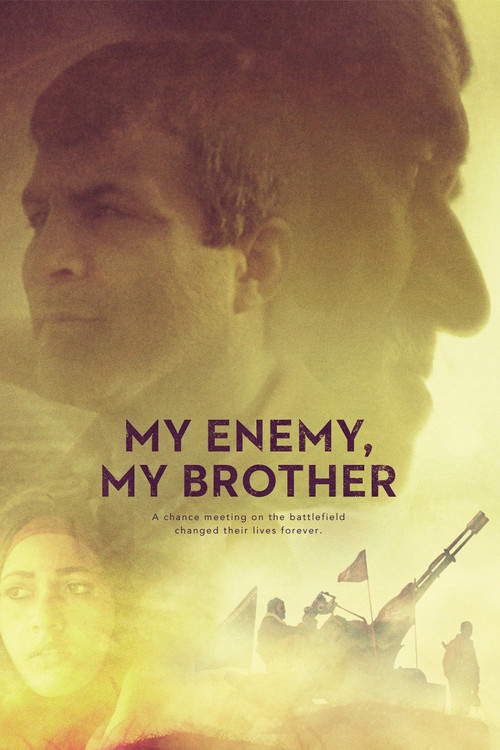
The eight-year Iran-Iraq War was one of the most brutal conflicts to devastate the region in the 20th century. Zahed was 13 years old when he enrolled in the Iranian army. Najah was 18 when he was conscripted into the Iraqi army, and he fought against Zahed in the Battle of Khorramshahr. Fast forward 25 years, a chance encounter in Vancouver between these two former enemies turns into a deep and mutually supportive friendship. Expanded from the 2015 short film by the same name.
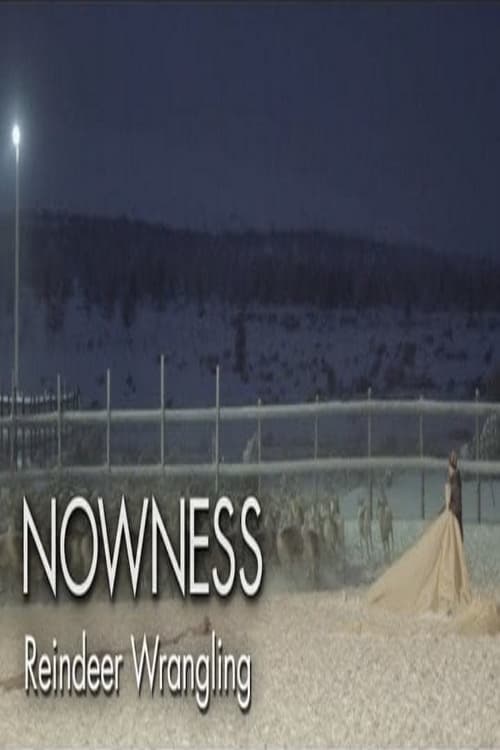
A lyrical and haunting portrait of reindeer herding in the twilight expanses of the Lappish wilderness.
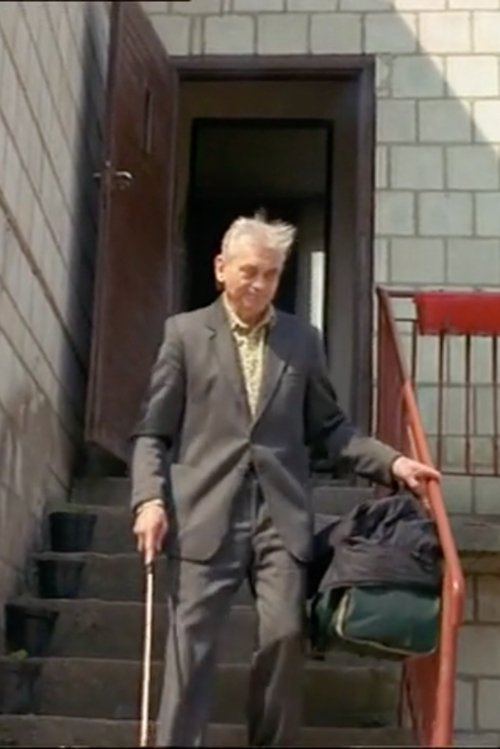
A documentary focusing on Polish 60-year-old Henryk Kowalczyk who is deaf-blind and being taught sculpture. Working with clay and other materials is therapeutic light in a world of darkness
This is not a film about gun control. It is a film about the fearful heart and soul of the United States, and the 280 million Americans lucky enough to have the right to a constitutionally protected Uzi. From a look at the Columbine High School security camera tapes to the home of Oscar-winning NRA President Charlton Heston, from a young man who makes homemade napalm with The Anarchist's Cookbook to the murder of a six-year-old girl by another six-year-old. Bowling for Columbine is a journey through the US, through our past, hoping to discover why our pursuit of happiness is so riddled with violence.