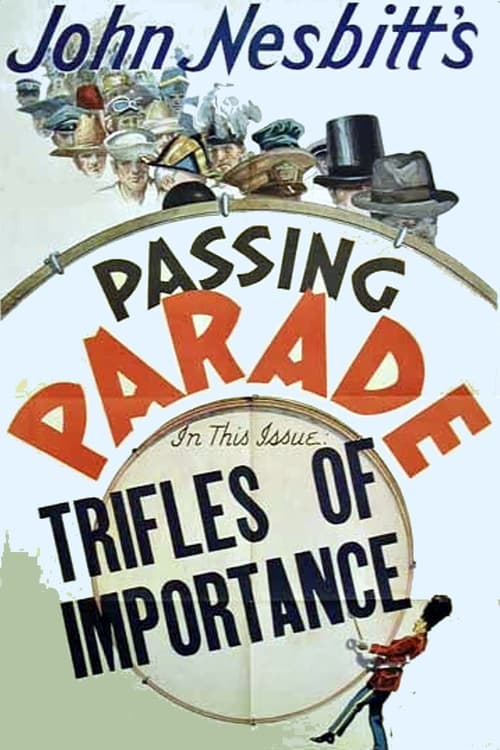
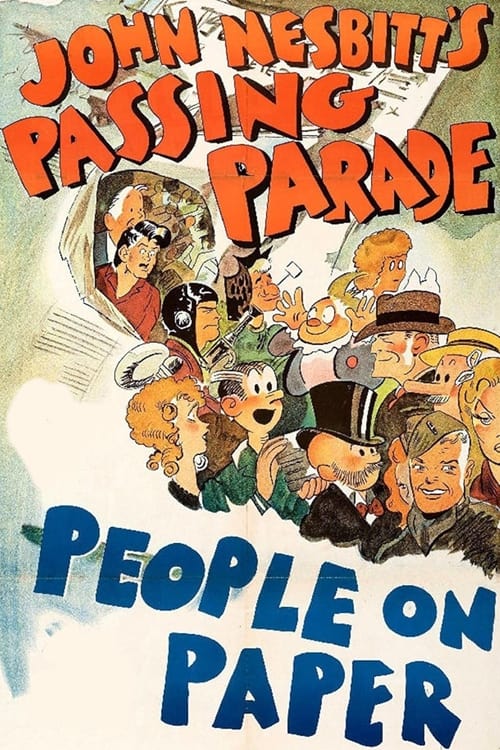
A "Passing Parade" MGM short featuring tennis star Alice Marble
John Nesbitt
as Self - Narrator (voice)
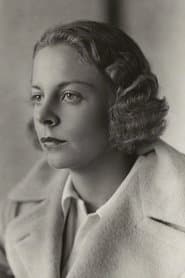
Alice Marble
as Self
The Official Wimbledon Film 2018 delivers an engaging insight into the very best action, on and off the court, at the most famous and revered tennis tournament in the world. Documenting the progress of former champions, challengers and eventual winners as they progress through the fortnight, witnessing the shock results unfold and delving into Wimbledon's unique attributes across the grounds.
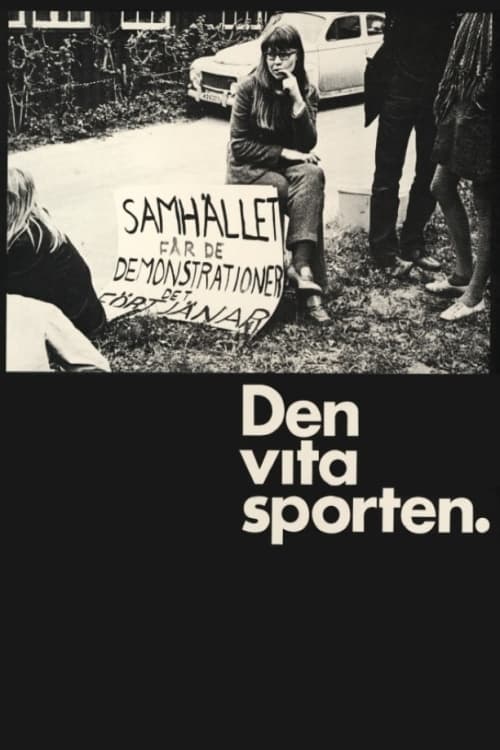
Documentary film about the protests against the 1968 Davis Cup tennis match between Sweden and Rhodesia, in Båstad, Sweden. In a series of interviews, demonstrators and members of the Swedish government give their views on sport, politics and civil disobedience.
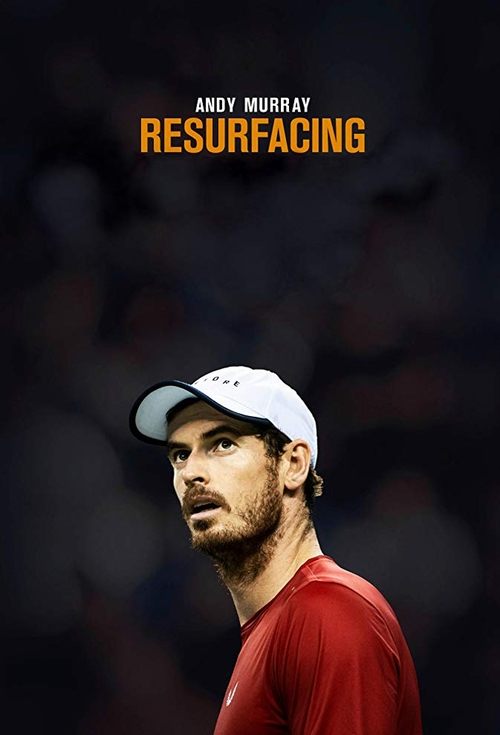
A documentary film that tracks the tennis star’s devastating injury journey between 2017-2019. From the front lines of surgical theatres, to the intimate corners of his home, we live alongside and witness Andy at his most vulnerable. Considered Britain’s greatest sportsman ever, we see why Andy puts himself through the unimaginable to get back to the sport he loves.
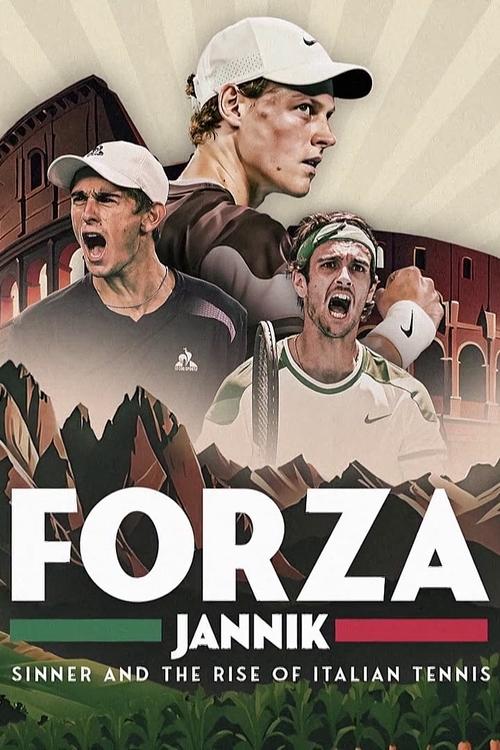
Forza Jannik pulls the curtains back on the tennis renaissance taking place in Italy. This isn't just a story about tennis; it's a tale of national pride, of young athletes against the odds, and of a country's relentless quest to dominate the sport.
The first time Chris Evert and Martina Navratilova stepped onto a tennis court together, the world scarcely noticed. Only a few hundred spectators saw the pert 18-year-old beat the scrappy 16-year-old Czech in 1973. “I remember that she was fat,” Evert recalled. “She was very emotional on the court, whining if she didn't feel she was playing well. But I remember thinking, if she loses weight, we’re all in trouble.” Said Navratilova, “My goal was for her to remember my name.” Eighty matches later – amid the extraordinary growth of women’s tennis – Evert not only remembered, but became a tried and true friend and confidante, remarkable considering the two appeared to be polar opposites in upbringing, life styles and personal relationships. Through a series of personal conversations, this documentary will tell the story of one of the greatest one-on-one sports rivalries and capture these two extraordinary athletes’ views on tennis and an ever-changing world.
THE POWER AND THE GLORY tells Serena Williams’ remarkable story from a Compton prodigy to the greatest female tennis player of all time.
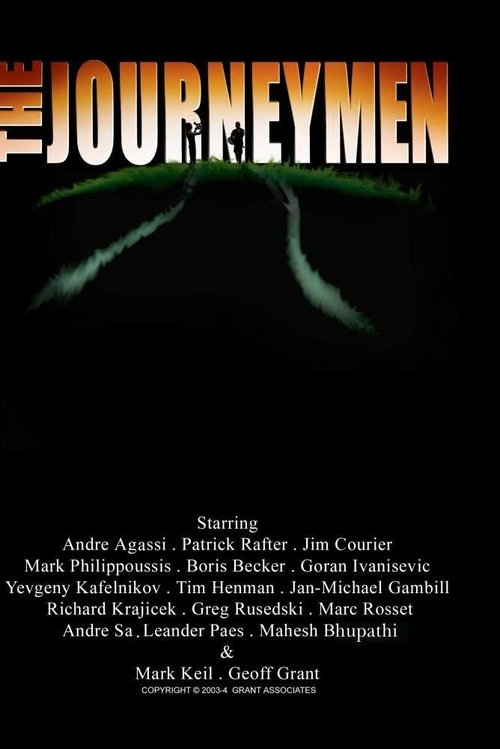
This documentary shows the struggles of making it on the ATP World Tour with rare, behind-the-scenes footage featuring tennis super stars Andre Agassi, Boris Becker, Patrick Rafter, Goran Ivanisevic, Jim Courier and others.
An immersive film essay on tennis legend John McEnroe at the height of his career as the world champion, documenting his strive for perfection, frustrations, and the hardest loss of his career at the 1984 Roland-Garros French Open.
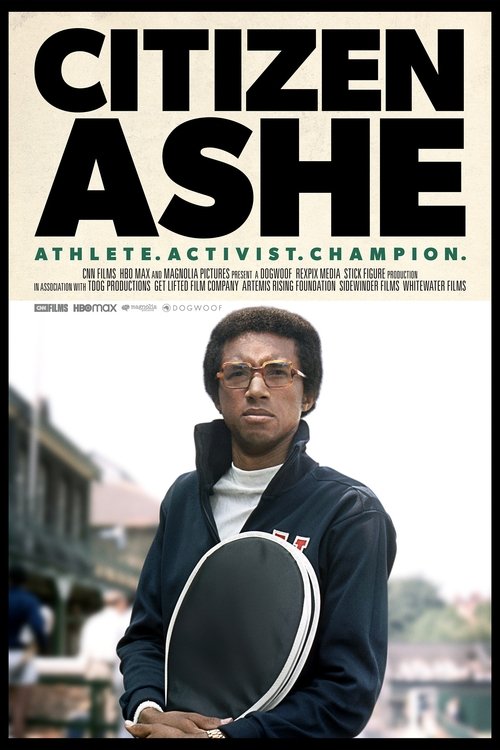
Follows the life and career of Arthur Ashe.
This John Nesbitt's Passing Parade series short highlights the film preservation efforts of the Museum of Modern Art in New York. Several scenes from early newsreels are shown.
"Boris Becker - The Player" is a rousing and emotional portrait of one of the greatest German sports heroes ever! It shows us the person Boris Becker up close: We experience him as a privateer, trainer, businessman and as a loving husband and father.
Novak Djokovic, one of the greatest tennis players of all time. With 86 ATP singles titles, 37 Masters events and 20 Grand Slam's, few tennis players have achieved what Djokovic has. Currently ranked world number one and a record total of 365 weeks on top, Djokovic has dominated the sport for the last 10 years. Things have not always been easy for the world number one. Born in war-torn Belgrade, Serbia, Djokovic developed his skills in some of the harshest conditions imaginable. Despite this he rose to the top of the professional tennis rankings, becoming a national icon and a symbol of unity for the Serbian people.
Originally a home video never intended for public viewing, this film captures the final chapter in Roger Federer's legendary tennis career, featuring Roger, his family, and his three main rivals: Rafael Nadal, Novak Djokovic, and Andy Murray.
Shows how important luck can be in a person's life.
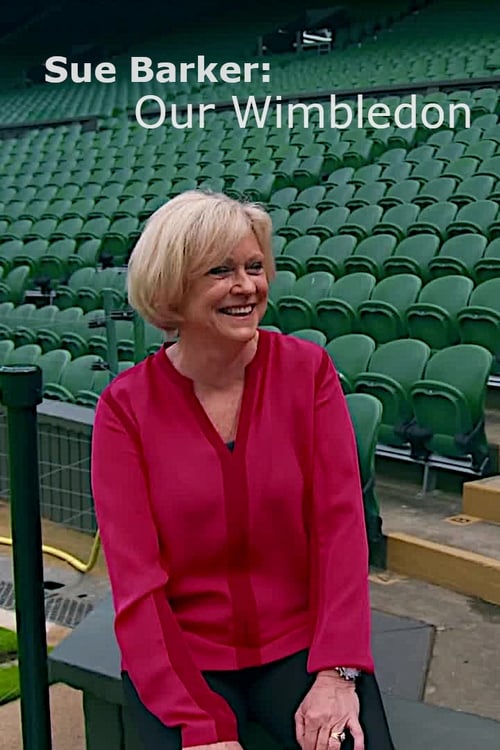
As the BBC celebrates 90 years of covering Wimbledon, Sue Barker travels the globe to meet some of the legends who have graced the famous grass courts. Tennis royalty including Andy Murray, Roger Federer, Rod Laver, Chris Evert, Billie Jean King, Pete Sampras, Bjorn Borg, Virginia Wade, Martina Navratilova, Boris Becker and John McEnroe share memories and reflect on their own experiences at the iconic tennis tournament. These are their stories as never told before, emotional and self-deprecating, revealing how their lives and careers were changed by the Championships. For Sue herself, Wimbledon has been a big part of her life for nearly 50 years as a fan, player and broadcaster. She also meets the Duke of Kent, who is president of the All England Lawn Tennis Club, and the Duchess of Cambridge, who this year takes on a new role as patron.
Americans are preoccupied with the news, but need an escape from many of the events reported in the news. These escapes in the past have included dime store novels. The most accessible of these escapes is what are known as the funny papers, the set of serialized comic strips that are included within many newspapers. They appeal to all socio-economic classes, and all ages. Some of the earliest known from the late 19th century include the Yellow Kid, Little Nemo, Happy Hooligan, the Katzenjammer Kids, Mutt & Jeff, and Bringing Up Father. Many cartoonists are seen in action. Some originated their characters, while others have taken over following the passing of the originator. The joy of many comic strips are the absurd and the fantastical, which are limited only by the imagination of the cartoonist. Others are grounded in reality, which add to their poignancy within the public mindset.
In this exclusive first person account, Johnnie Ashe will relay this previously unknown chapter of his brother Arthur's legacy. Johnnie, five years Arthur's junior, returned from his first tour in Vietnam with the Marines. At the time, Arthur Ashe was a lieutenant in the Army working at West Point in data processing while fast becoming a rising star in the tennis world. When Johnnie was sent home however, Arthur suddenly became in danger of being sent to Vietnam. Johnnie volunteered to be sent back to the war in his brother's place so that Arthur could continue his budding tennis career. Johnnie would return home, and Arthur would go on to win the inaugural 1968 U.S. Open en route to a Hall of Fame career in tennis, made possible by his brother's selflessness.