The film shows demonstrations against building the second airport in Jeju Island the performances of environmentalists very closely and in detail, by which it develops a desperate love story.
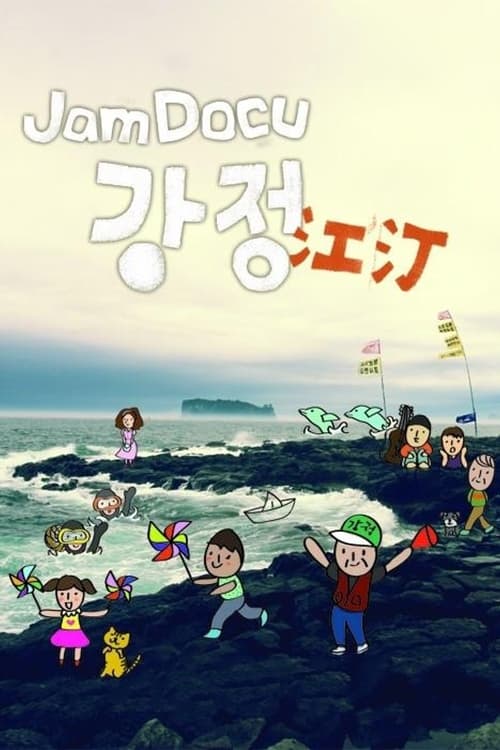
Gangjeong Village, located at the southernmost part of Jeju Island's Seogwipo City, is in the true sense a 'breathtaking land of water.' In this film, eight directors independently yet collaboratively orchestrate a clever and humorous "mission" at this place where the groundwork for building a naval military base is in progress.
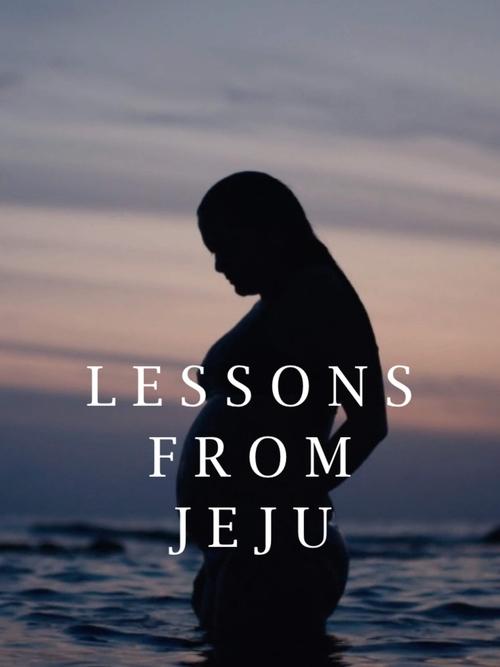
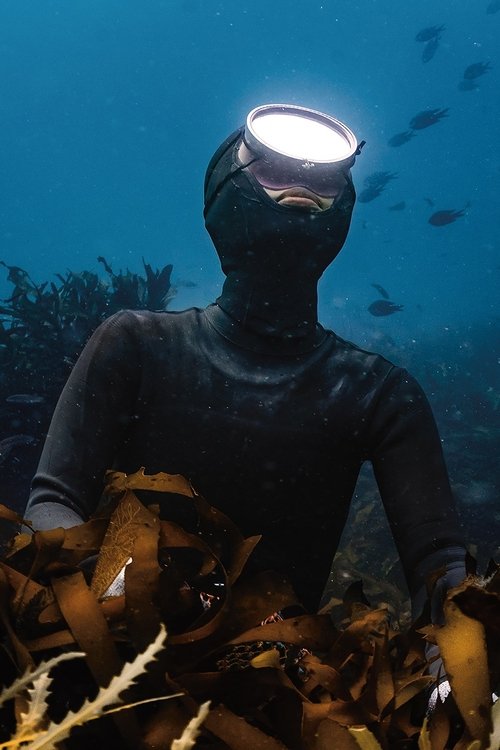
Seven months pregnant and apprehensive of the effect motherhood would have on her career as a professional freediver, Kimi Werner took a trip to the island of Jeju in South Korea to meet her heroes, the haenyeo – a group of freediving and fishing women often regarded as Korea’s first working mother’s whose culture dates back centuries.
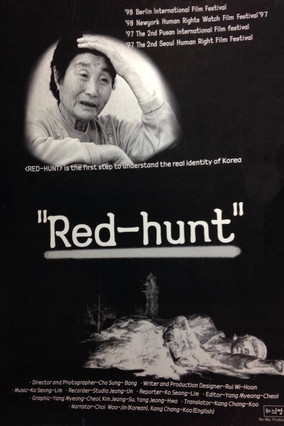
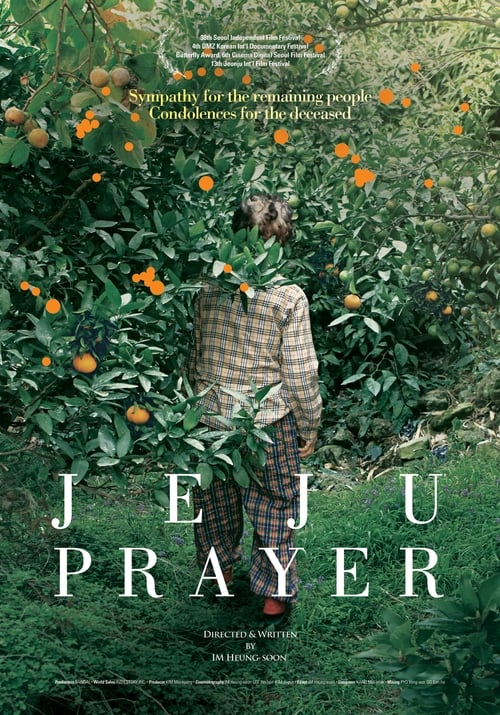
70 years ago, a massacre called ‘Red Hunt’ occurred in Jeju island. Over 6 years, countless lives were murdered in the Daranshi cave, Jungbang waterfall, and Ompang field. There was no line between life and death. There were only ideological and political strategies that surrounded Jeju. After 49 years, survivors can finally testify the memories that could not be forgotten.
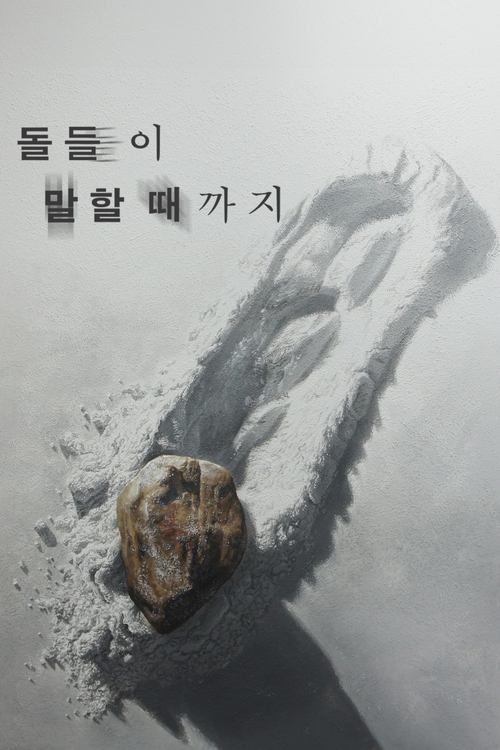
There are five grandmothers, four of whom went to Jeonju Prison due to the Jeju 4.3. All of them were young people around the age of 20 at the time of the incident in 1948. The outline of the incident is formed when hearing the experiences of those who were sent to prison without trial particularly as women. The audience feels indescribable emotions by the fact that they have lived on despite what they had gone through, things that are just too much for a human being to bear.
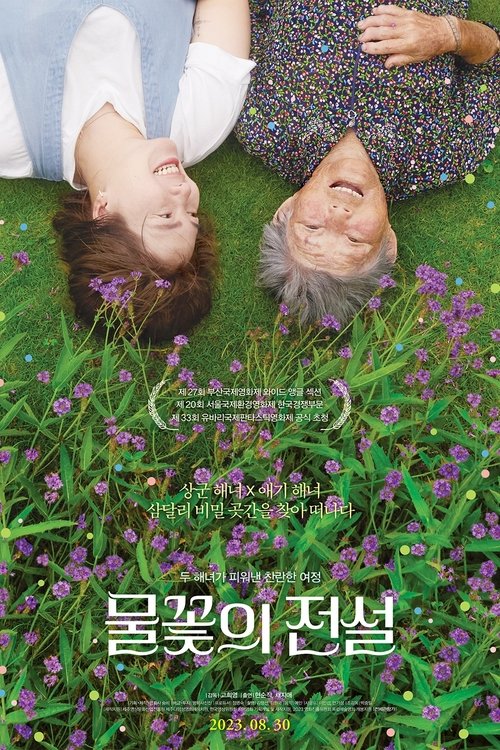
Hyun Soonjik is the oldest living resident in Jeju Island. A natural diver with good skills, she became a high rank Haenyeo at an early age and has led an astonishing career of diving for eighty-seven years. Though she looks more comfortable when she is under water than when she is at home, she quit diving in October, 2020, and goes to sea every day, missing her old life as a diver. When she does, Chae Jiae who has been disciplined by Hyun, accompanies her and looks after her. Together they head for Deulmoolyeo, a place that only Hyun can find, to see the water flowers that bloom under water.
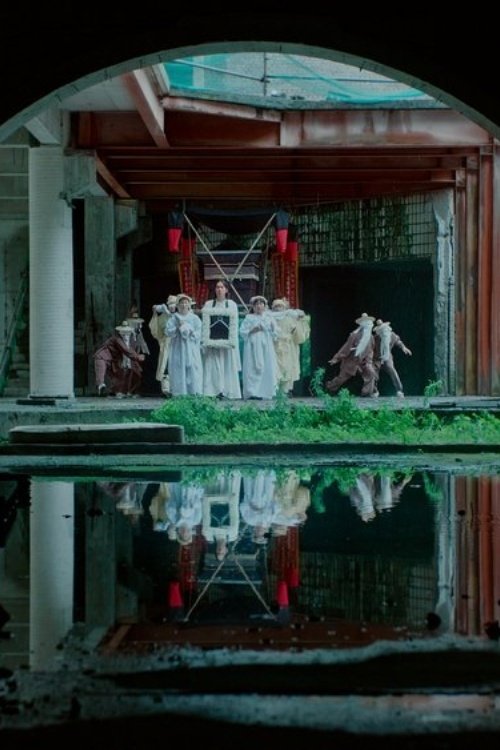
In an abandoned resort on the South Korean island of Jeju, a group of people perform a symbolic funeral ritual to end a world built on hierarchies, division and destruction.
Focusing on Mrs. Kang Sang-hee’s life, she lost her husband in the Jeju Uprising (March 3rd, 1948). The film views the dark-side of Jeju Island, a huge grave, which is completely opposite of the other side of the island, the famous tourist attraction. It says that the tragedy has been going on about the recent Gang-jeong village situation.
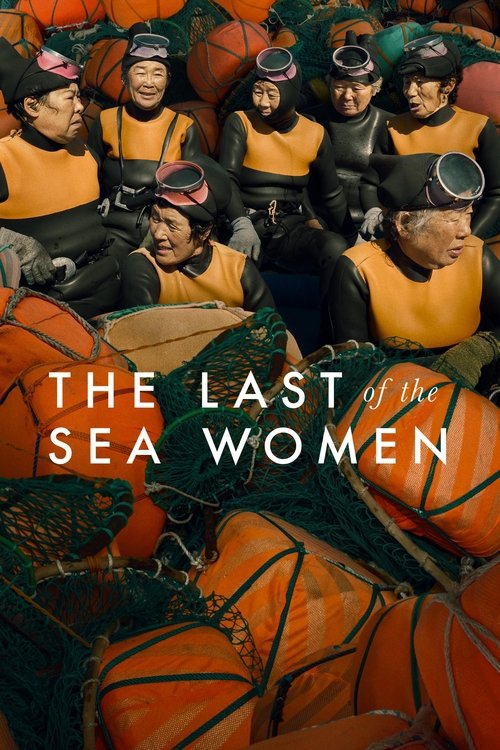
On the shores of Jeju Island, a fierce group of South Korean divers fight to save their vanishing culture from looming threats.
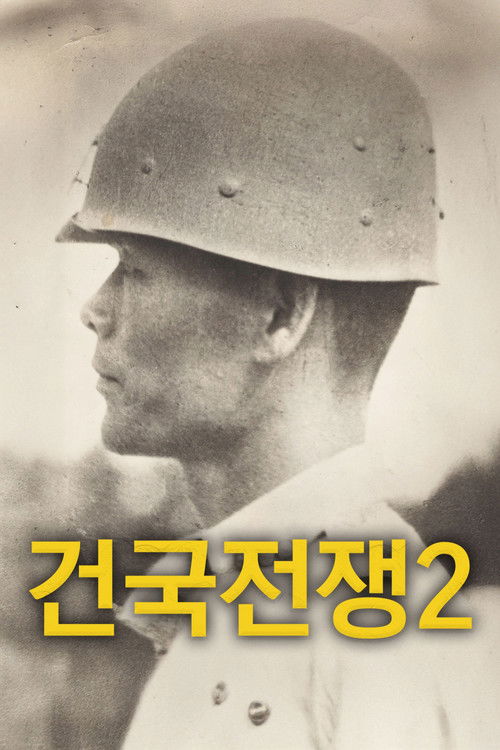
How did South Korea, after liberation in 1945 defend liberal democracy against leftist and communist forces? The door to that secret is now revealed.
Battling deep depression, Jaeyoun returns to her roots on the island of Marano, South Korea, to visit her family of female free fivers known as haenyeo. To her surprise, she finds a connection to nature and her ancestors that literally saves her life.
In the summer of 2021, film students shot a short film titled ‘In the Dry Stream’ on Jeju Island. This film reconstructs the filmmaking process from pre-production through production, utilizing outtakes from the short film, various production materials, and behind-the-scenes footage captured by the crew.
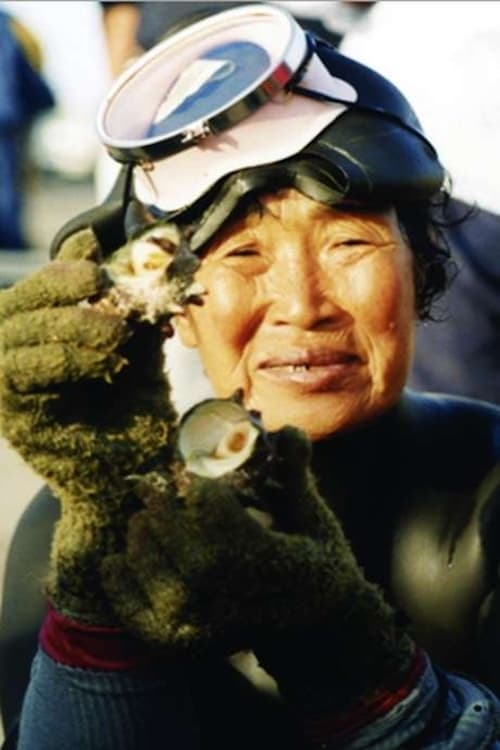
Jeju-do is the largest of Korean islands and lies between Korea and Japan. There, for hundreds of years, women dive without breathing apparatus, to the ocean floor and collect shellfish, octopus, and urchins that they sell. The divers are in their sixties and seventies and their daughters do not want to inherit their work, lifestyle, and health problems that go with diving. As a filmmaker I was privileged to meet many of these women and dive with them. Their stories of hardship and pride confirmed my desire to record this unique and ancient tradition.
The folk duo 'Yeoyu and Seolbin' completed their third album, 「Comedy」, while living in Jeju. The record swept the Folk category at the Korean Music Awards and was praised as "a single album that has it all—regret and sympathy, rage and sorrow, and hope." Exploring what it means to be alive in the face of life's tragedies, the duo weaves a subtle yet powerful narrative through Jeju's landscapes: an old house and its yard, a Chinese restaurant where they once worked, and the recording studio.