Laura Cumming takes a journey through more than 500 years of self-portraits and finds out how the greatest names in western art transformed themselves into their own masterpieces.
Laura Cumming
as Herself - Presenter
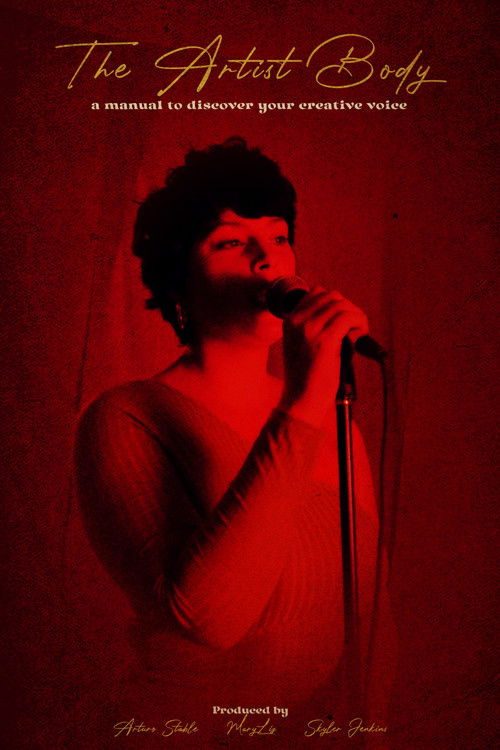
A Singer, Musician & Filmmaker embark on a Cross Country Journey to explore what it takes to Find your Creative Voice. Through conversations, theory & musical moments, they uncover the steps & struggles every artist faces. This isn’t just a film—it’s a blueprint to find your voice.
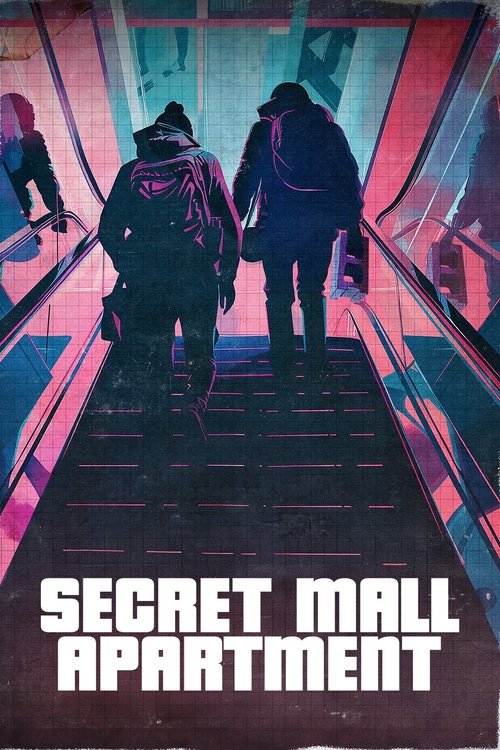
In 2003, eight Rhode Islanders created a secret apartment inside a busy mall and lived there for four years, filming everything along the way. Far more than a prank, the secret apartment became a deeply meaningful place for all involved.
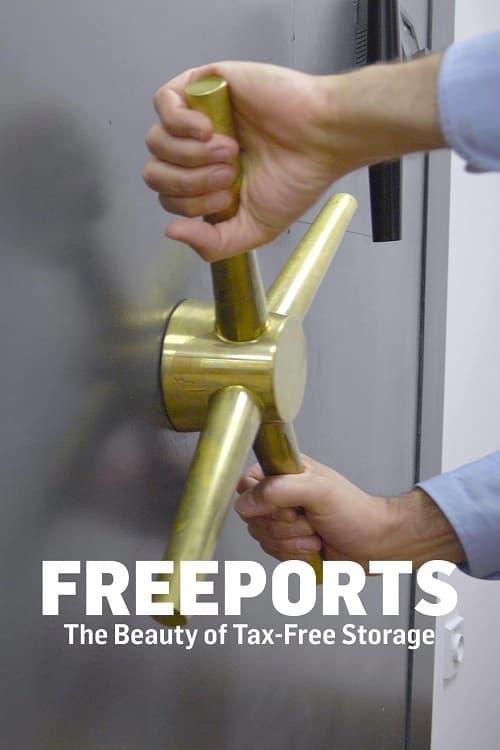
Documentary that exposes the secret world of these unknown tax havens. There is a global network of tax-free storage facilities valuable goods, catering to the super rich - and it's virtually unknown, until now. Freeports feature highest security levels, confidential record keeping and an offshore legal status and are a huge potential for tax savings. The film investigates their rise, who is using them, and why.
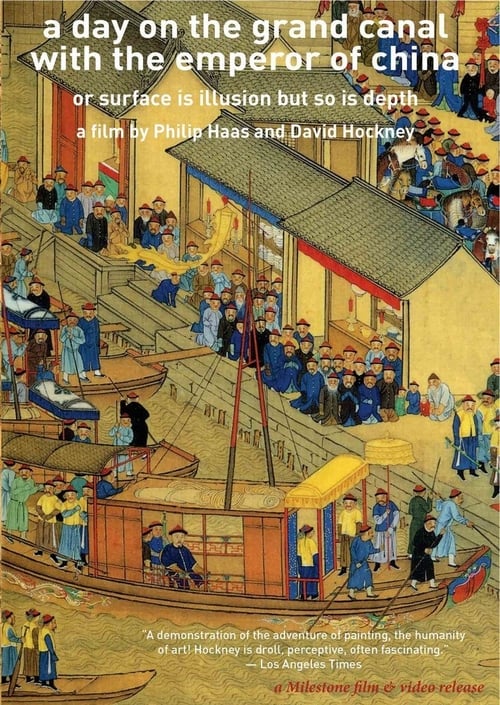
Director Philip Haas and artist David Hockney invite you to join them on a magical journey through China via a marvelous 72-foot long 17th-century Chinese scroll entitled The Kangxi Emperor's Southern Inspection Tour (1691-1698), scroll seven . As Hockney unrolls the beautiful and minutely detailed work of art, he traces the Emperor Kangxi’s second tour of his southern empire in 1689.
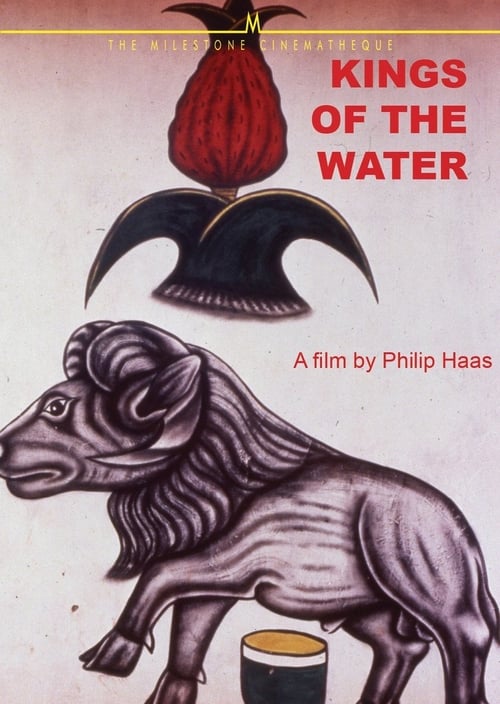
Cyprien Tokoudagba is from the city of Abomey in the Benin Republic of West Africa, where he paints the religious houses of the vodun. Haas and his film crew follow Cyprien as he first paints and then takes part in the ceremony to open a new temple. The paintings include three vodun figures and several emblems, including a pipe and a duck. Cyprien explains his work in the context of the religion and takes the crew to film two other local ceremonies, one where the dead are believed to come back to instruct the living through wild dancing and, another, where women warriors perform their war dances.
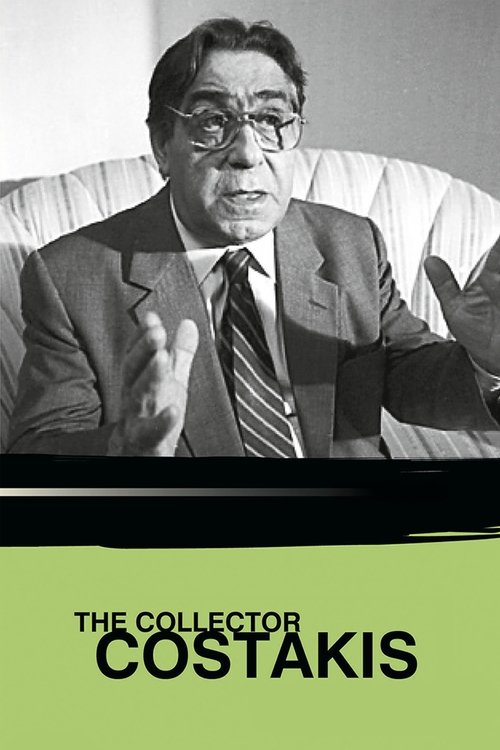
One public housing flat in Moscow stood out above all others: the home of George Costakis, the foremost collector of early 20th century Russian avant-garde art. Its walls were crowded with banned and forgotten works by artists such as Malevich, Tatlin, Kandinsky, Chagall, Lissitzky, Rodchenko, and Kliun; public figures such as Edward Kennedy, Stravinsky, and Alfred Barr visited. Barrie Gavin met the collector in 1982 at his home in Athens. Costakis, a Greek born in Russia, passionately shares his story and those of the great Russian avant-garde artists. Their works are his legacy – without him, they would not have survived the political upheavals in Russia.
Facing one of humanity’s biggest questions, ‘what is left of us after our death?’, this haunting documentary covers the author’s thought process on the idea of what might remains of us after we die, supported by the vision of an artist who decided to come back in Italy after spending forty-seven years in New York and turn his little apartment into a mausoleom where his death-filled artworks will lay along with his ashes. Raising questions like ‘are the things we create in our lifetime the mark of our existance?’ and ‘can the artist escape death trough the art objects?’ the documentary touches a vast variety of themes and ideas as well as paying a visit to one of the oldest mausoleums in ancient mythology, the Acheron River.
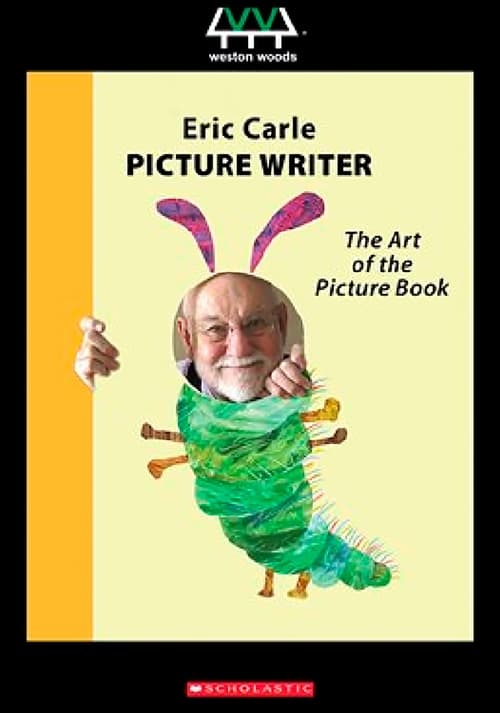
An intimate portrait of Eric Carle, creator of more than 70 books for children including the best-selling "The Very Hungry Caterpillar". At 82, Eric is still at work in his studio making books and creating art. As he methodically layers a tissue paper collage of the caterpillar, he describes the feeling he achieves working in his studio, the sense of being at peace, all alone, when everything grows quiet and it is just himself and his work. The film taps into that deep creative need in each of us, a spirit that started in Eric as a very young child and is unceasing today.
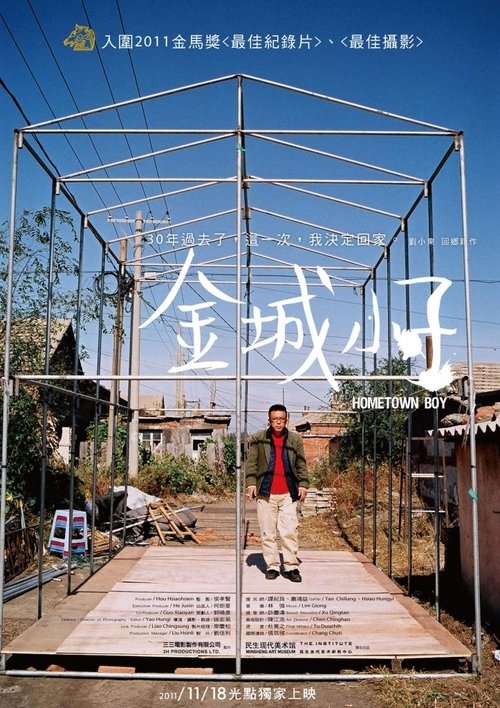
One of the best-known Chinese figurative painters, Liu Xiaodong goes back to his hometown of Jincheng, in the province of Liaoning (North-East China), to re-paint again friends and relatives after several years have gone by. With a soundtrack by famed composer Lim Giong (Millennium Mambo, The Assassin).
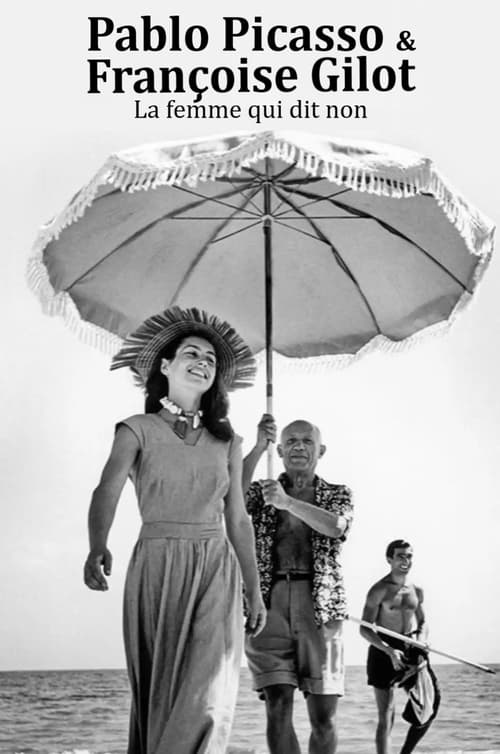
Painter Françoise Gilot shared Pablo Picasso's life from 1943 to 1953. This union nourished their respective artistic creations.
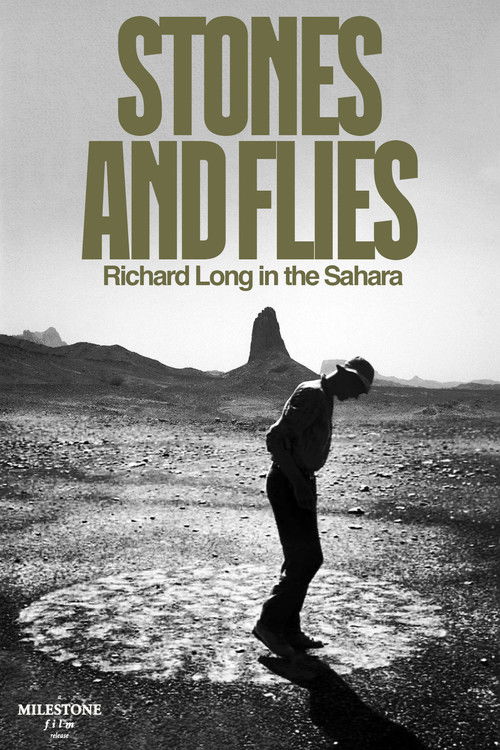
In the fall of 1987, Philippe Haas accompanied the sculptor Richard Long to the Algerian Sahara and filmed him tracing with his feet, or constructing with desert stones, simple geometric figures (straight lines, circles, spirals). In counterpoint to the images, Richard Long explains his approach. Since 1967, Richard Long (1945, Bristol), who belongs to the land art movement, has traveled the world on foot and installed, in places often inaccessible to the public, stones, sticks and driftwood found in situ. His ephemeral works are reproduced through photography. He thus made walking an art, and land art an aspiration of modern man for solitude in nature.
Contemporary artist Koki Tanaka sets up a booth at a Los Angeles flea market to sell palm fronds. "I tried to bring something very extreme into the flea-market context. I picked the palm fronds because they are the most useless things in California – they’re what we have to sweep away after a windy day. It was an experiment in registering people’s reaction to a fundamental question about the value of objects. And I was referencing two historical pieces: David Hammons’s Bliz-aard Ball Sale [1983], where he sold snowballs during winter in New York; and a Japanese manga called Munou no Hito [A Worthless Person, 1985], in which the protagonist sells stones by the riverside – stones being sold alongside stones. So both shared quite similar ideas." - Koki Tanaka
The Faraway Nearby follows the tragic life of pioneer physicist Joseph Weber, whose pursuit of gravitational waves takes him on a dizzying journey from the height of acclaim to the depths of despair and disdain when he breaks the cardinal rule of science and clings to his ideas though his results can't be duplicated. Physicists, artists, and other creatives explore the emotional side of discovery and question whether the risk is worth the journey.
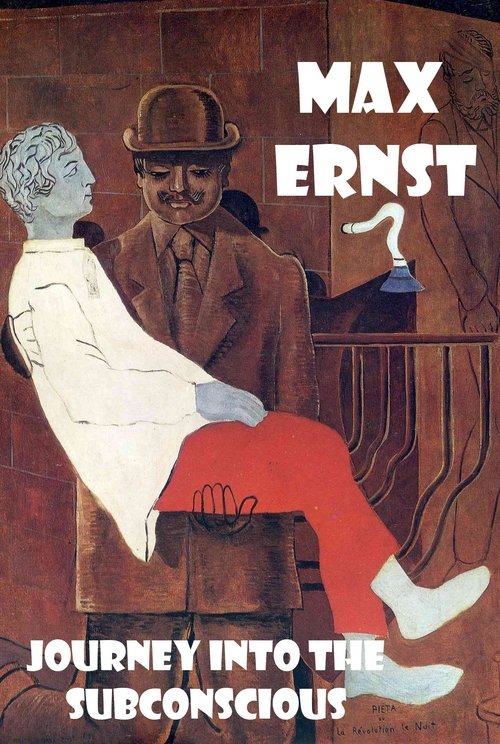
The inner world of the great painter Max Ernst is the subject of this film. One of the principal founders of Surrealism, Max Ernst explores the nature of materials and the emotional significance of shapes to combine with his collages and netherworld canvases. The director and Ernst together use the film creatively as a medium to explain the artist's own development.
In 1988, art student Damien Hirst and a group of like-minded associates mounted an exhibition in a building in the East End of London. Entitled Freeze, it was a huge critical and commercial success, propelling Hirst and the group into the spotlight of the avant-garde. More than five years later, Hirst exhibits to international acclaim and is regularly derided in the tabloid press. This portrait of Hirst, which resumes the Omnibus season, is presented as a drug-induced nightmare after Hirst has been put to sleep by a sinister dentist, played by Donald Pleasence. In between interviews with fellow Freeze artists including Angus Fairhurst , Sarah Lucas and Tracey Emin , Hirst is seen preparing Mother and Child Divided, his work for last year's Venice Blennale. The piece consists of a cow and a calf, each sawn in half, pickled in formaldehyde and exhibited in four tanks.
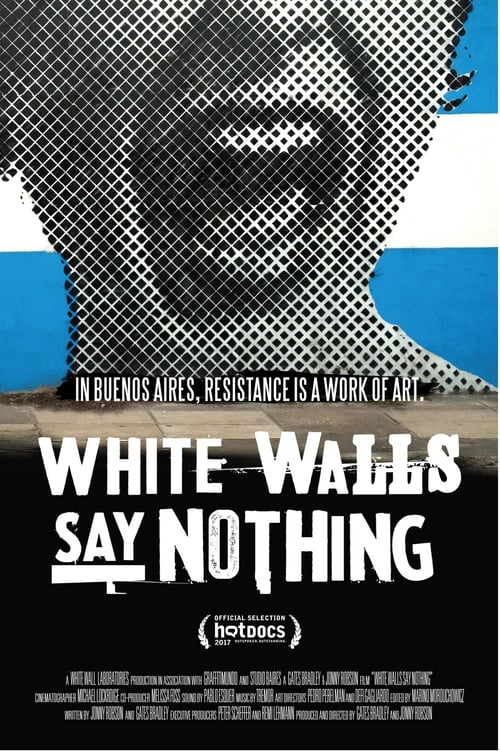
Buenos Aires is a complex, chaotic city. It has European style and a Latin American heart. It has oscillated between dictatorship and democracy for over a century, and its citizens have faced brutal oppression and economic disaster. Throughout all this, successive generations of activists and artists have taken to the streets of this city to express themselves through art. This has given the walls a powerful and symbolic role: they have become the city’s voice. This tradition of expression in public space, of art and activism interweaving, has made the streets of Buenos Aires into a riot of colour and communication, giving the world a lesson in how to make resistance beautiful.
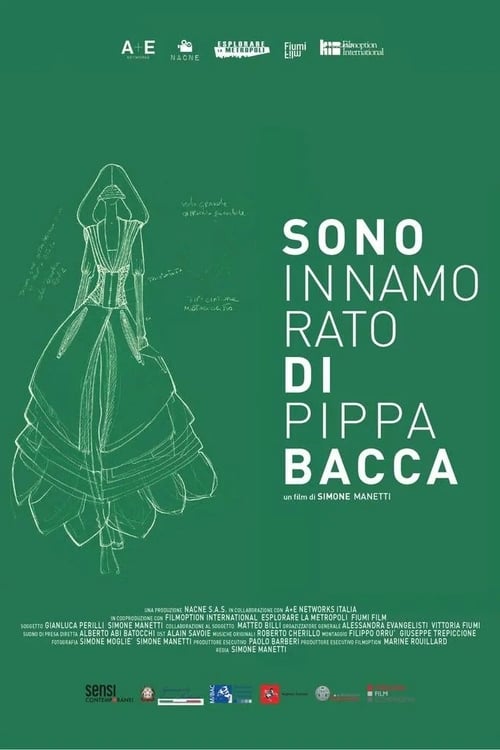
Giuseppina Pasqualino di Marineo, better known as Pippa Bacca, was a 34 years old Italian artist. She crossed 11 countries involved in wars, hitchhiking with another Milanese artist, Silvia Moro, both wearing a wedding dress. This was a performance for peace, trust and hoping to prove that if you rely on others, you’ll receive good things only. After travelling many roads, the two artists decided to split for a while in Istanbul, planning to meet again in Byblos. Pippa left then, alone, and nobody heard from her again.
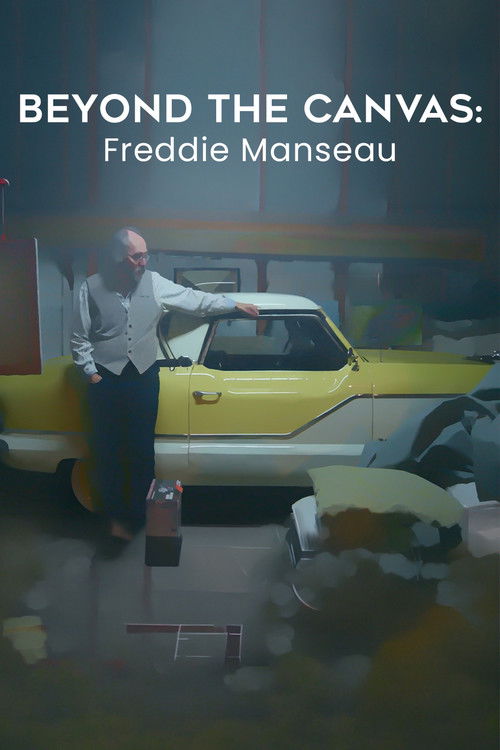
Freddie Manseau is a painter and instructor at Santa Monica College's Emeritus Campus. This short form documentary details his teachings, personality, and home life with unprecedented access to Freddie himself.