Shelley is a timid elderly lady who is competing in the Miss Senior USA pageant. Immersion in an extravagant world that also touches on the universal need for visibility, beauty and being included.
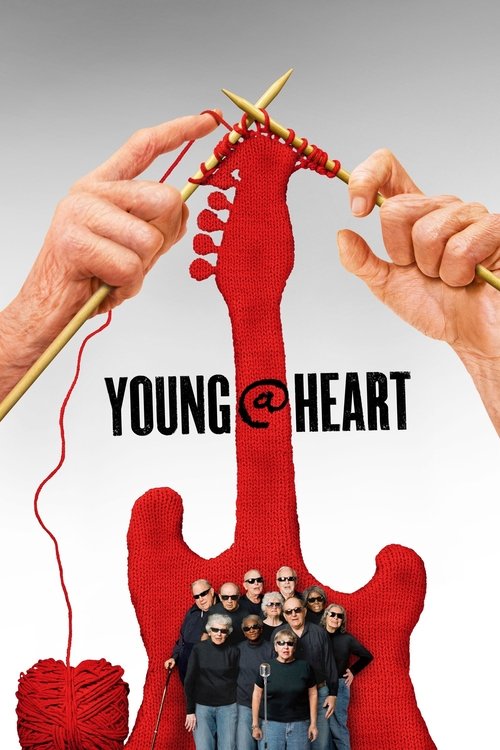
Documents the true story of the final weeks of rehearsal for the Young at Heart Chorus in Northampton, MA, and many of whom must overcome health adversities to participate. Their music goes against the stereotype of their age group. Although they have toured Europe and sang for royalty, this account focuses on preparing new songs for a concert in their hometown.
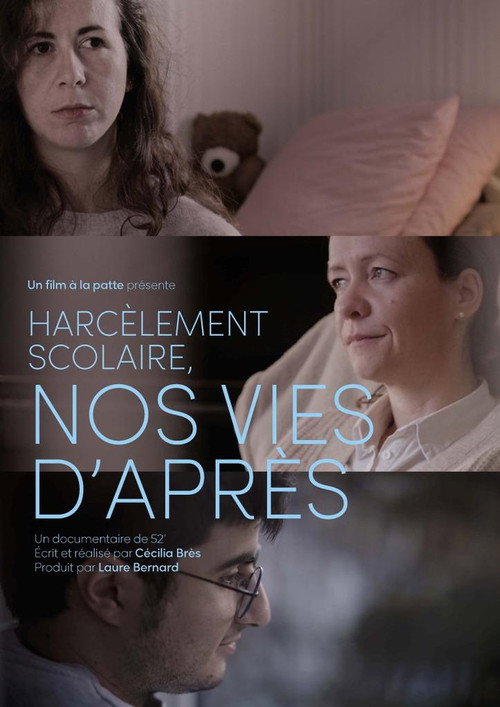
What if we changed viewpoints? "Bullying, our lives after" highlights the suffering of adults who were once bullied pupils. Ten, twenty or thirty years later, trauma is still present. Following Nathalie, Laurine and Samuel, this movie shows the long-term implications of bullying, pointing out a real failure of the educational institution and a major public health issue.
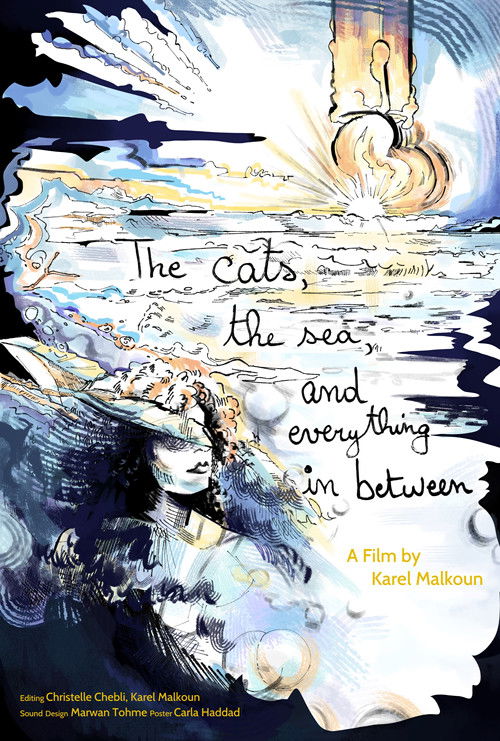
In 2022, when the economic crisis in her native country was at its peak, she decided to visit her family there. She turned her short trip into a collage-like diary in which she reflects on her relationship with her homeland, which is in a state of protracted decay. The film is composed of spontaneous snapshots capturing the author's stay, interspersed with inserted captions serving as personal, often poetically formulated comments and observations. As a result, the film does not hide its strongly subjective perspective, but at the same time builds on it to make an important statement that shows the transformation of Lebanese society in everyday details such as the appearance of the city itself or in the intimate sphere of the author's family life.
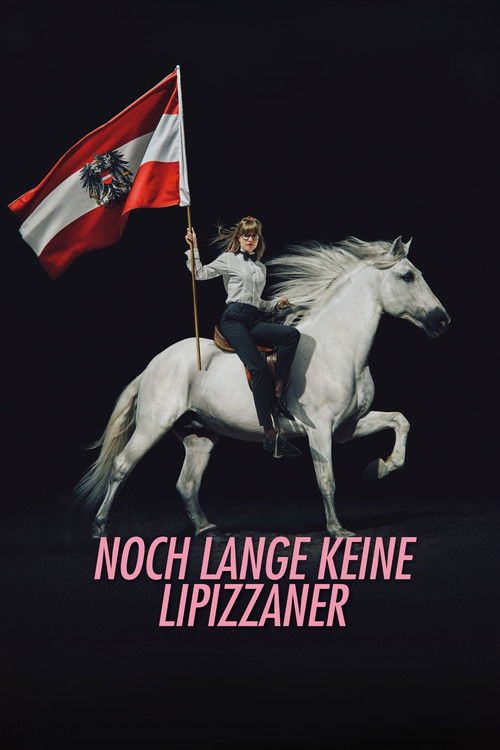
Although director Olga Kosanović was born and raised in Austria, she is not allowed to be Austrian. Her first attempt at naturalization failed. One contemptuous social media comment summed it up: “If a cat gives birth in the Spanish Riding School, that doesn’t make the kittens Lipizzaners.”What notion of identity underlies a legal system that divides society into “us” and “them”? A film about belonging — and about a second attempt.
Found footage: California in the 1950's and 60's. A young Indian couple enjoys their personal American dream come true in their home somewhere in the suburbs of San Francisco. In great detail they pose with their newly achieved wealth in front of their Super-8 camera. Just like postcards, they would send these film rolls to their joint families back in India. Around the same time, an American missionary couple visits the city of Calcutta to shoot a Christian propaganda film. The drastic reality with poverty and famine in the streets of the Indian metropolis fits perfectly into their wicked plan: To promote the faith in Jesus by showing the misery that pagan believers are doomed to suffer from.
The 1905 law proclaiming the separation of church and state is 120 years old. This law affirms freedom of conscience and religious freedom. It is considered the founding text of secularism. Secularism is the subject of endless controversy and debate.
Nine fictitious documentaries and films reflect the mood of late 1970s Germany, particularly the two-month period in 1977 when a businessman was kidnapped by the RAF (Red Army Faction). The kidnap had been made to orchestrate the release of the original leaders of the RAF, aka the Baader-Meinhof.
Why do people vent such toxic opinions online? Filmmaker Kyrre Lien spent three years travelling the world to find out who these anonymous ‘internet warriors’ are and why they do it.
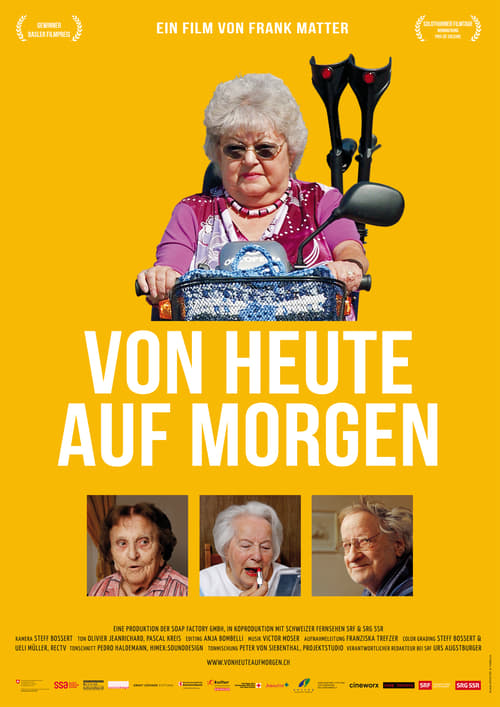
'From One Day To The Next' follows four elderly people through their everyday lives, observing how they cope with a gradual loss of autonomy.
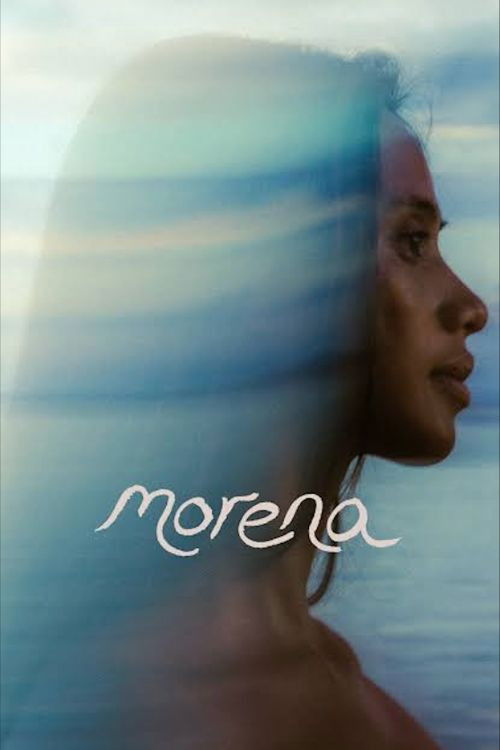
MORENA tells the uplifting story of the Philippine National Surf Athlete Ikit Agudo, who overcame the pressure to blend into a society obsessed with skin whitening. Within the ocean, she found happiness, strength, and pride in her roots. Inspiring young girls around the world to embrace who they truly are. In the Philippines, skin-whitening remains a billion-peso industry, a legacy of colonial beauty ideals that for generations have led many to neglect their true identity and natural beauty.
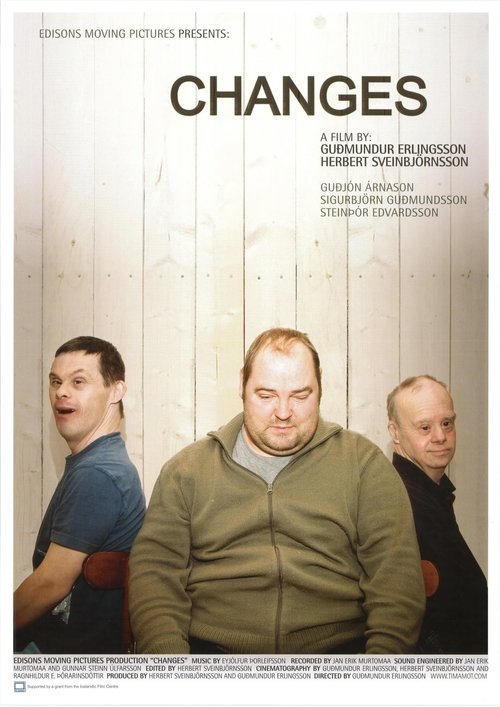
Tímamót, or Changes in English. An upbeat, heartwarming story about Gudjon, Sigurbjorn and Steinthor who lived together for decades along with several other inhabitants in the Tjaldanes Institution, in a peaceful valley close to Reykjavik. When a decision is made to close down the institution, their life takes an unexpected turn and they discover a new side to life and to themselves.
After delivery of a parcel, on leaving a restaurant, hotel or train, or following an exchange with the customer service department of your telephone operator, the same request: to rate. On a scale from 0 to 10, embellished with colors, or by awarding pretty, playful little stars. A simple, mechanical and painless action for the rater. But behind this harmless gesture lies a brutal management system, operated directly by the customer, without their knowledge. Even more worrying: without knowing it, we are all being rated, to feed the algorithms of opaque companies that claim to be able to predict the future. The film questions this invasion of rating systems, and the consequences of this practice for our individual realities and collective freedoms.
On November 25, 1973, the first of four car-free Sundays transformed West Germany's deserted highways into spaces for walking, cycling, and horse-drawn carriages, while towns and cities took on a festive atmosphere. Introduced during the oil crisis to conserve fuel after the Arab oil embargo and production cuts following the Yom Kippur War, the measure became an unforgettable collective experience. Beyond the immediate energy shortage, the crisis marked a turning point, ending the postwar economic boom and encouraging greater awareness of energy use, consumerism, and environmental issues.
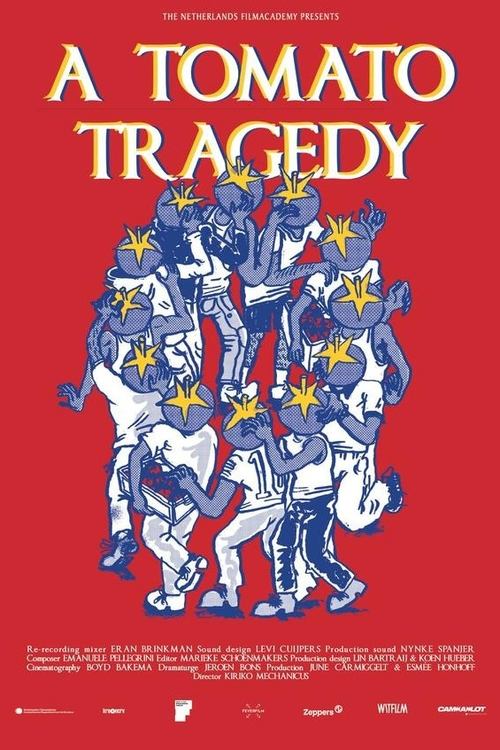
In southern Italy, stateless migrants pick the tomatoes the rest of the world will taste. But what about these workers’ European dreams? Will they be ground to a pulp? Our canned tomatoes are picked by migrant workers who have come to southern Italy to realise their dream of Europe. However, they never get beyond the tomato fields. This documentary shows how the tomato broaches a broader issue. Will the pickers keep believing in their dream, or fight against a Europe where others reap the sweet rewards of their disillusion?
Hannah, Laure, Adrien, and Halima are students at the Regional Institute of Social Work in Paris. Four students among the fifty in the first year of training to become educational support workers. They chose this profession out of commitment and vocation. Between the classroom and their field placements, they will confront their dreams and ideals with the realities on the ground, discover new sides of themselves, and begin to shape the contours of the profession they will practice—each in their own way.
How have the changing views on children been reflected in their representation in art? From Baby Jesus to the first photographic portraits, an exploration of six centuries of art history through the prism of childhood.