A series of filmed interviews with Rebecca Horn, performance artist, filmmaker and sculptress whose work explores the themes of sexuality, human vulnerability and emotional fragility.
Rebecca Horn
as Herself
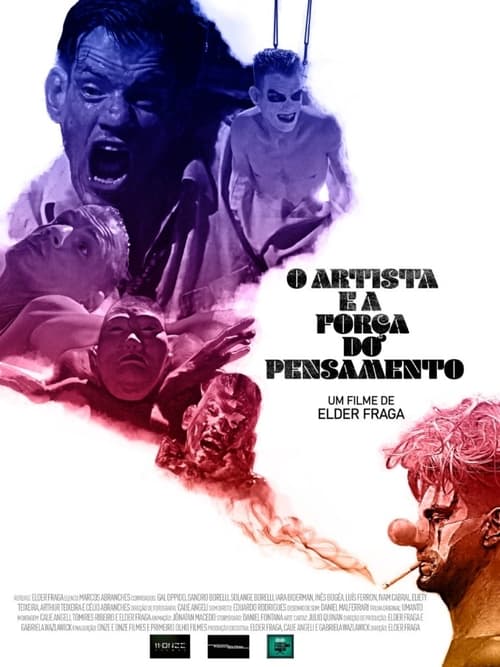
THE ARTIST AND THE FORCE OF THOUGHT, reflects the relationship between balance and imbalance within the partiality of movement of the dancer Marcos Abranches. It oscillates the body to wake up from the emptiness and isolation caused by the imbalance. The movement's lack of aesthetics is felt by abandonment and rejection, understanding that relief is in the support of love. Investigating body movement in a world without anguish, without pain, without despair. Search for life. Find in dance the balance of the body and the beauty of the soul.
In this animated documentary, Los Angeles filmmaker Dion Labriola recounts his all-consuming childhood quest to contact his teen idol, Ike Eisenmann - and the magical turn of events that led him toward his goal (some 40 years later).
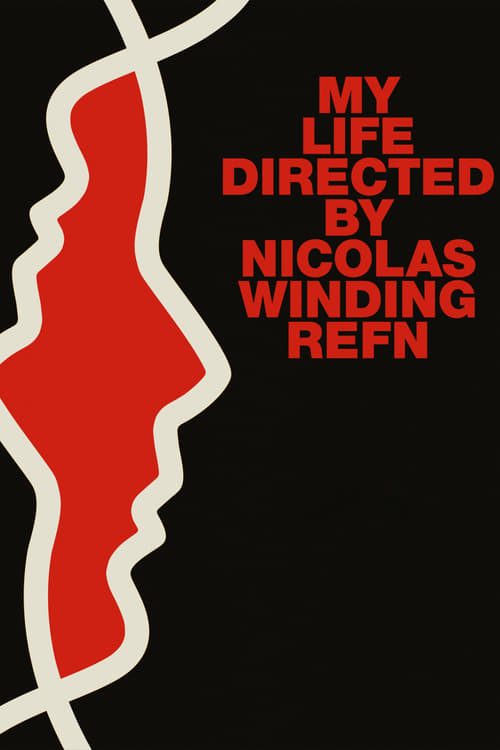
A documentary directed by Winding Refn's wife, Liv Corfixen, and it follows the Danish-born filmmaker during the making of his 2013 film Only God Forgives.
Living Lines is a series of performances and poetry by artist Stephanie Trujillo documented as a short film, drawing inspiration from her Peruvian ancestry, namely the Nazca Lines – giant, mysterious and ancient earthworks made by pre-colonial and pre-Christian societies in Peru – to create site-specific rituals dedicated to the flora and fauna native to Merseyside.
The Rock Touring Around Great Britain is a performance piece by Chinese artist He Yunchang that involved a walking circumambulation of Great Britain from September 23, 2006 to June 14, 2007. Starting from the hamlet of Rock, Northumberland, the artist walked to the nearby town of Boulmer where he selected a rock which he then carried counterclockwise until he returned it to the precise location from which it was taken. As the artist commented, the work was primarily "an attempt to represent the iron will of an individual and the living conditions of his being with simple and pure methods."
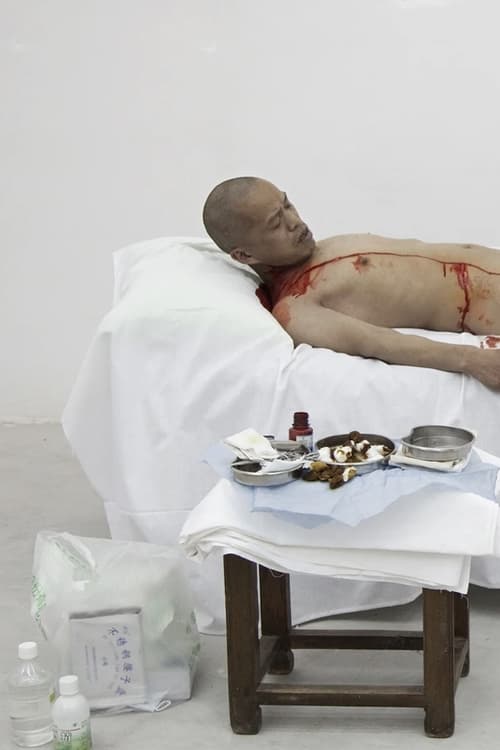
One Meter of Democracy (2010) challenged the endurance of viewers, as well as the courage of the artist. In a quasi-democratic process, He Yunchang invited approximately 20 friends to vote in a secret ballot on whether he should have a surgeon cut a one metre incision the length of his body, from collar bone to knee, without anaesthesia. The vote was carried by a narrow majority, with several abstaining. The performance was documented in video and photographs that reveal the emotional cost of witnessing this gruelling event. This work, sometimes also known as ‘Asking the Tiger for its Skin’ was also staged on a symbolic date: 10 October 2010 was the 99th anniversary of the Wuchang uprising and the Xinhai Revolution which led to the fall of the Qing Dynasty and the establishment of the Republic of China. The final image shows the group with sombre, shocked faces.
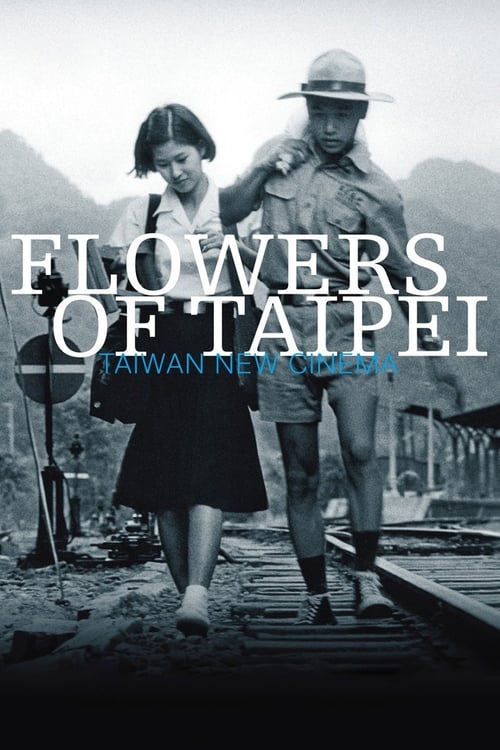
With Taiwan remaining in the grip of martial law in 1982, a group of filmmakers from that country set out to establish a cultural identity through cinema and to share it with the world. This engaging documentary looks at the movement's legacy.
This documentary offers a rare glimpse of the legendary Soviet filmmaker, Andrei Tarkosvky, at work. Tarkovsky made only seven films in his brief, but brilliant, career; Michal Leszczylowski's respectful movie chronicles him at work on his last film, The Sacrifice. Offering insight into Tarkovsky's working methods and transcendental aesthetics, the movie is a compelling account of the difficulties of film production. In the case of an uncompromising and visionary filmmaker like Tarkovsky, the practical problems of filmmaking are only magnified, as cast and crew struggle to realize the ambitious concepts in Tarkovsky's mind.
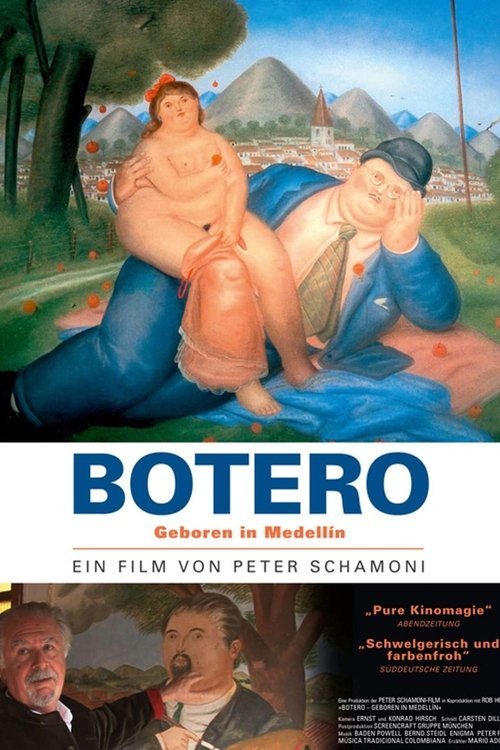
To mark the artist Fernando Botero's 75th birthday, Peter Schamoni made a documentary film about his moving life. Fernando Botero is immediately recognizable by his colourful and exuberant works. Schamoni convinces us that, behind the cliché of the naïve, Fernando Botero is an artist who also devotes himself to serious and profound themes. Schamoni not only accompanies Botero to Tuscany, where he creates his sculptures, and to his Parisian painter's studio. The film also takes us on a journey to Colombia, where Schamoni lets the viewer take part in the world in which the artist lives and works, in the highs and lows of his life.
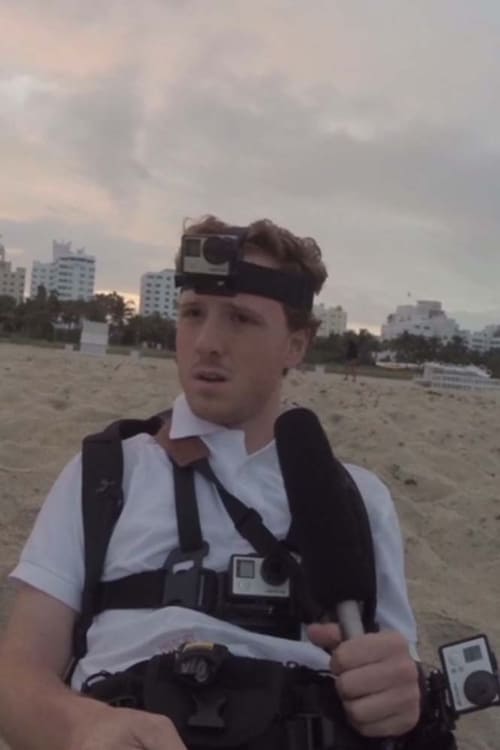
My Trip to Miami follows a well-meaning, misguided, tourist as he tries to self-actualize via Trip Advisors algorithmic script. My Trip to Miami is a documentation of a fantasy, a failure in image-based expectations.
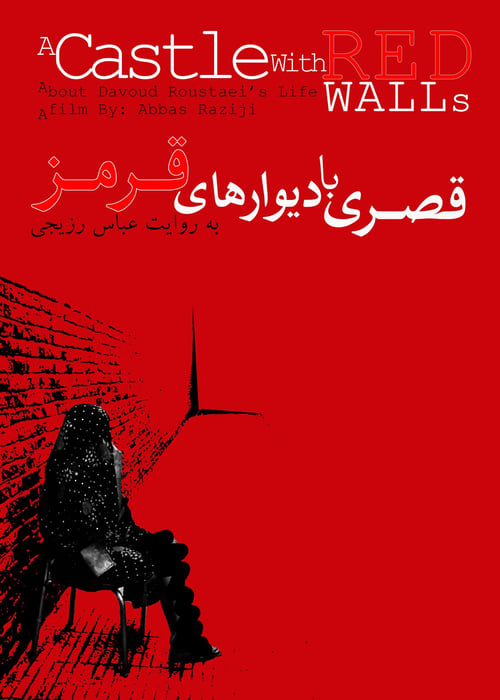
This movie is about an Iranian filmmaker called Davood Roostayi, whose all movies ( more than 100 movies ) have been banned both before and after the Islamic revolution of Iran and none of his movies have been screened.
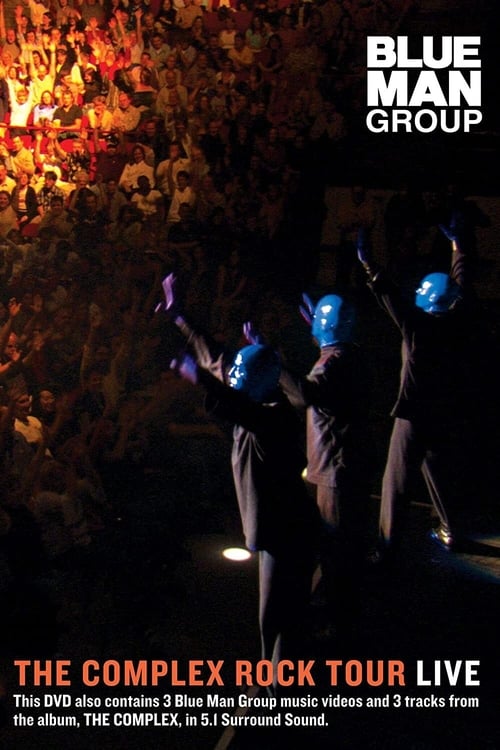
Offbeat performance artists The Blue Man Group have finally been captured live on this disc that features concert footage, three full-length music videos and three songs from Blue Man Group's album, "The Complex." The live footage was filmed during Blue Man Group's successful and widely acclaimed August 2003 rock tour, where they wowed 9,000 fans in two sold-out concerts.
Dusking is a project by the artist Lucy Wright—a newly invented tradition, conceived as the counterpart to the morris dancing that takes place on 1 May marking the arrival of summer. Taking place instead on 31 October, it invites participants—who join in remotely around the world—to ‘dance the sun down’ and honour the gifts of rest, reflection and replenishment associated with the darker months of the year. 'Mirie it is' is Lucy’s own contribution to this continuing tradition, a 3-part performance embodying each of the three stages of scientific twilight—civil, when the sun dips between 0 and 6 degrees below the horizon; nautical (when it’s below 12 degrees – and most stars can be seen with the naked eye) and astronomical, when just a little light is still left in the sky.
This film was broadcast on La Sept in October 1990 as a part of Hélène Mochiri's Cinéma de poche program devoted to Soviet cinema. The documentary was produced in-house at La Sept and based on an exclusive interview with Alexei Guerman in May of that year. It has not been seen since.
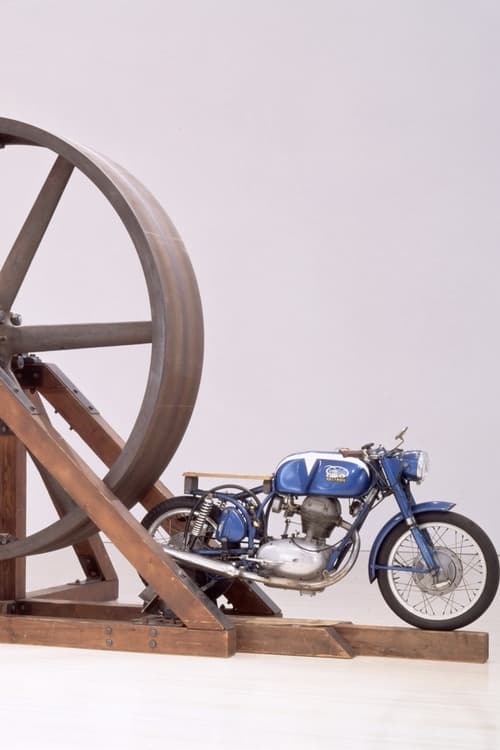
During the 1980 exhibition of Burden's monumental kinetic sculpture The Big Wheel at Ronald Feldman Fine Arts, New York, Burden and Feldman were interviewed by art critic Willoughby Sharp. Burden articulates the process of creating The Big Wheel, a 6,000-pound, spinning cast-iron flywheel that is initially powered by a motorcycle, and discusses its relation to his earlier performance pieces and sculptural works. Addressing his motivations and the meaning of this potentially dangerous mechanical art object, Burden discusses such topics as the role of the artist in the industrial world, "personal insanity and mass insanity," and "man's propensity towards violence."
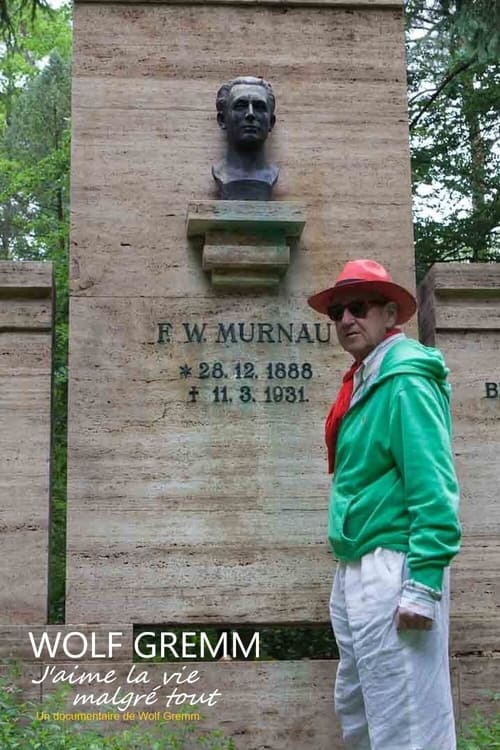
In 2011, the director and screenwriter Wolf Gremm receives the diagnosis - prostate cancer. According to the doctors, he has not much longer to live, maybe eight months. Wolf Gremm is torn by these devastating news in the midst of an active, fulfilling life, but he decides to deal with the disease offensively and to fight. From now on smartphone and mini camera are his constant companions.
In 1971, Jean-Daniel Pollet & Guy Seligmann directed for French TV a documentary about French artist César Baldaccini. It was part of L'invité du dimanche show.
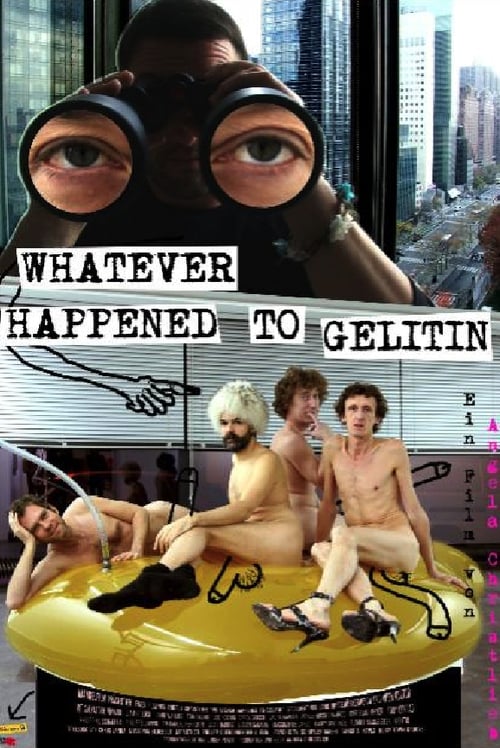
Art dealer Salvatore Viviano and director Angela Christlieb embark on a search for the lost artist collective Gelitin, which since the 1990s has shattered the borders of "good taste" again and again with extravagant actions and installations. Interviews with old companions and artist friends in the U.S., Europe, and Asia are linked with anarchically montaged Gelitin archive material: intense, transgressive, experimental, gaudily colorful, funny, and virulent.
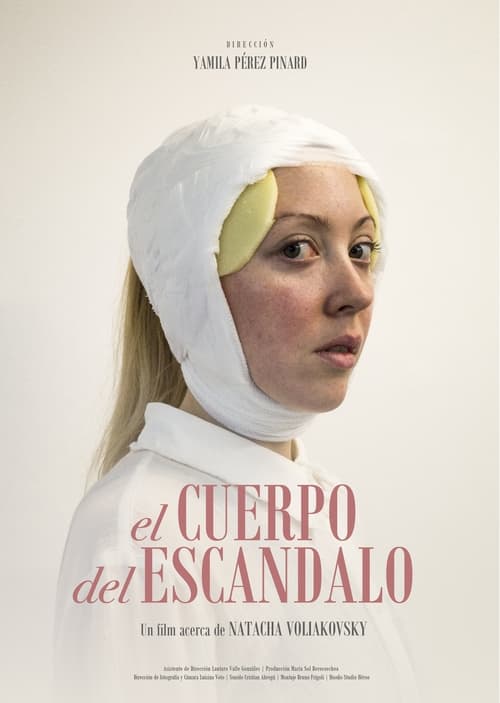
A body lurchs through the university.