The extraordinary rise of Olympic boxing champion, record-breaker, feminist and LGBT icon Nicola Adams. From the streets of Leeds to the world stage, Adams fought her way to the top and changed the game. This, is her story.
Nicola Adams
as Self
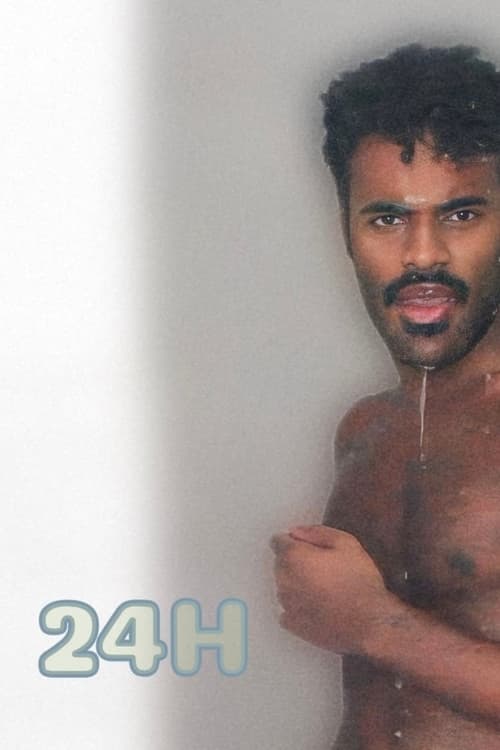
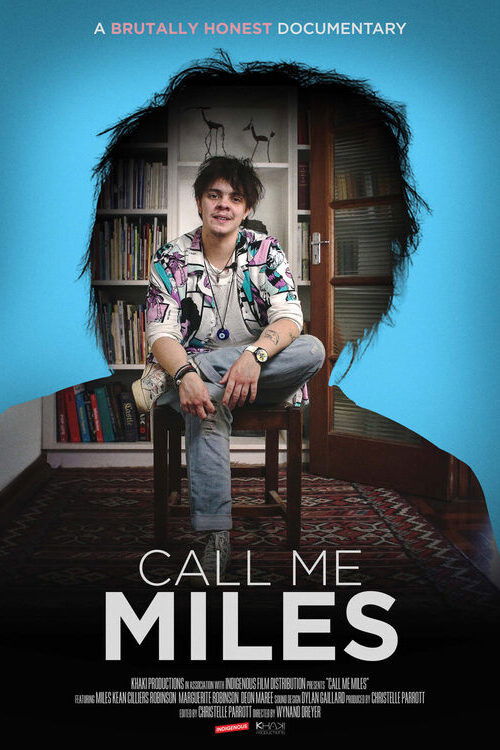
It was 24 hours with him. I saw him shake his ass with a friend. Scrubbing tile corners. Have egg salad for lunch. Buy cleaning products. Rehearse in the studio. Playing with children on the grass. In a huge theatre, review texts about scenes of decolonization. Smoke one, or two. Problematizing on the bus. Undressing on the couch in my house. Sleeping without fitting into the bed because you are too tall. I saw the sun bursting on your skin in the morning and said goodbye. I thought a standard session wouldn't encompass the complexity of an intimate recording. So I was his voyeur for 24 hours. Uninterrupted.
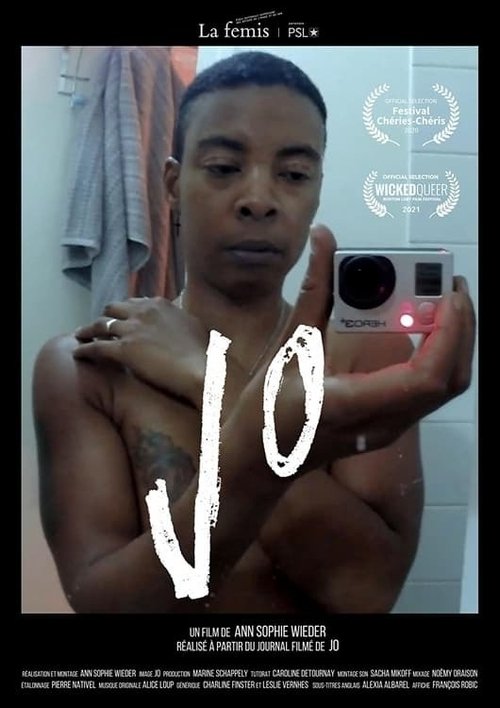
Jo is a 40-year-old transgender man addicted to cocaine. This addiction prevents him from achieving his transition in good conditions, and from maintaining fulfilling relationships. He is trying to quit drugs and to make a fresh start.
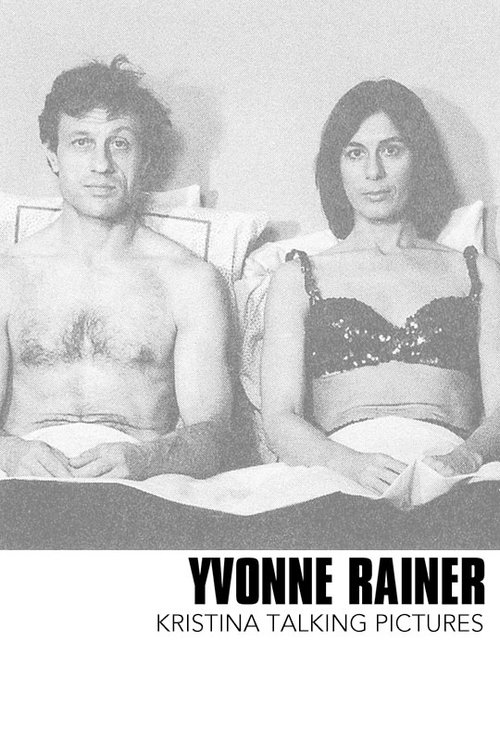
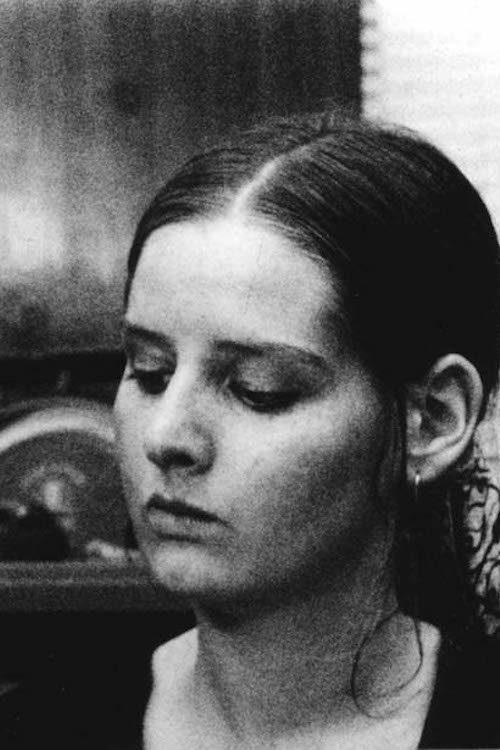
Kristina, a self-named Hungarian female lion tamer, arrives in New York to become a dance choreographer. Kristina, now a middle-class NYC artist concerned about the environment, has a sailor lover named Raoul. The film, a collage work, an essay film, a fictional narrative and a documentary all rolled into one, is one of the most important independent American feminists films made during the 1970's.
Over the course of their sessions, what began as an artist-model relationship developed into something more. Now officially BFs (boyfriends), Wilfrid continues to draw Theo regularly and has somewhat effortlessly amassed hundreds of drawings that were brought together for an exhibition appropriately titled ‘Drawings of my BF’. As Wilfred studies Theo, and Theo returns his gaze, the two lovers discuss the romantic ideals and human realities of the sketcher-subject dynamic and the role that creating art together has played in their lasting connection.
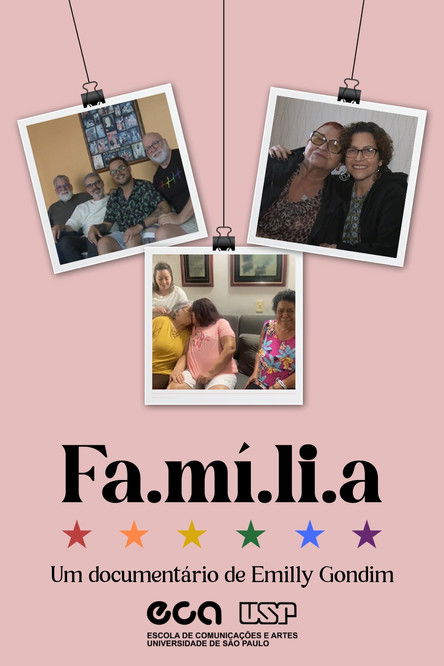
Four families recount how they met and formed their families at a time when marriage and civil unions were denied to LGBT+ people. The film demonstrates what homophobia seeks to attack: love and family.
The brutal and often poignant story of a boy trapped in the body of a girl. It takes us on the journey of a typical Afrikaans child who faces self-hate, societal rejection, doubt and ultimately healing. A story about a transgender child fighting to find their place in the world.
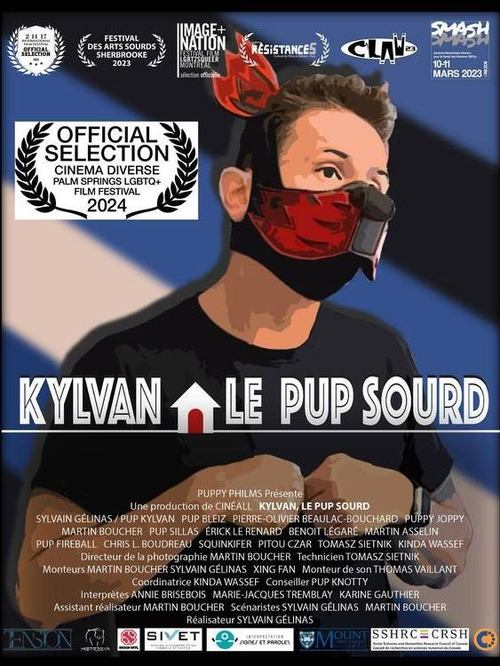
Kelvan describes his daily life as a deaf person in Montreal, with one small detail: he's part of the puppy community. Puppy-Play is a kind of role-playing game in which you adopt the personality and mentality of an animal, and is present in the LGBTQueer+ community.
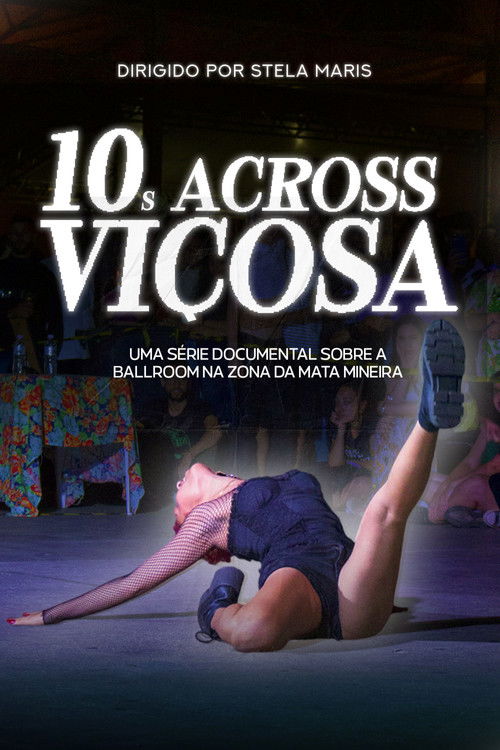
A documentary exploring the vibrant ballroom scene in Viçosa, Minas Gerais. Through the lives of local performers, it highlights how queer, trans, and non-binary communities create spaces of self-expression, creativity, and resilience. The film captures the energy of balls, the art of voguing, and the deep sense of community, while also examining the challenges participants face in a society that often marginalizes them. By documenting this unique subculture, the film celebrates LGBTQ+ identity, pride, and the transformative power of performance in shaping belonging and visibility.
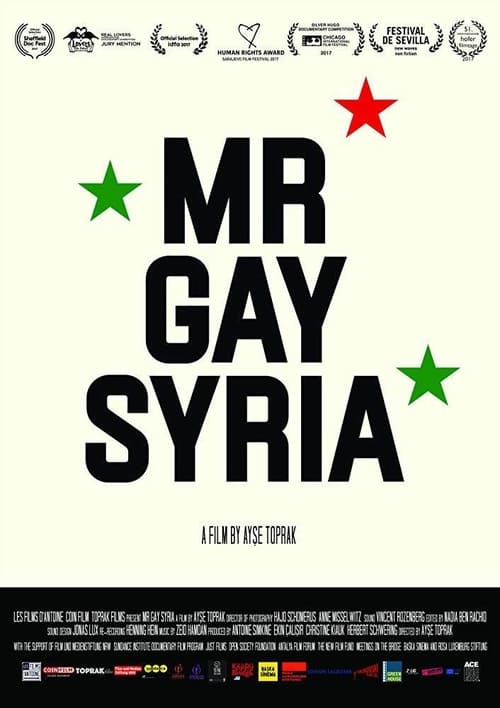
In focusing his attention on the competitors of Mr Gay Syria, director Ayse Toprak shatters the one-dimensional meaning of “refugee”. Using the pageant as a means of escape from political persecution, the organiser Mahmoud — already given asylum in Berlin — hopes to offer the winner a chance to travel as well as bring international attention to the life-threatening situations faced by LGBT Syrians.
‘Chanel’ in Myeong-dong in the 1970s was the secret hideout for Butches and Femmes. In 1996, young lesbians opened Korea’s first lesbian bar, Lesbos. In the early 2000s, queer teens looking for a community gathered in a small park in Sinchon. Myung-woo, who ran ‘Lesbos’ nearby, was still guarding the place 20 years later. As the coronavirus crisis hit, the bar has lost its customers. Will she able to protect the place this time?
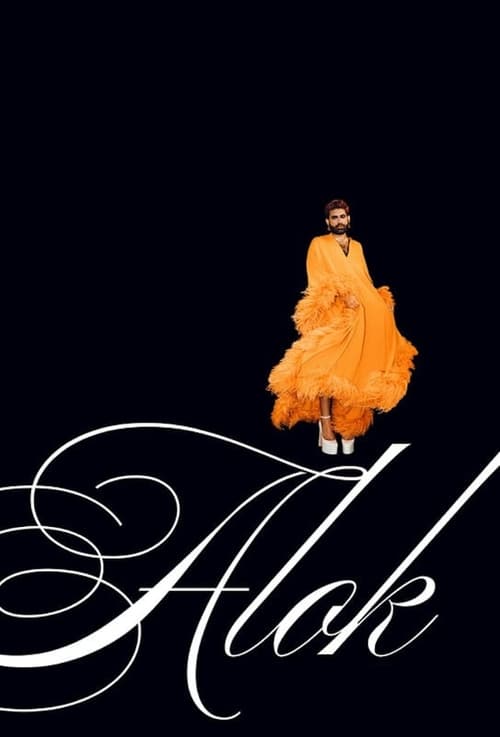
A compelling portrait of ALOK, acclaimed nonbinary author, poet, comedian, and public speaker.
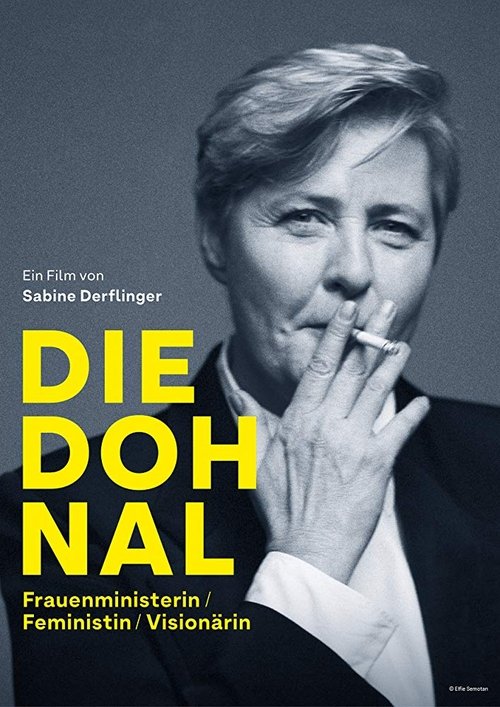
Johanna Dohnal, whose political career spans three decades, was one of the very first explicitly feminist politicians in Europe. As a member of the Austrian socialist government and the first Austrian minister for Women’s Affairs from 1990 to 1994, Dohnal was responsible for founding Austria’s first women’s refuge as well as criminalizing of marital rape. Yet her legacy remains yet to be discovered and re-examined. DIE DOHNAL makes a first step, and it makes Dohnal come alive.
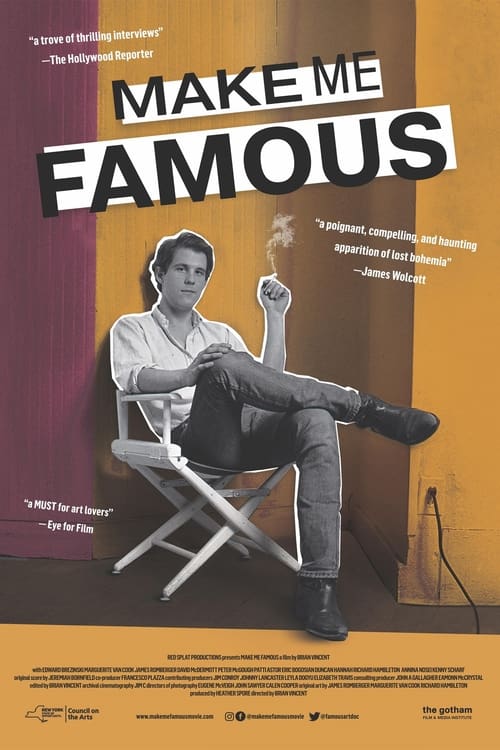
An investigation of Edward Brezinski, an ambitious, charismatic Lower East Side painter hell-bent on sucess, who thwarted his own career with antics that roiled NYC’s art elite. Brezinski’s quest for fame gives an intimate portrait of the art world’s attitude towards success and failure, fame and fortune, notoriety and erasure.
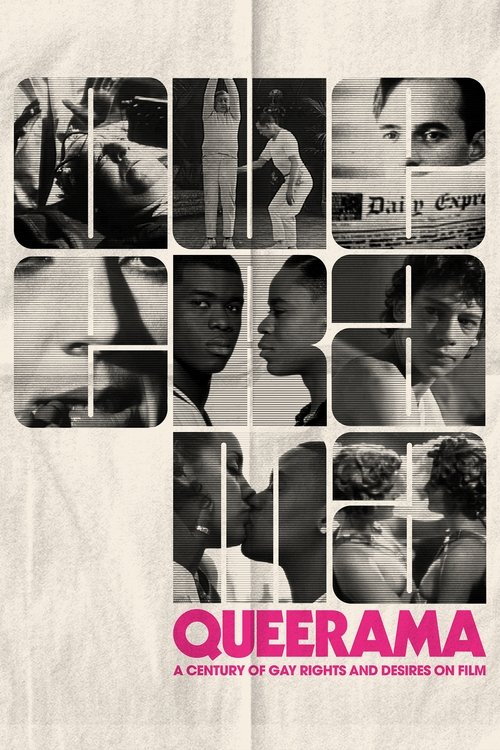
Created from a treasure trove of archive, Queerama traverses a century of gay experiences, encompassing persecution and prosecution, injustice, love and desire, identity, secrets, forbidden encounters, sexual liberation and pride. The soundtrack weaves the lyrics and music of John Grant, Goldfrapp and Hercules & Love Affair with the images and guides us intimately into the relationships, desires, fears and expressions of gay men and women in the 20th century – a century of incredible change.
A docu-drama shot in 1970, but not completed until 1973, the film sought to encapsulate in an experimental form issues that were under discussion within the Women’s Liberation Movement at this time and to thus contribute to action for change. In its numerous community screenings, active debate was encouraged as part of the viewing experience.
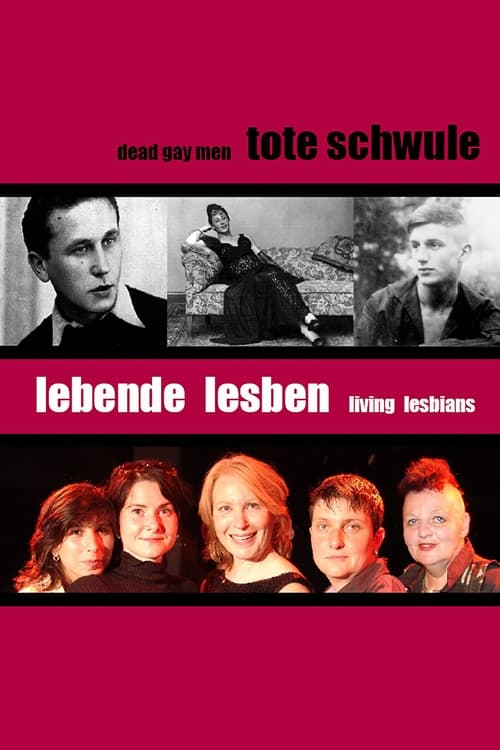
As a result of the Holocaust and later, AIDS, the male homosexual community has sustained bitter losses and, according to Praunheim, lesbian women have now placed themselves at the head of the so-called queer movement. The female protagonists in the film represent two different generations; they also incorporate the past and present status of homosexuals in society.
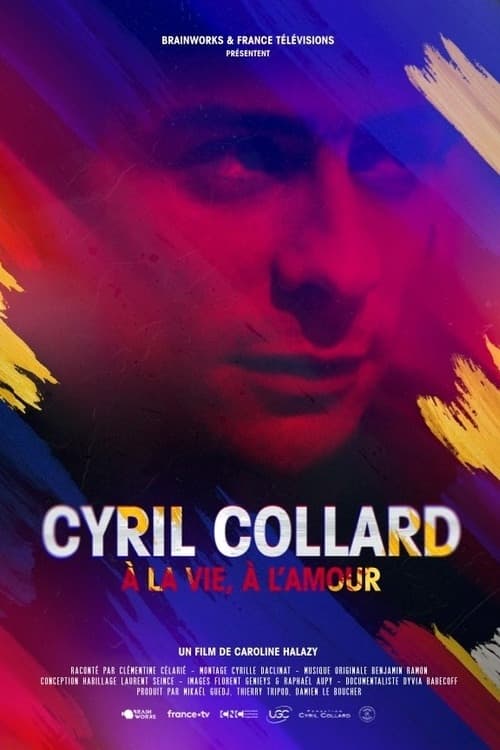
It's a tale of two shocks. 1992, Les Nuits fauves hits theaters. 1993, Cyril Collard dies of AIDS. The artist and his film caused a scandal in 90s France, which suddenly realized the violence of the epidemic and the upheaval it would bring for its children... Collard's work still resonates today, through its depiction of the rage of life and sexual freedom, and the courage it takes to face up to the inevitability of the virus. This documentary is supported by powerful archive footage, allowing us to rediscover the destiny of a striking artist. It is also based on the testimonies of those who knew him and agreed to talk about who he was, the driving forces behind his rebellion and his way of creating. The film is also punctuated by readings from some of the thousands of letters sent to Cyril Collard, revealing what it was about his work that struck a chord with viewers, especially younger ones.