In his first film, Julien Chauzit gathers four young adults in their twenties who are on holiday in Martigues, and he shows their political awakening, in the face of the environmental disaster to come.
Solène Salvat
as
Mélisande Dorvault
Ilan Couartou
Matteo Gaya
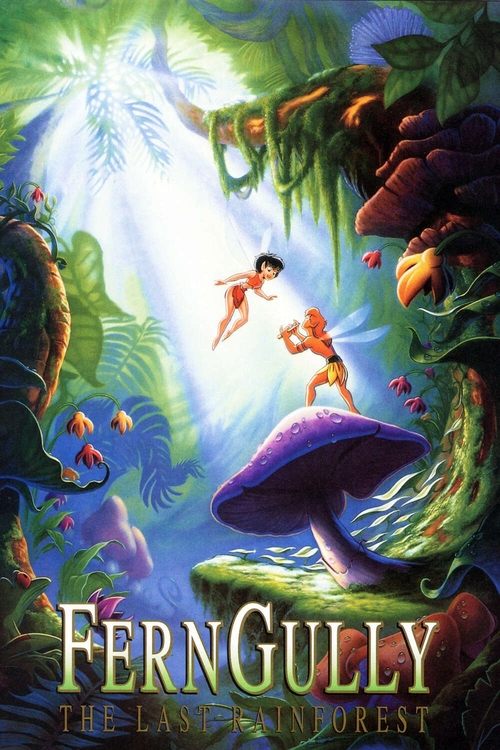
When a sprite named Crysta shrinks a human boy, Zak, down to her size, he vows to help the magical fairy folk stop a greedy logging company from destroying their home: the pristine rainforest known as FernGully. Zak and his new friends fight to defend FernGully from lumberjacks — and the vengeful spirit they accidentally unleash after chopping down a magic tree.
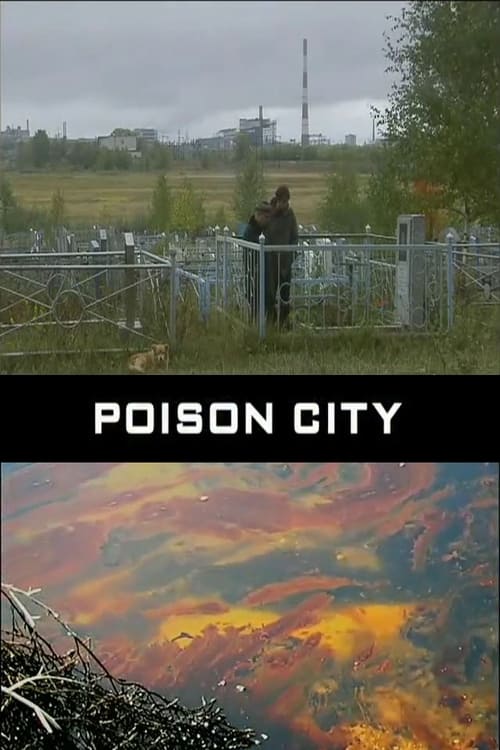
Dzerzhinsk, a Russian city 240 miles east of Moscow, is considered the most chemically polluted town on Earth. Factories producing industrial chemicals (and in Soviet times, chemical weapons) employ a quarter of the 300,000 residents in a city where life expectancy has fallen to 42-47 years, the death rate is 2.6 times higher than the birth rate, and the men are close to impotence. Reporter Tim Samuels recorded a series of in-depth interviews with the inhabitants of Dzerzhinsk for the Correspondent strand, revealing what life is like for the beleaguered populace.
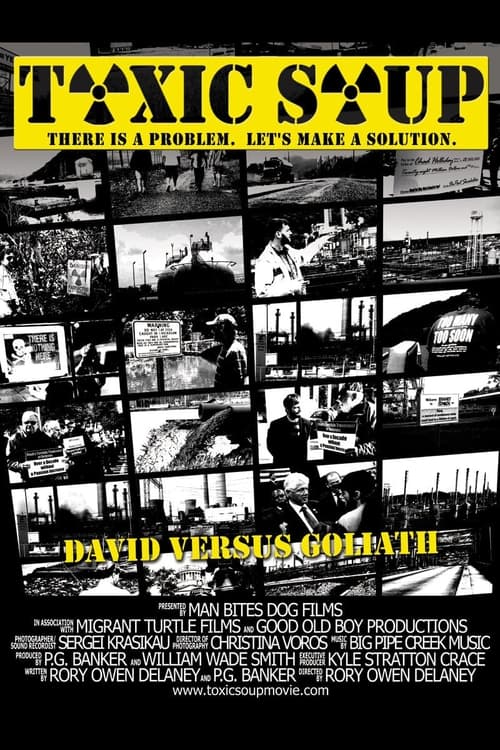
Before starting a family, Soozie Eastman, daughter of an industrial chemical distributor, embarks on a journey to find out the levels of toxins in her body and explores if there is anything she or anyone else can do to change them. She has just learned that hundreds of synthetic toxins are now found in every baby born in America and the government and chemical corporations are doing little to protect citizens and consumers. With guidance from world-renowned physicians and environmental leaders, interviews with scientists and politicians, and stories of everyday Americans, Soozie uncovers how we got to be so overloaded with chemicals and if there is anything we can do to take control of our exposure.
Something is bad wrong as everyday Americans fight to protect their air, water and blood from pollution.
PCP is unexplainably released into the Frankfurt water supply and sends the zoo inhabitants crazy. One evening after a malfunction of zoo security the gonzo critters rampage through the city eating and killing whatever they fancy, wreaking a night of bloody terror.
A cartoon film about the whole heterogeneous mixture of Canada and Canadians, and the way the invisible adhesive called federalism makes it all cling together. That the dissenting voices are many is made amply evident, in English and French. But this animated message also shows that Canadians can laugh at themselves and work out their problems objectively.
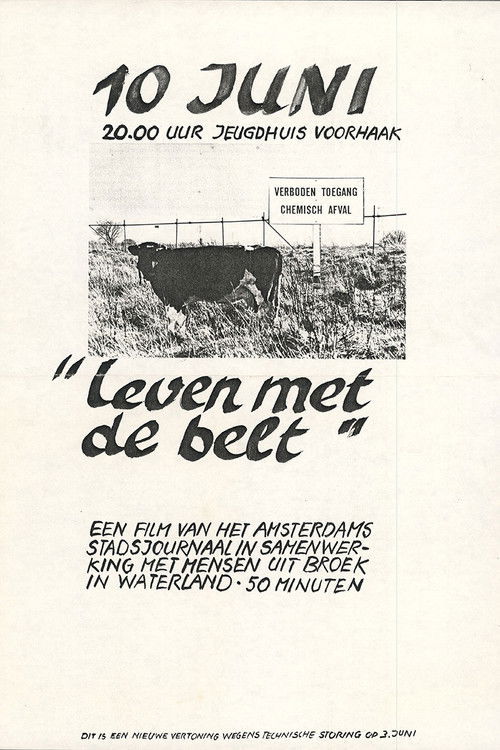
In Leven met de belt (Life With A Rubbish Heap), filmmaker Rosemarie Blank portrays with great empathy the residents of the Volgermeerpolder near Broek in Waterland in The Netherlands. They live with the physical and psychological consequences of a toxic waste dump on their doorstep.
Ice has always moved. When glaciation took hold some 34 million years ago, interconnected rivers of ice combined to produce the Earth's vast ice sheets. As temperatures slowly warmed glaciers developed a unique balancing act; advancing and retreating to calibrate their annual winter accumulation against summer melt. Sometimes calving colossal icebergs into the sea. A positive feedback loop that has regulated the movement of ice for millions of years.
Gas flaring has long been known to be both a major polluter and a serious health hazard. In Iraq, it's ruining ordinary people's lives, leaving communities ravaged by abnormally high levels of cancer. With oil giants like BP using a loophole to avoid reporting emissions, and governmental promises to end the practice ringing hollow, what will it take to eradicate toxic pollution from Iraq's skies?
More than two decades after the Clean Water Act was supposed to make America’s waters clean enough for swimming and fishing again, two iconic waterways — the great coastal estuaries of Puget Sound and the Chesapeake Bay — are in perilous condition. With polluted runoff still flowing in from industry, agriculture and massive suburban development, scientists fear contamination to the food chain and drinking water for millions of people. A growing list of endangered species is also threatened in both estuaries. As a new president, Congress and the states set new agendas and spending priorities, FRONTLINE correspondent Hedrick Smith examines the rising hazards to human health and the ecosystem, and why its so hard to keep our waters clean.
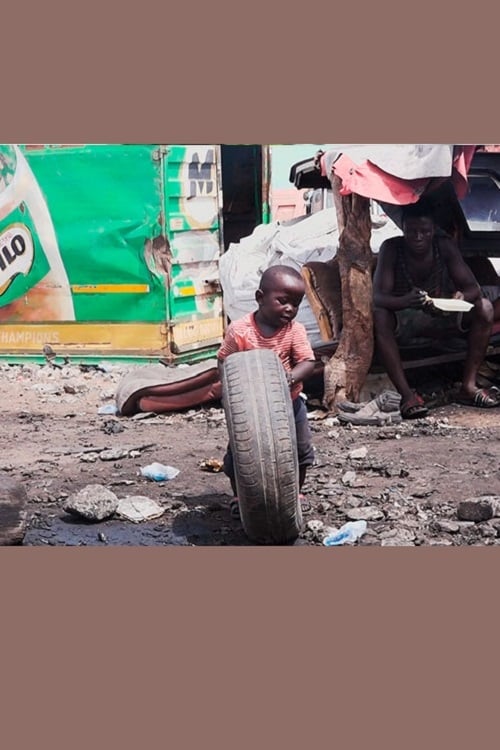
There are thousands of people working as scrap workers in Agbogbloshie, Accra, Ghana, and Abdallah is one of them. Like the majority, Abdallah is from the northern part of the country and behind him, there is a big family awaits support. The air pollution caused by the open burning of electronic scraps has raised Muntaka’s concern, who is trying to stop them from burning…