A concise & informative biography that is an overview of Queen Victoria’s life from infancy to death.
Queen Victoria of the United Kingdom
as Self

Prince Albert
Prince Michael of Kent
Keith Beken Sr.
Michaela Blankart
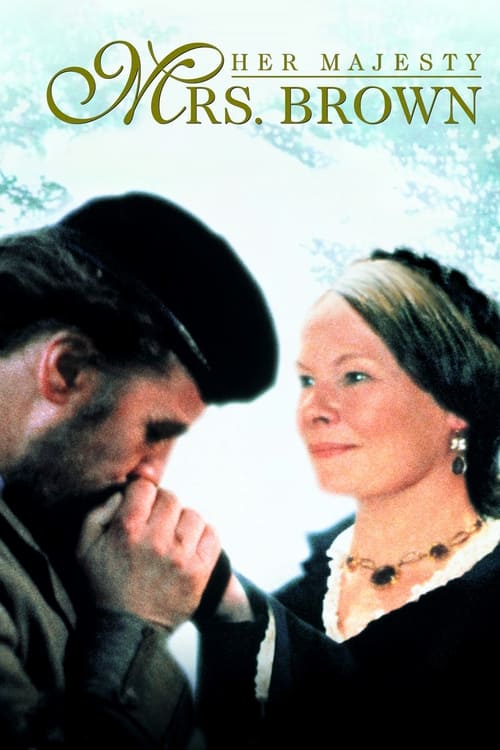
When Queen Victoria's husband Prince Albert dies, she finds solace in her trusted servant, Mr. John Brown. But their relationship also brings scandal and turmoil to the monarchy.
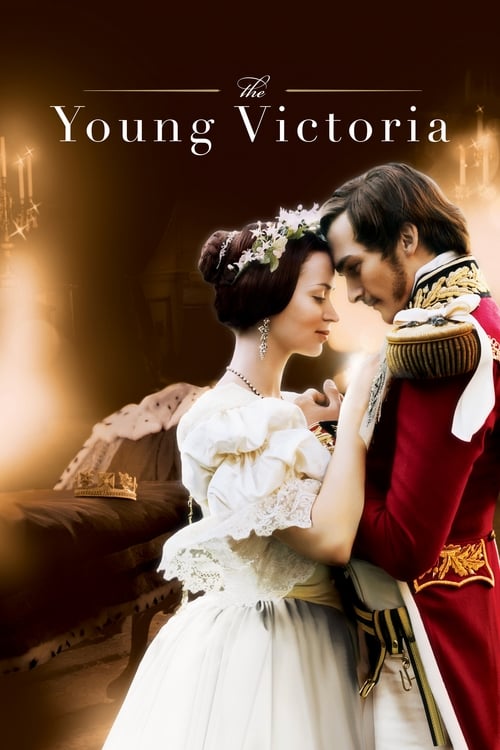
As the only legitimate heir of England's King William, teenage Victoria gets caught up in the political machinations of her own family. Victoria's mother wants her to sign a regency order, while her Belgian uncle schemes to arrange a marriage between the future monarch and Prince Albert, the man who will become the love of her life.
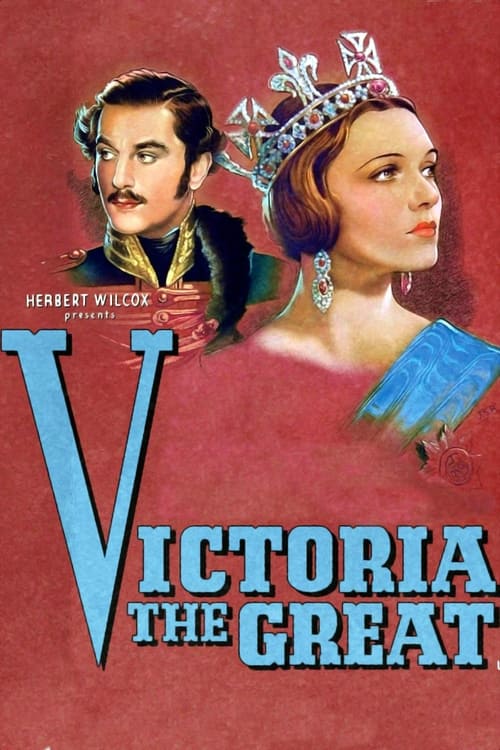
The film biography of Queen Victoria focusing initially on the early years of her reign with her marriage to Prince Albert and her subsequent rule after Albert's death in 1861.
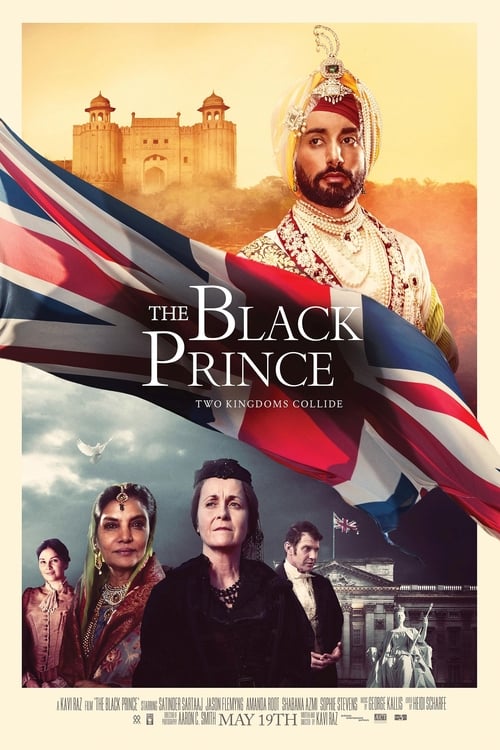
The Black Prince follows the story of the last Sikh Maharaja — the son of the powerful ruler Ranjit Singh — who was placed on the throne at the age of five, after the death of his father. In 1849, the young prince was removed from the throne and eventually sent off to England. His attempts to return to India and reclaim his kingdom were subsequently thwarted by the British.
In 1897 Queen Victoria antagonized family and court with her relationship with Indian servant Abdul Karim. Originally a waiter the devious and arrogant young man won over the queen by playing on her love of Indian cuisine and romantic view of the country, teaching her Hindustani, whilst she signed letters to him 'Mother', bestowing houses and gifts on him and his family. Already shocked that a Muslim should be at the heart of the court the Royal family stepped in when Victoria announced her desire to knight him and they threatened to have her declared insane if she went ahead. It worked. And in 1901 after the queen's death Karim was banished from Royal circles, returning to India where he died.
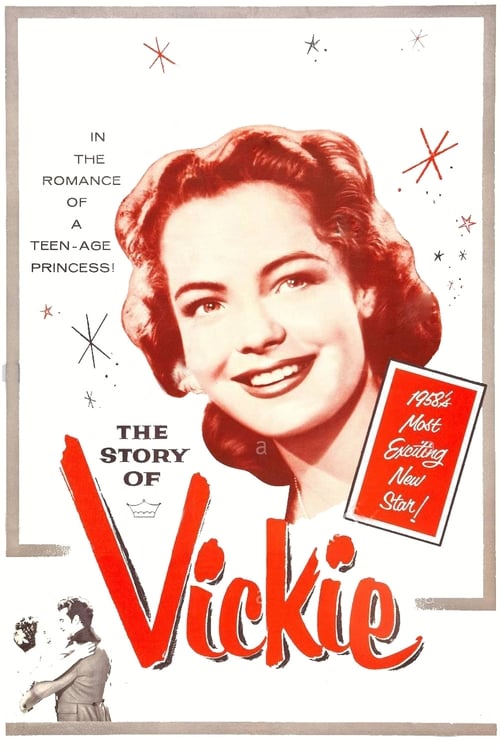
Vickie, short for Victoria, is crowned Queen of England and as such needs to learn the responsibilities of her new post.
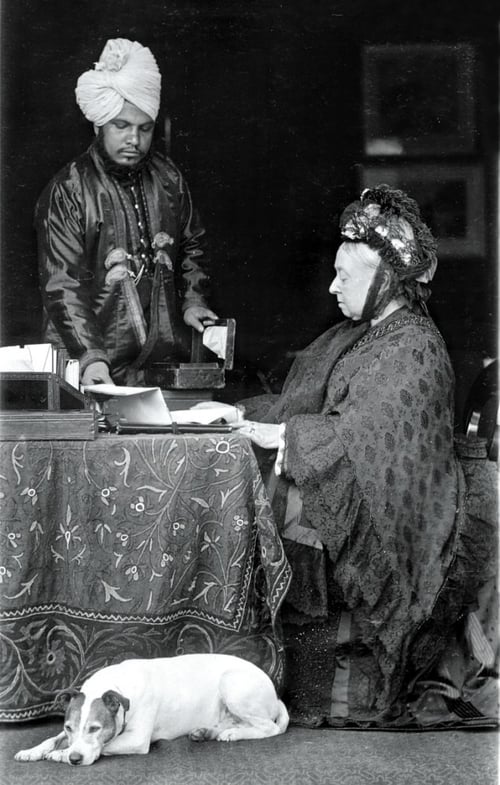
Queen Victoria strikes up an unlikely friendship with a young Indian clerk named Abdul Karim.
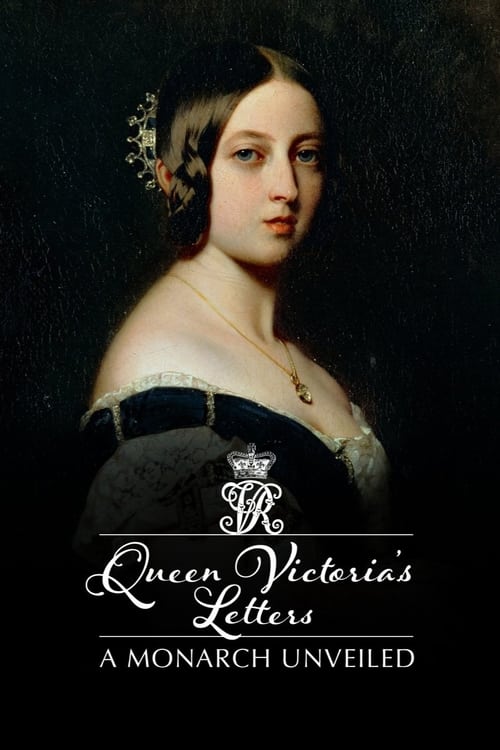
This is the story of Queen Victoria as never heard before; a psychological insight of the woman told through her own words, her experiences recounted solely through her personal diaries and letters.
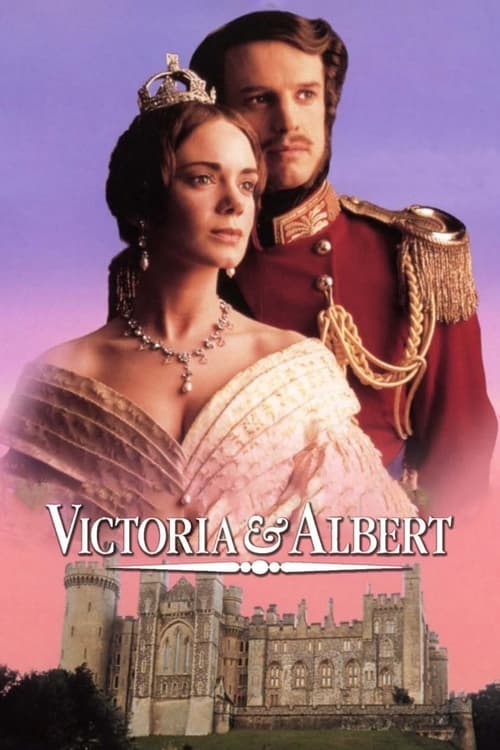
The passionate love story that was Queen Victoria and Prince Albert's lengthy marriage. Beginning in 1837, the year of King William IV's death and 18-year-old Victoria's ascension to the throne, the series charts the tumultuous period in 19th Century England where Victoria comes to terms with the enormous duties that lay ahead of her, while also falling deeply in love with her beloved Albert of Saxe-Coburg-Gotha. The marriage and birth of their nine children are featured, as is Albert's frustration by the inactivity he experienced in the early years of his role as Prince Consort.
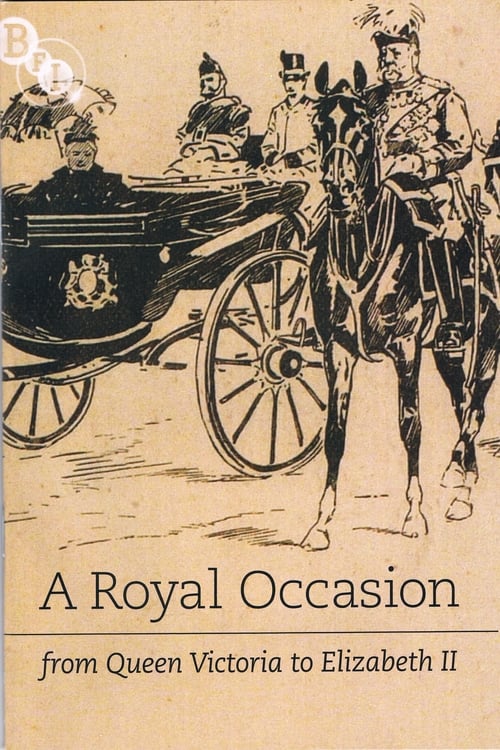
Brief actuality footage showing Queen Victoria's open landau, bearing the Princess of Wales and Princess Christian. The location and filmmaker remain unidentified.
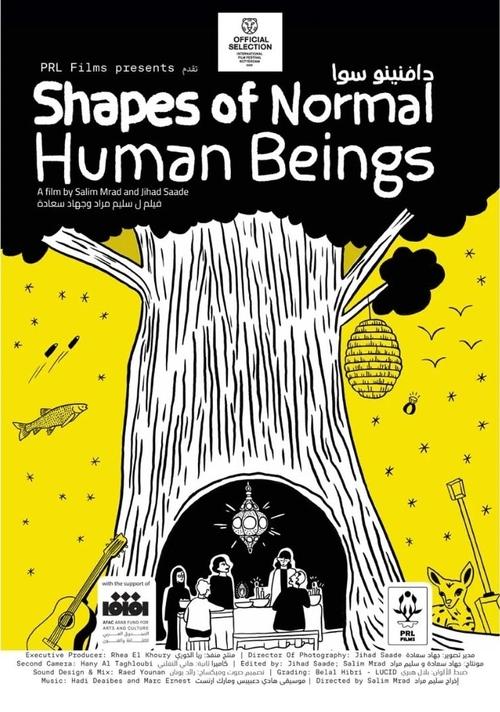
Three friends take an 8-day road journey to make sense of Lebanon at this moment in time. Each detour in their journey makes for a spectacular experience of co-narration and listening in the face of uncertainty.
I am sitting in a room is a sound art piece by American composer and sound artist Alvin Lucier composed in 1969. The first performance of the work was in 1970 at the Guggenheim Museum in New York. In collaboration with his partner Mary Lucier. The piece features Lucier recording himself narrating a text, and then playing the tape recording back into the room while re-recording it. The new recording is then played back and re-recorded, and this process is repeated. Due to the room's particular size and geometry, certain resonant frequencies are emphasized while others are attenuated. Eventually the words become unintelligible, replaced by the characteristic resonance of the room.
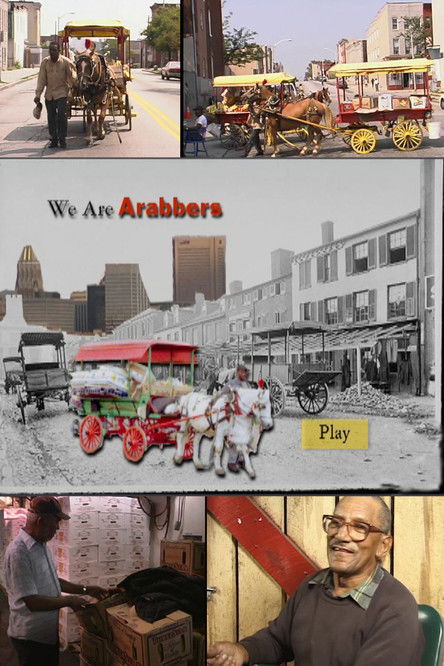
We Are Arabbers follows the last of the horse-and-wagon produce vendors along the streets of Baltimore as they struggle to make a living and maintain their unique culture.
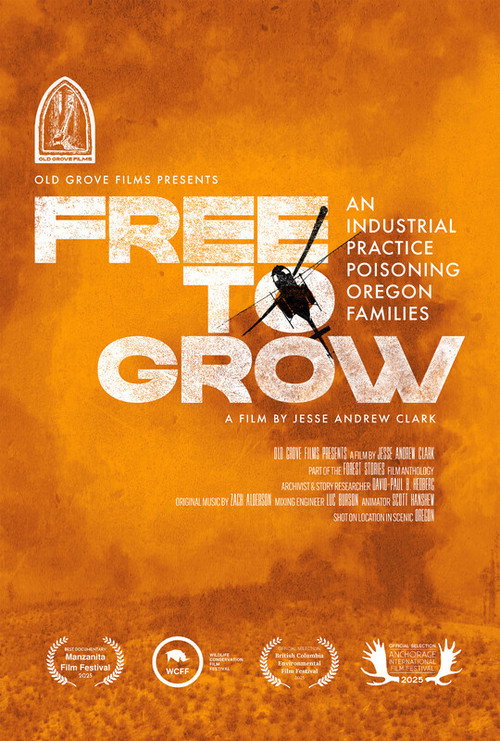
Rural Oregon families have taken up the fight against aerial herbicide spraying by the forestry industry for more than 50 years — but has public safety around these substances since improved? Weaving historic archival footage with modern-day stories, the film is a powerful portrait of families grappling with the realities of herbicide exposure in their own backyards.
A documentary produced in 1979 to celebrate the centenary of the birth of Albert Einstein. Narrated and hosted by Peter Ustinov and written by Nigel Calder.
A Czech director wrestles with problems personal and political during the Prague spring of 1968.