A fictional biography of Hollywood actors Martin Kosleck and Hans Heinrich von Twardowski, both of whom fled Hitler-era Germany to live a long-lasting relationship.
Alexander Graeff
as Narrator
Matthis Dollwet
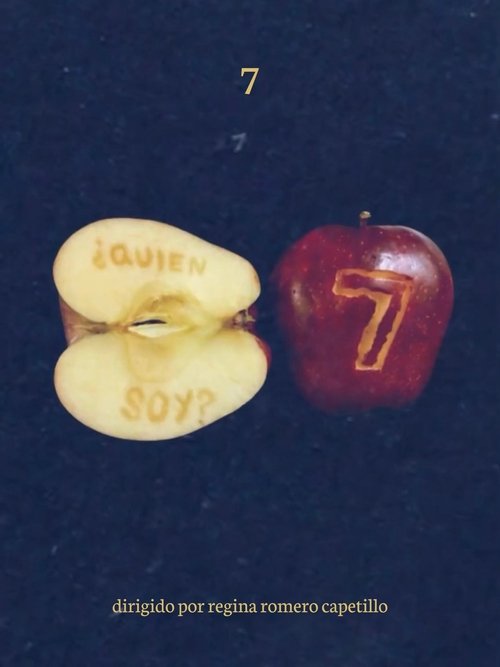
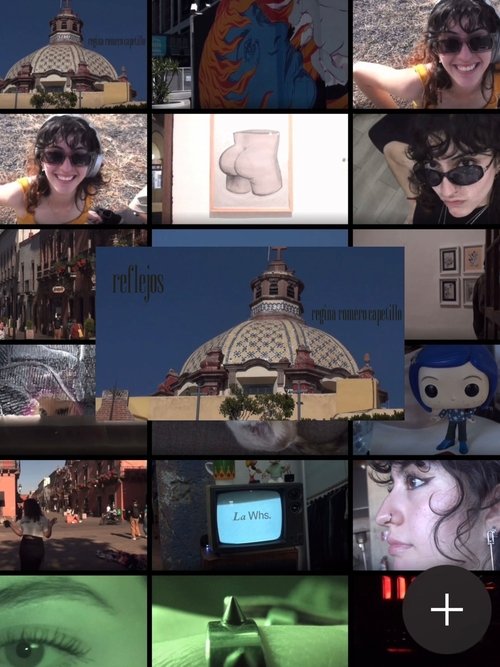
A self-portrait in the form of a video essay that explores her identity, her relationship with the places she has lived, and her present.
Video essay about reflections in identities, spaces, using comparisons with the people in her life. How do we express ourselves? What influences us? Are we reflections of what we experience? Of what we see? Of who we know?
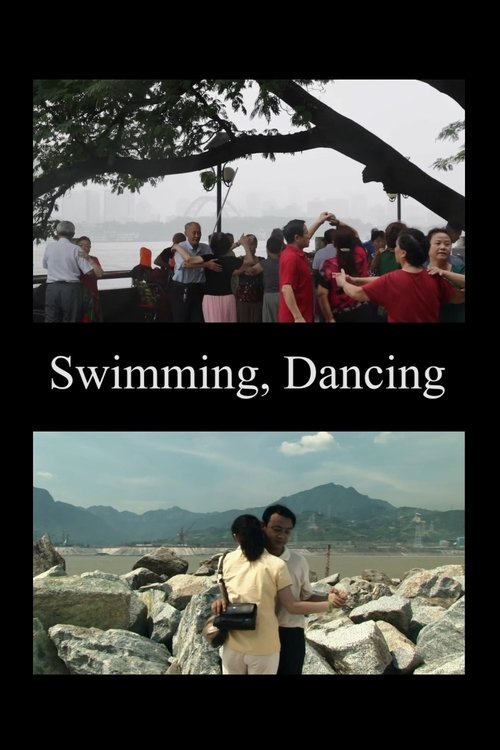
Swimming, Dancing examines audiovisual representations of the Yangtze (1934–present), from silent film to video art to the contemporary vlog. Inspired by the city symphonies of the 1920s, Swimming, Dancing pieces together a “river symphony”, evoking the images, sounds and contradictions that make up the river’s turbulent history.
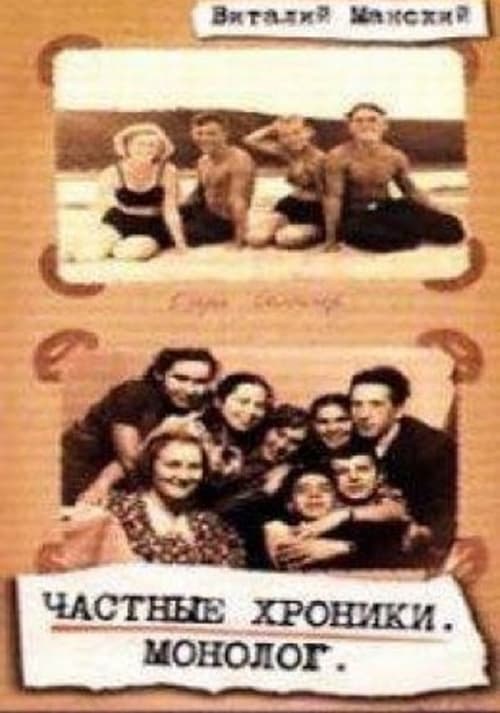
The collective life of the generation born as Jurij Gagarin became the first man in space. Vitaly Mansky has woven together a fictional biography – taken from over 5.000 hours of film material, and 20.000 still pictures made for home use. A moving document of the fictional, but nonetheless true life of the generation who grew up in this time of huge change and upheaval.
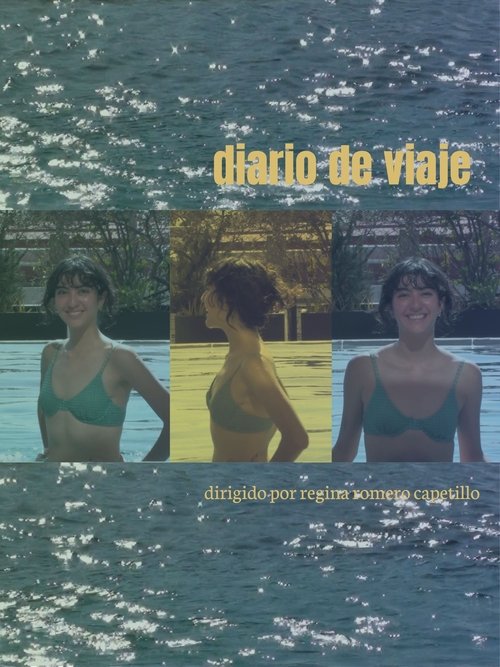
Travel diary about a vacation, without going anywhere. This travel diary is a reflection on past vacations and what one observes in their daily life when one goes out, even if it's to the same place as always: home.
Dive into "Brat and the Culture of Addiction," a thought-provoking video essay by Alexander Avila that unpacks how society glamorizes excess while stigmatizing addiction. Through sharp analysis of media, history, and cultural norms, Avila explores the cycles of dependency fostered by consumer capitalism and challenges the oversimplified narratives of recovery. Perfect for anyone looking to understand addiction as a broader sociocultural issue, this essay offers fresh insights and calls for systemic change. Watch now to reframe your perspective and spark meaningful discussions.
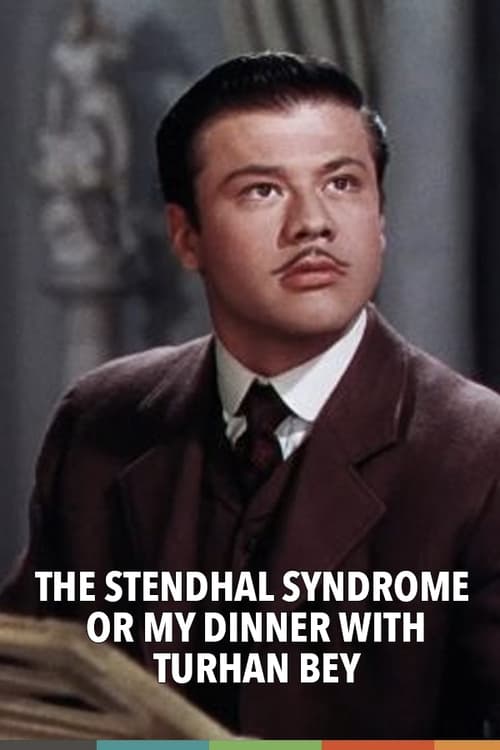
Joan Crawford's close-up in Humoresque. Michelangelo's David and Boticelli's "Birth of Venus". Stendhal was overwhelmed by the cultural overstimulation in Florence, which Graziella Magherini described scientifically in 1979 as Stendhal syndrome. Mark Rappaport describes his fascination for the Austrian actor Turhan Bey, who made a career in exotic roles in Hollywood in the 1940s. A very personal essay about the effect of close-ups, the canvas idols of the dream factory and the role of their admirers and fans.
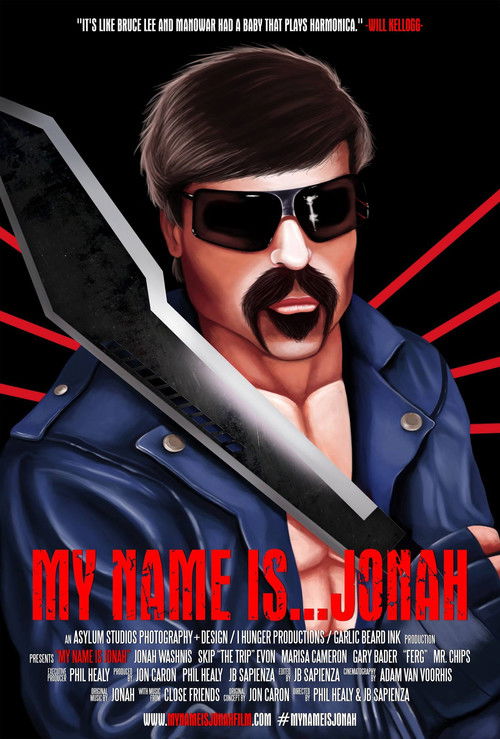
What is the secret origin of this self-proclaimed 'real-life warrior, adventurer and musician'? How has he gained his tremendous cult following? Steel yourselves for a quest to explore how this enigmatic personality came to be and the powerful effect he has on all those he meets.
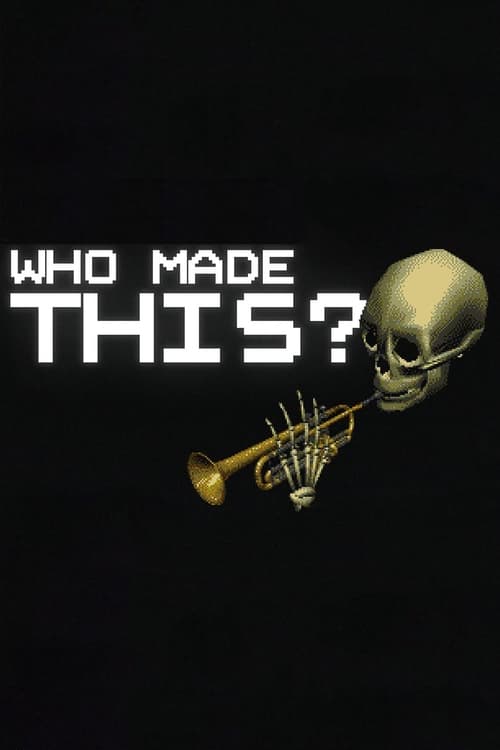
YouTuber Jeffiot goes digging for the origins of skull trumpet / doot doot / mr skeltal, and ends up taking a trip to the early web heyday of animated gif art, and ruminating on creativity and legacy.
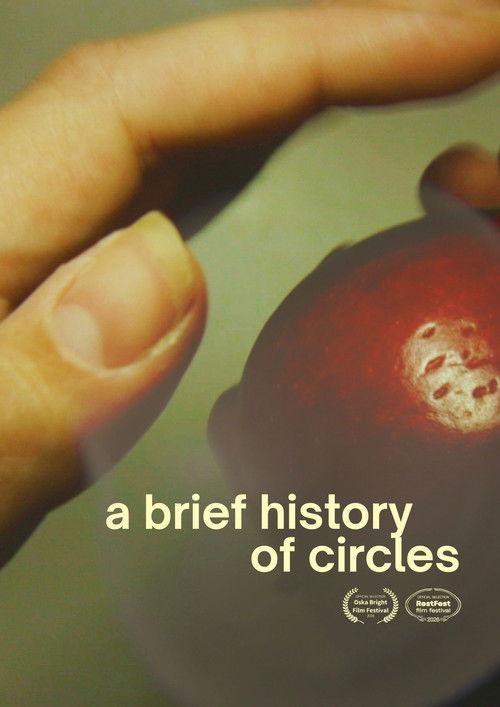
An experimental video essay which uses circles and waves to explore neurodivergent experience.
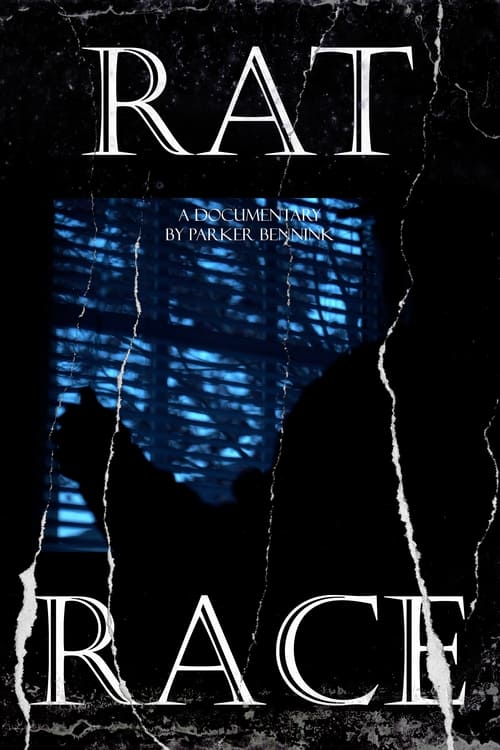
Join College Student Parker Bennink and he interviews four of Rowan University's most prolific filmmakers, to uncover what life as a student filmmaker is really like in today's day and age.
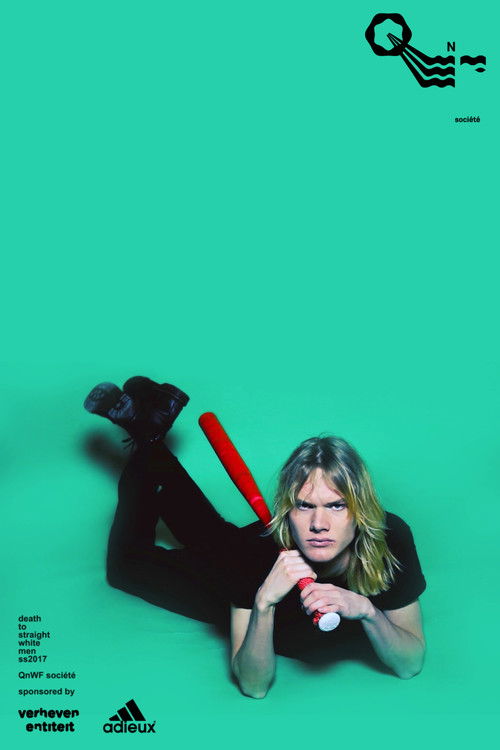
Three commercials, presented as a short film, for fictional clothing brand 'Death To Straight White Men' by the QnWF-Sociétè. This fictional clothing brand and the ready-for-action poses and portraits of the three models were in many ways the foundation for 'E Kolór Korra' (2017).
Using a collage of found footage, this documentary essay examines humanity's conflicted relationship with fire - tracing its journey from control and mastery to destructive power, reflects on masculinity and the cost of progress and hubris.
Le Chevalier de Saint-Georges overcame class and race prejudices in 18th century France to become a musical genius who would inspire Mozart.
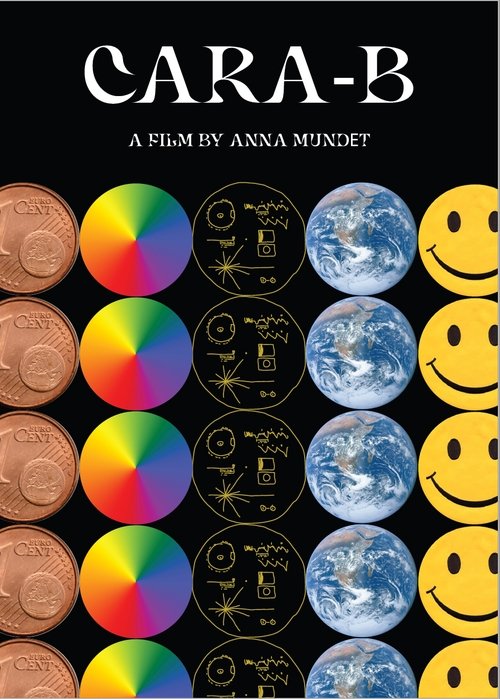
A desktop documentary that focuses on the Golden Record that NASA sent into space in the late 1970s. The piece reflects on issues such as the power of scientific discourse to produce revisions of the world, the evolution of the concept of the archive and the resignification of borders in the rhetoric of space colonialism.