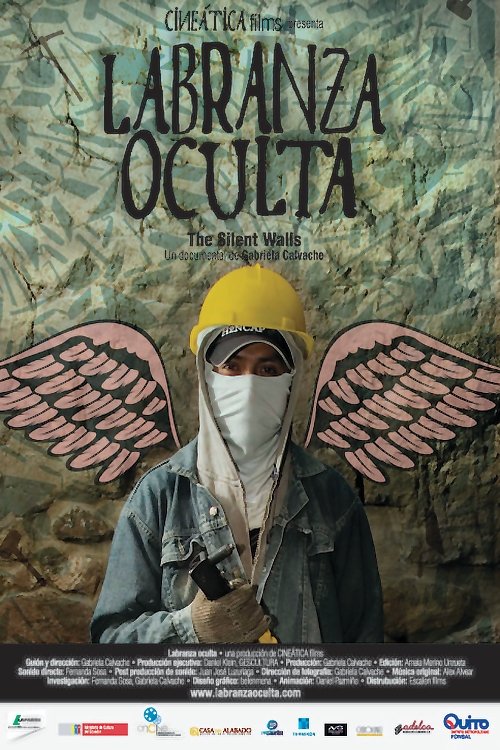
Behind the scenes of a large construction site in western Switzerland, we dive into the world of construction where most of the workers are foreigners.
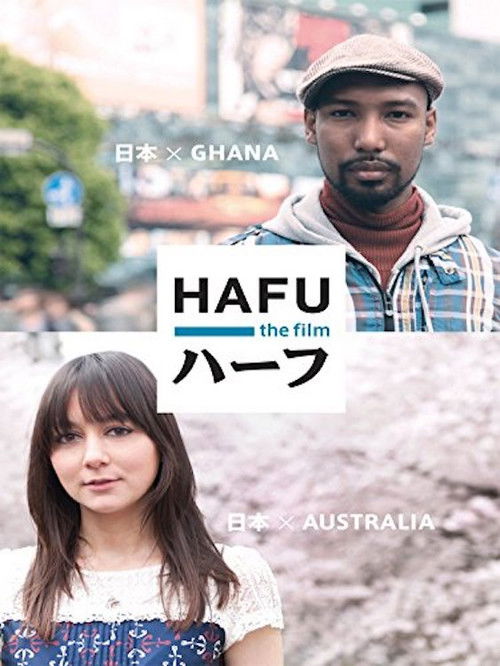
Anne Marie Nakagawa's documentary examines what it means to have a background of mixed ancestries that cannot be easily categorized. By focusing on 7 Canadians who have one parent from a European background and one of a visible minority, she attempts to get at the root of what it means to be multi-ethnic in a world that wants each person to fit into a single category.
In the 1960s, the suburbs were meant to be modern havens for newcomers from rural France, Portugal, Spain, North Africa, and Africa, helping rebuild post-war France. Large housing complexes symbolized this ideal, offering comfort, heating, and electricity. But by the 1980s, disillusionment set in as economic crisis, unemployment, poverty, crime, racism, and police violence took hold. Mohamed Bouhafsi tells the story of a dream that didn’t last.
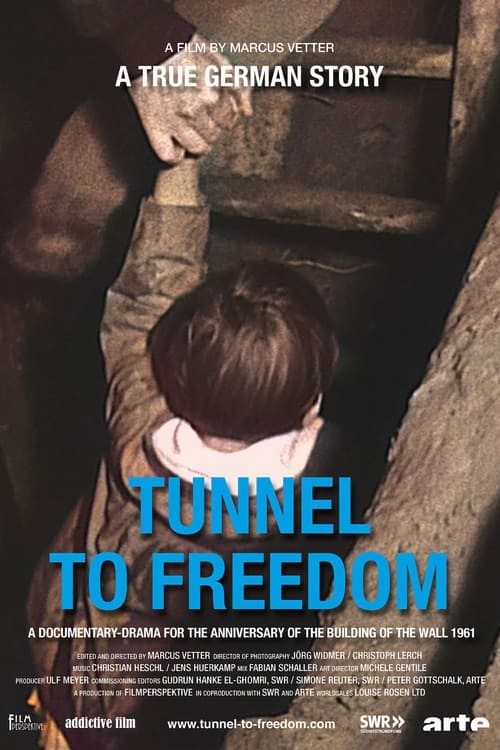
13 August 1961: the GDR closes the sector borders in Berlin. The city is divided overnight. Escape to the West becomes more dangerous every day. But on September 14, 1962, exactly one year, one month and one day after the Wall was built, a group of 29 people from the GDR managed to escape spectacularly through a 135-meter tunnel to the West. For more than 4 months, students from West Berlin, including 2 Italians, dug this tunnel. When the tunnel builders ran out of money after only a few meters of digging, they came up with the idea of marketing the escape tunnel. They sell the film rights to the story exclusively to NBC, an American television station.
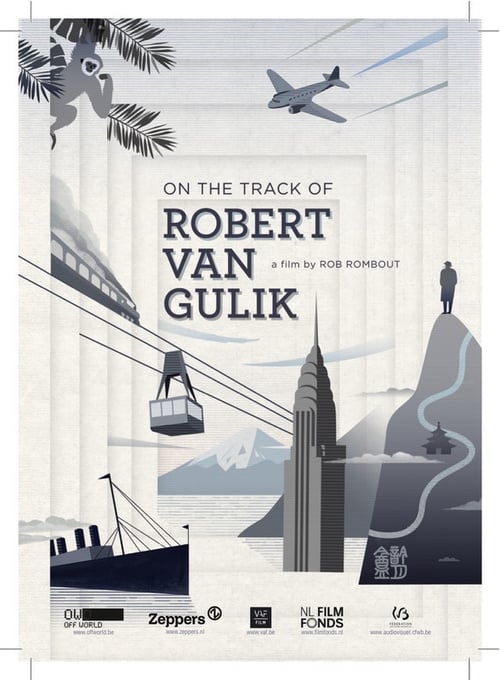
Robert van Gulik (1910-1967) is one of the world’s most read authors from the Netherlands. This diplomat, Sinologist and scholar is mainly known for his detective novels, starring 'Judge Dee'. Filmmaker Rob Rombout follows in his footsteps to discover the author’s legacy - via his diaries, the people he inspired and those who witnessed his extraordinary life.
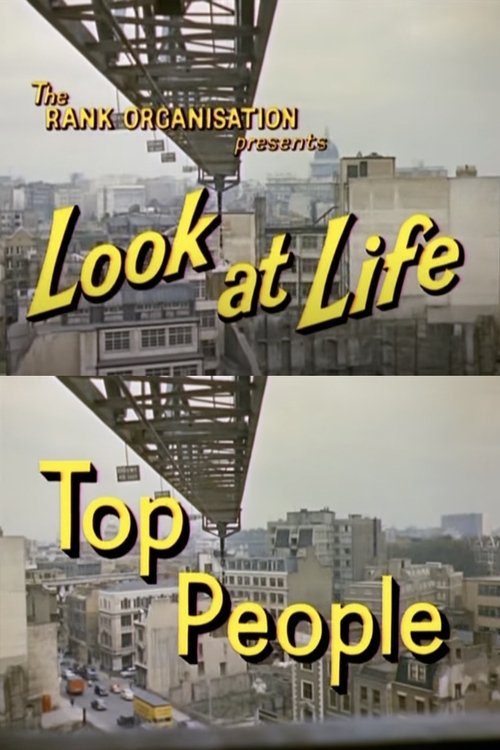
An overview of high-rise construction activity in London. From the crane operators who build the new sky-scrapers to the tenants who live in the penthouses, this newsreel provides a colorful birds-eye view of London Town.
A local construction worker and a Chinese engineer are assigned to build a bank in Bangui, the capital of the Central African Republic, one of the poorest countries in the world. But time is short and resources are scarce, and there are rumours in the countryside that a new civil war is brewing. And as if all this wasn’t bad enough, their relationships to their wives are falling apart. ‘Eat Bitter’ mirrors the existential and mundane problems of the two men, while an unlikely friendship and mutual trust blossoms between them. However, the chaotic microcosm of the construction site also mirrors China’s contradictory role in 21st century Africa, with the bank itself as the ultimate symbol of money, power and illusion. Director duo Pascale Appora-Gnekindy and Ningyi Sun themselves represent each of the two cultures, and their film has a unique eye for the human fallibility and irony of it all, but also for how we can reach each other despite all our many differences.
September 2019. China inaugurates the largest airport terminal in the world, which covers 700,000 m2, the equivalent of 98 football pitches. Built in 5 years, it embodies the jewel of Chinese modernity but also of French know-how. Go behind the scenes of a pharaonic construction site.
Chronicles the industrial action leading up to the deregistration of the Builders Labourers Federation.
Rare archive footage reveals what Singapore was like dating back to 1900, showing coolies sharing lunch, rickshaw pullers, a grand Peranakan funeral, and more.
An effervescent facilitator and mother figure, Multicultural Liaison Officer Rosemary is undoubtedly a force of nature. Isolation in Auburn’s migrant community is a huge obstacle, and cultural norms mean that women are often tied to the house or a limited locale. Rosemary, with her larger-than-life spirit and generosity, works tirelessly to draw the women out of their homes and into society. She hosts a lively African Women’s Dinner Dance and takes them on a trip to the Blue Mountains and the NSW South Coast – introducing them to an Australia they’ve never seen before.
Filmed at the Wing Fong Farm in Ontario, this documentary follows the tilling, planting and harvesting of Asian vegetables destined for Chinese markets and restaurants. On 80 acres of land, Lau King-Fai, her son and a half-dozen migrant Mexican workers care for the plants. For Yeung Kwan, her son, the farm represents personal and financial independence. For his mother, it is an oasis of peace. For the Mexican workers, it provides jobs that help support their children back home.
Looks at the United States as it becomes an increasingly diverse nation. Tracing the history of significant changes in the Immigration and Nationality Act beginning in 1965, this program introduces a dramatic vision of a multi-cultural America where people of color are the new majority. The feelings and stories of ordinary people are featured in everyday context in six cities across the county. Interviews with residents of Chicago, Houston, Philadelphia, Miami and several other places probe the changing relationships between newcomers and established residents.
World in a City is a portrait of Toronto and the steps Torontonians are taking to create a society that welcomes and encourages new immigrants to flourish
Cut off from his loved ones due to the strict COVID-19 lockdown at the long-term care facility where he lives, a quadriplegic rabbi is filmed by his daughter while reflecting on love, mortality and longing.