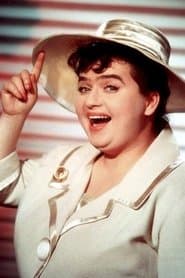
Trude Herr
as Gloria Gleuel
Ursula Mörger
as Meta Gleuel
Karl-Heinz Gierke
as Viktor Frankenstein
Bärbel Schöller
as Frankensteins Sekretärin
Jürgen Schaak
as Frankensteins Monster
Hans Fischer
as Charlie Zehnpfennig
Martin Becker
as Roderich
Ada Dziewanowska, a spirited landowner’s daughter, is sent to a Kraków boarding school to be “tamed,” where she secretly appears in an operetta and unexpectedly falls in love with Fred Orzelski, ironically the very suitor her parents had long planned for her.
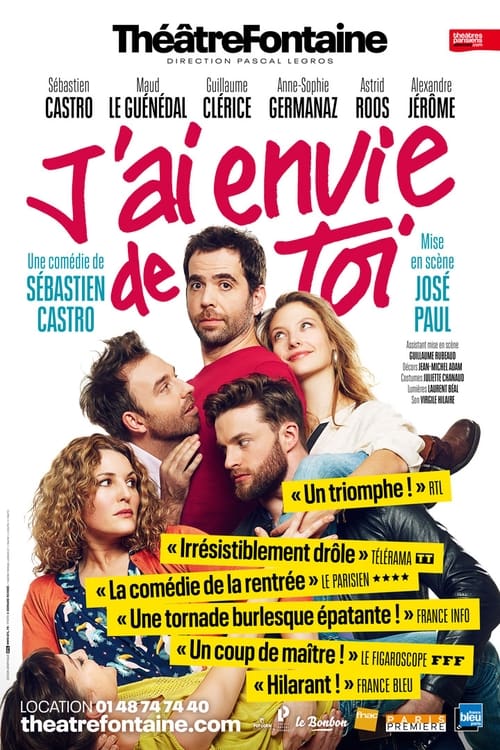
Henry de Sacy, inveterate Don Juan, learns that he will inherit a million euros from his old aunt, on condition that he gets married within the year. As he refuses to depart from his love of women, his friend Norbert, a lawyer, offers him to marry a man. Thus he would respect his aunt's last wishes without losing his freedom. Seduced, Henri offers this unusual contract to his friend Dodo who is single and unemployed. But this marriage for the better will quickly turn into a nightmare...
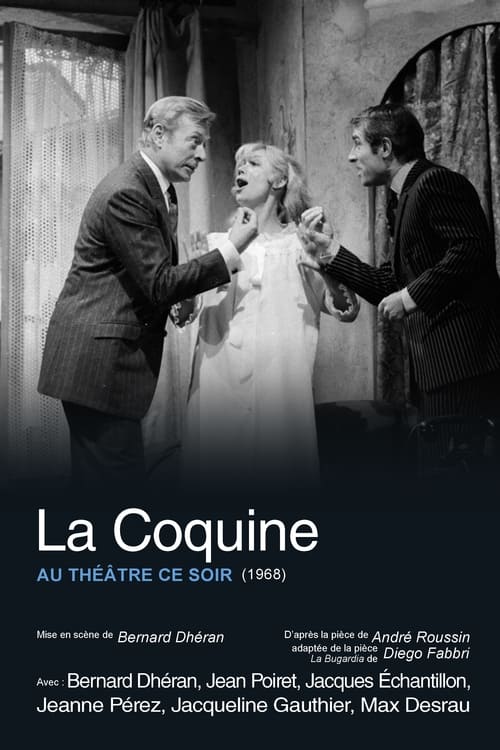
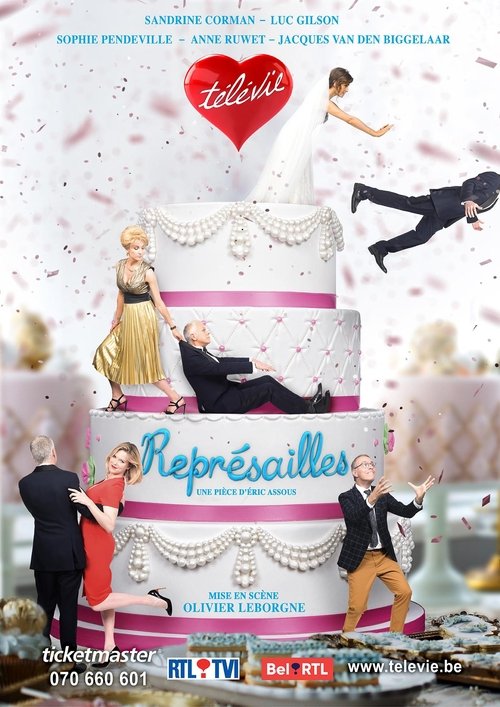
It's their daughter's wedding day, and Francis and Rosalie should be the happiest parents in the world. However, the mood is not festive. Rosalie reproaches her husband for dancing all evening with a woman whom no one knows. Caught red-handed, Francis is forced to admit that this woman is none other than his mistress. Rosalie is not going to take this lying down! Time for retaliation.
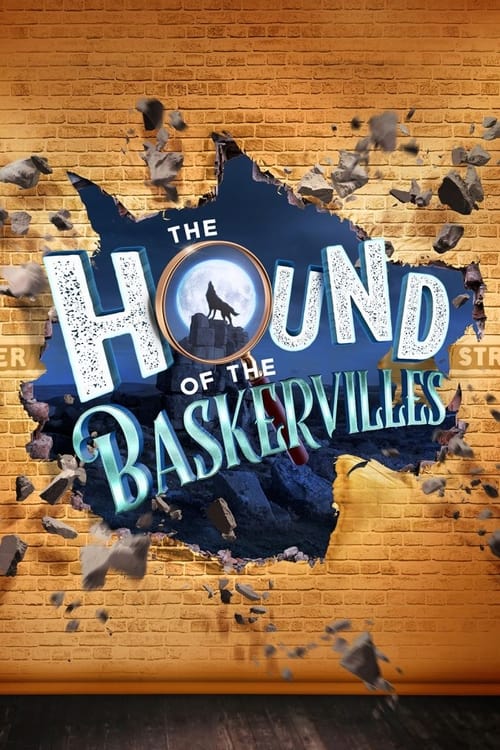
Sir Arthur Conan Doyle's most celebrated adventure gets a brilliantly farcical overhaul in Lotte Wakeham's acclaimed production. World-renowned detective Sherlock Holmes and his colleague Dr Watson are asked to unravel the mystery surrounding the untimely death of Sir Charles Baskerville. With rumours of a cursed giant hound loose on the loose moors, they must act fast in order to save the Baskerville family's last remaining heir. A hit in the West End, this ingenious adaptation combines an exhilarating collision of farce, theatrical invention and wonderfully comic performances to offer a brand-new twist on the greatest detective story of all time. A whodunnit for all ages.
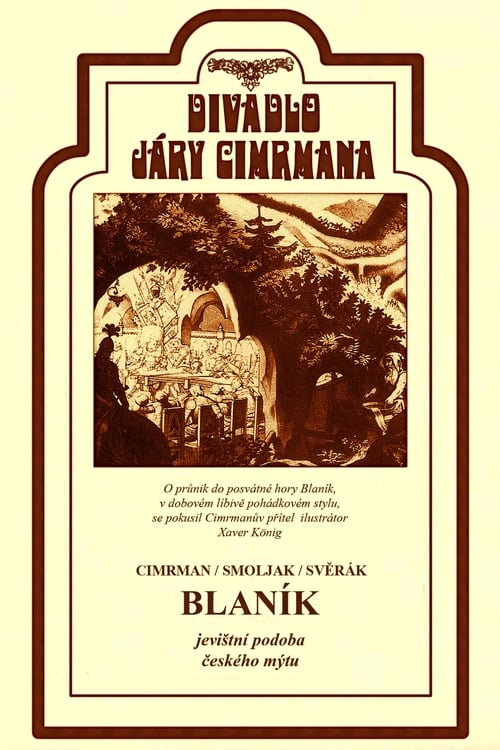
Cimrman sees the reason for the popularity of the Blanik legend in Bohemia mainly in the geographical location of our homeland. In agreement with Palacký, he was aware that "we are here in Europe like a grain between two millstones. From the west, German imperialism presses upon us, and from the east, the expansionism of the Great Russian colossus crushes us. It is no wonder that a small nation under such pressure seeks supernatural and even miraculous protection, for only a miracle can enable it to survive here."
The original score was in a sorry state: the notes were carelessly marked, the lines were broken, and the paper was covered in smudges. I took the utmost care in reconstructing it: I erased the smudges, traced the lines with a ruler, blackened the bellies of the quarter notes, and added tails to the eighth and sixteenth notes. I believe that today's version of the work will stand up to even the most rigorous standards.
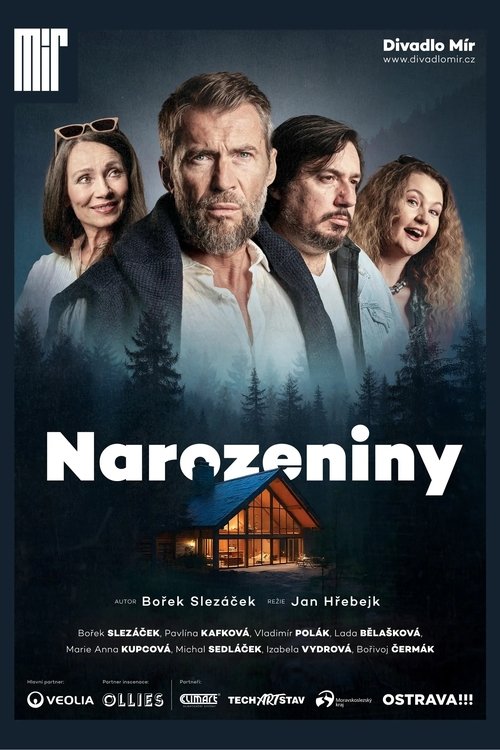
This traditional seminar will introduce you to the most basic facts about Jára Cimrman. The ensuing play will show how difficult it is for some people to come to terms with new knowledge from their past.