The dramatic untold story of 420,000 Cubans– soldiers and teachers, doctors and nurses– who gave everything to end colonial rule and apartheid in Southern Africa.
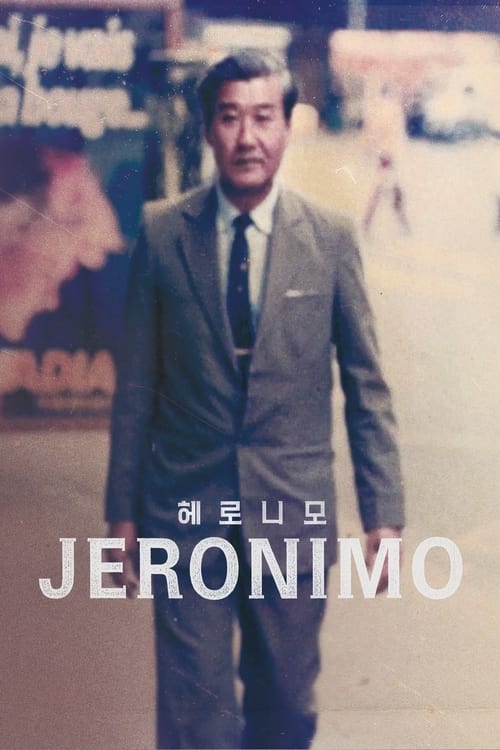
Born to Korean immigrant parents freed from indentured servitude in early twentieth century Mexico, Jerónimo Lim Kim joins the Cuban Revolution with his law school classmate Fidel Castro and becomes an accomplished government official in the Castro regime, until he rediscovers his ethnic roots and dedicates his later life to reconstructing his Korean Cuban identity. After Jerónimo's death, younger Korean Cubans recognize his legacy, but it is not until they are presented with the opportunity to visit South Korea that questions about their mixed identity resurface.
The struggle to eradicate apartheid in South Africa has been chronicled over time, but no one has addressed the vital role music plays in this challenge. This documentary by Lee Hirsch recounts a fascinating and little-known part of South Africa's political history through archival footage, interviews and, of course, several mesmerizing musical performances.
Thomas Sankara came to power in Burkina Faso in 1983, with the promise of a revolutionary government that would transform the West African country. To help build the revolution, he sent 600 children — many orphans from rural areas — to be educated in Cuba. But after Sankara’s assassination, the children were stranded. The last would only return to Burkina Faso in 2005. SANKARA’S ORPHANS tells their stories through interviews with some of the 600, along with archival footage of their lives on Cuba’s Isle of Youth — where both Sankara and Fidel Castro came to visit. Along with their education, the children worked in the fields and received weapons training. This, combined with their idealism, frightened the new Burkina Faso regime, which worried they might return and take up arms.
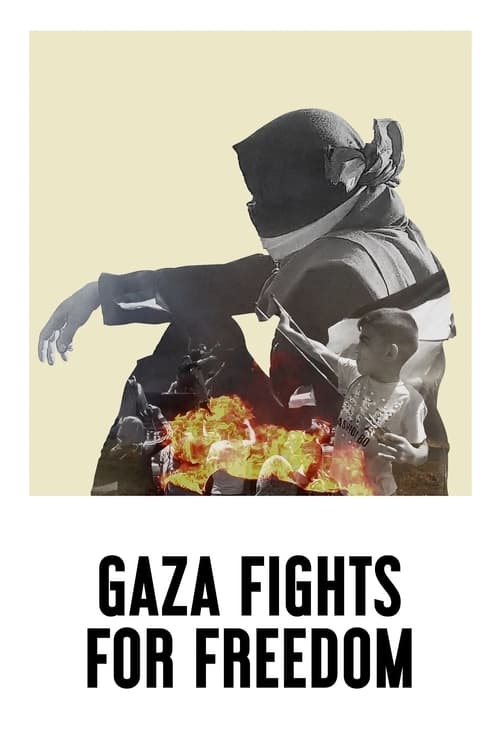
Gaza Fights for Freedom depicts the ongoing Great March of Return protests in the Gaza Strip, occupied Palestine, that began in 2018.
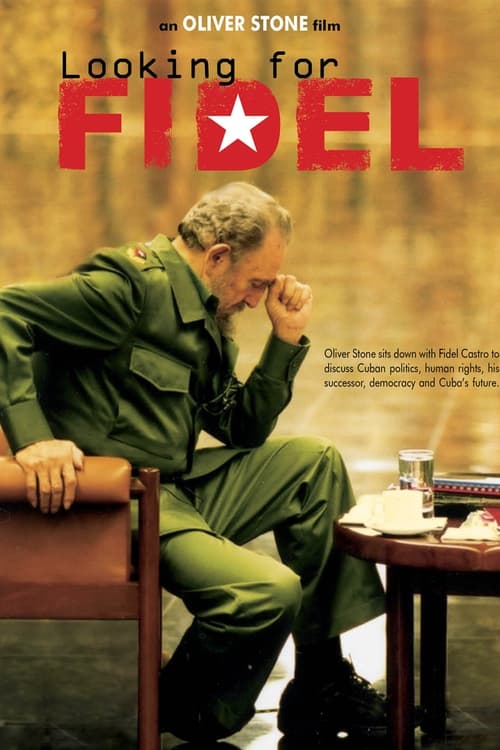
Oliver Stone spends three days filming with Fidel Castro in Cuba, discussing an array of subjects with the president such as his rise to power, fellow revolutionary Che Guevara, the Cuban Missile crisis, and the present state of the country.
Oliver Stone's second documentary on/interview with Fidel Castro specifically addresses his country's recent crackdown on Cuban dissidents; namely, the execution of three men who hijacked a ferry to the United States.
In the summer of 1994, a team of public television reporters filmed and interviewed seven Cubans a few days before their risky venture of setting out to sea in homemade rafts to reach the coast of the United States. Six made it far enough to be picked up at sea by the U.S. Coast Guard. When these balseros (rafters) were finally allowed to go to the United States, the film crew went with them to a string of several cities. Seven years later, the film crew visits them again, to discover that their destiny has been in the United States. Theirs is a true story about some of the authentic survivors of our times, the human adventure of people who are shipwrecked between two worlds.
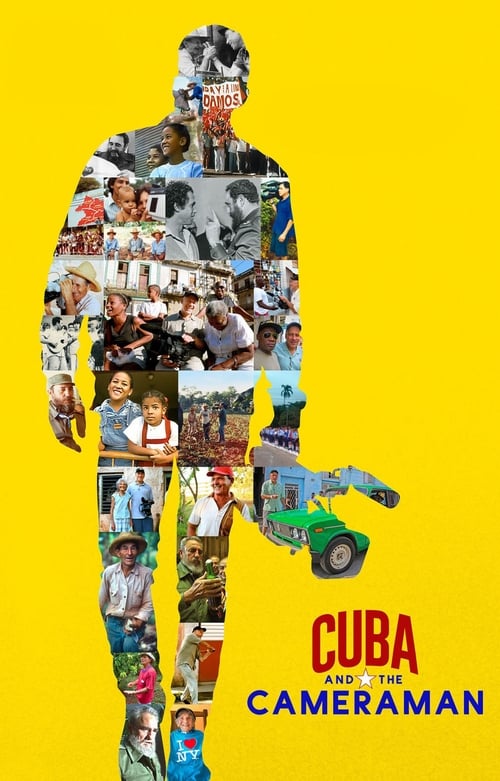
This revealing portrait of Cuba follows the lives of Fidel Castro and three Cuban families affected by his policies over the last four decades.
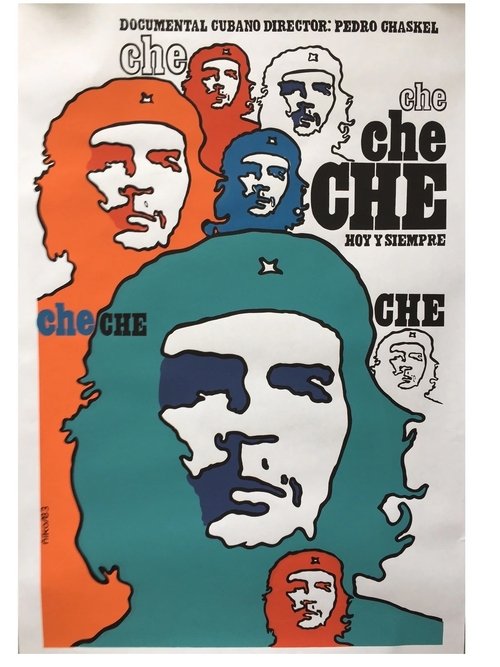
A sound system plays Commander Ernesto Guevara's speech, delivered on October 20, 1962, during the Second Anniversary of the Young Communist League, along with a series of archival images of the revolutionary leader visiting factories and meeting with workers.
Will Cubans be able to safeguard their heritage of pristine Nature and preserved ecological treasures under this new era, as they are facing the combined pressure of money and tourism? What policies can be implemented to maintain the island’s spectacular wilderness?
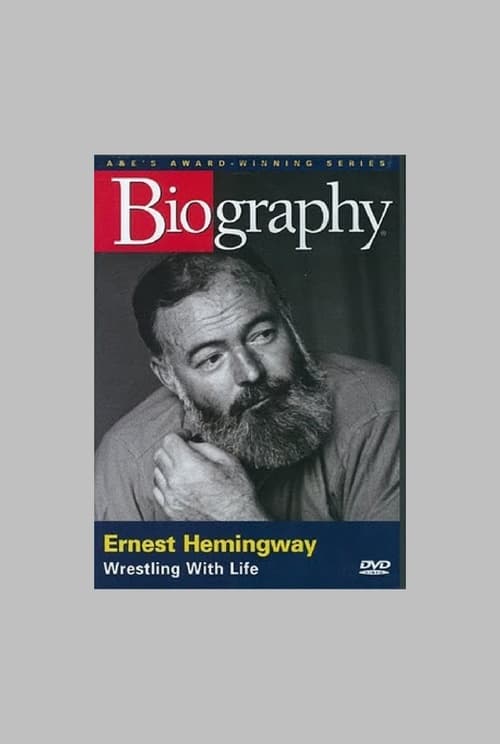
A&E's long-running biography series takes a look at one of the 20th century's most emblematic figures, Ernest Hemingway. Through a collection of still photography, narration by granddaughter Mariel Hemingway, commentary from author A.E. Hotchner and publisher Charles Scribner, and readings from Hemingway's writing (including personal letters and unpublished works) by Scott Glenn, the film takes us from the man's Midwestern childhood roots up through the tragic suicide that serves as a bittersweet exclamation on what is otherwise considered to be a life of profound accomplishment.
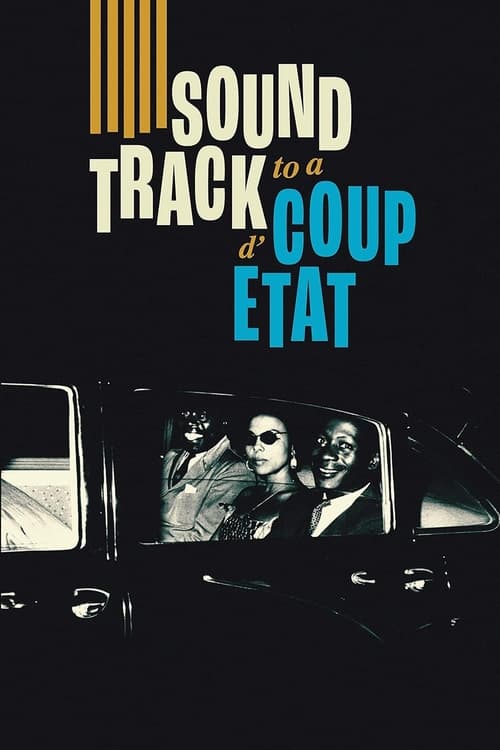
Jazz and decolonization are intertwined in a powerful narrative that recounts one of the tensest episodes of the Cold War.
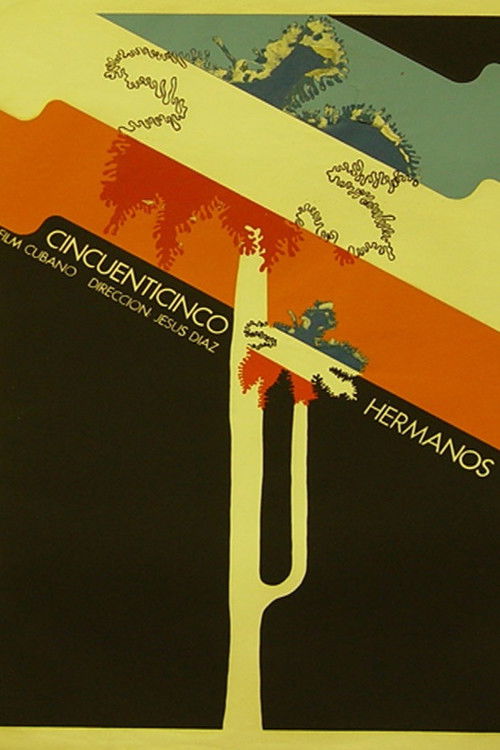
The Antonio Maceo Brigade consists of fifty-five children of Cuban families that escaped the revolution and settled down in Miami. To the annoyance of their parents, the children developed pro-Castro ideas. This documentary follows the Brigade on its first visit to Cuba. When they meet family members and embrace old neighbours, childhood memories surface.
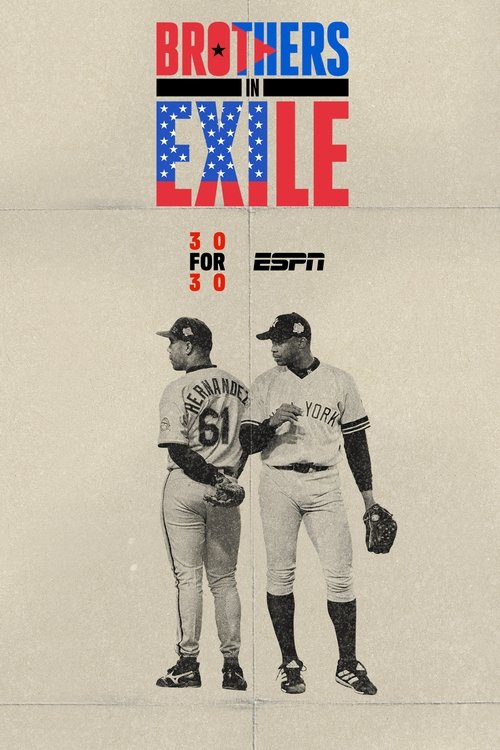
Major League Baseball has been transformed by the influx of Cuban players such as Aroldis Chapman, Yasiel Puig and Jose Abreu. But a special debt of gratitude is owed to two half-brothers, whose courage two decades ago paved the way for their stardom. "Brothers in Exile" tells the incredible story of Livan and Orlando "El Duque" Hernandez, who risked their lives to get off the island.
In the year of Nelson Mandela’s centenary, Glasgow, Love and Apartheid is the story of one family’s fight against apartheid from Scotland and South Africa. Director, Dhivya Kate Chetty, follows her parents – a mixed, and once ‘illegal’, couple – on a trip back to South Africa where the family stories begin to unfold – protests, an uncle in jail, an ANC arms cache, a doctor on the run and a surprise connection with Mandela in hiding.
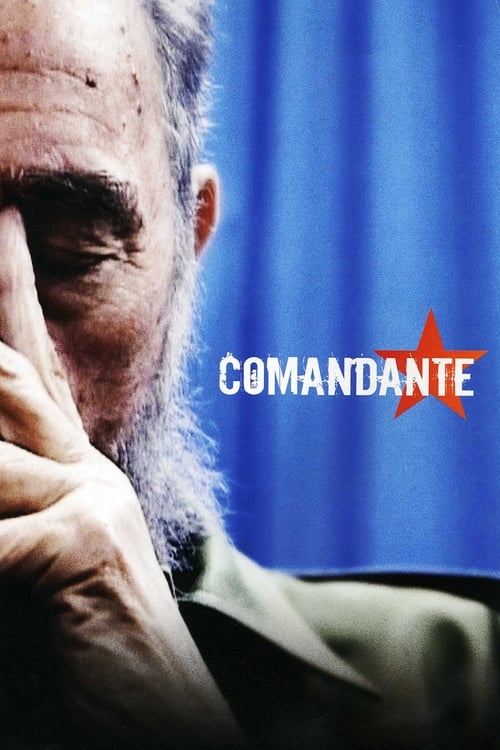
A deep dive into the lives and experiences of those impacted by the Fidel Castro era in Cuba.
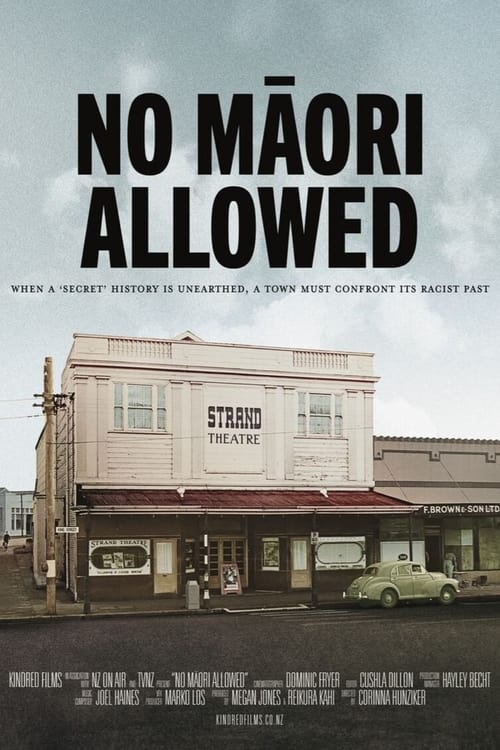
When an academic unearths a forgotten history, residents of the small township of Pukekohe, including kaumātua who have never told their personal stories before, confront its deep and dark racist past.